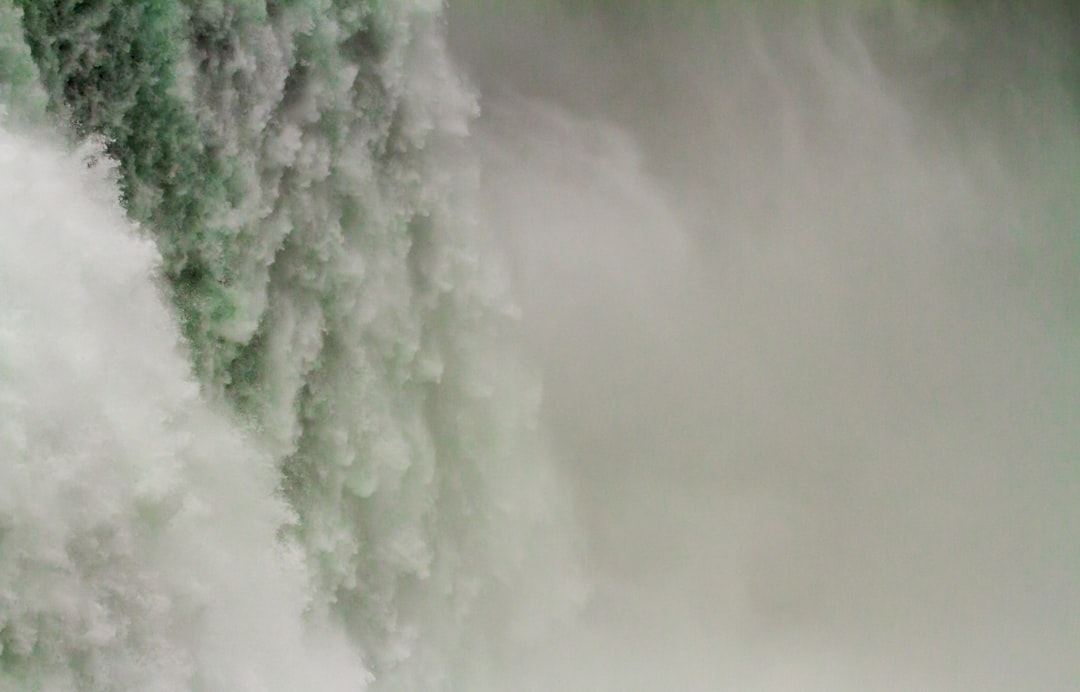
The Three Gorges Dam, an engineering marvel located on the Yangtze River in Hubei province, China, stands as the largest hydroelectric power station in the world. Spanning over 2,300 meters in length and reaching a height of 185 meters, this colossal structure has been a focal point of both admiration and controversy since its inception. The dam was designed to generate electricity, control flooding, and improve river navigation, making it a pivotal component of China’s infrastructure.
However, its construction and operation have raised significant concerns regarding environmental sustainability, social displacement, and the potential for catastrophic failure. As the dam continues to operate, it has become a symbol of China’s rapid industrialization and ambition. The project was initiated in the late 20th century, with the aim of harnessing the immense power of the Yangtze River.
While it has succeeded in generating vast amounts of electricity and providing flood control, the dam’s impact on local ecosystems and communities has sparked intense debate. The Three Gorges Dam represents a complex interplay between technological advancement and environmental stewardship, raising questions about the long-term consequences of such monumental engineering projects.
Key Takeaways
- The Three Gorges Dam is a massive hydroelectric project with significant environmental and social impacts.
- Construction involved complex engineering but faced challenges that contributed to structural concerns.
- Signs of potential collapse were linked to both natural factors and human errors during operation.
- The dam’s collapse caused widespread damage, prompting extensive rescue and recovery efforts.
- Lessons from the disaster highlight the need for improved safety standards and oversight in future dam projects.
The construction of the Three Gorges Dam
The construction of the Three Gorges Dam began in 1994 and spanned nearly two decades, culminating in its completion in 2012. This ambitious project involved the relocation of over a million people and the submergence of numerous towns and villages, leading to significant social upheaval. The scale of the construction was unprecedented; thousands of workers toiled day and night to build what would become a critical piece of infrastructure for China.
The project was not only a feat of engineering but also a testament to the determination of a nation seeking to modernize its energy production capabilities. The dam’s construction involved complex logistical challenges, including the diversion of the Yangtze River during the building process. Engineers employed innovative techniques to ensure that the dam could withstand natural disasters such as earthquakes and floods.
The project was met with both national pride and international scrutiny, as environmentalists raised concerns about the ecological consequences of such a massive undertaking. Despite these challenges, the Chinese government remained steadfast in its commitment to completing the dam, viewing it as essential for economic growth and energy security.
Environmental impact of the Three Gorges Dam
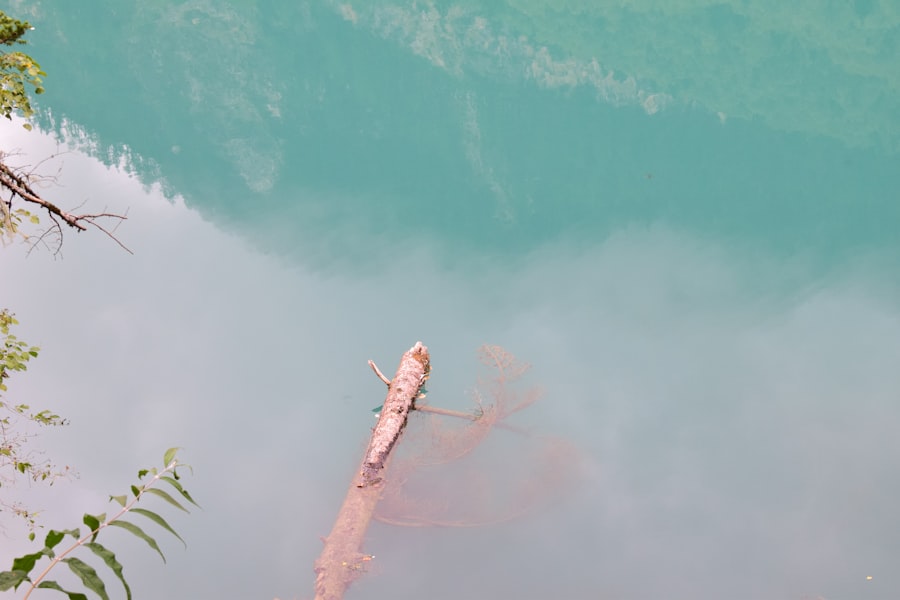
The environmental impact of the Three Gorges Dam has been profound and multifaceted. One of the most significant consequences has been the alteration of local ecosystems. The dam has changed water flow patterns, affecting fish populations and other aquatic life that depend on specific conditions for survival.
The creation of a vast reservoir has submerged forests, farmland, and wildlife habitats, leading to a loss of biodiversity that is difficult to quantify. Additionally, sedimentation issues have arisen as the dam traps silt that would naturally flow downstream, impacting agricultural practices in surrounding areas. Moreover, the dam has contributed to increased water pollution in the Yangtze River.
With stagnant water in certain areas of the reservoir, harmful algal blooms have become more prevalent, posing risks to both human health and aquatic ecosystems. The displacement of communities has also led to social tensions and economic challenges for those who relied on fishing and agriculture for their livelihoods. As a result, while the dam has provided significant benefits in terms of energy production and flood control, it has also created a complex web of environmental challenges that continue to affect the region.
Signs of potential collapse
| Sign of Potential Collapse | Description | Common Indicators | Possible Consequences |
|---|---|---|---|
| Economic Instability | Rapid decline in economic performance and financial markets | High inflation, rising unemployment, stock market crashes | Recession, loss of public trust, increased poverty |
| Political Turmoil | Breakdown in governance and political order | Frequent government changes, civil unrest, protests | Loss of law and order, authoritarianism, civil war |
| Environmental Degradation | Severe damage to natural ecosystems and resources | Deforestation, water scarcity, pollution, climate change effects | Food shortages, displacement, health crises |
| Social Fragmentation | Breakdown of social cohesion and trust among communities | Rising inequality, ethnic tensions, increased crime rates | Violence, social unrest, breakdown of community support |
| Infrastructure Failure | Collapse or severe degradation of critical infrastructure | Power outages, transportation disruptions, water supply failures | Economic disruption, public health risks, reduced quality of life |
In recent years, concerns about the structural integrity of the Three Gorges Dam have intensified. Experts have pointed to various signs that may indicate potential weaknesses in the dam’s design or construction. Reports of increased water levels in the reservoir due to heavy rainfall have raised alarms about the dam’s ability to manage excess water effectively.
Additionally, geological studies have suggested that seismic activity in the region could pose a threat to the dam’s stability, particularly given its massive size and weight. Monitoring systems have been put in place to assess any changes in the dam’s structure over time. These systems track factors such as stress levels within the concrete and any shifts in alignment that could signal potential failure.
As these monitoring efforts continue, they have revealed concerning data that suggests vulnerabilities may exist within the dam’s design. The combination of natural forces and human-induced pressures raises questions about whether adequate measures are in place to prevent a catastrophic event.
The causes of the Three Gorges Dam collapse
While there has yet to be a collapse of the Three Gorges Dam, speculation about potential causes has become a topic of discussion among engineers and environmentalists alike. One primary concern is related to geological instability in the region surrounding the dam. The Yangtze River basin is known for its seismic activity, which could lead to structural failures if an earthquake were to occur.
Additionally, heavy rainfall and flooding can exacerbate stress on the dam’s infrastructure, potentially leading to catastrophic outcomes if not managed properly. Another factor contributing to fears of collapse is human error during both construction and ongoing maintenance. Despite rigorous engineering standards, mistakes can occur that compromise safety.
Inadequate inspections or failure to address minor issues can escalate into major problems over time. Furthermore, political pressures may lead to decisions that prioritize energy production over safety considerations, increasing risks associated with operating such a massive structure.
The role of human error in the collapse

Human error plays a critical role in any large-scale engineering project, and the Three Gorges Dam is no exception. During its construction, there were instances where decisions made under pressure may have compromised safety protocols. For example, rushing certain phases of construction to meet deadlines could have led to oversights in quality control or inadequate testing of materials used in building the dam.
Moreover, ongoing maintenance is crucial for ensuring the long-term safety of any dam structure. If routine inspections are neglected or if maintenance work is not performed adequately due to budget constraints or staffing shortages, small issues can develop into significant threats over time.
The complexity of managing such a large infrastructure project means that human error can have far-reaching consequences that extend beyond immediate operational concerns.
The impact of the collapse on surrounding areas
Should a collapse occur at the Three Gorges Dam, the ramifications would be catastrophic for surrounding areas. The immediate vicinity would face unprecedented flooding as millions of cubic meters of water would be released into downstream communities along the Yangtze River. This would likely result in loss of life on an unimaginable scale and widespread destruction of property and infrastructure.
Cities and towns that have developed along the riverbanks would be at risk of being submerged or severely damaged. Beyond immediate physical destruction, there would be long-term socio-economic impacts as well. Communities reliant on agriculture or fishing would face devastation as their livelihoods are swept away by floodwaters.
Displacement would become an urgent issue as families are forced from their homes with little warning or preparation. The psychological toll on affected populations would be profound, leading to trauma that could last for generations as they grapple with loss and uncertainty.
Response and rescue efforts
In anticipation of potential disasters like a dam collapse, emergency response plans have been developed by local authorities and national agencies. These plans include evacuation protocols for communities living downstream from the Three Gorges Dam, ensuring that residents are aware of potential risks and know how to respond quickly in case of an emergency. Drills are conducted periodically to prepare both officials and citizens for rapid evacuation should an incident occur.
However, despite these preparations, response efforts would likely be overwhelmed by the scale of destruction following a collapse. Rescue teams would face significant challenges navigating flooded areas while attempting to reach those trapped or stranded by rising waters. Coordination among various agencies would be crucial for effective response efforts; however, logistical hurdles could hinder timely assistance during such a chaotic situation.
Lessons learned from the Three Gorges Dam collapse
The hypothetical collapse of the Three Gorges Dam serves as a stark reminder of the importance of rigorous safety standards in large-scale engineering projects. It underscores how critical it is for engineers and policymakers to prioritize long-term sustainability over short-term gains when designing infrastructure meant to withstand natural disasters. Lessons learned from past dam failures around the world should inform future practices regarding construction techniques, maintenance protocols, and emergency preparedness.
Additionally, this scenario highlights the need for transparency in communication between government agencies and local communities regarding risks associated with large infrastructure projects. Engaging residents in discussions about safety measures can foster trust while ensuring that everyone understands their role during emergencies. Ultimately, learning from potential failures can lead to improved practices that enhance safety for future generations.
Rebuilding and recovery efforts
In the aftermath of a catastrophic event like a dam collapse, rebuilding efforts would be monumental yet necessary for restoring affected communities. Initial focus would likely center on providing immediate relief—food, shelter, medical care—to those displaced by flooding before transitioning into longer-term recovery strategies aimed at rebuilding homes and infrastructure destroyed by water damage. Reconstruction efforts would require collaboration among various stakeholders including government agencies, non-profit organizations, and local communities themselves.
Engaging residents in planning processes can help ensure that rebuilding efforts align with their needs while fostering resilience against future disasters through improved infrastructure design or enhanced emergency response capabilities.
Future implications for dam construction and safety
The potential collapse of structures like the Three Gorges Dam raises critical questions about future practices surrounding dam construction worldwide. As nations continue investing heavily in large-scale infrastructure projects aimed at harnessing renewable energy sources or controlling natural disasters, it becomes increasingly important to prioritize safety measures throughout all phases—from design through operation. Innovations in engineering technology may offer new solutions for enhancing structural integrity while minimizing environmental impacts associated with dams.
Additionally, fostering international collaboration among engineers can facilitate knowledge sharing regarding best practices for risk assessment and management strategies tailored specifically for large-scale projects like dams. In conclusion, while the Three Gorges Dam stands as an impressive feat of engineering achievement today—its future remains uncertain amid growing concerns about environmental sustainability and structural integrity moving forward into an era where climate change poses unprecedented challenges globally.
The potential risks associated with the Three Gorges Dam have been a topic of significant concern, especially in light of recent environmental studies. For a deeper understanding of the implications of such large-scale infrastructure projects, you can read a related article that explores the environmental impact and safety measures of the dam. Check it out here: Three Gorges Dam Collapse Explained.
WATCH THIS! The $30 Billion Lie: Why China’s Three Gorges Dam Will Fail Sooner Than You Think
FAQs
What is the Three Gorges Dam?
The Three Gorges Dam is a hydroelectric gravity dam located on the Yangtze River in Hubei Province, China. It is the world’s largest power station in terms of installed capacity and was completed in 2012.
Has the Three Gorges Dam ever collapsed?
No, the Three Gorges Dam has not collapsed. It remains structurally sound and operational. There have been no verified reports of a collapse.
What are the main purposes of the Three Gorges Dam?
The dam serves multiple purposes including flood control, hydroelectric power generation, improved river navigation, and water supply.
What concerns have been raised about the Three Gorges Dam?
Concerns include environmental impacts, displacement of residents, sediment buildup, seismic risks, and potential structural vulnerabilities, but no collapse has occurred.
How is the dam monitored for safety?
The dam is equipped with advanced monitoring systems that track structural integrity, water levels, seismic activity, and other factors to ensure safety and operational efficiency.
What would happen if the Three Gorges Dam were to collapse?
A collapse would cause catastrophic flooding downstream, potentially affecting millions of people, causing significant loss of life and property damage. However, such an event is considered highly unlikely due to rigorous engineering and maintenance.
Where can I find reliable information about the Three Gorges Dam?
Reliable information can be found through official Chinese government publications, international engineering organizations, academic research, and reputable news sources specializing in infrastructure and environmental issues.