
The construction of the Three Gorges Dam, which began in 1994 and was completed in 2012, stands as one of the most ambitious engineering feats in modern history. Spanning the Yangtze River in Hubei province, China, this colossal structure was designed to generate hydroelectric power, control flooding, and improve river navigation. However, the project has been shrouded in controversy since its inception.
Proponents heralded it as a solution to energy shortages and a means to enhance economic development, while critics raised alarms about its environmental and social ramifications. The sheer scale of the dam, which is the largest in the world, has made it a focal point for debates surrounding large-scale infrastructure projects. The dam’s construction involved the relocation of over a million people and the submergence of numerous towns and villages.
This massive undertaking sparked widespread protests and international scrutiny, as many questioned the ethical implications of displacing communities for the sake of progress. The Chinese government, however, maintained that the benefits of the dam would far outweigh the costs, arguing that it would provide clean energy and reduce reliance on coal. As the dam rose from the banks of the Yangtze, it became a symbol of China’s rapid modernization and its willingness to confront challenges head-on, even at a significant human and environmental cost.
Key Takeaways
- The Three Gorges Dam project sparked controversy due to its massive scale and complex impacts.
- Environmental consequences included significant ecological disruption and unforeseen challenges.
- Large-scale displacement of communities highlighted the human cost associated with the dam’s construction.
- Safety concerns remain due to engineering challenges and potential risks inherent in the dam’s design.
- The dam offers substantial economic benefits but raises questions about sustainability and cultural preservation.
Environmental Impact: Unforeseen Consequences
The environmental impact of the Three Gorges Dam has been profound and multifaceted, with consequences that were not fully anticipated during its planning stages. One of the most significant issues has been the alteration of local ecosystems. The dam’s reservoir flooded vast areas of land, disrupting habitats and leading to a decline in biodiversity.
Species that thrived in the Yangtze River basin faced new challenges as their natural environments were submerged or altered beyond recognition. The dam’s construction also affected sediment flow, which is crucial for maintaining river health and supporting aquatic life. Moreover, the dam has contributed to increased water pollution in the Yangtze River.
With more stagnant water in the reservoir, pollutants have accumulated, leading to deteriorating water quality. Algal blooms have become more frequent, posing risks to both wildlife and human populations that rely on the river for drinking water and agriculture. The unforeseen consequences of the dam’s construction have raised questions about the long-term sustainability of such large-scale projects and whether they can truly balance development with environmental stewardship.
Displacement of Communities: The Human Cost of Progress
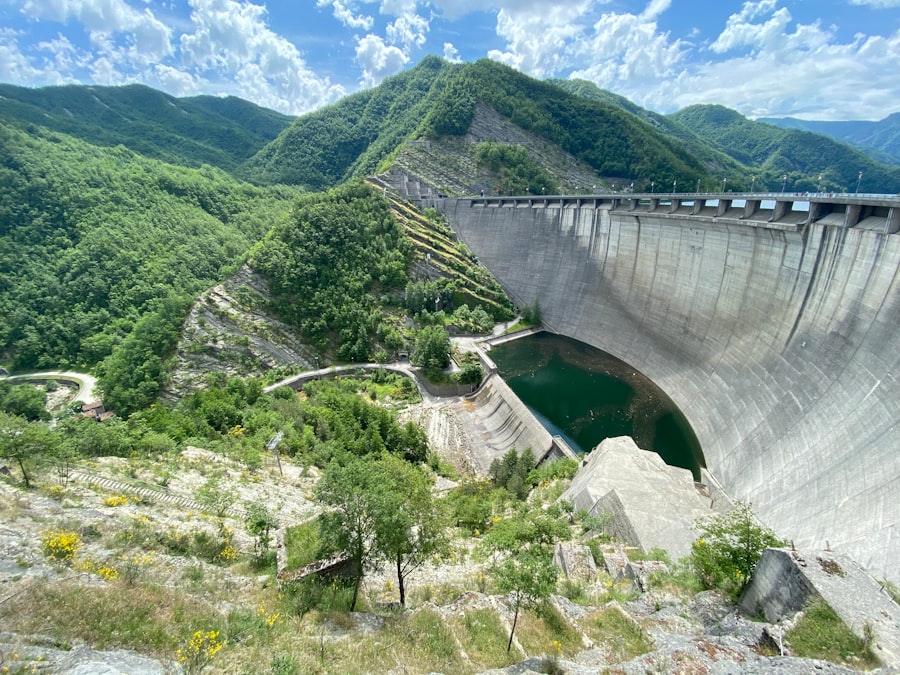
The human cost of the Three Gorges Dam is perhaps one of its most tragic aspects. The project necessitated the relocation of over 1.3 million people, many of whom had lived in their communities for generations. Families were uprooted from their homes, often with little compensation or support to help them rebuild their lives elsewhere.
The psychological toll on these individuals cannot be overstated; many experienced feelings of loss and dislocation as they were forced to leave behind not only their homes but also their cultural heritage. In addition to physical displacement, the dam’s construction disrupted social networks and community cohesion. Many relocated individuals found themselves in unfamiliar environments where they struggled to adapt to new social dynamics and economic conditions.
The government attempted to provide resettlement programs, but these efforts often fell short of addressing the complex needs of displaced populations. As a result, many former residents faced ongoing challenges related to poverty, unemployment, and social isolation, highlighting the often-overlooked human cost of such monumental infrastructure projects.
Dam Safety Concerns: Engineering Challenges and Risks
| Aspect | Metric/Value | Description | Engineering Challenge | Risk Level |
|---|---|---|---|---|
| Seepage Rate | 0.01 – 0.1 m³/s | Water leakage through dam foundation or body | Detecting and controlling seepage to prevent erosion | High |
| Structural Stress | Up to 250 MPa | Stress on dam materials due to water pressure and load | Material fatigue and cracking prevention | Medium |
| Spillway Capacity | 5000 – 15000 m³/s | Maximum water flow the spillway can safely handle | Designing for extreme flood events | Critical |
| Earthquake Resistance | Magnitude 7.0+ design basis | Ability to withstand seismic events | Seismic retrofitting and foundation strengthening | High |
| Age of Dam | 20 – 100+ years | Operational lifespan affecting material degradation | Maintenance and modernization challenges | Variable |
| Reservoir Sedimentation | Up to 50% capacity loss | Accumulation of sediments reducing storage volume | Regular dredging and sediment management | Medium |
| Instrumentation Monitoring | Continuous real-time data | Monitoring parameters like pressure, displacement, seepage | Integration of advanced sensors and data analysis | Essential |
While the Three Gorges Dam was celebrated for its engineering prowess, it has also raised significant safety concerns that continue to haunt its legacy. The sheer size of the dam presents unique challenges in terms of structural integrity and maintenance. Experts have warned that geological instability in the region poses risks to the dam’s safety, particularly in light of potential earthquakes or landslides.
The dam’s design must account for these natural threats, which adds layers of complexity to its ongoing management. Moreover, there are concerns about sediment buildup in the reservoir, which can affect water flow and increase pressure on the dam structure itself. As sediment accumulates, it can lead to reduced storage capacity and increased risk of flooding during heavy rainfall.
The management of these engineering challenges requires constant vigilance and investment in maintenance and upgrades. As climate change continues to alter weather patterns, the dam’s ability to withstand extreme conditions will be put to the test, raising questions about its long-term viability as a reliable source of energy and flood control.
Economic Benefits: Examining the Financial Impact
Despite the controversies surrounding its construction, the Three Gorges Dam has undeniably had a significant economic impact on China. As one of the largest hydroelectric power stations in the world, it generates an impressive amount of electricity—approximately 100 terawatt-hours annually—contributing to China’s energy security and reducing reliance on fossil fuels. This shift towards renewable energy sources aligns with global efforts to combat climate change and promote sustainable development.
Additionally, the dam has improved navigation along the Yangtze River, facilitating trade and transportation in a region that is vital for China’s economy. By allowing larger vessels to traverse upstream, it has opened new markets for goods and services while reducing shipping costs. However, while these economic benefits are substantial, they must be weighed against the social and environmental costs incurred during construction.
The Politics of Three Gorges Dam: Power, Control, and Influence
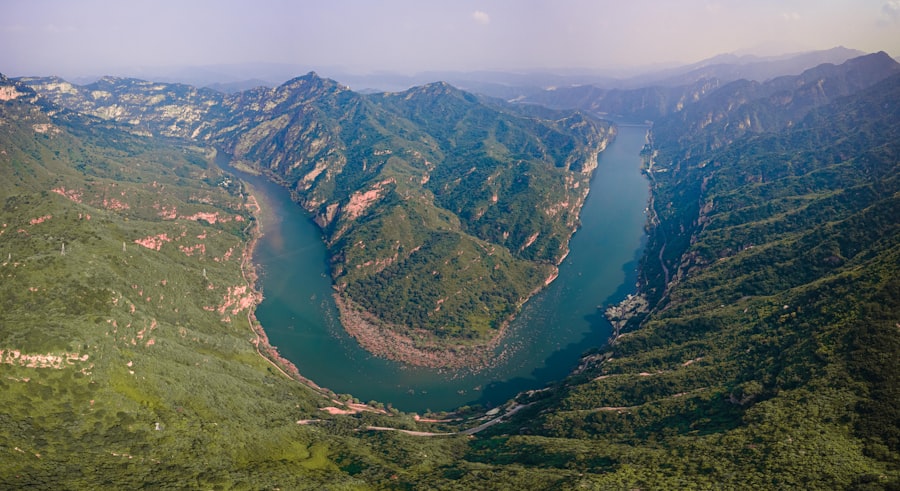
The Three Gorges Dam is not merely an engineering project; it is also a political symbol that reflects China’s ambitions on both domestic and international stages. The Chinese government has positioned the dam as a testament to its technological prowess and ability to undertake large-scale projects that can transform society. This narrative serves to bolster national pride while reinforcing the government’s legitimacy in managing complex issues such as energy production and flood control.
However, this political narrative is complicated by concerns over transparency and accountability. Critics argue that the government has prioritized economic growth over environmental protection and human rights, often silencing dissenting voices in favor of progress. The dam has become a focal point for discussions about governance in China—specifically regarding how decisions are made and who benefits from such monumental projects.
As global attention turns towards sustainable development practices, the political implications of the Three Gorges Dam will continue to resonate both within China and beyond its borders.
The Cultural Heritage Lost: Preserving History in the Face of Development
The construction of the Three Gorges Dam resulted in significant cultural losses as well as physical displacement. Numerous historical sites were submerged beneath the reservoir, erasing centuries of cultural heritage from existence. Temples, ancient towns, and archaeological sites that once told stories of China’s rich history were lost forever as water levels rose.
This loss has sparked outrage among historians and cultural preservationists who argue that such sacrifices should never be made lightly. Efforts have been made to document and preserve some aspects of this heritage before it was submerged; however, these initiatives often fell short due to time constraints and limited resources. The challenge remains: how can societies balance development with cultural preservation?
As nations around the world grapple with similar dilemmas in their own contexts, the experience of the Three Gorges Dam serves as a cautionary tale about what can be lost when progress is prioritized over history.
The Future of Three Gorges Dam: Sustainability and Long-Term Viability
Looking ahead, questions about the sustainability and long-term viability of the Three Gorges Dam loom large. As climate change continues to impact weather patterns globally, including increased rainfall and extreme weather events in China, the dam’s ability to manage these changes will be critical. Ongoing maintenance will be essential not only for ensuring safety but also for adapting to new environmental realities.
Moreover, there is a growing recognition that sustainable development must encompass more than just economic growth; it must also consider social equity and environmental stewardship. As China navigates its path forward, lessons learned from the Three Gorges Dam experience could inform future infrastructure projects both domestically and internationally. Striking a balance between progress and responsibility will be key to ensuring that such endeavors benefit all stakeholders involved.
Lessons Learned: What Can We Take Away from the Three Gorges Dam Experience?
The experience surrounding the Three Gorges Dam offers valuable lessons for future infrastructure projects worldwide. One key takeaway is the importance of comprehensive planning that considers not only technical feasibility but also social and environmental impacts. Engaging local communities in decision-making processes can help mitigate displacement issues while fostering a sense of ownership over development initiatives.
Additionally, transparency is crucial in managing public perception and trust regarding large-scale projects. Open dialogue about potential risks and benefits can help build consensus among stakeholders while addressing concerns before they escalate into conflict. Ultimately, learning from past mistakes can pave the way for more sustainable approaches to development that prioritize both progress and responsibility.
International Perspectives: Global Reactions and Implications
The Three Gorges Dam has drawn international attention not only for its scale but also for its implications on global environmental policy and infrastructure development practices. While some countries view it as a model for renewable energy generation, others criticize it as an example of prioritizing economic growth over ecological sustainability. This dichotomy reflects broader debates about how nations approach development in an era marked by climate change.
International organizations have also weighed in on the dam’s impact on biodiversity loss and human rights violations associated with forced displacement. These discussions highlight a growing recognition that infrastructure projects must align with global sustainability goals if they are to be deemed acceptable by international standards.
Uncovering the Truth: Challenging Narratives and Seeking Transparency
In light of ongoing debates surrounding the Three Gorges Dam, there is an urgent need for transparency regarding its impacts—both positive and negative. Challenging dominant narratives about progress requires an honest assessment of what has been gained versus what has been lost throughout this monumental undertaking. By uncovering truths about displacement experiences, environmental degradation, and cultural losses associated with large-scale projects like this one, stakeholders can better understand how to navigate future endeavors responsibly.
Moreover, fostering open dialogue among diverse perspectives can help bridge divides between proponents and critics alike while promoting collaborative solutions moving forward. As societies continue to confront complex challenges related to infrastructure development amidst climate change pressures globally, embracing transparency will be essential for building trust among stakeholders while ensuring accountability for past actions taken in pursuit of progress.
The Three Gorges Dam, often hailed as a marvel of modern engineering, has been the subject of much debate regarding its environmental and social impacts. A related article that delves into the hidden truths surrounding this colossal structure can be found at this link. It explores the lesser-known consequences of the dam’s construction, including displacement of local communities and ecological disruptions, providing a more nuanced understanding of its legacy.
WATCH THIS! The $30 Billion Lie: Why China’s Three Gorges Dam Will Fail Sooner Than You Think
FAQs
What is the Three Gorges Dam?
The Three Gorges Dam is a hydroelectric gravity dam located on the Yangtze River in Hubei Province, China. It is the world’s largest power station in terms of installed capacity.
When was the Three Gorges Dam constructed?
Construction of the Three Gorges Dam began in 1994 and was completed in 2012, with the power plant becoming fully operational by 2012.
What are the main purposes of the Three Gorges Dam?
The dam serves multiple purposes including flood control, hydroelectric power generation, improved river navigation, and water supply.
What environmental impacts has the Three Gorges Dam caused?
The dam has led to significant ecological changes, including habitat loss, changes in sediment flow, and impacts on aquatic species. It has also contributed to increased landslide risks in some areas.
How has the Three Gorges Dam affected local communities?
The construction of the dam required the relocation of over a million people due to the flooding of large areas upstream. This resettlement has had social and economic impacts on affected populations.
Are there any controversies associated with the Three Gorges Dam?
Yes, controversies include environmental concerns, displacement of residents, cultural heritage loss, and debates over the dam’s long-term sustainability and safety.
What measures have been taken to address the dam’s negative impacts?
The Chinese government has implemented resettlement programs, environmental monitoring, and engineering measures to mitigate landslides and ecological damage, though challenges remain.
Is the Three Gorges Dam considered safe?
The dam is designed to withstand earthquakes and floods typical of the region. However, concerns about geological stability and sediment buildup continue to be monitored by experts.
How much electricity does the Three Gorges Dam generate?
The dam has an installed capacity of 22,500 megawatts and generates approximately 100 terawatt-hours of electricity annually, supplying power to millions of homes.
What is the significance of the Three Gorges Dam globally?
The dam is a landmark in engineering and renewable energy, representing one of the largest hydroelectric projects worldwide and playing a key role in China’s energy strategy.