
Water hammer is a phenomenon that occurs in plumbing systems when a fluid in motion is forced to stop or change direction suddenly. This abrupt change creates a shockwave that travels through the pipes, resulting in a loud banging or knocking noise. The term “water hammer” aptly describes the sound, which resembles a hammer striking an anvil.
This issue is not merely an annoyance; it can lead to significant problems within a plumbing system if left unaddressed. The noise is often most pronounced when a valve closes quickly, causing the water to slam against the closed valve, creating pressure fluctuations that reverberate through the pipes. The mechanics of water hammer can be understood through basic principles of fluid dynamics.
When water flows through pipes at high velocity and encounters a sudden obstruction, the kinetic energy of the moving water is converted into pressure energy. This pressure surge can create vibrations that resonate throughout the plumbing system, leading to the characteristic banging sound. While water hammer is commonly associated with residential plumbing, it can also occur in industrial settings where large volumes of water are transported through extensive piping networks.
Key Takeaways
- Water hammer is a pressure surge caused by sudden changes in water flow within pipes.
- Common causes include rapid valve closures and high water velocity.
- Effects include pipe noise, vibrations, and potential damage like leaks or bursts.
- Preventative measures involve installing water hammer arrestors and maintaining proper water pressure.
- Ignoring water hammer can lead to costly plumbing repairs and system failures over time.
Causes of Water Hammer
Several factors contribute to the occurrence of water hammer in plumbing systems. One of the primary causes is the rapid closure of valves, particularly in appliances such as washing machines and dishwashers. When these devices shut off water flow abruptly, the sudden stop generates a shockwave that travels back through the pipes.
Additionally, high water pressure within the system can exacerbate the problem, as it increases the velocity of water flow and amplifies the impact when flow is suddenly halted. Another significant factor is the presence of air chambers or inadequate pipe support. Air chambers are designed to absorb shock waves and mitigate the effects of water hammer; however, if they become waterlogged or fail to function properly, they lose their effectiveness.
Similarly, poorly supported pipes can vibrate excessively when subjected to pressure changes, leading to increased noise and potential damage. Understanding these causes is crucial for homeowners and property managers seeking to address and prevent water hammer issues.
Effects of Water Hammer on Pipes
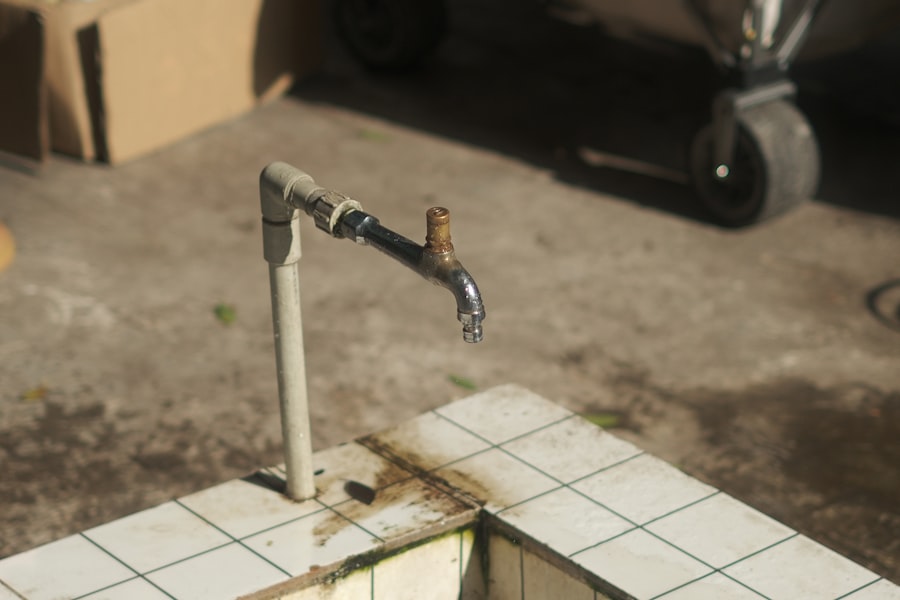
The effects of water hammer on plumbing pipes can be severe and far-reaching. Over time, the repeated pressure surges caused by water hammer can lead to physical damage to the pipes themselves. This damage may manifest as cracks, leaks, or even complete pipe failure.
The materials used in plumbing systems, such as copper, PVC, or galvanized steel, can all be affected differently by the stresses imposed by water hammer. For instance, copper pipes may develop pinhole leaks due to the constant vibration and movement, while PVC pipes may become brittle and crack under similar conditions. In addition to damaging the pipes, water hammer can also affect other components of a plumbing system.
Fixtures such as faucets and valves may wear out more quickly due to the increased stress from pressure fluctuations. Furthermore, appliances connected to the plumbing system may experience reduced efficiency or even failure if subjected to continuous water hammer conditions. The cumulative effects of these issues can lead to costly repairs and replacements, making it essential for homeowners to address water hammer promptly.
Signs of Water Hammer Damage
| Sign of Water Hammer Damage | Description | Common Location | Potential Impact |
|---|---|---|---|
| Loud Banging Noise | Sudden loud knocking or banging sounds in pipes when valves close quickly. | Near valves, faucets, or appliances | Indicates pressure surges that can damage pipes and fittings. |
| Pipe Vibrations | Shaking or vibrating pipes during water flow changes. | Throughout plumbing system | Can loosen pipe supports and joints, leading to leaks. |
| Visible Pipe Damage | Dents, cracks, or corrosion on pipes caused by repeated pressure shocks. | Accessible pipe sections | May cause leaks or pipe bursts if untreated. |
| Leaking Joints or Fittings | Water dripping from pipe connections due to stress from water hammer. | Pipe joints and fittings | Leads to water damage and increased repair costs. |
| Reduced Appliance Lifespan | Premature wear or failure of appliances like washing machines or dishwashers. | Connected appliances | Increased maintenance and replacement expenses. |
| Pressure Gauge Fluctuations | Rapid changes in water pressure readings during valve operation. | Near pressure monitoring points | Indicates unstable water pressure that can damage plumbing. |
Identifying signs of water hammer damage is crucial for homeowners who wish to maintain their plumbing systems effectively. One of the most obvious indicators is the presence of loud banging noises when faucets are turned off or when appliances shut down. These sounds are often accompanied by vibrations felt in the walls or floors near the affected pipes.
Homeowners may also notice that certain fixtures leak or operate erratically due to the stress caused by water hammer. In addition to auditory and tactile signs, visual indicators may also suggest water hammer damage. Homeowners should be vigilant for signs of leaks around joints and fittings, as well as any corrosion or rust on exposed pipes.
If any sections of piping appear misaligned or sagging, this could indicate that they are not adequately supported and may be more susceptible to damage from water hammer. Recognizing these signs early can help prevent more extensive damage and costly repairs down the line.
Common Areas Affected by Water Hammer
Water hammer can affect various areas within a home or building, but certain locations are more prone to this issue than others. One common area is near appliances that use large volumes of water, such as washing machines and dishwashers. These devices often have valves that close quickly, making them prime candidates for generating water hammer effects.
Another common location for water hammer issues is in older homes with outdated plumbing systems. In these cases, the materials used may not be able to withstand the pressures generated by modern appliances and fixtures.
Furthermore, homes with high water pressure are at an increased risk for experiencing water hammer effects throughout their plumbing systems. Homeowners should pay particular attention to these areas and consider implementing preventive measures to mitigate potential damage.
Risks of Ignoring Water Hammer Damage

Ignoring water hammer damage poses significant risks for homeowners and property managers alike. One of the most immediate concerns is the potential for pipe failure, which can lead to extensive water damage within a property. A burst pipe can result in flooding, mold growth, and structural damage that may require costly repairs and remediation efforts.
Additionally, ongoing leaks caused by water hammer can contribute to increased utility bills as water escapes from compromised pipes. Beyond physical damage, neglecting water hammer issues can also lead to decreased efficiency in plumbing systems and appliances. Fixtures may wear out more quickly due to constant stress from pressure fluctuations, leading to frequent replacements and repairs.
Over time, this can add up to substantial costs for homeowners who fail to address the underlying causes of water hammer. Therefore, it is essential for property owners to take proactive measures in identifying and resolving any signs of this issue.
Preventing Water Hammer
Preventing water hammer requires a combination of proper plumbing practices and regular maintenance. One effective strategy is to install air chambers or shock absorbers in the plumbing system. These devices act as cushions that absorb pressure surges when valves close suddenly, reducing the impact on pipes and minimizing noise.
Homeowners should also ensure that their plumbing systems are equipped with pressure-reducing valves if they experience consistently high water pressure. Another preventive measure involves securing pipes with adequate supports and hangers. Loose or unsupported pipes are more likely to vibrate and create noise when subjected to pressure changes.
By ensuring that all pipes are properly anchored and supported, homeowners can significantly reduce the risk of water hammer occurring in their systems.
Repairing Water Hammer Damage
Repairing water hammer damage often involves a combination of immediate fixes and long-term solutions. For minor issues such as loose fittings or small leaks, homeowners may be able to make simple repairs themselves using basic tools and materials. Tightening connections or replacing worn-out washers can often resolve minor leaks caused by water hammer effects.
For more extensive damage, such as cracked pipes or significant leaks, professional assistance may be necessary. A licensed plumber can assess the situation and recommend appropriate repairs or replacements based on the severity of the damage. In some cases, it may be necessary to replace entire sections of piping or install additional supports to prevent future occurrences of water hammer.
Professional Help for Water Hammer Issues
When dealing with persistent or severe water hammer issues, seeking professional help is often the best course of action. Licensed plumbers possess the expertise and tools necessary to diagnose problems accurately and implement effective solutions. They can conduct thorough inspections of plumbing systems to identify underlying causes of water hammer and recommend appropriate interventions.
In addition to repairs, professional plumbers can provide valuable advice on preventive measures that homeowners can take to mitigate future risks associated with water hammer. This guidance may include recommendations for installing air chambers or adjusting water pressure settings within the home’s plumbing system. By enlisting professional help, homeowners can ensure that their plumbing systems remain in optimal condition while minimizing potential risks associated with water hammer.
Impact of Water Hammer on Plumbing Systems
The impact of water hammer on plumbing systems extends beyond mere noise; it can have profound implications for overall system performance and longevity. The repeated stress caused by pressure surges can weaken pipe materials over time, leading to premature failures that necessitate costly repairs or replacements. Additionally, fixtures such as faucets and valves may experience accelerated wear due to constant exposure to shock waves generated by water hammer.
Moreover, ongoing issues with water hammer can disrupt daily activities within a household or commercial setting. Loud banging noises can be disruptive and embarrassing during social gatherings or business operations, detracting from comfort and productivity levels. Therefore, addressing water hammer promptly not only protects physical assets but also enhances overall quality of life for occupants.
Long-term Solutions for Water Hammer
Long-term solutions for addressing water hammer involve a combination of proactive measures and ongoing maintenance practices. Homeowners should consider investing in high-quality plumbing materials designed to withstand pressure fluctuations better than standard options. Upgrading older piping systems with modern materials such as PEX or flexible tubing can significantly reduce susceptibility to damage from water hammer.
Additionally, regular maintenance checks conducted by licensed professionals can help identify potential issues before they escalate into significant problems. Implementing routine inspections allows homeowners to stay ahead of any developing concerns related to their plumbing systems while ensuring optimal performance over time. By taking these steps toward prevention and maintenance, property owners can effectively mitigate risks associated with water hammer while extending the lifespan of their plumbing infrastructure.
Water hammer is a phenomenon that can cause significant damage to plumbing systems, often resulting in costly repairs. For a deeper understanding of this issue, you can refer to the article on water hammer pipe damage explained in detail. This resource provides insights into the causes, effects, and preventive measures to mitigate the risks associated with water hammer. To learn more, visit this article.
WATCH THIS! The $100 Billion Lie: America’s Water System Is About to Poison Every Major City
FAQs
What is water hammer in pipes?
Water hammer is a pressure surge or wave caused when a fluid in motion is forced to stop or change direction suddenly. This typically happens when a valve closes quickly, causing a shockwave that can damage pipes and fittings.
How does water hammer cause pipe damage?
The sudden pressure increase from water hammer can cause pipes to vibrate, loosen joints, crack, or even burst. Repeated water hammer events weaken the pipe material over time, leading to leaks or failures.
What are common signs of water hammer damage?
Common signs include loud banging noises in the pipes, visible pipe movement, leaking joints, and in severe cases, cracks or bursts in the pipework.
Which types of pipes are most susceptible to water hammer damage?
All types of pipes can be affected, but older metal pipes and poorly supported piping systems are more vulnerable. Plastic pipes may flex more but can still suffer damage from repeated pressure surges.
How can water hammer be prevented?
Prevention methods include installing water hammer arrestors, using slow-closing valves, securing pipes properly, and maintaining appropriate water pressure levels.
Is water hammer dangerous to household plumbing?
Yes, water hammer can cause significant damage to household plumbing, leading to costly repairs and potential water damage if pipes burst or leak.
Can water hammer damage be repaired?
Yes, damaged pipes can often be repaired or replaced. Additionally, installing devices to mitigate water hammer can prevent future damage.
What role do air chambers play in controlling water hammer?
Air chambers act as cushions by absorbing the shock wave caused by sudden valve closures, reducing the impact of water hammer on pipes.
Does water hammer affect water heaters and appliances?
Yes, water hammer can cause damage to water heaters, washing machines, and other appliances connected to the plumbing system by creating pressure surges that stress internal components.
When should a professional plumber be consulted about water hammer?
If loud banging noises persist, or if there are signs of pipe damage such as leaks or visible movement, it is advisable to consult a professional plumber to assess and address the issue.