
Water infrastructure is a critical component of modern society, serving as the backbone for public health, economic development, and environmental sustainability. Adequate funding for water infrastructure ensures that communities have access to clean drinking water, effective wastewater management, and resilient stormwater systems. Without proper investment, aging pipes can lead to contamination, service disruptions, and increased health risks.
The importance of water infrastructure funding cannot be overstated; it is essential for maintaining the quality of life and ensuring the well-being of populations. Moreover, the economic implications of water infrastructure funding extend beyond immediate health concerns. Well-maintained water systems can stimulate local economies by attracting businesses and creating jobs.
Conversely, neglecting these systems can lead to costly repairs and economic losses. Communities that invest in their water infrastructure are often more resilient to climate change and natural disasters, as they can better manage water resources and mitigate flooding. Thus, the significance of funding for water infrastructure is multifaceted, encompassing health, economic stability, and environmental resilience.
Key Takeaways
- Adequate funding for water infrastructure is crucial for public health and economic stability.
- Political decisions and will significantly influence the allocation and effectiveness of water infrastructure funding.
- Securing funding faces challenges from competing interests, budget constraints, and political barriers.
- Government agencies and public-private partnerships play key roles in managing and financing water infrastructure projects.
- Environmental justice and public opinion increasingly shape policies and priorities in water infrastructure funding.
The Impact of Political Decisions on Water Infrastructure
Political decisions play a pivotal role in shaping the landscape of water infrastructure funding. Policymakers at various levels of government determine budget allocations, prioritize projects, and establish regulations that govern water systems. These decisions can either facilitate or hinder the development and maintenance of essential water infrastructure.
For instance, when political leaders prioritize infrastructure investment, it can lead to significant improvements in service delivery and public health outcomes. Conversely, when funding is cut or mismanaged, communities may suffer from deteriorating water quality and inadequate services. Additionally, political ideologies often influence how water infrastructure is perceived and funded.
In some regions, there may be a strong emphasis on privatization and market-driven solutions, while others may advocate for public ownership and investment. These differing perspectives can create tension in policy discussions and impact the allocation of resources. Ultimately, the political climate surrounding water infrastructure funding can significantly affect the quality and reliability of water services that communities receive.
Challenges in Securing Funding for Water Infrastructure Projects

Securing funding for water infrastructure projects presents numerous challenges that can impede progress. One major obstacle is the competition for limited financial resources among various sectors. As governments face budget constraints, they must prioritize spending across education, healthcare, transportation, and other critical areas.
This competition often leaves water infrastructure projects underfunded or overlooked entirely, despite their essential nature. Another challenge lies in the complexity of funding mechanisms. Water infrastructure projects often require a combination of federal, state, and local funding sources, which can complicate the financing process.
Navigating these various funding streams requires expertise and coordination among multiple stakeholders, including government agencies, private entities, and community organizations. This complexity can lead to delays in project implementation and increased costs, further discouraging investment in necessary infrastructure improvements.
The Role of Government Agencies in Water Infrastructure Funding
| Government Agency | Type of Funding | Annual Budget Allocation (in millions) | Primary Focus Area | Recent Projects Funded |
|---|---|---|---|---|
| Environmental Protection Agency (EPA) | Grants and Loans | 2500 | Water Quality and Treatment Facilities | Clean Water State Revolving Fund, Drinking Water State Revolving Fund |
| Department of Agriculture (USDA) | Loans and Grants | 800 | Rural Water Infrastructure | Rural Utilities Service Water and Waste Disposal Program |
| Department of the Interior (DOI) | Grants and Technical Assistance | 400 | Water Resource Management and Conservation | WaterSMART Program |
| Federal Emergency Management Agency (FEMA) | Disaster Relief Funding | 600 | Infrastructure Resilience and Recovery | Hazard Mitigation Grant Program |
| State Water Agencies | State Grants and Bonds | Varies by State | Local Water Infrastructure Projects | State Revolving Funds, Infrastructure Bonds |
Government agencies play a crucial role in facilitating water infrastructure funding through various programs and initiatives. At the federal level, agencies such as the Environmental Protection Agency (EPA) provide grants and low-interest loans to support water projects across the country. These funds are often essential for communities that lack the financial resources to undertake significant infrastructure improvements on their own.
By offering financial assistance, government agencies help bridge the funding gap and promote equitable access to clean water. In addition to financial support, government agencies also provide technical assistance and guidance to local governments and organizations involved in water infrastructure projects. This support can include training on best practices for project management, regulatory compliance, and community engagement.
By equipping stakeholders with the necessary tools and knowledge, government agencies enhance the likelihood of successful project implementation and long-term sustainability.
The Influence of Special Interest Groups on Water Infrastructure Funding
Special interest groups wield considerable influence over water infrastructure funding decisions through lobbying efforts and advocacy campaigns. These groups may represent various stakeholders, including environmental organizations, industry associations, and community advocacy groups. Their interests can shape policy discussions and funding priorities at both local and national levels.
For instance, environmental organizations often advocate for sustainable water management practices and increased funding for green infrastructure projects. Their efforts can lead to greater awareness of environmental issues related to water quality and availability. Conversely, industry groups may lobby for policies that favor privatization or deregulation of water services.
The competing interests of these groups can create a complex landscape for policymakers as they navigate the challenges of balancing economic growth with environmental protection.
The Role of Public-Private Partnerships in Water Infrastructure Funding
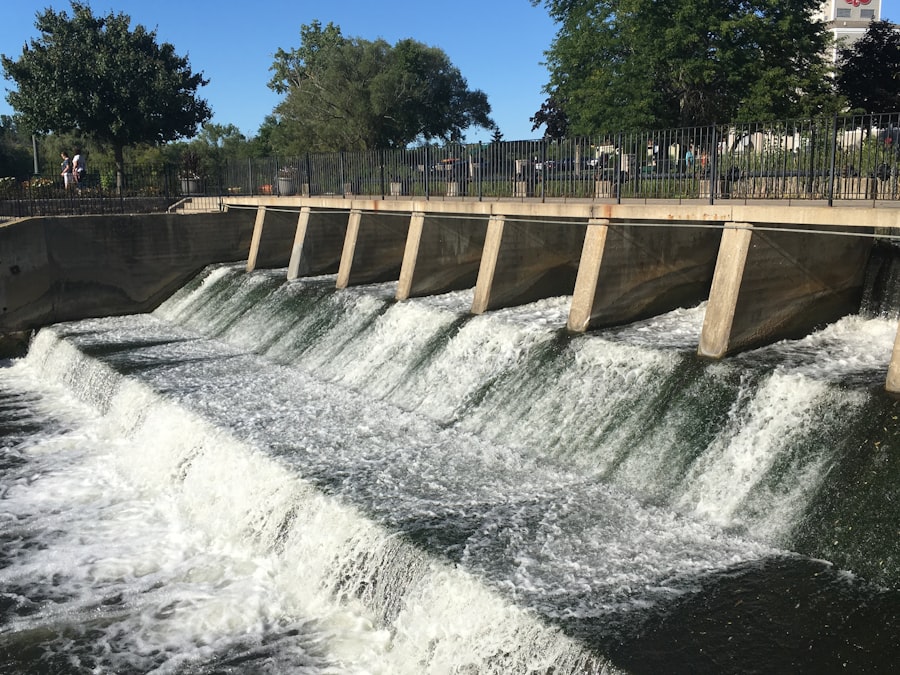
Public-private partnerships (PPPs) have emerged as a viable solution for addressing funding challenges in water infrastructure projects. These collaborations between government entities and private companies can leverage resources, expertise, and innovation to enhance service delivery and project efficiency. By pooling financial resources from both sectors, PPPs can facilitate large-scale infrastructure improvements that might otherwise be unattainable.
Moreover, PPPs can introduce new technologies and management practices that improve the sustainability and resilience of water systems. Private companies often bring specialized knowledge and experience that can enhance project outcomes. However, it is essential for public entities to carefully structure these partnerships to ensure accountability and protect public interests.
When executed effectively, PPPs can serve as a powerful tool for advancing water infrastructure funding while fostering collaboration between the public and private sectors.
The Impact of Environmental and Social Justice Factors on Water Infrastructure Funding
Environmental and social justice considerations are increasingly influencing water infrastructure funding decisions. Marginalized communities often face disproportionate challenges related to access to clean water and adequate sanitation services. As awareness of these disparities grows, there is a push for equitable funding practices that prioritize investments in underserved areas.
Funding initiatives that incorporate social justice principles aim to address historical inequities by directing resources toward communities that have been historically neglected or marginalized. This approach not only improves access to essential services but also empowers communities to participate in decision-making processes related to their water systems. By integrating environmental justice into funding strategies, policymakers can work toward creating a more equitable distribution of resources that benefits all members of society.
The Role of Political Will in Addressing Water Infrastructure Funding Challenges
Political will is a critical factor in overcoming challenges related to water infrastructure funding. Elected officials must prioritize water issues on their agendas and commit to securing necessary resources for infrastructure improvements. When political leaders demonstrate a genuine commitment to addressing these challenges, it can galvanize support from stakeholders across various sectors.
Building political will often requires raising public awareness about the importance of investing in water infrastructure. Engaging constituents through education campaigns and community forums can help create a sense of urgency around these issues. When voters recognize the direct impact of water infrastructure on their lives, they are more likely to advocate for policies that support funding initiatives.
Ultimately, strong political will is essential for driving meaningful change in water infrastructure funding practices.
Strategies for Overcoming Political Barriers to Water Infrastructure Funding
Overcoming political barriers to water infrastructure funding necessitates strategic approaches that engage diverse stakeholders and foster collaboration. One effective strategy is building coalitions among community organizations, advocacy groups, and local governments to amplify their collective voice in advocating for funding priorities. By presenting a united front, these coalitions can exert greater influence on policymakers and demonstrate widespread support for necessary investments.
Additionally, leveraging data-driven arguments can strengthen advocacy efforts by highlighting the economic benefits of investing in water infrastructure. Presenting evidence on cost savings associated with proactive maintenance versus reactive repairs can resonate with policymakers focused on fiscal responsibility. Furthermore, showcasing successful case studies from other regions can provide tangible examples of how effective funding strategies have led to improved outcomes.
The Role of Public Opinion in Shaping Water Infrastructure Funding Policies
Public opinion plays a significant role in shaping policies related to water infrastructure funding.
Engaging the public through outreach efforts can help raise awareness about the importance of investing in water systems and mobilize support for necessary funding initiatives.
Moreover, public opinion can influence political discourse surrounding water infrastructure by framing it as a critical issue tied to health equity and environmental sustainability. As communities become more informed about the implications of inadequate funding for water systems, they may demand accountability from their leaders. This shift in public sentiment can create pressure on policymakers to take action and allocate resources toward improving water infrastructure.
The Future of Water Infrastructure Funding in the Political Landscape
The future of water infrastructure funding will likely be shaped by evolving political dynamics and emerging challenges related to climate change and population growth. As communities grapple with increasing demands on their water systems, there will be a pressing need for innovative funding solutions that address both current needs and future uncertainties. In this context, collaboration among government agencies, private entities, and community organizations will be essential for developing sustainable funding models that prioritize resilience and equity.
Additionally, as public awareness grows regarding the importance of clean water access as a fundamental human right, there may be increased pressure on policymakers to prioritize investments in water infrastructure as part of broader social justice initiatives. Ultimately, navigating the complexities of water infrastructure funding will require a concerted effort from all stakeholders involved—ensuring that future generations have access to safe and reliable water resources while addressing the pressing challenges posed by climate change and social inequities.
The politics of water infrastructure funding is a critical issue that affects communities across the nation, as highlighted in a recent article discussing the challenges and opportunities in securing financial resources for essential projects.