
America’s infrastructure, once a symbol of progress and innovation, now stands as a testament to neglect and decay. Over the years, the nation has witnessed a gradual deterioration of its roads, bridges, public transportation systems, and utilities. This decline not only hampers daily life for millions of citizens but also poses significant challenges to economic growth and environmental sustainability.
As the country grapples with these pressing issues, it becomes increasingly clear that a comprehensive approach is necessary to revitalize and modernize the infrastructure that underpins American society. The urgency of addressing America’s infrastructure crisis cannot be overstated. With an estimated investment gap of trillions of dollars needed to bring systems up to par, the stakes are high.
The American Society of Civil Engineers (ASCE) regularly issues reports highlighting the state of various infrastructure components, often assigning them low grades that reflect their deteriorating conditions. This article will explore the multifaceted challenges posed by failing infrastructure, the economic implications, and the potential solutions that could pave the way for a more resilient future.
Key Takeaways
- America’s infrastructure is aging and deteriorating, affecting roads, bridges, and public transportation.
- Failing water and sewer systems pose significant health and environmental risks.
- Infrastructure failures have serious economic impacts and increase human costs.
- Government action and innovative solutions are crucial to address these challenges.
- Investing in infrastructure is essential for a sustainable and prosperous future.
The Deterioration of Roads and Bridges
The condition of roads and bridges across the United States has reached alarming levels. Many highways are riddled with potholes, while bridges are often deemed structurally deficient or functionally obsolete. According to ASCE, nearly 40% of America’s roads are in poor or mediocre condition, leading to increased vehicle maintenance costs and safety hazards for drivers.
The consequences of this deterioration extend beyond mere inconvenience; they can result in accidents, injuries, and even fatalities. Bridges, too, present a significant concern. Thousands of bridges across the nation are classified as structurally deficient, meaning they require immediate attention to ensure safety.
The failure of a single bridge can disrupt entire communities and economies, as seen in past incidents where bridge collapses have led to tragic loss of life and extensive property damage. The need for investment in repairing and replacing these critical structures is urgent, as they serve as vital arteries for commerce and transportation.
The Failing Public Transportation System
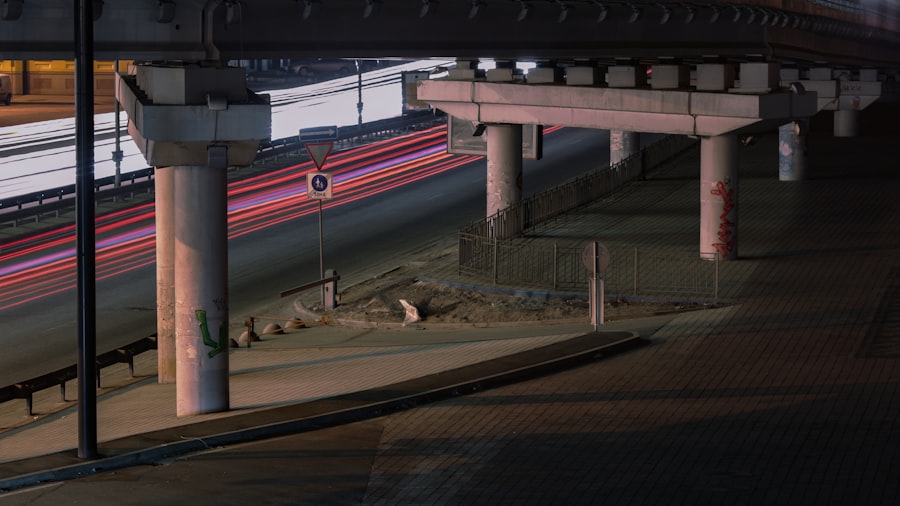
Public transportation systems in America are struggling to meet the needs of an increasingly urbanized population. Many cities face overcrowded buses and trains, outdated facilities, and insufficient funding for maintenance and expansion. As a result, commuters often experience delays and unreliable service, which can discourage people from using public transit altogether.
This situation not only affects individual travelers but also contributes to increased traffic congestion and pollution.
When public transit fails to provide reliable options, it exacerbates social inequalities and limits opportunities for those who cannot afford private vehicles.
Addressing these challenges requires a concerted effort to modernize transit systems, improve accessibility, and ensure that public transportation is a viable option for all citizens.
The Struggle with Aging Water and Sewer Systems
| Metric | Value | Unit | Notes |
|---|---|---|---|
| Average Age of Water Pipes | 45 | Years | Many pipes exceed their expected lifespan |
| Annual Water Main Breaks | 240,000 | Incidents | Estimated number in the United States |
| Percentage of Lead Pipes | 6 | Percent | Estimated portion of US water systems still using lead pipes |
| Average Age of Sewer Pipes | 50 | Years | Many systems are beyond design life |
| Annual Sewer Overflows | 23,000 | Incidents | Reported combined sewer overflow events in the US |
| Percentage of Water Lost to Leaks | 14 | Percent | Average water loss due to aging infrastructure |
| Estimated Replacement Cost | 1.2 | Trillion | Cost to replace aging water and sewer systems in the US |
| Average Repair Time for Water Main Break | 6 | Hours | Time to restore service after a break |
America’s water and sewer systems are facing a crisis of their own. Many municipalities are grappling with aging infrastructure that is prone to leaks, contamination, and failure. The American Water Works Association estimates that the nation will need to invest over $1 trillion in water infrastructure over the next two decades to address these issues.
Aging pipes can lead to significant water loss and increased costs for consumers while also posing health risks due to potential contamination. In addition to the physical deterioration of water systems, the challenges of managing stormwater runoff have become increasingly pressing in the face of climate change. Many cities are ill-equipped to handle heavy rainfall events, leading to flooding and overwhelmed sewer systems.
This not only disrupts daily life but also poses serious environmental risks as untreated sewage can contaminate local waterways. A comprehensive approach to upgrading water and sewer systems is essential for ensuring public health and environmental protection.
The Impact of Failing Infrastructure on the Economy
The economic implications of failing infrastructure are profound. Poorly maintained roads and bridges can lead to increased transportation costs for businesses, affecting supply chains and ultimately driving up prices for consumers. According to estimates from various economic studies, the United States loses billions of dollars annually due to traffic congestion alone, which is exacerbated by inadequate infrastructure.
This inefficiency stifles economic growth and competitiveness on both national and global scales. Moreover, the lack of reliable public transportation options can hinder workforce mobility, making it difficult for individuals to access job opportunities. In regions where infrastructure is particularly lacking, businesses may struggle to attract talent or may even choose to relocate to areas with better facilities.
This cycle of decline can create a ripple effect throughout local economies, leading to job losses and reduced investment in communities that desperately need revitalization.
Environmental Consequences of Crumbling Infrastructure
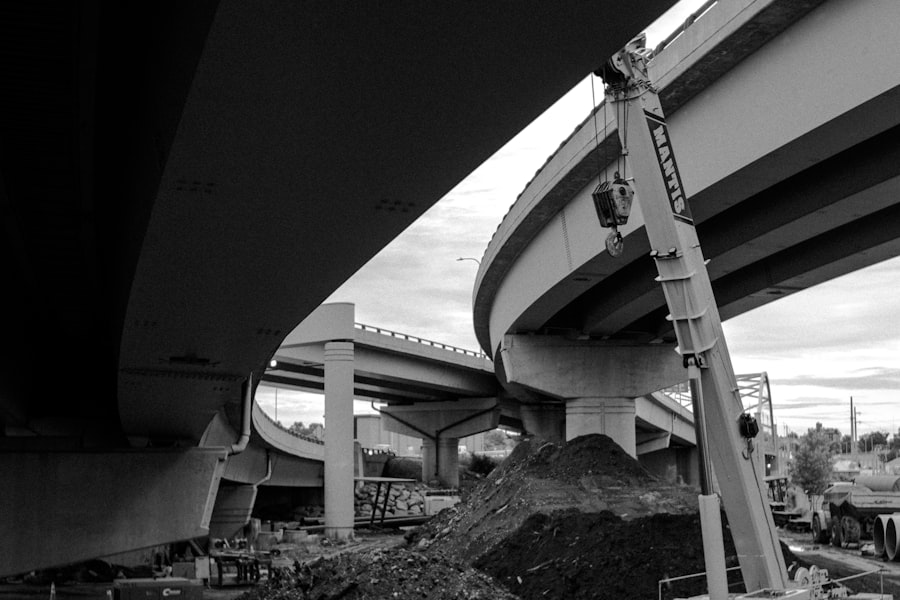
The environmental consequences of crumbling infrastructure are becoming increasingly evident as climate change intensifies. Aging water systems can lead to contamination of drinking water supplies, while poorly designed stormwater management systems contribute to flooding and pollution in local waterways. The failure to address these issues not only threatens public health but also undermines efforts to protect natural ecosystems.
Additionally, transportation infrastructure that encourages car dependency contributes significantly to greenhouse gas emissions. As cities expand without adequate public transit options or pedestrian-friendly designs, reliance on personal vehicles increases, exacerbating air quality issues and climate change impacts. Investing in sustainable infrastructure solutions—such as green transportation options and resilient water management systems—can help mitigate these environmental challenges while promoting a healthier planet.
The Role of Government in Addressing Infrastructure Failures
Government plays a crucial role in addressing the myriad challenges posed by failing infrastructure. Federal, state, and local agencies must collaborate to develop comprehensive plans that prioritize investment in critical systems. This includes not only funding for repairs and upgrades but also innovative policies that encourage sustainable practices and equitable access to services.
In recent years, there have been efforts at various levels of government to address infrastructure needs through legislation and funding initiatives. However, these efforts often fall short due to political gridlock or insufficient resources. A renewed commitment from policymakers is essential for ensuring that infrastructure projects receive the attention they deserve.
By prioritizing infrastructure investment as a national imperative, government leaders can help pave the way for a more resilient future.
The Human Cost of Infrastructure Failures
The human cost of failing infrastructure is often overlooked in discussions about economic impacts or environmental consequences. When roads are unsafe or public transportation is unreliable, individuals face daily challenges that can affect their quality of life. Accidents caused by poor road conditions can lead to injuries or fatalities, while inadequate access to public transit can limit opportunities for education and employment.
Moreover, communities that suffer from aging water systems may experience health crises due to contaminated drinking water or inadequate sanitation services. These issues disproportionately affect vulnerable populations, including low-income families and marginalized communities who may lack the resources to advocate for change. Recognizing the human toll of infrastructure failures is essential for fostering empathy and urgency in addressing these critical issues.
Innovations and Solutions for Improving Infrastructure
Despite the daunting challenges posed by failing infrastructure, there are numerous innovations and solutions on the horizon that hold promise for revitalization efforts. Advances in technology—such as smart sensors for monitoring structural integrity—can help identify issues before they become critical failures. Additionally, sustainable design practices can lead to more resilient infrastructure that better withstands climate impacts.
Public-private partnerships have also emerged as a viable strategy for funding infrastructure projects. By leveraging private investment alongside public resources, communities can accelerate improvements while sharing risks and rewards. Furthermore, community engagement in planning processes ensures that projects align with local needs and priorities, fostering greater support for necessary changes.
The Importance of Investing in Infrastructure for the Future
Investing in infrastructure is not merely about repairing what is broken; it is about building a foundation for future growth and sustainability. As America faces unprecedented challenges—from climate change to population growth—the need for modernized infrastructure becomes increasingly critical. By prioritizing investment in roads, bridges, public transit, water systems, and more, the nation can create a more resilient economy while enhancing quality of life for all citizens.
Moreover, investing in infrastructure has far-reaching benefits beyond immediate repairs. It creates jobs, stimulates economic activity, and fosters innovation in construction and engineering practices. A commitment to building a robust infrastructure system is an investment in the future—a future where communities thrive, economies flourish, and citizens enjoy safe and reliable services.
The Urgency of Addressing America’s Infrastructure Crisis
The state of America’s infrastructure presents a complex web of challenges that demand urgent attention from all sectors of society. From deteriorating roads and bridges to failing public transportation systems and aging water utilities, the consequences of neglect are far-reaching and profound. As the nation grapples with these issues, it becomes increasingly clear that comprehensive solutions are necessary—not only for repairing what is broken but also for building a sustainable future.
The time has come for policymakers, businesses, communities, and individuals to come together in addressing this crisis with urgency and determination. By prioritizing investment in infrastructure as a national imperative, America can pave the way for a more resilient economy while ensuring that all citizens have access to safe and reliable services. The path forward may be challenging, but with collective action and innovative thinking, it is possible to turn the tide on America’s infrastructure crisis and build a brighter future for generations to come.
In exploring the critical issues surrounding the failure of US infrastructure, the documentary sheds light on various factors contributing to this ongoing crisis. For a deeper understanding of the geographical implications and the challenges faced, you can read a related article on this topic at My Geo Quest. This resource provides valuable insights into the geographical aspects of infrastructure and its impact on communities across the nation.
WATCH THIS! The $100 Billion Lie: America’s Water System Is About to Poison Every Major City
FAQs
What is the documentary on US infrastructure failure about?
The documentary explores the current state of infrastructure in the United States, highlighting issues such as aging bridges, roads, water systems, and public transportation. It examines causes of failure, consequences for public safety and the economy, and potential solutions.
Why is US infrastructure considered to be failing?
Many parts of US infrastructure are outdated, poorly maintained, or underfunded. Factors such as increased demand, extreme weather events, and lack of investment have contributed to deterioration and failures in critical systems.
What are some examples of US infrastructure failures covered in the documentary?
The documentary typically features incidents like bridge collapses, water main breaks, highway potholes, and power grid outages to illustrate the risks and impacts of failing infrastructure.
How does infrastructure failure affect everyday Americans?
Failures can lead to traffic delays, unsafe travel conditions, water contamination, power outages, and economic losses. They also pose serious safety risks to communities.
What solutions does the documentary suggest for improving US infrastructure?
Common recommendations include increased federal and state funding, modernization projects, adoption of new technologies, better maintenance practices, and comprehensive infrastructure planning.
Who is responsible for maintaining US infrastructure?
Responsibility is shared among federal, state, and local governments, as well as private sector entities in some cases. Coordination among these stakeholders is crucial for effective infrastructure management.
Is the documentary based on recent data and events?
Yes, the documentary uses up-to-date statistics, expert interviews, and recent case studies to provide an accurate picture of the current infrastructure challenges in the US.
Where can I watch the documentary on US infrastructure failure?
The documentary may be available on streaming platforms, public broadcasting channels, or through educational institutions. Specific availability depends on the producer and distributor.