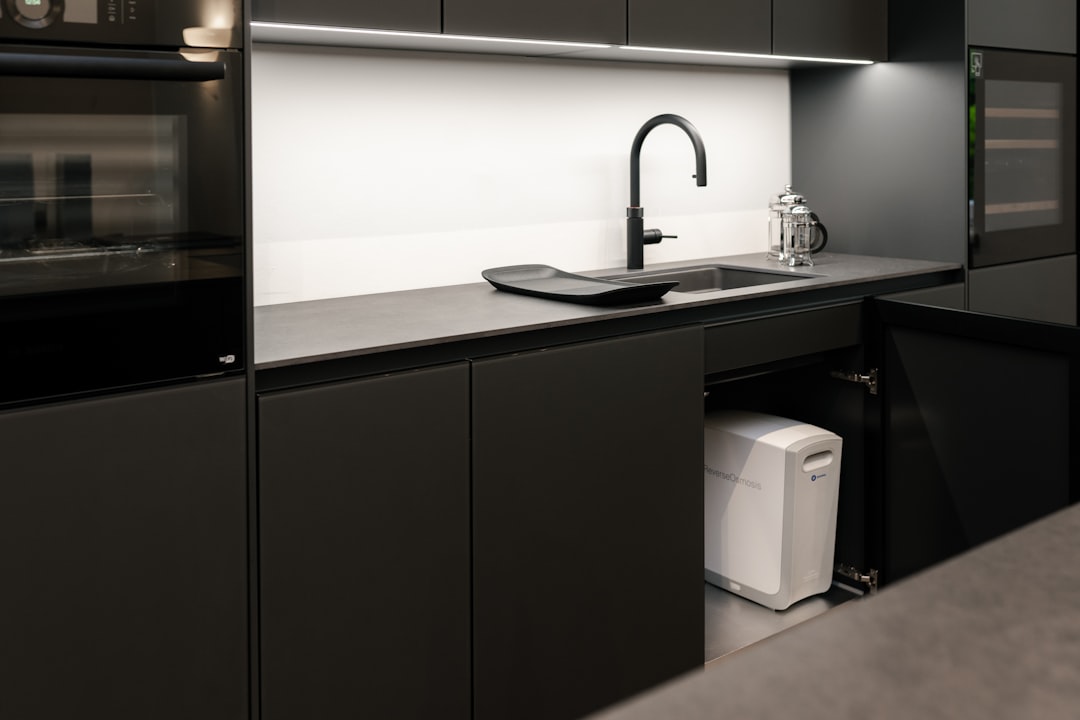
In recent years, the conversation surrounding water quality has gained significant traction, particularly concerning the presence of lead in drinking water. Lead water filters have emerged as essential tools for households aiming to safeguard their health and well-being. These filters serve a critical function by removing harmful lead particles from tap water, ensuring that families have access to clean and safe drinking water.
The importance of these filters cannot be overstated, as they play a vital role in preventing lead exposure, which can have severe health implications, especially for vulnerable populations such as children and pregnant women. Moreover, the significance of lead water filters extends beyond individual households. Communities grappling with aging infrastructure often face the risk of lead leaching into their water supply from old pipes and plumbing systems.
By utilizing lead water filters, residents can take proactive measures to protect themselves and their families from potential contamination. This collective effort not only promotes public health but also raises awareness about the broader issue of water quality and the need for systemic changes to ensure safe drinking water for all.
Key Takeaways
- Lead water filters are essential for removing harmful lead contaminants from drinking water.
- Lead contamination poses serious health risks, especially to children and pregnant women.
- Free lead water filters are available through specific programs, with eligibility criteria to qualify.
- Proper installation and regular maintenance of lead water filters ensure their effectiveness.
- Combining lead water filters with other preventive measures helps protect families from lead exposure.
Understanding the Dangers of Lead Contamination
Lead contamination poses a serious threat to public health, with far-reaching consequences that can affect individuals across all age groups. Lead is a toxic metal that can enter the body through various means, including ingestion of contaminated water or food, inhalation of lead dust, or absorption through the skin. Once inside the body, lead can accumulate over time, leading to a range of health issues.
The dangers of lead exposure are particularly pronounced in children, whose developing brains and nervous systems are highly susceptible to its harmful effects. The health risks associated with lead exposure are extensive and can manifest in various ways. Short-term exposure may result in symptoms such as headaches, abdominal pain, and fatigue, while long-term exposure can lead to more severe conditions, including cognitive impairments, behavioral issues, and developmental delays in children.
In adults, chronic lead exposure has been linked to hypertension, kidney damage, and reproductive problems. Understanding these dangers underscores the necessity of implementing effective measures, such as using lead water filters, to mitigate the risks associated with lead contamination.
How Lead Water Filters Work
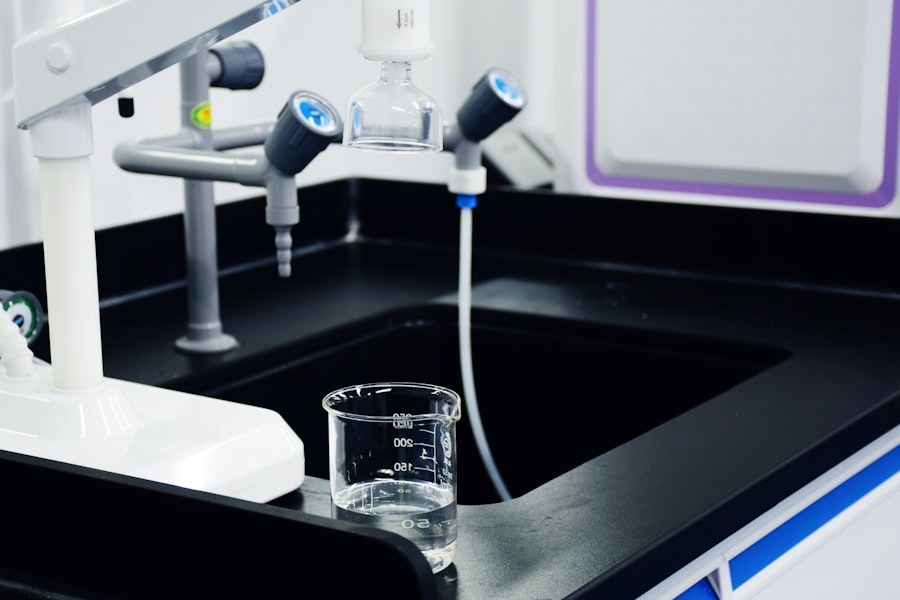
Lead water filters operate on specific principles designed to remove lead particles from drinking water effectively. Most commonly, these filters utilize activated carbon or reverse osmosis technology to purify water. Activated carbon filters work by adsorbing contaminants onto their surface, trapping lead particles as water passes through.
This method is particularly effective for reducing lead levels in tap water, making it a popular choice for households seeking to improve their water quality. On the other hand, reverse osmosis systems employ a semi-permeable membrane that allows only water molecules to pass through while blocking larger contaminants, including lead. This technology is known for its high efficiency in removing a wide range of impurities from water.
Regardless of the method used, lead water filters are designed to provide users with peace of mind by ensuring that their drinking water is free from harmful levels of lead.
Where to Get a Free Lead Water Filter
| Source | Type of Lead Water Filter | Eligibility | How to Obtain | Additional Notes |
|---|---|---|---|---|
| Local Water Utility Company | Pitcher or Faucet-Mounted Filter | Residents in affected areas | Contact customer service or visit website | Often part of lead contamination response programs |
| State or Municipal Health Departments | Faucet-Mounted or Under-Sink Filters | Low-income households or high-risk zones | Apply through health department offices | May require proof of residence |
| Non-Profit Organizations | Various Certified Lead Filters | Communities affected by lead contamination | Sign up via organization websites or events | Examples include environmental advocacy groups |
| Federal Assistance Programs | Certified Lead Water Filters | Eligible low-income families | Apply through local social services or EPA programs | Programs vary by state and availability |
| Community Health Clinics | Portable Lead Filters | Patients with lead exposure concerns | Request during health visits | May provide education on lead safety |
Accessing a free lead water filter can be a straightforward process for those who are aware of available resources.
These initiatives are often part of broader public health campaigns designed to raise awareness about the dangers of lead exposure and promote safe drinking water practices.
In addition to local programs, some national organizations and non-profits also provide free lead water filters as part of their mission to combat lead contamination. Residents can often find information about these programs through community outreach events, social media campaigns, or by visiting official websites dedicated to public health and environmental safety. By taking advantage of these resources, individuals can secure a reliable lead water filter without incurring any costs.
Eligibility for a Free Lead Water Filter
Eligibility criteria for obtaining a free lead water filter can vary depending on the organization or program offering the filter. Generally, these programs prioritize households in areas identified as having high levels of lead contamination or those with children under the age of six or pregnant women living in the home. This focus on vulnerable populations reflects an understanding of the heightened risks associated with lead exposure for these groups.
In some cases, applicants may need to provide proof of residency or demonstrate that their drinking water has been tested for lead contamination. Additionally, certain programs may require participants to complete educational components about lead exposure and prevention strategies as part of the application process. By establishing these eligibility criteria, organizations aim to ensure that resources are allocated effectively to those who need them most.
How to Apply for a Free Lead Water Filter
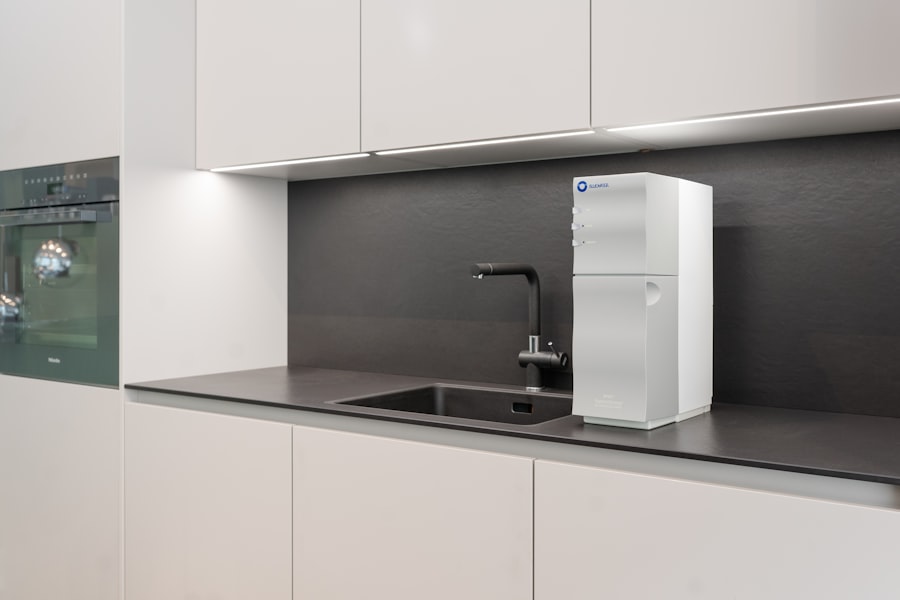
Applying for a free lead water filter typically involves a straightforward process that can be completed online or in person. Interested individuals should begin by researching local programs or organizations that offer free filters in their area. Many health departments maintain websites with information about available resources and application procedures.
Once individuals identify a suitable program, they may need to fill out an application form that requests basic information such as name, address, and household composition. Some programs may also ask applicants to provide details about their drinking water source and any previous testing for lead contamination. After submitting the application, individuals may receive further instructions regarding eligibility verification or additional steps required to obtain their filter.
Installation and Maintenance of Lead Water Filters
Proper installation and maintenance of lead water filters are crucial for ensuring their effectiveness in removing contaminants from drinking water. Most filters come with detailed instructions that guide users through the installation process. Typically, this involves attaching the filter to the faucet or installing it under the sink, depending on the type of system chosen.
Once installed, regular maintenance is essential to keep the filter functioning optimally. Users should follow manufacturer guidelines regarding filter replacement schedules and cleaning procedures. Many filters require replacement every few months or after a certain volume of water has been filtered.
Neglecting maintenance can result in reduced filtration efficiency and may allow contaminants to pass through the system. By adhering to maintenance recommendations, users can maximize the benefits of their lead water filter and ensure continued access to safe drinking water.
Benefits of Using a Lead Water Filter
The benefits of using a lead water filter extend beyond simply removing harmful contaminants from drinking water. One significant advantage is the peace of mind that comes with knowing that one’s family is protected from the dangers associated with lead exposure. For parents, this assurance is invaluable as they strive to create a safe environment for their children.
Additionally, using a lead water filter can improve the overall taste and quality of drinking water. Many individuals report that filtered water tastes fresher and cleaner compared to unfiltered tap water. This improvement can encourage families to drink more water, promoting better hydration and overall health.
Furthermore, investing in a lead water filter can be more cost-effective than purchasing bottled water over time, making it an environmentally friendly choice as well.
Other Ways to Reduce Lead Exposure
While using a lead water filter is an effective strategy for reducing exposure to lead in drinking water, it is not the only measure individuals can take to protect themselves and their families. Homeowners should consider having their homes inspected for lead-based paint and plumbing systems that may contain lead pipes or fixtures. If such hazards are identified, remediation efforts should be undertaken promptly.
Additionally, practicing good hygiene can help minimize lead exposure from other sources. Regularly washing hands and cleaning surfaces can reduce the risk of ingesting lead dust or particles that may be present in older homes or environments near industrial sites. Families should also be mindful of dietary choices; consuming foods rich in calcium and iron can help mitigate the absorption of lead in the body.
The Impact of Lead Contamination on Health
The impact of lead contamination on health is profound and multifaceted.
Studies have linked elevated blood lead levels to lower IQ scores, increased rates of attention deficit hyperactivity disorder (ADHD), and other learning disabilities.
In adults, chronic exposure to lead has been associated with serious health conditions such as cardiovascular disease and kidney dysfunction. The cumulative effects of long-term exposure can significantly diminish quality of life and increase healthcare costs over time. Understanding these impacts highlights the urgency of addressing lead contamination issues at both individual and community levels.
Taking Action to Protect Your Family from Lead Contamination
Taking action against lead contamination requires a proactive approach that encompasses awareness, education, and practical measures. Families should prioritize testing their drinking water for lead levels and seek out resources available in their communities for obtaining free or low-cost filters. Engaging with local health departments or environmental organizations can provide valuable information about potential risks and available solutions.
Moreover, fostering open conversations about lead exposure within families can empower individuals to make informed decisions regarding their health and safety. By staying informed about potential sources of contamination and actively seeking solutions, families can take significant steps toward protecting themselves from the dangers associated with lead exposure. Ultimately, collective action at both individual and community levels is essential for creating safer environments for future generations.
If you’re looking for ways to obtain a free water filter to reduce lead contamination in your drinking water, you might find valuable information in this related article. It provides insights on various programs and resources available to help you secure a water filter at no cost. For more details, check out the article here: How to Get a Free Water Filter for Lead.
WATCH THIS! The $100 Billion Lie: America’s Water System Is About to Poison Every Major City
FAQs
How can I get a free water filter for lead?
Many local governments and water utilities offer free or discounted water filters to residents in areas with lead contamination. You can check with your city or county health department, water utility company, or state environmental agency for available programs.
Who is eligible to receive a free water filter for lead?
Eligibility often depends on factors such as residence location, income level, and whether your water supply has tested positive for lead. Some programs prioritize vulnerable populations like families with young children or pregnant women.
What types of water filters are effective against lead?
Filters certified to remove lead typically use activated carbon or reverse osmosis technology. Look for filters certified by NSF International or the Water Quality Association specifically for lead reduction.
Where can I find out if my water has lead contamination?
You can request a water quality report from your local water utility or have your water tested by a certified laboratory. Some health departments also provide testing services or guidance.
Are there any government programs that provide free water filters for lead?
Yes, some federal and state programs provide assistance for lead remediation, including free or subsidized water filters. The Environmental Protection Agency (EPA) and state health departments may have information on such programs.
How often do I need to replace a lead water filter?
Replacement frequency varies by filter type and usage but generally ranges from every 2 to 6 months. Always follow the manufacturer’s instructions to ensure effective lead removal.
Can I install a lead water filter myself?
Many lead water filters are designed for easy installation without professional help. However, some systems may require plumbing skills. Always read the installation guide or consult a professional if unsure.
Is using a water filter the only way to reduce lead in drinking water?
No, other methods include replacing lead pipes and plumbing fixtures, flushing taps before use, and using bottled water. Filters are a practical short-term solution while long-term infrastructure improvements are made.
Are free water filters for lead safe to use?
Yes, filters provided through official programs or reputable manufacturers are tested and certified for safety and effectiveness. Always ensure the filter is certified for lead removal.
Where can I get more information about lead in drinking water?
Reliable information is available from the EPA, Centers for Disease Control and Prevention (CDC), local health departments, and water utilities. These sources provide guidance on testing, health risks, and mitigation options.