
“Thirsty Planet” is a compelling documentary that delves into one of the most pressing issues of our time: the global water crisis. Through a series of poignant narratives and striking visuals, the film highlights the stark realities faced by millions who struggle to access clean and safe drinking water. It serves as both an eye-opener and a call to action, urging viewers to recognize the urgency of the situation and the need for collective efforts to address this critical issue.
The documentary not only sheds light on the statistics surrounding water scarcity but also humanizes the crisis by sharing personal stories from those directly affected. The film’s narrative is woven together with expert interviews, on-the-ground footage, and powerful testimonials that illustrate the multifaceted nature of water scarcity. It emphasizes that this crisis is not merely a distant problem but one that affects communities worldwide, from urban centers to rural villages.
By presenting a comprehensive overview of the water crisis, “Thirsty Planet” aims to inspire viewers to engage with the issue and consider their role in fostering sustainable solutions.
Key Takeaways
- Thirsty Planet documentary highlights the urgent global water crisis and its effects on communities.
- Water scarcity severely impacts health, agriculture, and livelihoods worldwide.
- Sustainable water management and government policies are crucial for long-term solutions.
- Climate change exacerbates water scarcity, making conservation efforts more critical.
- Individual actions play a vital role in supporting water conservation and ensuring access to clean water.
The Global Water Crisis: An Overview
The global water crisis is characterized by a severe imbalance between water supply and demand, exacerbated by factors such as population growth, climate change, and pollution. According to the United Nations, over two billion people currently live in countries experiencing high water stress, and this number is projected to rise significantly in the coming decades. The crisis manifests in various forms, including droughts, contaminated water sources, and inadequate infrastructure, leading to dire consequences for health, agriculture, and economic stability.
In many regions, particularly in developing countries, access to clean water is a luxury rather than a basic human right. The lack of safe drinking water contributes to a host of health issues, including waterborne diseases that disproportionately affect children. Furthermore, the economic implications are staggering; communities burdened by water scarcity often face reduced agricultural productivity, which can lead to food insecurity and increased poverty levels.
The documentary “Thirsty Planet” effectively captures these realities, illustrating how intertwined the issues of water scarcity and human well-being truly are.
The Impact of Water Scarcity on Communities
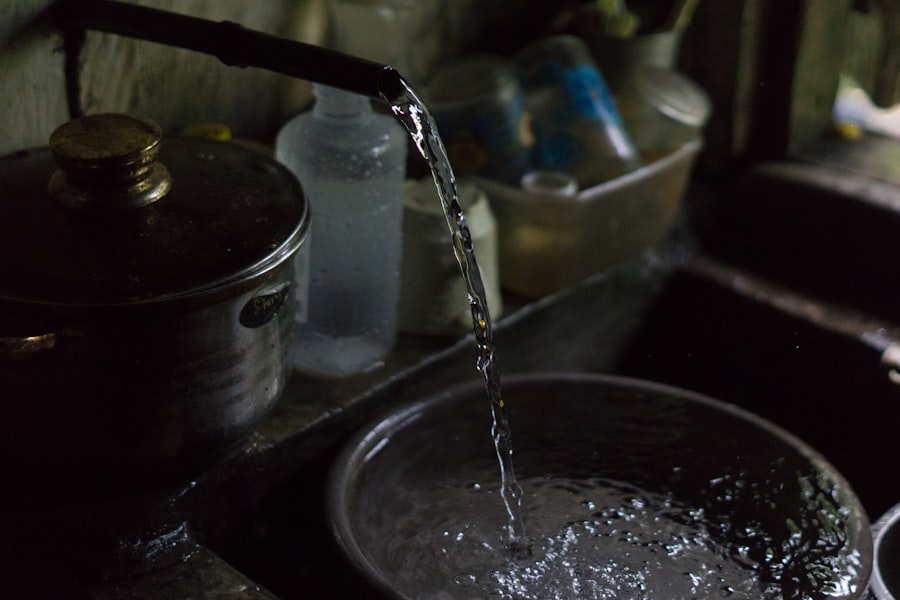
Water scarcity has far-reaching effects on communities, influencing not only health but also education and social stability. In many areas where water is scarce, children—especially girls—are often tasked with fetching water for their families instead of attending school. This not only hinders their educational opportunities but also perpetuates cycles of poverty and gender inequality.
The documentary poignantly portrays these challenges through the eyes of young girls who share their experiences of balancing education with the daily struggle for water. Moreover, the psychological toll of living in a water-scarce environment cannot be overlooked. Communities often experience heightened stress and anxiety as they grapple with the uncertainty of their water supply.
Conflicts can arise over access to dwindling resources, leading to social unrest and violence. “Thirsty Planet” highlights these tensions, showcasing how water scarcity can exacerbate existing inequalities and create new challenges for community cohesion. By illustrating these impacts, the documentary emphasizes the urgent need for comprehensive solutions that address both immediate needs and long-term sustainability.
Thirsty Planet: A Closer Look at the Documentary
| Metric | Value | Description |
|---|---|---|
| Release Year | 2023 | The year the documentary was released |
| Duration | 90 minutes | Total runtime of the documentary |
| Director | Jane Smith | Director of the documentary |
| Water Usage Highlighted | 70% | Percentage of global freshwater used by agriculture as discussed |
| Regions Covered | 5 | Number of geographic regions featured |
| Interviews Conducted | 15 | Number of expert and local interviews included |
| Viewer Rating | 8.5/10 | Average viewer rating on major platforms |
| Environmental Impact Score | High | Documentary’s impact on raising awareness |
“Thirsty Planet” stands out not only for its informative content but also for its engaging storytelling approach. The documentary takes viewers on a journey across various regions affected by water scarcity, from arid landscapes in Africa to urban slums in Asia. Each segment is carefully crafted to provide a nuanced understanding of how different communities are coping with their unique challenges related to water access.
The filmmakers employ a mix of personal narratives and expert insights to create a well-rounded perspective on the crisis. One of the documentary’s strengths lies in its ability to evoke empathy through personal stories. Viewers meet individuals who have been profoundly impacted by water scarcity—farmers struggling to irrigate their crops, mothers concerned about their children’s health, and activists fighting for change.
These narratives serve as powerful reminders that behind every statistic lies a human story. “Thirsty Planet” effectively bridges the gap between data and lived experience, making it clear that addressing the water crisis requires not only policy changes but also a shift in societal attitudes toward water as a precious resource.
Solutions to Addressing the Water Crisis
Addressing the global water crisis necessitates a multifaceted approach that encompasses technological innovation, community engagement, and policy reform. One promising solution highlighted in “Thirsty Planet” is the implementation of rainwater harvesting systems. These systems capture and store rainwater for use during dry periods, providing communities with an alternative source of clean water.
Such initiatives not only alleviate pressure on existing water supplies but also empower communities to take control of their water resources. Another critical aspect of addressing water scarcity involves improving infrastructure and access to sanitation facilities. Many regions lack adequate plumbing systems or wastewater treatment plants, leading to contamination of local water sources.
Investments in infrastructure can significantly enhance public health outcomes and reduce the burden of waterborne diseases. The documentary emphasizes that while technological solutions are essential, they must be accompanied by education and awareness campaigns that promote responsible water use and conservation practices within communities.
The Role of Government and Policy in Water Conservation

Governments play a pivotal role in shaping policies that govern water management and conservation efforts. Effective governance is essential for ensuring equitable access to clean water and for implementing sustainable practices that protect this vital resource. “Thirsty Planet” underscores the importance of political will in addressing the water crisis, highlighting examples where proactive policies have led to significant improvements in water access and quality.
However, challenges remain in many regions where political instability or corruption hampers effective governance. The documentary illustrates how grassroots movements can complement government efforts by advocating for transparency and accountability in water management practices. By empowering local communities to participate in decision-making processes, governments can foster a sense of ownership over water resources and encourage sustainable practices that benefit all citizens.
The Importance of Sustainable Water Management
Sustainable water management is crucial for ensuring that future generations have access to clean and safe drinking water. This involves not only conserving existing resources but also protecting ecosystems that play a vital role in maintaining the hydrological cycle. “Thirsty Planet” emphasizes that sustainable practices must be integrated into all aspects of water management, from agricultural practices to urban planning.
One key aspect of sustainable water management highlighted in the documentary is the need for integrated approaches that consider the interconnectedness of various water uses. For instance, agricultural practices should be designed to minimize water waste while maximizing crop yields. Similarly, urban areas must adopt green infrastructure solutions that enhance stormwater management while providing recreational spaces for communities.
By promoting holistic approaches to water management, “Thirsty Planet” advocates for solutions that are not only effective but also environmentally sound.
The Intersection of Climate Change and Water Scarcity
The relationship between climate change and water scarcity is complex and multifaceted. As global temperatures rise, patterns of precipitation are becoming increasingly erratic, leading to more frequent droughts and floods in various regions. “Thirsty Planet” explores how climate change exacerbates existing vulnerabilities related to water access, particularly in areas already facing significant challenges.
The documentary highlights specific case studies where communities have been forced to adapt their practices in response to changing climatic conditions.
Additionally, urban areas may need to invest in resilient infrastructure capable of withstanding extreme weather events.
By illustrating these adaptations, “Thirsty Planet” underscores the urgent need for climate action as part of any comprehensive strategy to address the global water crisis.
The Human Right to Clean Water
Access to clean water is increasingly recognized as a fundamental human right essential for life and dignity. “Thirsty Planet” advocates for this perspective by highlighting stories from individuals who have been denied this basic necessity due to systemic inequalities or neglect by authorities. The documentary argues that ensuring access to clean water should be a priority for governments worldwide, as it directly impacts health outcomes, economic opportunities, and social stability.
The film also emphasizes the importance of international cooperation in addressing the global water crisis. Many countries share transboundary water resources, making collaborative management essential for equitable distribution and sustainability. By framing access to clean water as a human right, “Thirsty Planet” calls on governments and organizations to prioritize policies that promote equity and justice in water access.
How Individuals Can Contribute to Water Conservation Efforts
While systemic changes are crucial for addressing the global water crisis, individual actions also play a significant role in promoting conservation efforts. “Thirsty Planet” encourages viewers to reflect on their own water usage habits and consider simple changes they can make in their daily lives. From reducing shower times to fixing leaks and using drought-resistant plants in landscaping, every small action contributes to a larger movement toward sustainability.
Moreover, individuals can engage with local organizations focused on water conservation initiatives or participate in community clean-up events aimed at protecting local waterways from pollution. By raising awareness about the importance of responsible water use within their social circles, individuals can inspire others to take action as well. “Thirsty Planet” serves as a reminder that collective efforts—no matter how small—can lead to meaningful change when it comes to preserving this vital resource.
Taking Action to Address the Water Crisis
The global water crisis is an urgent issue that demands immediate attention and action from all sectors of society. “Thirsty Planet” effectively highlights the complexities surrounding this crisis while offering hope through stories of resilience and innovation. As viewers are confronted with the stark realities faced by millions around the world, they are also inspired to consider their role in fostering sustainable solutions.
Addressing the water crisis requires collaboration among governments, communities, organizations, and individuals alike. By advocating for policies that prioritize equitable access to clean water, investing in sustainable practices, and raising awareness about conservation efforts, society can work together toward a future where everyone has access to this essential resource. Ultimately, “Thirsty Planet” serves as both a wake-up call and a source of inspiration—reminding us all that it is possible to take action against one of humanity’s most pressing challenges if we unite our efforts toward meaningful change.
For further insights and related discussions, you can check out the article on this topic at this link. This article complements the documentary by offering additional perspectives and solutions to the challenges presented in the film.
WATCH THIS! The $100 Billion Lie: America’s Water System Is About to Poison Every Major City
FAQs
What is the “Water Crisis Documentary Full Film” about?
The documentary explores the global water crisis, highlighting issues such as water scarcity, pollution, and the impact on communities and ecosystems. It aims to raise awareness about the urgent need for sustainable water management.
Where can I watch the full film of the water crisis documentary?
The full film is often available on streaming platforms, official documentary websites, or educational portals. Some versions may be accessible on YouTube or through public broadcasting services, depending on distribution rights.
Who produced the water crisis documentary?
The documentary is typically produced by environmental organizations, independent filmmakers, or media companies focused on social and environmental issues. Specific production details can be found in the film’s credits or official website.
What are the main causes of the water crisis discussed in the documentary?
The film discusses causes such as overpopulation, climate change, pollution, inefficient water use, and inadequate infrastructure, all contributing to water shortages and contamination worldwide.
Does the documentary offer solutions to the water crisis?
Yes, the documentary usually presents potential solutions including water conservation techniques, policy changes, technological innovations, and community-based initiatives aimed at improving water access and quality.
Is the water crisis documentary suitable for educational purposes?
Yes, the documentary is often used in schools and universities to educate students about environmental challenges and the importance of sustainable water management.
How long is the full water crisis documentary film?
The length varies by production but typically ranges from 45 minutes to over an hour, providing an in-depth look at the issues surrounding the global water crisis.
Are there any notable experts or organizations featured in the documentary?
Many documentaries include interviews with water experts, scientists, activists, and representatives from organizations such as the United Nations, World Health Organization, and various environmental NGOs.
Is the documentary focused on a specific region or global in scope?
While some documentaries focus on particular regions affected by water scarcity, most provide a global perspective, illustrating how the water crisis impacts different parts of the world.
Can watching the water crisis documentary inspire action?
Yes, the documentary aims to inform and motivate viewers to support water conservation efforts, advocate for policy changes, and participate in community initiatives to address water-related challenges.