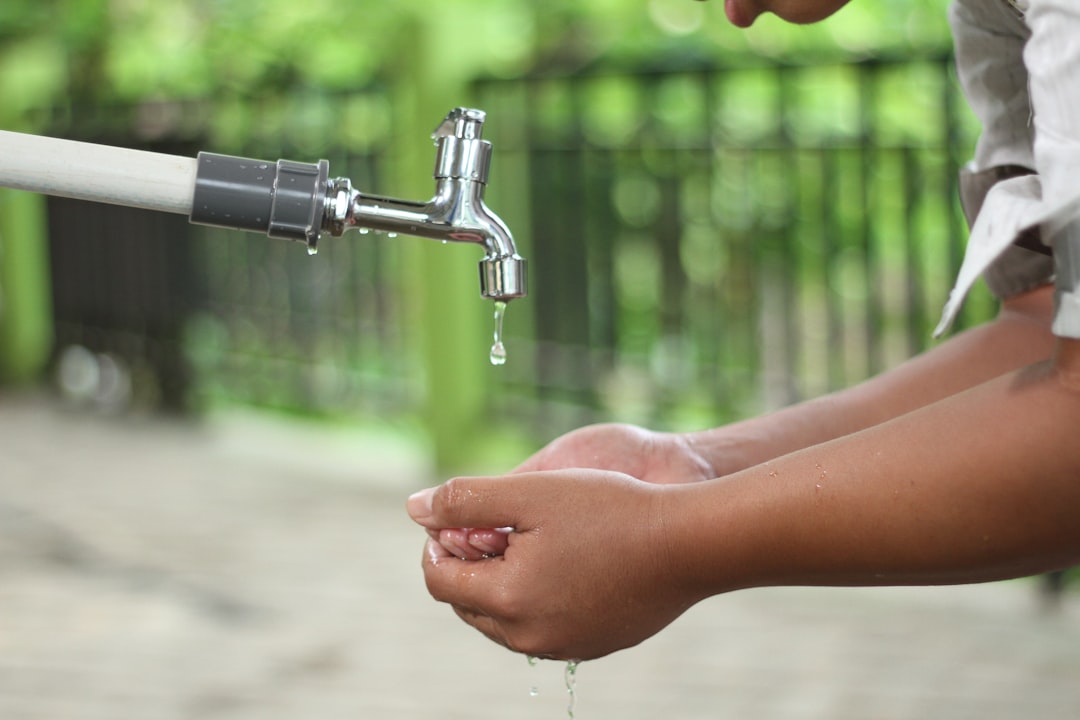
The city’s water system serves as a vital lifeline for its residents, providing the essential resource of clean drinking water. This intricate network encompasses various components, including water sources, treatment facilities, and distribution systems. The journey of water begins in natural sources such as rivers, lakes, and aquifers, where it is collected and transported to treatment plants.
Here, it undergoes rigorous processes to ensure that it meets safety standards before being delivered to homes and businesses. The efficiency and reliability of this system are crucial for public health and the overall well-being of the community. Understanding the city’s water system is not merely an academic exercise; it is a matter of public interest and concern.
Residents rely on this system daily, often taking for granted the quality and safety of their drinking water. However, the complexities involved in maintaining such a system are significant. From infrastructure maintenance to regulatory compliance, the challenges faced by water authorities are numerous.
As urban populations grow and climate change impacts water availability, the importance of a robust and resilient water system becomes increasingly apparent.
Key Takeaways
- The city’s water system undergoes multiple treatment processes to remove potential contaminants and ensure safety.
- Regular monitoring and testing are conducted to comply with strict regulatory standards for drinking water quality.
- Public health risks from contaminated water are addressed through community efforts and emergency response plans.
- Common misconceptions about water safety are clarified to promote informed public awareness.
- Individuals are encouraged to take proactive steps to maintain safe drinking water in their homes.
Potential Contaminants in the Water
Despite the best efforts to provide clean drinking water, potential contaminants can infiltrate the water supply at various stages. These contaminants can be broadly categorized into biological, chemical, and physical agents. Biological contaminants include bacteria, viruses, and parasites that can pose serious health risks if ingested.
Chemical contaminants may arise from agricultural runoff, industrial discharges, or even household products that find their way into the water supply. Physical contaminants, such as sediment or debris, can also affect water quality and aesthetic appeal. The presence of these contaminants can lead to significant public health concerns.
For instance, pathogens like E. coli or Giardia can cause gastrointestinal illnesses, while chemical pollutants such as lead or pesticides can have long-term health effects. The city’s water authorities continuously monitor for these potential threats to ensure that the water remains safe for consumption.
However, it is essential for residents to be aware of these risks and understand how they can impact their health and well-being.
Water Treatment Processes

Water treatment is a critical step in ensuring that the water supplied to residents is safe for consumption. The treatment process typically involves several stages designed to remove contaminants and improve water quality. Initially, raw water is subjected to screening to remove large debris and particles.
Following this, coagulation and flocculation processes are employed to aggregate smaller particles into larger clumps that can be easily removed. Once the larger particles are settled out, the water undergoes filtration to eliminate remaining impurities. This step may involve various filtration methods, including sand filters or membrane technologies.
Finally, disinfection is performed using chlorine or ultraviolet light to kill any remaining pathogens. This multi-step approach ensures that the water is not only clean but also safe for public consumption. The complexity of these processes highlights the importance of skilled professionals who manage and operate treatment facilities.
Monitoring and Testing Procedures
| Procedure | Frequency | Metrics Monitored | Tools Used | Purpose |
|---|---|---|---|---|
| Network Latency Testing | Daily | Ping time, Packet loss | Ping, Traceroute | Ensure network responsiveness and connectivity |
| Server Health Monitoring | Continuous | CPU usage, Memory usage, Disk space | Nagios, Zabbix | Detect server performance issues |
| Application Performance Testing | Weekly | Response time, Throughput, Error rate | JMeter, LoadRunner | Validate application stability under load |
| Security Vulnerability Scanning | Monthly | Open ports, Known vulnerabilities | Nessus, OpenVAS | Identify security risks and weaknesses |
| Backup Verification | Weekly | Backup success rate, Data integrity | Custom scripts, Backup software logs | Ensure data recoverability |
To maintain high standards of water quality, continuous monitoring and testing are essential components of the city’s water management strategy. Water samples are routinely collected from various points within the distribution system and tested for a wide range of contaminants. These tests help identify any potential issues before they can affect public health.
Advanced laboratory techniques are employed to detect even trace amounts of harmful substances. In addition to routine testing, the city also conducts regular assessments of its water infrastructure. This includes inspecting pipes, treatment facilities, and storage tanks for signs of wear or contamination.
By implementing a proactive approach to monitoring, city officials can address potential problems before they escalate into public health crises. This commitment to vigilance underscores the importance of transparency and accountability in managing the city’s water resources.
Regulatory Standards for Drinking Water
Regulatory standards play a crucial role in ensuring that drinking water remains safe for public consumption. In many countries, these standards are established by governmental agencies tasked with protecting public health. For instance, in the United States, the Environmental Protection Agency (EPA) sets national standards for drinking water quality under the Safe Drinking Water Act.
These regulations outline permissible levels of various contaminants and require regular testing and reporting by water suppliers. Compliance with these standards is not optional; it is a legal requirement that helps safeguard public health. Water utilities must adhere to strict guidelines regarding treatment processes, monitoring protocols, and reporting practices.
Failure to meet these standards can result in penalties or legal action against the utility provider. As such, understanding these regulations is essential for both water authorities and residents who rely on safe drinking water.
Common Concerns and Misconceptions

Despite rigorous testing and treatment processes, misconceptions about drinking water safety persist among the public. One common concern is the belief that tap water is inherently unsafe compared to bottled water. While bottled water may be perceived as cleaner or purer, studies have shown that tap water often meets or exceeds safety standards set for bottled products.
Another misconception involves the idea that all contaminants can be easily detected by taste or smell. In reality, many harmful substances are tasteless and odorless, making them difficult for consumers to identify without proper testing.
This highlights the importance of relying on scientific data and regulatory oversight rather than personal perceptions when assessing water quality. Educating the public about these misconceptions is vital for fostering trust in municipal water systems.
Public Health Risks and Impacts
The implications of contaminated drinking water extend far beyond individual health concerns; they can have widespread public health impacts on communities as a whole. Waterborne diseases can lead to outbreaks that strain healthcare systems and disrupt daily life. Vulnerable populations, such as children, the elderly, and those with compromised immune systems, are particularly at risk from exposure to contaminated water.
Moreover, long-term exposure to certain contaminants can result in chronic health issues, including developmental delays in children or increased cancer risks in adults. The economic burden associated with treating these health conditions can be substantial for both individuals and healthcare systems. Therefore, ensuring safe drinking water is not just a matter of convenience; it is a critical public health priority that requires ongoing attention and resources.
Community Efforts to Ensure Water Safety
Community involvement plays a pivotal role in ensuring the safety of drinking water supplies. Local organizations often collaborate with government agencies to raise awareness about water quality issues and promote best practices for conservation and safety. Educational campaigns may focus on topics such as proper disposal of hazardous materials or advocating for infrastructure improvements.
Additionally, community members can participate in local meetings or forums where they can voice concerns about their water supply and learn about ongoing efforts to maintain its safety. Grassroots initiatives often lead to increased transparency and accountability from local authorities, fostering a sense of shared responsibility among residents regarding their water resources.
Emergency Response Plans for Water Contamination
In light of potential contamination events, cities must have robust emergency response plans in place to protect public health swiftly. These plans typically outline procedures for identifying contamination sources, notifying residents, and providing alternative sources of safe drinking water if necessary. Effective communication strategies are essential during such emergencies to ensure that residents receive timely information about potential risks.
These drills help identify gaps in response protocols and improve coordination among different agencies involved in managing public health crises. By being prepared for emergencies related to drinking water safety, cities can mitigate risks and protect their communities more effectively.
Steps to Take to Ensure Safe Drinking Water
Residents can take proactive steps to ensure their drinking water remains safe at home. One fundamental measure is regularly testing private wells or home filtration systems for contaminants if applicable. Homeowners should also be aware of any local advisories regarding lead pipes or aging infrastructure that may affect their water quality.
Furthermore, practicing good hygiene when handling food and beverages can help minimize risks associated with contaminated water sources. Boiling tap water during emergencies or using certified filtration systems can provide additional layers of protection against potential contaminants. By being informed and proactive about their drinking water safety, individuals contribute significantly to their own health and that of their community.
The Importance of Safe Drinking Water
In conclusion, safe drinking water is an essential component of public health that requires ongoing vigilance from both authorities and residents alike. The complexities involved in managing a city’s water system highlight the need for robust treatment processes, regulatory compliance, and community engagement. Understanding potential contaminants and addressing common misconceptions are crucial steps toward fostering trust in municipal water supplies.
As urban populations continue to grow and environmental challenges persist, ensuring access to clean drinking water will remain a pressing issue for communities worldwide. By prioritizing education, preparedness, and proactive measures at both individual and community levels, society can work together to safeguard this vital resource for future generations. The importance of safe drinking water cannot be overstated; it is foundational not only for individual health but also for thriving communities as a whole.
If you’re concerned about the safety of your city’s water, you might find it helpful to read more about local water quality assessments. For detailed insights and resources, check out this related article on water safety in your area. This article provides valuable information on how to evaluate the safety of your drinking water and what steps you can take to ensure it meets health standards.
WATCH THIS! The $100 Billion Lie: America’s Water System Is About to Poison Every Major City
FAQs
How can I find out if my city’s water is safe to drink?
You can check your city’s annual water quality report, often called a Consumer Confidence Report (CCR), which is usually available on your local water utility’s website. These reports provide detailed information about water sources, detected contaminants, and compliance with safety standards.
What standards are used to determine if city water is safe?
City water safety is regulated by the Environmental Protection Agency (EPA) under the Safe Drinking Water Act (SDWA). The EPA sets maximum contaminant levels (MCLs) for various substances to ensure water is safe for consumption.
What contaminants are commonly tested in city water?
Commonly tested contaminants include bacteria (like E. coli), lead, arsenic, nitrates, chlorine, fluoride, and volatile organic compounds (VOCs). Testing also covers physical properties such as turbidity and pH levels.
Can tap water contain harmful substances even if it meets safety standards?
While water that meets EPA standards is generally safe, trace amounts of some contaminants may still be present. Long-term exposure to certain contaminants, even at low levels, can pose health risks, so vulnerable populations should stay informed.
What should I do if I suspect my city’s water is unsafe?
If you suspect contamination, avoid drinking the water and contact your local water utility or health department immediately. You can also have your water independently tested by certified laboratories.
Are there ways to improve the safety of my tap water at home?
Yes, using certified water filters that remove specific contaminants can improve water quality. Regular maintenance of plumbing and avoiding the use of lead-containing pipes also helps ensure safer water.
Is boiling water an effective way to make city water safe?
Boiling water kills bacteria and viruses but does not remove chemical contaminants or heavy metals. It is effective during microbial contamination events but not for chemical pollution.
How often is city water tested for safety?
Water utilities typically test water daily, weekly, or monthly depending on the contaminant and regulatory requirements. Annual reports summarize these results for public review.
Can natural disasters affect the safety of city water?
Yes, events like floods, hurricanes, or earthquakes can disrupt water treatment and distribution, potentially leading to contamination. Authorities may issue boil water advisories during such events.
Where can I get more information about my city’s water quality?
You can contact your local water utility, visit their website, or consult the EPA’s Safe Drinking Water Information System (SDWIS) for detailed data on water quality in your area.