
In many parts of the world, the infrastructure that supports water distribution and treatment is rapidly deteriorating. Aging pipes, outdated treatment facilities, and insufficient maintenance have become common issues, leading to a crisis that threatens the very foundation of public health and safety. Many urban areas, particularly in developed nations, are grappling with systems that were built decades ago, often designed to accommodate populations that have since outgrown them.
As these systems age, they become more susceptible to leaks, breaks, and contamination, posing significant risks to communities that rely on them for clean water. The consequences of this aging infrastructure are far-reaching. Not only do they lead to increased water loss through leaks—estimated to be as high as 30% in some cities—but they also create opportunities for contaminants to enter the water supply.
The failure to invest in modernizing these systems has resulted in a growing backlog of necessary repairs and upgrades. As municipalities struggle with budget constraints and competing priorities, the urgency of addressing these infrastructure issues often takes a backseat, exacerbating the problem and leaving communities vulnerable.
Key Takeaways
- Aging infrastructure and climate change are increasing risks of contaminated water and public health issues.
- Disparities exist in access to safe water, disproportionately affecting vulnerable communities.
- Economic costs from water system failures are significant, necessitating urgent government intervention.
- Community initiatives and innovative technologies play key roles in improving water treatment and distribution.
- Public awareness and education are essential for promoting sustainable water management solutions.
The Threat of Contaminated Water
Contaminated water poses a significant threat to public health and safety, with sources of pollution ranging from industrial runoff to aging pipes that leach harmful substances into drinking water supplies. The presence of heavy metals, bacteria, and other pollutants can lead to serious health issues, including gastrointestinal illnesses, neurological disorders, and long-term chronic conditions. In many cases, communities are unaware of the dangers lurking in their water supply until it is too late, highlighting the critical need for regular testing and monitoring.
Moreover, the issue of contaminated water is not limited to urban areas; rural communities often face similar challenges. Many rely on private wells that may not be subject to the same regulatory oversight as municipal water systems. This lack of regulation can lead to untested and unsafe drinking water, putting residents at risk.
The threat of contamination is compounded by natural disasters, which can disrupt water treatment processes and lead to widespread contamination events. As such, the need for robust water quality monitoring and rapid response systems has never been more urgent.
The Impact on Public Health

The impact of contaminated water on public health is profound and multifaceted. Waterborne diseases can spread rapidly in communities with compromised water supplies, leading to outbreaks that strain healthcare systems and result in significant morbidity and mortality. Vulnerable populations, including children, the elderly, and those with pre-existing health conditions, are particularly at risk.
The long-term effects of exposure to contaminated water can manifest in chronic health issues that persist long after the immediate crisis has passed. In addition to direct health impacts, the psychological toll on communities grappling with unsafe drinking water cannot be overlooked. Fear and anxiety about the safety of one’s water supply can lead to increased stress levels and a diminished quality of life.
Furthermore, the economic burden associated with health care costs related to waterborne illnesses can be staggering for families and communities alike. Addressing these public health concerns requires a comprehensive approach that includes not only improving water quality but also enhancing community resilience and access to healthcare resources.
Disparities in Access to Safe Water
| Region | Population Without Access to Safe Water (%) | Urban Access to Safe Water (%) | Rural Access to Safe Water (%) | Child Mortality Due to Unsafe Water (per 1,000) | Average Distance to Water Source (km) |
|---|---|---|---|---|---|
| Sub-Saharan Africa | 40 | 75 | 45 | 80 | 5.2 |
| South Asia | 25 | 85 | 60 | 60 | 3.8 |
| Latin America & Caribbean | 10 | 95 | 70 | 15 | 2.1 |
| East Asia & Pacific | 12 | 90 | 65 | 20 | 2.5 |
| Middle East & North Africa | 8 | 92 | 75 | 10 | 1.8 |
| Europe & Central Asia | 2 | 98 | 90 | 5 | 1.0 |
Access to safe drinking water is not equitable across different communities, leading to significant disparities that disproportionately affect marginalized populations. Low-income neighborhoods and communities of color often bear the brunt of inadequate infrastructure and environmental hazards. These areas may experience higher rates of contamination due to proximity to industrial sites or aging infrastructure that has been neglected over time.
As a result, residents in these communities face greater health risks and fewer resources to address them. The disparities in access to safe water extend beyond immediate health impacts; they also contribute to broader social inequities. Families without reliable access to clean water may struggle with educational attainment, economic stability, and overall well-being.
Children who are frequently ill due to contaminated water may miss school, hindering their educational progress and future opportunities. Addressing these disparities requires targeted interventions that prioritize investment in underserved communities and ensure equitable access to safe drinking water for all.
The Role of Climate Change
Climate change is increasingly recognized as a significant factor exacerbating water system failures and contamination risks. Extreme weather events such as floods, droughts, and hurricanes can overwhelm existing infrastructure, leading to contamination from runoff or damage to treatment facilities.
As climate change continues to impact weather patterns and water availability, communities must adapt their water management strategies accordingly. This includes investing in resilient infrastructure that can withstand extreme weather events and implementing sustainable practices that protect water sources from pollution. The intersection of climate change and water security underscores the urgent need for comprehensive planning that considers both current challenges and future risks.
The Economic Costs of Water System Failures
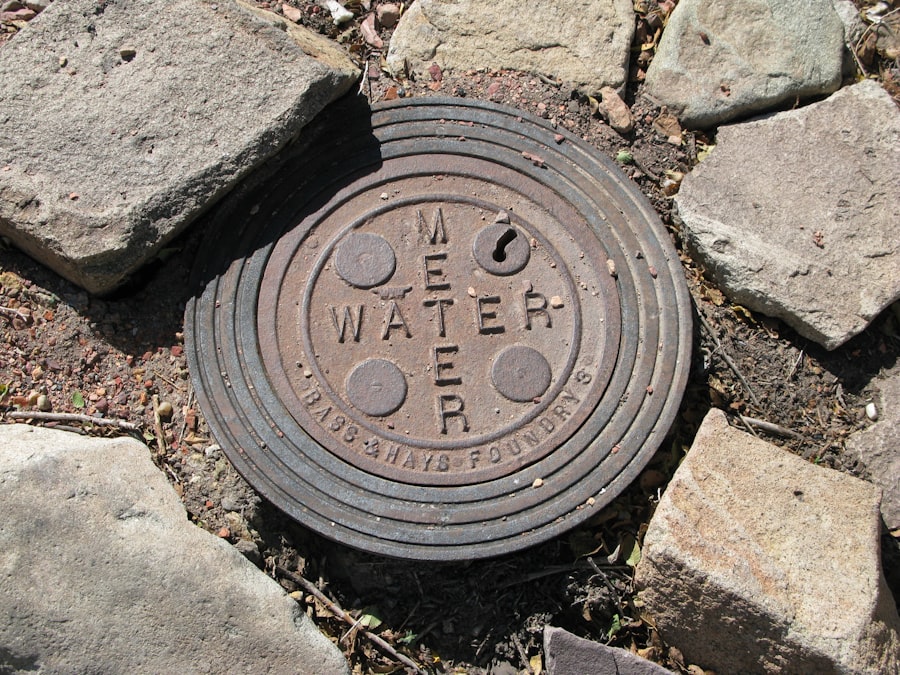
The economic costs associated with failing water systems are staggering and multifaceted. When infrastructure fails, municipalities face immediate repair costs as well as long-term expenses related to health care for affected populations. Water main breaks can disrupt local economies by causing business closures and damaging property.
Furthermore, the costs associated with emergency responses to contamination events can strain already limited budgets. Investing in modernizing water infrastructure may seem daunting; however, the long-term savings associated with preventing failures far outweigh the initial expenditures. By prioritizing upgrades and maintenance, municipalities can reduce the frequency of costly repairs and improve overall system efficiency.
Additionally, ensuring access to safe drinking water can enhance public health outcomes, ultimately leading to lower healthcare costs and a more productive workforce.
The Need for Government Intervention
Government intervention is crucial in addressing the myriad challenges associated with aging water infrastructure and contaminated supplies. Policymakers must prioritize investments in modernizing systems while also ensuring robust regulatory frameworks that protect public health. This includes establishing standards for water quality testing, requiring transparency in reporting contamination incidents, and providing funding for necessary upgrades.
Moreover, government agencies at all levels must collaborate with local communities to identify specific needs and develop tailored solutions. Engaging residents in decision-making processes fosters trust and ensures that interventions are responsive to the unique challenges faced by different populations.
Community Efforts to Address Water System Failures
Communities across the globe are taking matters into their own hands when it comes to addressing water system failures. Grassroots organizations are emerging as powerful advocates for safe drinking water, often mobilizing residents to demand action from local governments. These community-led initiatives focus on raising awareness about water quality issues while also providing education on how individuals can protect their own health.
In addition to advocacy efforts, many communities are exploring innovative solutions such as rainwater harvesting or community-based filtration systems. These grassroots approaches not only empower residents but also foster a sense of ownership over local resources. By working together, communities can build resilience against future challenges while ensuring access to safe drinking water for all residents.
Innovations in Water Treatment and Distribution
The field of water treatment and distribution is witnessing a wave of innovations aimed at improving safety and efficiency. Advanced technologies such as membrane filtration, ultraviolet disinfection, and smart sensors are being integrated into existing systems to enhance water quality monitoring and treatment processes. These innovations not only help detect contaminants more effectively but also reduce energy consumption and operational costs.
Furthermore, decentralized treatment systems are gaining traction as viable alternatives to traditional centralized models. By treating wastewater locally or utilizing innovative filtration methods at the household level, communities can reduce reliance on aging infrastructure while ensuring access to safe drinking water. Embracing these technological advancements is essential for creating sustainable solutions that meet the needs of growing populations.
The Importance of Public Awareness and Education
Public awareness and education play a pivotal role in addressing the challenges associated with contaminated water supplies and aging infrastructure. Communities must be informed about potential risks associated with their drinking water while also understanding how they can take action to protect themselves. Educational campaigns can empower residents to advocate for improvements in their local systems while also promoting responsible water use practices.
Moreover, fostering a culture of transparency around water quality issues is essential for building trust between communities and local authorities. When residents are informed about testing results and potential risks, they are better equipped to engage in meaningful dialogue with policymakers. By prioritizing education and awareness initiatives, communities can work collaboratively towards solutions that ensure safe drinking water for all.
Solutions for a Sustainable Water Future
Creating a sustainable future for water resources requires a multifaceted approach that addresses both immediate challenges and long-term sustainability goals. This includes investing in modernizing infrastructure while also implementing conservation practices that protect existing resources. Policymakers must prioritize funding for innovative technologies that enhance treatment processes while also promoting community engagement in decision-making.
Additionally, fostering partnerships between government agencies, private sector stakeholders, and community organizations is essential for developing comprehensive solutions that address diverse needs. By working together towards common goals—such as ensuring equitable access to safe drinking water—communities can build resilience against future challenges while safeguarding public health for generations to come. In conclusion, addressing the growing problem of aging infrastructure and contaminated water supplies requires concerted efforts from all sectors of society.
By prioritizing investment in modern systems, fostering community engagement, embracing innovative technologies, and promoting public awareness, stakeholders can work together towards a sustainable future where safe drinking water is accessible for all.
The state of the U.S. water system has raised significant concerns regarding its safety and reliability. For a deeper understanding of the challenges facing water infrastructure in the country, you can read a related article that discusses various issues, including contamination and aging pipes. Check it out here: How Bad is the US Water System?.
WATCH THIS! The $100 Billion Lie: America’s Water System Is About to Poison Every Major City
FAQs
How safe is the drinking water in the United States?
The majority of public water systems in the U.S. meet federal safety standards set by the Environmental Protection Agency (EPA). However, some areas, especially older cities or rural regions, may experience contamination issues due to aging infrastructure or environmental factors.
What are the main problems facing the U.S. water system?
Key issues include aging pipes and infrastructure, lead contamination, chemical pollutants, underfunded maintenance, and disparities in water quality between different communities. Natural disasters and climate change also pose challenges to water reliability and safety.
How old is the water infrastructure in the U.S.?
Much of the U.S. water infrastructure, including pipes and treatment plants, was built decades ago, with some systems over 100 years old. This aging infrastructure is prone to leaks, breaks, and contamination risks.
Are there disparities in water quality across the U.S.?
Yes, water quality can vary significantly depending on location. Low-income and minority communities often face greater risks of water contamination and have less access to safe, reliable water services.
What contaminants are commonly found in U.S. water systems?
Common contaminants include lead, arsenic, nitrates, bacteria, and industrial chemicals such as PFAS (per- and polyfluoroalkyl substances). Some contaminants can pose serious health risks if not properly managed.
What is being done to improve the U.S. water system?
Efforts include federal and state funding for infrastructure upgrades, stricter regulations on contaminants, lead pipe replacement programs, and initiatives to improve water testing and public awareness.
How does the U.S. water system compare to other developed countries?
While the U.S. generally provides safe drinking water, its infrastructure is older and more fragmented than in some other developed nations, leading to higher maintenance costs and occasional quality issues.
Can private wells be a source of safe drinking water?
Private wells are not regulated by the EPA, so their safety depends on proper maintenance and regular testing by the owner. Contamination risks can be higher in some areas, especially near agricultural or industrial sites.
What role does climate change play in the U.S. water system challenges?
Climate change contributes to droughts, flooding, and extreme weather events that can damage infrastructure, reduce water availability, and increase contamination risks.
How can individuals help ensure safe water in their communities?
Individuals can stay informed about local water quality reports, support infrastructure funding initiatives, reduce water waste, and advocate for policies that prioritize safe and equitable water access.