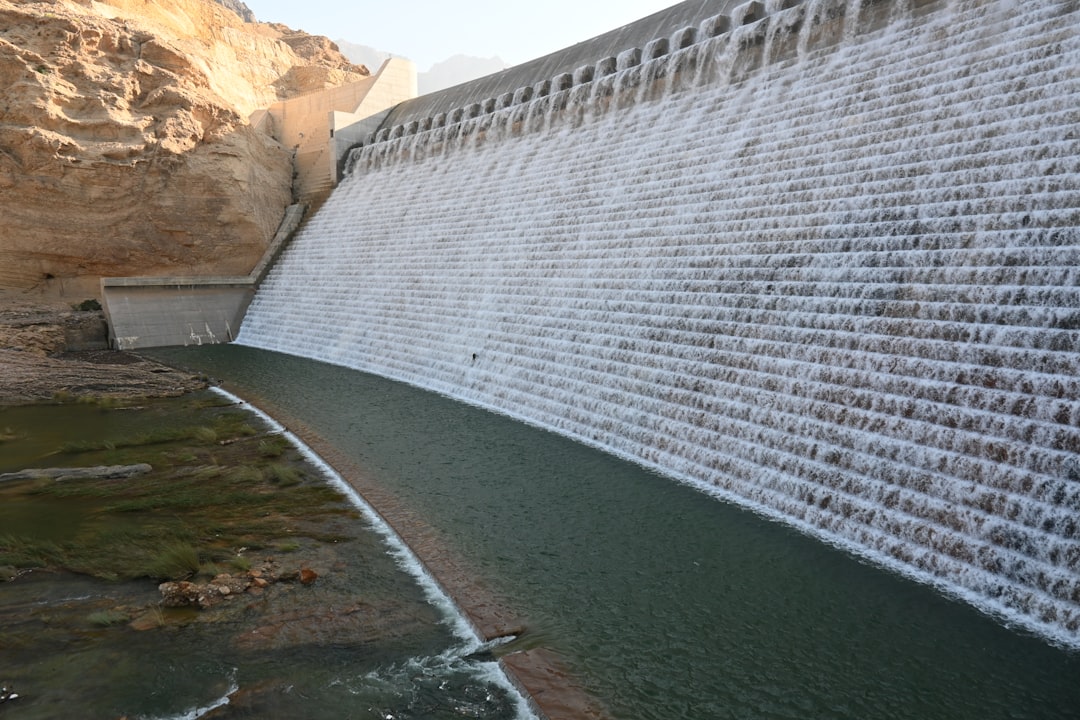
Dams play a crucial role in the infrastructure of any nation, serving multiple purposes that extend beyond mere water retention. They are vital for flood control, irrigation, hydroelectric power generation, and recreational activities. In many regions, dams are the backbone of agricultural productivity, providing essential water resources that sustain crops and livestock.
Furthermore, they contribute to energy security by harnessing the power of flowing water to generate electricity, thus reducing reliance on fossil fuels and promoting cleaner energy sources.
Well-maintained dams can mitigate the effects of extreme weather events, such as floods and droughts, which are becoming increasingly common due to climate change.
By managing water resources effectively, dams help ensure that communities have access to clean water and that ecosystems remain balanced. As such, the integrity of dam infrastructure is not just a matter of engineering; it is a critical component of public safety and environmental stewardship.
Key Takeaways
- US dams are crucial for water management, energy, and safety but many are aging and in need of repair.
- Repairing dams is costly due to factors like outdated designs, regulatory requirements, and labor expenses.
- Dam failures can cause severe environmental damage, property loss, and threaten public safety.
- Funding for dam repairs is limited, requiring increased government involvement and innovative financing solutions.
- Future dam infrastructure efforts must balance repair needs with environmental and social considerations to ensure sustainability.
The Current State of US Dams
The current state of dams in the United States presents a mixed picture, with many structures aging and in need of significant repairs. According to the American Society of Civil Engineers (ASCE), nearly 15,000 dams in the U.S. are classified as high-hazard potential, meaning that their failure could result in loss of life and significant property damage.
Alarmingly, a substantial portion of these dams were built over half a century ago and are now facing challenges related to structural integrity and compliance with modern safety standards. Despite the pressing need for upgrades and repairs, many dams remain in a state of disrepair. The National Inventory of Dams indicates that approximately 17% of the nation’s dams are classified as unsafe or in poor condition.
This situation is exacerbated by limited funding and resources allocated for maintenance and rehabilitation efforts. As a result, the risk of dam failures looms large, posing threats not only to human life but also to the environment and local economies that depend on reliable water management systems.
The Cost of Repairing US Dams
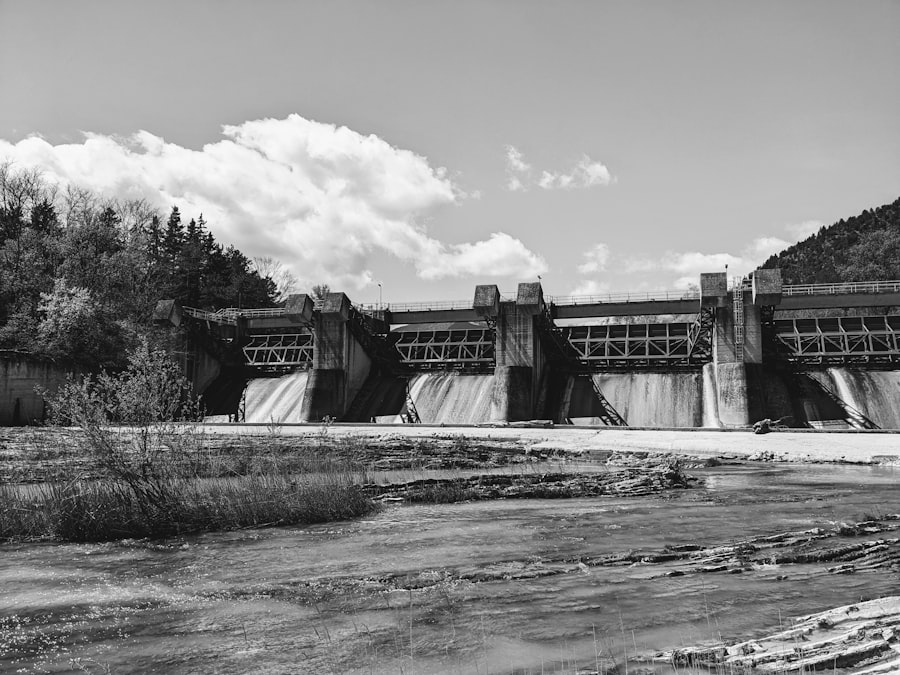
Repairing and upgrading the aging dam infrastructure in the United States comes with a hefty price tag. Estimates suggest that addressing the backlog of necessary repairs could cost upwards of $60 billion over the next few decades. This figure encompasses a wide range of activities, from routine maintenance to comprehensive structural overhauls designed to meet contemporary safety standards.
The financial burden is significant, particularly for smaller municipalities that may lack the resources to undertake such extensive projects. Moreover, the costs associated with dam repairs are not merely financial; they also include social and environmental considerations. Communities often face disruptions during repair work, which can affect local economies and livelihoods.
Additionally, there are ecological impacts to consider, as dam repairs may necessitate changes in water flow patterns that can affect aquatic habitats. Thus, while the financial implications of dam repairs are substantial, they are intertwined with broader societal and environmental challenges that must be addressed holistically.
Factors Contributing to the High Cost of Dam Repairs
| Factor | Description | Impact on Repair Cost | Example Metrics |
|---|---|---|---|
| Aging Infrastructure | Older dams require more extensive repairs due to wear and outdated materials. | High | Average age of dams: 50+ years; % of dams over 50 years: 70% |
| Regulatory Compliance | Meeting modern safety and environmental standards increases repair complexity. | Medium to High | Number of new regulations per year: 5-10; Compliance cost increase: 20-30% |
| Environmental Impact Mitigation | Measures to protect ecosystems and water quality add to repair expenses. | Medium | Environmental assessment duration: 6-12 months; Mitigation cost share: 15-25% |
| Labor and Material Costs | Specialized labor and materials for dam repairs are costly and scarce. | High | Labor cost increase over 5 years: 10%; Material cost increase: 15% |
| Complex Engineering Requirements | Structural complexity demands advanced engineering solutions and technology. | High | Engineering design hours: 1000+; Use of advanced tech: 40% |
| Access and Site Conditions | Remote or difficult locations increase logistics and mobilization costs. | Medium | Average distance from nearest city: 50 miles; Mobilization cost increase: 10-20% |
| Emergency Repairs | Urgent repairs due to failure risk lead to expedited and costly work. | High | Emergency repair projects: 15% of total; Cost premium: 25-40% |
Several factors contribute to the high costs associated with dam repairs in the United States. One primary issue is the complexity of modern engineering standards and regulations that govern dam safety. As knowledge about hydrology and structural integrity has evolved, so too have the requirements for maintaining dams.
Compliance with these updated standards often necessitates extensive retrofitting or reconstruction efforts, which can be both time-consuming and expensive. Additionally, the geographical diversity of dam locations across the country presents logistical challenges that can drive up costs. Many dams are situated in remote areas where access is limited, making transportation of materials and equipment more difficult.
Furthermore, environmental regulations aimed at protecting local ecosystems can complicate repair projects, requiring additional studies and permitting processes that extend timelines and increase expenses. These factors combine to create a challenging landscape for dam repair initiatives, often resulting in budget overruns and project delays.
The Impact of Dam Failures
The consequences of dam failures can be catastrophic, leading to loss of life, destruction of property, and long-term environmental damage. When a dam fails, it can unleash a torrent of water that devastates downstream communities, obliterating homes and infrastructure in its path. The aftermath often requires extensive recovery efforts that can take years or even decades to fully address.
The emotional toll on affected families and communities is immeasurable, as they grapple with the loss of loved ones and livelihoods. Beyond immediate human impacts, dam failures can also have far-reaching ecological consequences. Sudden changes in water flow can disrupt aquatic ecosystems, leading to habitat destruction and loss of biodiversity.
Sediment displacement can alter riverbeds and affect fish populations that rely on stable environments for spawning. Additionally, contaminants stored behind dams may be released into waterways during a failure, posing risks to both human health and wildlife. Thus, the ramifications of dam failures extend well beyond the initial disaster, highlighting the urgent need for proactive maintenance and repair efforts.
Funding Challenges for Dam Repairs
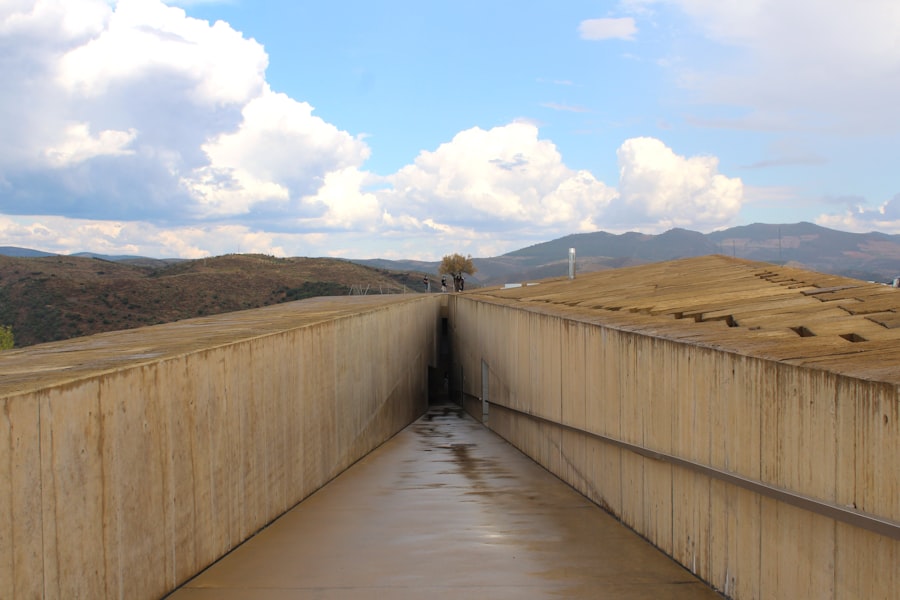
Securing adequate funding for dam repairs remains one of the most significant challenges facing infrastructure management in the United States. While federal programs exist to support infrastructure projects, they often fall short of meeting the vast financial needs associated with dam maintenance and upgrades. State and local governments frequently struggle to allocate sufficient resources for these projects amid competing budgetary priorities such as education, healthcare, and transportation.
Moreover, public awareness regarding the importance of dam infrastructure is often limited, leading to insufficient political will to prioritize funding for repairs. Many citizens may not fully grasp the potential risks associated with aging dams until a failure occurs in their vicinity. This lack of urgency can hinder efforts to secure necessary funding at both state and federal levels.
As a result, innovative financing solutions—such as public-private partnerships or dedicated infrastructure funds—are increasingly being explored as potential avenues for addressing funding shortfalls.
The Role of Government in Dam Infrastructure
The government plays a pivotal role in overseeing dam infrastructure through regulation, funding allocation, and maintenance oversight. Federal agencies such as the U.S. Army Corps of Engineers and the Bureau of Reclamation are responsible for managing many federally owned dams while also providing technical assistance to state and local governments.
These agencies help establish safety standards and conduct inspections to ensure compliance with regulations designed to protect public safety. However, government involvement is not without its challenges. Bureaucratic processes can slow down decision-making and hinder timely repairs.
Additionally, differing priorities among federal, state, and local entities can lead to fragmented approaches to dam management. To effectively address these challenges, there is a growing call for enhanced collaboration among various levels of government as well as increased engagement with local communities affected by dam infrastructure decisions.
Innovative Solutions for Dam Repairs
In light of the pressing need for dam repairs and upgrades, innovative solutions are emerging that aim to streamline processes and reduce costs. One promising approach involves leveraging advanced technologies such as drones and remote sensing for inspections and monitoring. These tools can provide real-time data on structural integrity without requiring extensive manual labor or costly scaffolding setups.
Another innovative solution lies in utilizing sustainable materials and practices during repair projects. For instance, incorporating green engineering principles can minimize environmental impacts while enhancing durability. Additionally, community engagement initiatives that involve local stakeholders in decision-making processes can foster greater public support for repair projects and ensure that solutions align with community needs.
The Environmental and Social Impacts of Dam Repairs
While repairing dams is essential for ensuring public safety and infrastructure integrity, it is crucial to consider the environmental and social impacts associated with these projects. Repair efforts may necessitate alterations to water flow patterns or habitat modifications that could disrupt local ecosystems. Therefore, it is vital for engineers and planners to conduct thorough environmental assessments before undertaking any major repair work.
Socially, dam repairs can lead to temporary disruptions in local communities as construction activities unfold. Residents may experience noise pollution or restricted access to recreational areas during repair periods. Engaging with community members throughout the planning process can help mitigate these impacts by providing opportunities for feedback and addressing concerns proactively.
The Future of US Dam Infrastructure
Looking ahead, the future of U.S. dam infrastructure hinges on proactive management strategies that prioritize safety while embracing innovation. As climate change continues to pose new challenges—such as increased flooding or prolonged droughts—there is an urgent need for adaptive approaches that enhance resilience within existing systems.
This may involve re-evaluating current dam operations or exploring alternative water management strategies that complement traditional approaches.
By investing in research and development focused on innovative technologies and practices, stakeholders can work together to create a more robust framework for managing U.S.
dam infrastructure well into the future.
Addressing the Critical Infrastructure Challenge of Dam Repairs
In conclusion, addressing the critical infrastructure challenge posed by aging dams requires a multifaceted approach that encompasses financial investment, regulatory oversight, community engagement, and innovative solutions. The importance of maintaining safe and functional dam infrastructure cannot be overstated; it is essential for protecting lives, preserving ecosystems, and supporting economic stability across regions. As stakeholders grapple with funding challenges and complex regulatory environments, it is imperative to prioritize proactive measures that ensure the longevity of these vital structures.
By fostering collaboration among government entities at all levels while embracing technological advancements in engineering practices, there lies an opportunity to transform U.S. dam infrastructure into a resilient system capable of meeting future demands while safeguarding public safety and environmental health.
The cost to repair U.S. dams has become a pressing issue as many structures age and require significant investment to ensure safety and functionality. For a deeper understanding of the financial implications and the current state of dam infrastructure, you can read a related article on this topic at My Geo Quest. This resource provides valuable insights into the challenges and potential solutions for maintaining these critical structures.
WATCH THIS! The $50 Billion Lie: America’s Dams Are About to Fail (60-Minute Documentary)
FAQs
What factors influence the cost to repair US dams?
The cost to repair US dams depends on several factors including the size and type of the dam, the extent of the damage, the materials required, labor costs, environmental considerations, and regulatory compliance. Additional factors such as location and accessibility can also impact repair expenses.
How much does it typically cost to repair a dam in the United States?
Repair costs for US dams can vary widely, ranging from hundreds of thousands to millions of dollars. Small-scale repairs might cost under $1 million, while major rehabilitation projects on large dams can exceed $100 million depending on the complexity and scope of work.
Who is responsible for funding dam repairs in the US?
Funding responsibility varies depending on ownership. Federal, state, or local government agencies, private companies, or dam owners typically bear the cost of repairs. In some cases, federal grants or assistance programs may help offset expenses for public safety-related repairs.
Are there federal programs that assist with dam repair costs?
Yes, there are federal programs such as the US Army Corps of Engineers’ Dam Safety Program and grants from agencies like FEMA that provide financial assistance or technical support for dam safety improvements and repairs, especially for high-hazard dams.
What are the consequences of delaying dam repairs?
Delaying dam repairs can lead to increased risk of dam failure, which may cause flooding, property damage, environmental harm, and potential loss of life. Additionally, repair costs often increase over time as damage worsens and emergency measures become necessary.
How often do US dams require repairs or maintenance?
Dams require regular inspections and maintenance, typically on an annual or biennial basis. Major repairs or rehabilitation may be needed every few decades depending on the dam’s age, condition, and environmental factors.
What types of repairs are commonly needed for US dams?
Common repairs include fixing cracks or leaks in concrete or earthen structures, reinforcing spillways, upgrading gates and valves, addressing erosion issues, and improving instrumentation for monitoring dam safety.
Can dam repair costs be reduced through preventive maintenance?
Yes, regular preventive maintenance and timely minor repairs can extend the lifespan of a dam and reduce the likelihood of costly major repairs by addressing issues before they escalate.
Where can I find information about the condition and repair needs of specific US dams?
Information about dam conditions and repair needs can be found through state dam safety offices, the National Inventory of Dams maintained by the US Army Corps of Engineers, and reports from federal agencies involved in dam safety oversight.