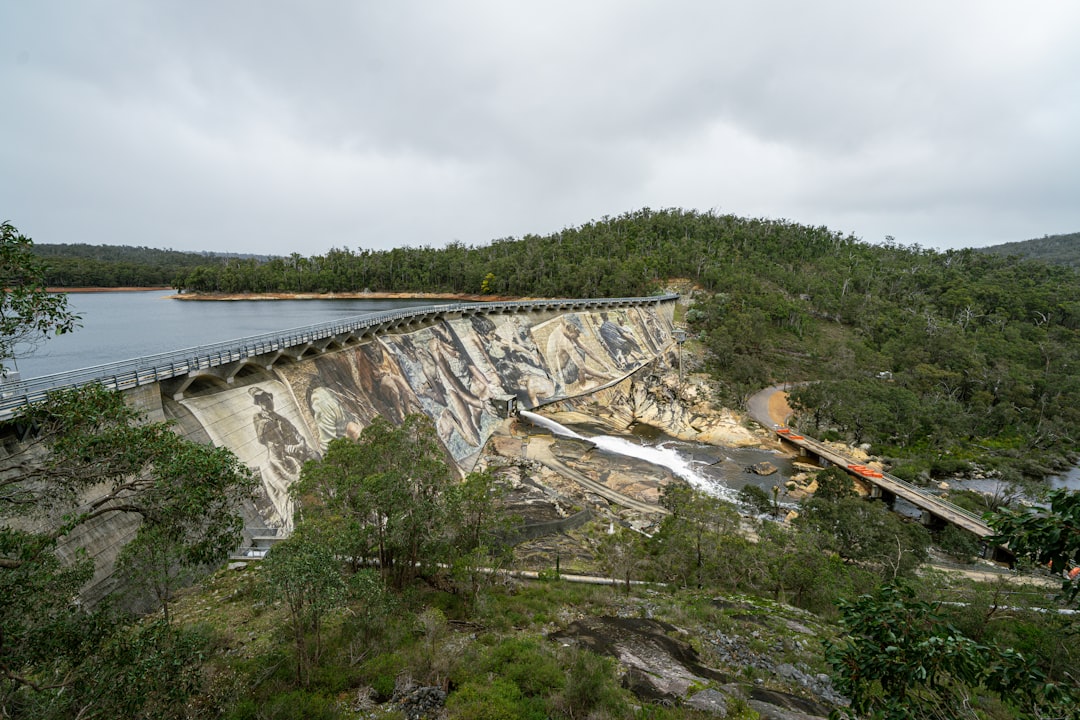
The removal of dams has emerged as a pivotal strategy in the quest for ecosystem restoration, particularly in regions where aquatic habitats have been severely compromised. Dams, while often constructed for purposes such as hydroelectric power generation, irrigation, and flood control, have inadvertently led to significant ecological degradation. The process of dam removal is not merely a physical act; it represents a broader commitment to restoring natural river systems and the myriad life forms that depend on them.
As awareness of environmental issues grows, so too does the recognition of the need to rehabilitate ecosystems that have suffered under the weight of human intervention. In recent years, the conversation surrounding dam removal has gained momentum, fueled by a growing body of research highlighting the adverse effects of dams on riverine ecosystems. The restoration of these ecosystems is not only beneficial for wildlife but also for human communities that rely on healthy waterways for recreation, drinking water, and cultural practices.
This article delves into the multifaceted relationship between dam removal and ecosystem restoration, exploring the impacts of dams, successful case studies, and the various stakeholders involved in this complex process.
Key Takeaways
- Dam removal plays a crucial role in restoring natural river ecosystems disrupted by dams.
- Dams significantly impact aquatic habitats, fish migration, and water quality.
- Successful case studies demonstrate improved biodiversity and ecosystem health post-removal.
- Challenges include economic costs, stakeholder conflicts, and potential environmental risks.
- Ongoing monitoring and inclusive stakeholder engagement are essential for sustainable restoration outcomes.
The Impact of Dams on Ecosystems
Dams fundamentally alter the natural flow of rivers, creating reservoirs that disrupt sediment transport and change water temperature and chemistry. These alterations can lead to a cascade of ecological consequences, including habitat fragmentation and the decline of fish populations.
The resulting stagnation in water bodies can also lead to decreased oxygen levels, further endangering aquatic life.
The creation of reservoirs can inundate vast areas of land, displacing terrestrial ecosystems and altering local biodiversity.
In many cases, the introduction of non-native species into these altered environments can exacerbate existing ecological challenges. The cumulative impact of these changes can lead to a significant loss of biodiversity, with long-term implications for ecosystem health and resilience.
Case Studies of Dam Removal and Ecosystem Restoration

Several notable case studies illustrate the potential benefits of dam removal for ecosystem restoration. One prominent example is the removal of the Elwha Dam in Washington State, which began in 2011. This ambitious project aimed to restore over 70 miles of river habitat to its natural state.
Following the dam’s removal, researchers observed a remarkable resurgence in salmon populations, with species such as Chinook and coho returning to spawn in previously inaccessible upstream areas. The Elwha River’s restoration has become a beacon of hope for similar initiatives across the country. Another significant case is the removal of the Edwards Dam on the Kennebec River in Maine.
Completed in 1999, this project marked a turning point in dam removal efforts in the United States. The removal led to an immediate increase in fish populations and improved water quality. Within just a few years, alewives and other migratory fish species returned to their historical spawning grounds, demonstrating the rapid ecological recovery that can occur when barriers are removed.
These case studies underscore the potential for dam removal to revitalize ecosystems and restore natural processes.
Benefits of Dam Removal for Ecosystem Restoration
| Benefit | Description | Metric/Indicator | Example Data |
|---|---|---|---|
| Improved Fish Migration | Removal of barriers allows migratory fish species to access upstream spawning habitats. | Increase in fish population upstream | Salmon population increased by 60% within 3 years post-removal |
| Restored Sediment Transport | Natural sediment flow resumes, rebuilding downstream habitats and reducing erosion. | Volume of sediment transported downstream (tons/year) | Sediment transport increased from 0 to 150,000 tons/year |
| Enhanced Water Quality | Improved oxygen levels and reduced temperature fluctuations benefit aquatic life. | Dissolved oxygen levels (mg/L) | Oxygen levels rose from 5.2 to 8.0 mg/L |
| Reestablishment of Native Vegetation | Floodplain and riparian zones recover, supporting biodiversity. | Area of native vegetation restored (hectares) | 50 hectares of riparian habitat restored |
| Increased Biodiversity | More diverse aquatic and terrestrial species return to the ecosystem. | Number of native species observed | Native species count increased from 45 to 70 |
| Reduced Risk of Dam Failure | Eliminates hazards associated with aging infrastructure. | Number of dam-related incidents | Zero incidents reported post-removal |
The benefits of dam removal extend far beyond the immediate restoration of aquatic habitats. One of the most significant advantages is the reestablishment of natural sediment transport processes. When dams are removed, sediment that has been trapped behind them can flow downstream, replenishing riverbanks and deltas that have been starved of nutrients.
This natural replenishment fosters healthier ecosystems and supports diverse plant and animal life. Additionally, dam removal can enhance water quality by restoring natural flow patterns that promote aeration and reduce stagnation. Improved water quality not only benefits aquatic organisms but also enhances recreational opportunities for local communities.
Activities such as fishing, kayaking, and swimming become more viable as rivers regain their health. Furthermore, the aesthetic value of restored rivers can boost local tourism and contribute to economic revitalization in surrounding areas.
Challenges and Limitations of Dam Removal for Ecosystem Restoration
Despite its many benefits, dam removal is not without challenges and limitations. One significant hurdle is the potential opposition from stakeholders who may rely on dams for water supply or flood control. These stakeholders often express concerns about how removing a dam could impact their livelihoods or safety.
Engaging these communities in dialogue is crucial to address their concerns and find common ground. Another challenge lies in the ecological complexities associated with dam removal. While many species may benefit from restored habitats, others may struggle to adapt to changing conditions.
For instance, non-native species that have thrived in stagnant waters may outcompete native species once free-flowing conditions are restored. Additionally, sediment release during dam removal can lead to temporary increases in turbidity, which may negatively affect aquatic life in the short term. Careful planning and monitoring are essential to mitigate these potential drawbacks.
The Role of Stakeholders in Dam Removal and Ecosystem Restoration
Stakeholders play a critical role in the success of dam removal projects and subsequent ecosystem restoration efforts. These stakeholders encompass a diverse array of groups, including local communities, government agencies, environmental organizations, and industry representatives. Each group brings unique perspectives and interests to the table, making collaboration essential for achieving successful outcomes.
Effective stakeholder engagement involves transparent communication and inclusive decision-making processes. By involving local communities early in the planning stages, project leaders can address concerns and build support for dam removal initiatives. Additionally, partnerships with environmental organizations can provide valuable expertise in ecological restoration practices.
Ultimately, fostering a sense of shared ownership among stakeholders can lead to more sustainable and effective restoration efforts.
Monitoring and Evaluation of Ecosystem Recovery after Dam Removal
Monitoring and evaluation are vital components of any dam removal project aimed at ecosystem restoration. These processes allow researchers and project managers to assess the effectiveness of restoration efforts and make necessary adjustments over time. By establishing baseline data before dam removal occurs, scientists can track changes in water quality, sediment transport, and biodiversity following the removal.
Long-term monitoring is particularly important as ecosystems may take years or even decades to fully recover from the impacts of damming. Regular assessments can help identify emerging challenges or opportunities for further restoration efforts. Moreover, sharing findings with stakeholders fosters transparency and builds trust within communities affected by dam removal projects.
Economic Considerations of Dam Removal for Ecosystem Restoration
The economic implications of dam removal are multifaceted and often debated among stakeholders. On one hand, removing a dam can lead to immediate costs associated with deconstruction and potential loss of hydroelectric power generation revenue. However, proponents argue that these costs are outweighed by long-term economic benefits derived from restored ecosystems.
Healthy rivers can enhance local economies through increased tourism opportunities related to fishing, kayaking, and wildlife observation. Additionally, improved water quality can reduce treatment costs for municipalities relying on river water for drinking supplies. By considering both short-term costs and long-term benefits, decision-makers can make more informed choices regarding dam removal projects.
Social and Cultural Impacts of Dam Removal for Ecosystem Restoration
The social and cultural dimensions of dam removal are equally important to consider in ecosystem restoration efforts. Many communities have deep cultural ties to rivers that have been altered or obstructed by dams. Restoring these waterways can revive traditional practices such as fishing or gathering medicinal plants that have been disrupted by damming.
Moreover, dam removal can foster a renewed sense of community identity as residents witness their local environment being restored to its natural state. This revitalization can strengthen community bonds and promote stewardship among residents who feel a renewed connection to their rivers. Engaging local voices in discussions about restoration efforts ensures that cultural values are respected and integrated into project planning.
Alternative Approaches to Ecosystem Restoration in Dammed Rivers
While dam removal is a powerful tool for ecosystem restoration, it is not always feasible or appropriate in every situation. Alternative approaches must be considered based on specific ecological contexts and stakeholder needs. For instance, some projects may focus on modifying existing dams to improve fish passage through fish ladders or bypass channels.
Additionally, habitat enhancement initiatives such as riparian buffer restoration or wetland creation can complement existing infrastructure while promoting ecological health. These alternative strategies allow for a more nuanced approach to river management that balances human needs with environmental considerations.
The Future of Dam Removal for Ecosystem Restoration
As society grapples with pressing environmental challenges such as climate change and biodiversity loss, the future of dam removal as a strategy for ecosystem restoration appears promising yet complex. The growing recognition of the ecological benefits associated with removing barriers from rivers has sparked renewed interest in this approach across various regions. However, successful implementation requires careful consideration of stakeholder perspectives, economic implications, and social impacts.
By fostering collaboration among diverse groups and prioritizing long-term monitoring efforts, communities can work towards restoring their rivers while ensuring that both human needs and ecological health are met. In conclusion, dam removal represents not just an opportunity for ecological rehabilitation but also a chance to redefine humanity’s relationship with nature. As more communities embrace this transformative approach, they pave the way for healthier ecosystems that benefit both wildlife and people alike—ultimately contributing to a more sustainable future for all.
Recent discussions on the effectiveness of dam removal have highlighted various case studies and research findings. For a deeper understanding of this topic, you can explore the article on the impact of dam removal on local ecosystems and fish populations, which can be found