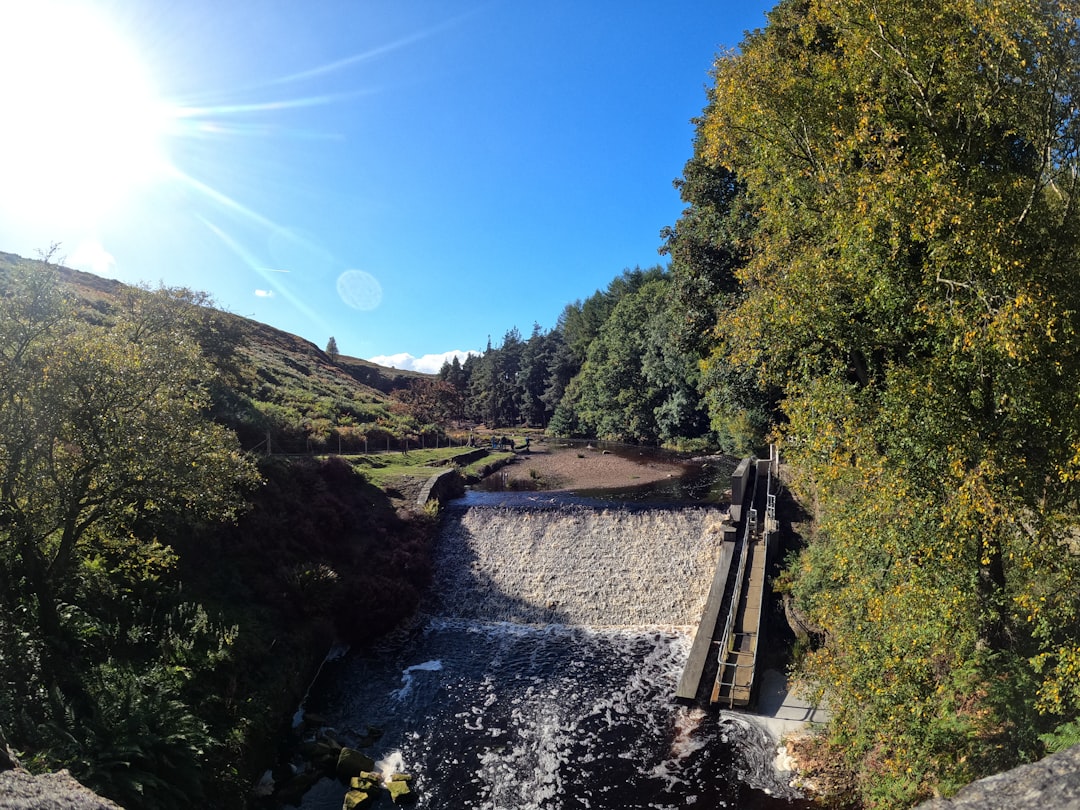
The Klamath River, a vital waterway that flows through the rugged landscapes of northern California and southern Oregon, has long been a source of life and sustenance for both the environment and the communities that depend on it.
However, the river’s natural flow has been significantly altered by the construction of several dams, which have had profound implications for the ecosystem and the people who rely on its resources.
These dams, built primarily for hydroelectric power generation and irrigation, have transformed the river’s dynamics, leading to a complex interplay of ecological and social challenges. The presence of these dams has sparked a contentious debate over their impact on the river’s health and the surrounding communities. While they have provided certain benefits, such as energy production and water supply for agriculture, the long-term consequences have raised serious concerns.
The Klamath River’s once-thriving salmon populations have dwindled, and the river’s overall ecological balance has been disrupted. As awareness of these issues has grown, so too has the movement advocating for the restoration of the Klamath River, culminating in significant efforts to remove some of these dams and restore the river to its natural state.
Key Takeaways
- The Klamath River dams have significantly altered the river’s ecosystem and impacted native fish populations.
- Environmental concerns have driven a movement to remove the dams to restore natural river flow and habitat.
- The dam removal project involves extensive environmental studies and collaboration among diverse stakeholders.
- Challenges include balancing ecological restoration with economic and social interests of local communities.
- Restoring the Klamath River aims to revive its ecological health and support sustainable future use for all stakeholders.
History of the Klamath River and the Impact of Dams
The history of the Klamath River is deeply intertwined with the indigenous tribes that have inhabited its banks for thousands of years. These communities have relied on the river for fishing, hunting, and gathering, developing a profound spiritual connection to the land and water. However, the arrival of European settlers in the 19th century marked a turning point in the river’s history.
The construction of dams began in the early 20th century, driven by a desire for economic development and resource management. The first major dam, Copco No. 1, was completed in 1918, followed by others that further altered the river’s flow and ecology.
The impact of these dams has been far-reaching. They have obstructed fish migration routes, leading to a dramatic decline in salmon populations that are crucial to both the ecosystem and local fisheries. The alteration of water temperatures and sediment transport has also disrupted habitats for various aquatic species.
Furthermore, the dams have contributed to water quality issues, including increased algae blooms that threaten both wildlife and human health. As these environmental changes became evident, they prompted growing concern among scientists, environmentalists, and local communities about the long-term viability of the Klamath River.
The Environmental and Ecological Consequences of Dams
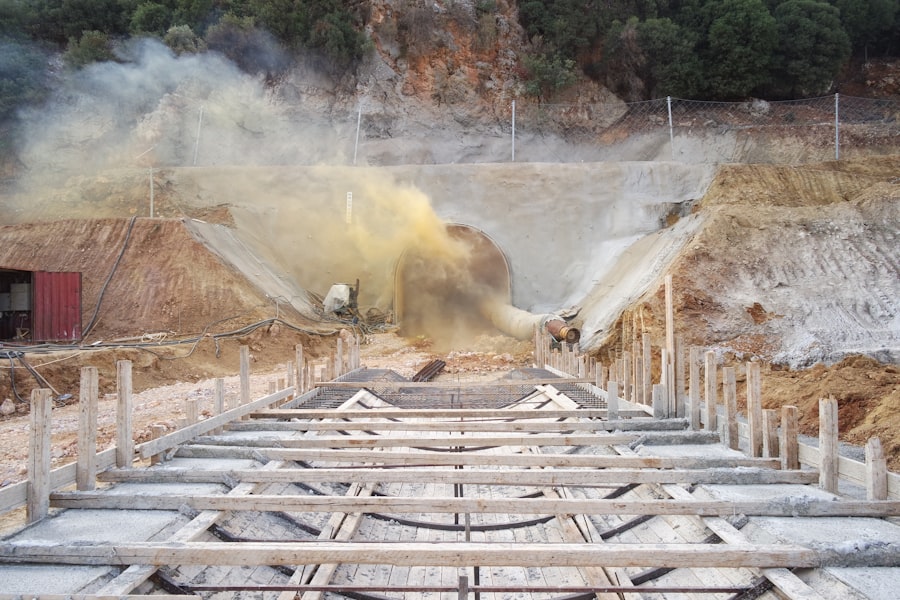
The ecological consequences of damming the Klamath River are profound and multifaceted. One of the most significant impacts has been on fish populations, particularly salmonids such as Chinook salmon and steelhead trout. These species rely on free-flowing rivers for their life cycles, migrating upstream to spawn in freshwater tributaries.
Dams create barriers that prevent these migrations, leading to population declines that threaten not only the fish themselves but also the entire aquatic food web that depends on them. In addition to disrupting fish migration, dams have altered the river’s natural flow regime. This change affects sediment transport, which is essential for maintaining healthy riverbanks and habitats.
The reduction in sediment flow can lead to erosion and habitat degradation, further exacerbating the challenges faced by aquatic species. Moreover, stagnant water behind dams can create conditions conducive to harmful algal blooms, which can produce toxins detrimental to both wildlife and human populations. The cumulative effects of these ecological disruptions underscore the urgent need for restoration efforts aimed at revitalizing the Klamath River’s health.
The Movement to Restore the Klamath River
| Metric | Value | Description |
|---|---|---|
| River Length | 253 miles | Total length of the Klamath River |
| Dam Removal Year | 2023 (planned) | Scheduled year for removal of four dams |
| Number of Dams Removed | 4 | Dams targeted for removal to restore river flow |
| Fish Species Restored | 5+ | Number of native fish species expected to benefit |
| Tribal Nations Involved | 4 | Tribes actively participating in restoration efforts |
| Restoration Funding | Over 450 million | Estimated funding allocated for restoration projects |
| Water Quality Improvement | Significant | Expected improvement in water quality post-restoration |
| Salmon Population Increase | Up to 10x | Projected increase in salmon runs after dam removal |
In response to the environmental degradation caused by damming, a robust movement has emerged advocating for the restoration of the Klamath River. This movement encompasses a diverse coalition of stakeholders, including indigenous tribes, environmental organizations, local communities, and government agencies. Their shared goal is to restore the river’s natural flow and ecological integrity while addressing the needs of those who depend on its resources.
The movement gained momentum in the early 2000s as awareness grew about the dire state of fish populations and water quality in the Klamath Basin. Activists began organizing campaigns to raise public awareness about the importance of restoring the river and removing barriers to fish migration. This grassroots effort has led to increased collaboration among various stakeholders, fostering dialogue about sustainable water management practices that prioritize both ecological health and community needs.
The Klamath River Dam Removal Project: Goals and Objectives
The Klamath River Dam Removal Project represents a landmark initiative aimed at restoring ecological balance to one of California’s most significant waterways. The primary goals of this ambitious project include removing four major dams—Copco No. 1, Copco No. 2, J.Boyle, and Iron Gate—by 2024. By dismantling these structures, proponents aim to restore natural river flows, improve water quality, and facilitate fish migration. In addition to ecological restoration, the project seeks to address social justice issues by recognizing and honoring the rights of indigenous tribes who have historically relied on the river for sustenance. The removal of these dams is seen as a critical step toward restoring cultural practices tied to fishing and other traditional uses of the river. Furthermore, stakeholders are committed to ensuring that local communities benefit from this restoration effort through sustainable economic opportunities that arise from a healthier river ecosystem.
The Process of Dam Removal and Environmental Impact Studies

The process of dam removal is complex and requires careful planning to minimize potential negative impacts on both human communities and wildlife. Before any physical dismantling occurs, extensive environmental impact studies are conducted to assess potential consequences on water quality, sediment transport, and aquatic habitats. These studies involve collaboration among scientists, engineers, and local stakeholders to develop strategies that mitigate risks associated with dam removal.
Once studies are completed and permits obtained, a phased approach is typically employed for dam removal. This method allows for monitoring of environmental changes as each dam is dismantled. By carefully managing sediment release and ensuring that downstream ecosystems are not adversely affected, project leaders aim to facilitate a smooth transition toward a restored river system.
This meticulous planning underscores the commitment to balancing ecological restoration with community safety and well-being.
Stakeholders and Community Involvement in the Restoration Project
The success of the Klamath River Dam Removal Project hinges on active participation from a wide array of stakeholders. Indigenous tribes play a central role in this initiative, as they possess invaluable traditional knowledge about the river’s ecology and cultural significance. Their involvement ensures that restoration efforts honor ancestral practices while addressing contemporary needs.
In addition to tribal participation, local communities are engaged through public meetings, workshops, and outreach programs designed to educate residents about the benefits of dam removal. Environmental organizations also contribute expertise in ecological restoration practices while advocating for policies that support sustainable water management. This collaborative approach fosters a sense of ownership among stakeholders and cultivates a shared vision for a revitalized Klamath River.
Challenges and Controversies Surrounding Dam Removal
Despite widespread support for dam removal among many stakeholders, challenges and controversies persist within this complex landscape. One significant concern revolves around potential economic impacts on local industries that rely on hydroelectric power generated by these dams. Opponents argue that removing dams could lead to energy shortages or increased electricity costs for consumers.
Additionally, there are concerns about how sediment release during dam removal may affect downstream ecosystems or infrastructure. Some community members worry about potential flooding or changes in water quality that could arise from sudden alterations in river flow dynamics. Addressing these concerns requires transparent communication between project leaders and local residents while ensuring that scientific data informs decision-making processes.
The Economic and Social Impacts of Restoring the Klamath River
Restoring the Klamath River holds promise not only for ecological health but also for economic revitalization within surrounding communities. A healthier river ecosystem can enhance recreational opportunities such as fishing, kayaking, and wildlife viewing—activities that attract tourists and generate revenue for local businesses. Furthermore, revitalized fish populations can support commercial fisheries that provide jobs and sustenance for families in the region.
By recognizing their connection to the land and water through restoration efforts, there is potential for cultural revitalization alongside economic growth. This multifaceted approach underscores how environmental restoration can serve as a catalyst for broader social change within affected communities.
The Future of the Klamath River and the Importance of Restoration
Looking ahead, the future of the Klamath River hinges on successful implementation of restoration efforts aimed at dismantling dams and revitalizing ecosystems. As these projects unfold over time, ongoing monitoring will be essential to assess ecological recovery while adapting management strategies based on observed outcomes. Moreover, fostering collaboration among diverse stakeholders will remain crucial in navigating challenges that arise during this transformative process.
By prioritizing sustainable practices that honor both ecological integrity and community needs, there is hope for a future where the Klamath River thrives once again—a future characterized by clean waters teeming with life.
The Significance of Restoring the Klamath River and the Dam Removal Project
In conclusion, restoring the Klamath River through dam removal represents a pivotal moment in addressing historical injustices while promoting ecological health within one of California’s most cherished waterways. The collaborative efforts among indigenous tribes, local communities, environmental organizations, and government agencies highlight an emerging paradigm focused on sustainability and respect for natural resources. As this ambitious project unfolds over coming years—transforming not only landscapes but also relationships between people and their environment—the significance extends far beyond mere ecological restoration; it embodies a commitment to healing past wounds while forging pathways toward resilience in an uncertain future.
The Klamath River stands as a testament to what can be achieved when diverse voices unite around shared goals—an enduring legacy that will benefit generations yet to come.
The Klamath River dam removal project has garnered significant attention due to its potential to restore the river’s ecosystem and improve fish populations. For more insights into the environmental impacts and community responses surrounding this initiative, you can read a related article on the topic at this link. This article provides a comprehensive overview of the project’s goals and the challenges faced by stakeholders involved in the process.
WATCH THIS! The $50 Billion Lie: America’s Dams Are About to Fail (60-Minute Documentary)
FAQs
What is the Klamath River Dam Removal Project?
The Klamath River Dam Removal Project is an initiative to remove four hydroelectric dams on the Klamath River, located in Oregon and California. The project aims to restore natural river flow, improve fish habitats, and support the ecosystem.
Which dams are being removed in the Klamath River Dam Removal Project?
The four dams scheduled for removal are the Iron Gate, Copco No. 1, Copco No. 2, and J.C. Boyle dams.
Why are the dams being removed?
The dams are being removed to restore salmon and other fish populations by improving fish passage, enhancing water quality, and reviving the river’s natural ecosystem. The project also addresses cultural and environmental concerns of local Indigenous tribes.
Who is responsible for the dam removal?
The project is a collaborative effort involving the Klamath River Renewal Corporation, federal and state agencies, local tribes, environmental groups, and the dam owner, PacifiCorp.
When is the dam removal expected to take place?
The timeline has evolved over the years, but the removal was initially planned to begin in the early 2020s, with completion expected within a few years after starting. Specific dates depend on regulatory approvals and funding.
What environmental benefits are expected from the dam removal?
Expected benefits include restored fish migration routes, improved water quality, reestablished natural sediment flow, and revitalized river ecosystems that support wildlife and local communities.
Are there any concerns or challenges associated with the dam removal?
Challenges include managing sediment release during removal, ensuring water supply and quality for local communities, and addressing the economic impacts on hydroelectric power generation.
How will the dam removal affect local communities?
The project aims to benefit local communities by restoring fisheries, improving recreational opportunities, and supporting cultural values. However, some communities may experience changes in water management and energy supply.
What role do Indigenous tribes play in the project?
Indigenous tribes are key stakeholders in the project, advocating for the restoration of fish populations and river health, which are vital to their cultural heritage and subsistence.
Where can I find more information about the Klamath River Dam Removal Project?
More information is available through the Klamath River Renewal Corporation website, federal and state environmental agencies, and local news sources covering environmental restoration efforts.