Extreme weather patterns have become increasingly prevalent in recent years, capturing the attention of scientists, policymakers, and the general public alike. These patterns, characterized by severe storms, prolonged droughts, and unprecedented temperature fluctuations, are often attributed to a combination of natural variability and human-induced climate change. The frequency and intensity of events such as hurricanes, floods, and heatwaves have raised alarms about their potential impacts on communities and ecosystems.
Understanding these patterns is crucial for developing effective strategies to mitigate their effects and enhance resilience. The science behind extreme weather is complex, involving intricate interactions between atmospheric conditions, ocean currents, and land use. Meteorologists and climatologists study these phenomena to identify trends and predict future occurrences.
For instance, the warming of ocean waters can lead to more powerful hurricanes, while changes in precipitation patterns can result in both flooding and drought in different regions. As these extreme weather events become more common, it is essential to recognize their implications for infrastructure, particularly for critical structures like dams that are designed to manage water resources and protect communities from flooding.
Key Takeaways
- Extreme weather patterns significantly increase the risk of dam failures.
- Regular inspections and maintenance are crucial for identifying vulnerabilities in dams.
- Climate change exacerbates the frequency and severity of conditions leading to dam failures.
- Effective emergency preparedness and response plans can mitigate the impact of dam failures.
- Advances in dam design, along with strong government regulations, enhance overall dam safety.
The Impact of Extreme Weather on Infrastructure
Extreme weather events pose significant challenges to infrastructure systems worldwide. Dams, bridges, roads, and buildings are all vulnerable to the forces unleashed by severe storms and flooding. When heavy rainfall occurs, the risk of dam failure increases dramatically, as the structures may be unable to handle the sudden influx of water.
This can lead to catastrophic consequences, including loss of life, property damage, and long-term environmental degradation. The impact of such failures extends beyond immediate physical destruction; it can disrupt local economies and displace communities. Moreover, the aging infrastructure in many regions exacerbates the risks associated with extreme weather.
Many dams were constructed decades ago and may not have been designed to withstand the intensity of modern storms. As climate change continues to alter weather patterns, the need for upgrades and retrofitting becomes increasingly urgent. Engineers and planners must assess existing structures to ensure they can cope with the challenges posed by extreme weather events.
Failure to do so could result in devastating consequences for both human populations and the environment.
Identifying Vulnerable Dam Sites

Identifying vulnerable dam sites is a critical step in managing the risks associated with extreme weather events. Various factors contribute to a dam’s vulnerability, including its age, design, location, and the surrounding landscape. For instance, dams situated in flood-prone areas or those built on unstable geological formations are at a higher risk of failure during severe weather events.
Additionally, the cumulative effects of climate change—such as rising sea levels and increased rainfall—can further compromise the integrity of these structures. To effectively identify at-risk dams, engineers and hydrologists employ advanced modeling techniques that simulate potential flood scenarios and assess the structural integrity of dams under various conditions. This data-driven approach allows for a comprehensive evaluation of vulnerabilities and helps prioritize which dams require immediate attention or retrofitting.
By focusing resources on the most at-risk sites, authorities can enhance overall safety and reduce the likelihood of catastrophic failures.
The Role of Climate Change in Dam Failure Risk
| Metric | Description | Impact on Dam Failure Risk | Example Data |
|---|---|---|---|
| Increased Precipitation Intensity | Frequency and magnitude of heavy rainfall events | Higher risk of overtopping and structural stress | 30% increase in extreme rainfall events over 20 years |
| Temperature Rise | Average annual temperature increase | Accelerated material degradation and reduced structural integrity | 1.5°C rise in average temperature since 1980 |
| Increased Flood Frequency | Number of flood events per decade | Greater likelihood of dam stress and failure | Flood events increased from 2 to 5 per decade |
| Drought Periods | Length and severity of droughts affecting reservoir levels | Reduced water levels can cause structural cracking and instability | Average drought duration increased by 25% |
| Soil Erosion Rates | Rate of soil loss around dam foundations | Compromises dam stability and increases failure risk | Soil erosion increased by 15% in catchment areas |
| Extreme Weather Events | Frequency of storms, hurricanes, and cyclones | Sudden stress and damage to dam infrastructure | Storm frequency doubled in last 30 years |
Climate change plays a pivotal role in increasing the risk of dam failures across the globe. As global temperatures rise, weather patterns become more erratic, leading to an increase in both the frequency and severity of extreme weather events. This shift poses significant challenges for dam management, as many existing structures were designed based on historical climate data that no longer accurately reflects current conditions.
Consequently, dams that once seemed secure may now be at risk due to changing hydrological patterns. Furthermore, climate change can exacerbate existing vulnerabilities within dam systems. For example, prolonged droughts can lead to reduced water levels in reservoirs, which may compromise a dam’s structural integrity over time.
Conversely, intense rainfall can overwhelm spillways and lead to overtopping or erosion of dam embankments. As climate models continue to evolve, it is essential for engineers and policymakers to incorporate these projections into their planning processes to ensure that dam safety measures remain effective in an uncertain future.
Strategies for Mitigating Dam Failure Risk
Mitigating the risk of dam failures requires a multifaceted approach that encompasses engineering solutions, policy reforms, and community engagement. One effective strategy is the implementation of modern engineering practices that enhance the resilience of existing dams. This may involve retrofitting structures with advanced materials or redesigning spillways to accommodate increased water flow during extreme weather events.
Additionally, regular maintenance and monitoring are essential to identify potential weaknesses before they escalate into serious issues. Policy reforms also play a crucial role in mitigating dam failure risks. Governments can establish stricter regulations regarding dam construction and maintenance standards, ensuring that new projects are built with climate resilience in mind.
Furthermore, investing in research and development can lead to innovative solutions that improve dam safety. Engaging local communities in these efforts is equally important; public awareness campaigns can educate residents about potential risks and encourage them to participate in emergency preparedness initiatives.
Importance of Regular Dam Inspections
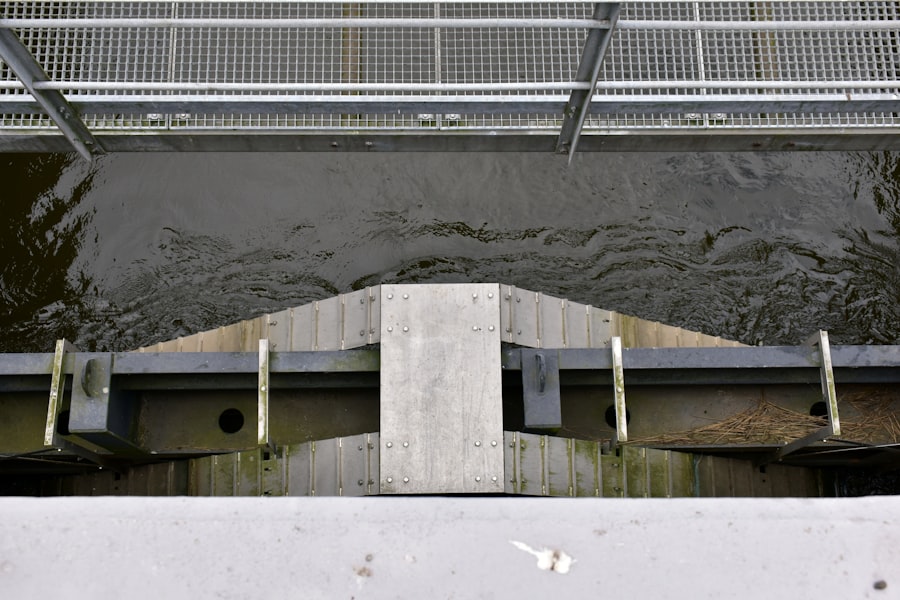
Regular inspections are vital for maintaining dam safety and preventing failures caused by extreme weather events. These inspections allow engineers to assess the structural integrity of dams, identify signs of wear or damage, and evaluate how well a dam is performing under current conditions. By conducting routine evaluations, authorities can address issues proactively rather than reactively, significantly reducing the risk of catastrophic failures.
In addition to physical inspections, monitoring technologies such as remote sensing and real-time data collection can enhance traditional inspection methods. These technologies provide valuable insights into a dam’s performance during extreme weather events, allowing for timely interventions when necessary. By prioritizing regular inspections and adopting innovative monitoring techniques, stakeholders can ensure that dams remain safe and functional even as climate conditions continue to evolve.
Emergency Preparedness and Response for Dam Failures
Emergency preparedness is essential for minimizing the impacts of dam failures on communities and ecosystems. Developing comprehensive emergency response plans involves collaboration among various stakeholders, including government agencies, emergency services, and local communities. These plans should outline clear protocols for evacuation procedures, communication strategies, and resource allocation during a crisis.
Training exercises play a crucial role in ensuring that all parties are familiar with their roles during an emergency. Simulating dam failure scenarios allows responders to practice their coordination efforts and identify potential gaps in their plans. Additionally, public education campaigns can inform residents about potential risks associated with nearby dams and encourage them to develop personal emergency plans.
By fostering a culture of preparedness, communities can enhance their resilience against the devastating consequences of dam failures.
The Economic and Environmental Consequences of Dam Failures
The economic repercussions of dam failures can be staggering, affecting not only local communities but also regional economies. The immediate costs associated with infrastructure repair and recovery efforts can be substantial; however, the long-term impacts may be even more profound. Displacement of residents leads to loss of productivity and income while disrupting local businesses.
Furthermore, environmental consequences such as habitat destruction and water quality degradation can have lasting effects on ecosystems that rely on stable water resources. In addition to direct economic losses, dam failures can strain public resources as governments allocate funds for disaster response and recovery efforts. The financial burden often falls disproportionately on vulnerable populations who may lack the resources to recover fully from such disasters.
Therefore, investing in proactive measures to prevent dam failures not only protects lives but also safeguards economic stability and environmental health.
Innovations in Dam Design and Construction
Innovations in dam design and construction are essential for addressing the challenges posed by extreme weather events and climate change. Engineers are increasingly exploring new materials and technologies that enhance the resilience of dams while minimizing their environmental impact. For instance, incorporating sustainable design principles can lead to structures that better withstand flooding while preserving surrounding ecosystems.
Additionally, advancements in hydrological modeling allow engineers to simulate various scenarios more accurately than ever before. This enables them to design dams that can adapt to changing conditions over time while ensuring safety remains a top priority.
The Role of Government Regulations in Dam Safety
Government regulations play a critical role in ensuring dam safety across jurisdictions. Regulatory frameworks establish standards for construction practices, maintenance protocols, and inspection requirements that help mitigate risks associated with dam failures. By enforcing these regulations consistently, authorities can promote accountability among dam owners and operators while ensuring that public safety remains paramount.
Moreover, government agencies often provide funding for research initiatives aimed at improving dam safety practices. Collaborating with academic institutions and industry experts allows regulators to stay informed about emerging technologies and best practices in dam management. By fostering a culture of safety through robust regulations and ongoing research support, governments can significantly reduce the risks associated with dam failures.
Public Awareness and Education on Dam Failure Risk
Public awareness and education are crucial components of effective dam safety management. Communities living near dams must understand the potential risks associated with these structures as well as the measures they can take to protect themselves during emergencies. Educational campaigns can provide valuable information about evacuation routes, emergency contacts, and preparedness strategies tailored specifically for residents living near high-risk dams.
Workshops, informational sessions, and community drills can empower residents with knowledge about how to respond effectively during a crisis. By prioritizing public awareness efforts surrounding dam failure risks, stakeholders can cultivate resilient communities better equipped to face potential challenges posed by extreme weather events.
Extreme weather events have increasingly raised concerns about the risk of dam failures, highlighting the need for robust infrastructure and emergency preparedness. A related article that delves into this critical issue can be found at this link, where experts discuss the implications of climate change on dam safety and the necessary measures to mitigate potential disasters.
WATCH THIS! The $50 Billion Lie: America’s Dams Are About to Fail (60-Minute Documentary)
FAQs
What is extreme weather dam failure risk?
Extreme weather dam failure risk refers to the increased likelihood of dam breaches or collapses caused by severe weather events such as heavy rainfall, flooding, hurricanes, or rapid snowmelt. These conditions can overwhelm dam structures, leading to potential failures.
What types of extreme weather events can cause dam failures?
Common extreme weather events that can contribute to dam failures include intense storms, prolonged heavy rainfall, flash floods, hurricanes, typhoons, and rapid snowmelt. These events can increase water pressure and cause structural damage to dams.
Why are dams vulnerable to extreme weather?
Dams are vulnerable because extreme weather can lead to sudden increases in water volume and pressure, erosion of dam materials, overtopping, and structural weakening. Aging infrastructure and inadequate maintenance can also increase vulnerability.
What are the consequences of a dam failure due to extreme weather?
Dam failure can result in catastrophic flooding downstream, loss of life, property damage, environmental destruction, disruption of water supply, and economic losses. It can also impact ecosystems and infrastructure such as roads and bridges.
How can dam failure risks from extreme weather be mitigated?
Risk mitigation strategies include regular dam inspections and maintenance, upgrading dam infrastructure, implementing early warning systems, improving weather forecasting, emergency preparedness planning, and managing reservoir water levels proactively.
Are certain regions more at risk of dam failure due to extreme weather?
Yes, regions prone to heavy rainfall, hurricanes, or rapid snowmelt are generally at higher risk. Areas with older dams or insufficient infrastructure investment may also face greater vulnerability.
What role does climate change play in extreme weather dam failure risk?
Climate change is expected to increase the frequency and intensity of extreme weather events, thereby elevating the risk of dam failures. Changes in precipitation patterns and more severe storms can challenge existing dam designs and safety measures.
Who is responsible for monitoring and managing dam safety?
Dam safety is typically managed by government agencies, dam owners, and operators. Regulatory bodies set safety standards, conduct inspections, and enforce compliance to reduce failure risks.
What should communities do to prepare for potential dam failures?
Communities should stay informed about local dam safety, participate in emergency drills, have evacuation plans, heed warnings from authorities, and understand flood risk zones to enhance preparedness.
Can technology help reduce the risk of dam failure during extreme weather?
Yes, technologies such as remote sensing, real-time monitoring systems, advanced weather forecasting, and automated alert systems can improve early detection of potential dam issues and enhance response times during extreme weather events.