
Dams have long been regarded as monumental achievements of engineering, serving multiple purposes such as water supply, flood control, irrigation, and hydropower generation. However, the increasing impacts of climate change are reshaping the landscape in which these structures operate. As global temperatures rise and weather patterns become more erratic, the implications for dam management and operation are profound.
The interplay between dams and climate change is complex, necessitating a comprehensive understanding of how these massive structures can adapt to a rapidly changing environment. The relationship between dams and climate change is not merely a matter of operational adjustments; it encompasses a wide array of environmental, social, and economic factors. As climate change intensifies, the risks associated with dam infrastructure grow, prompting stakeholders to reconsider their strategies for managing water resources.
This article delves into the multifaceted impacts of climate change on dams, exploring the increased risk of flooding, changes in water availability, effects on hydropower generation, and much more. By examining these issues, it becomes evident that proactive measures are essential to ensure the resilience of dam systems in the face of climate change.
Key Takeaways
- Climate change intensifies flooding risks and alters water availability, challenging dam operations.
- Hydropower generation is affected by changing water flows and reservoir sedimentation.
- Structural safety of dams is threatened by extreme weather and increased sediment buildup.
- Ecosystems and biodiversity downstream are impacted by altered water regimes from dams.
- Effective adaptation, policy measures, and governance are crucial to mitigate economic and social impacts.
Increased Risk of Flooding
One of the most immediate consequences of climate change is the increased risk of flooding, which poses significant challenges for dam management. As precipitation patterns shift and extreme weather events become more frequent, the likelihood of sudden and intense rainfall events rises. This can lead to rapid inflow into reservoirs, overwhelming their capacity and increasing the risk of dam failure.
The potential for catastrophic flooding downstream is a pressing concern for engineers and policymakers alike. Moreover, the changing climate can exacerbate existing vulnerabilities in dam infrastructure. Many dams were designed based on historical hydrological data that may no longer be relevant in the context of climate change.
As a result, the assumptions underlying flood management strategies may need to be reevaluated. This necessitates a shift towards more adaptive management practices that take into account the uncertainties associated with future climate scenarios. By incorporating advanced modeling techniques and real-time monitoring systems, dam operators can better anticipate flooding events and implement timely interventions to mitigate risks.
Changes in Water Availability
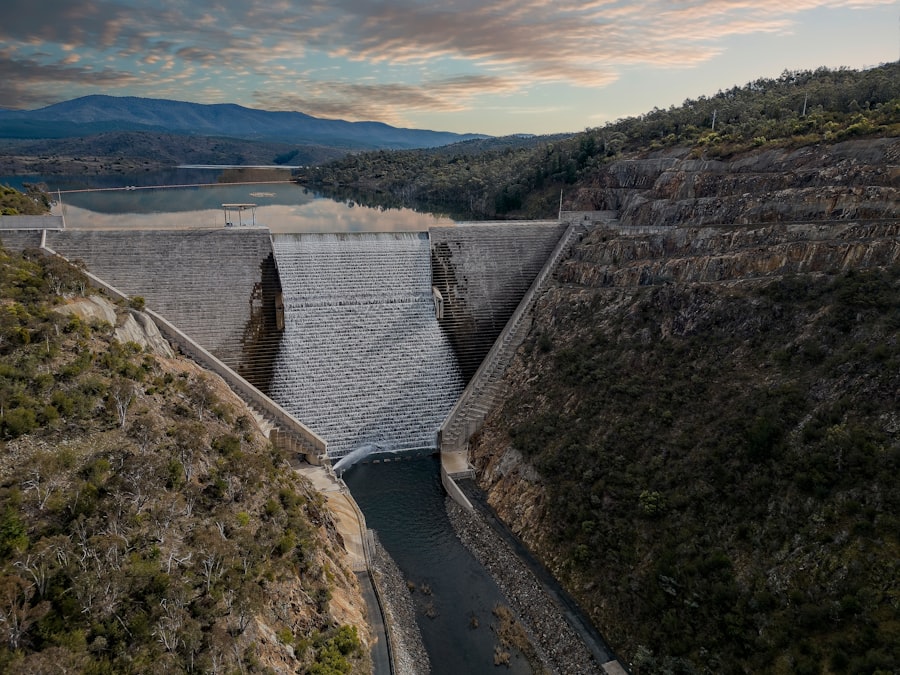
Climate change is also altering patterns of water availability, which has significant implications for dam operations. In some regions, prolonged droughts are becoming more common, leading to reduced inflows into reservoirs. This can strain water supply systems that rely on dams for irrigation, drinking water, and industrial use.
Conversely, other areas may experience increased rainfall, resulting in higher runoff and potential overflows. The variability in water availability complicates the management of reservoirs and necessitates a more nuanced approach to water resource allocation. The impact of changing water availability extends beyond immediate supply concerns; it also affects long-term planning for water infrastructure.
As demand for water continues to grow due to population increases and economic development, the pressure on existing dam systems intensifies. Water scarcity can lead to conflicts among users, particularly in regions where multiple stakeholders depend on the same water source. To address these challenges, integrated water resource management strategies must be developed that consider both current needs and future uncertainties related to climate change.
Impact on Hydropower Generation
| Region | Annual Hydropower Generation (GWh) | Change in Generation (%) | Primary Impact Factor | Mitigation Measures |
|---|---|---|---|---|
| North America | 350,000 | -5% | Reduced river flow due to drought | Improved water management, reservoir optimization |
| South America | 420,000 | -8% | Altered precipitation patterns | Investment in flexible turbine technology |
| Europe | 280,000 | -3% | Seasonal variability in snowmelt | Enhanced forecasting and grid integration |
| Africa | 90,000 | -12% | Increased evaporation rates | Development of small-scale hydropower |
| Asia | 600,000 | -6% | Glacier retreat affecting river flow | Water storage infrastructure improvements |
| Oceania | 50,000 | -4% | Variable rainfall patterns | Adaptive reservoir management |
Hydropower generation is one of the primary functions of many dams, providing a renewable source of energy that contributes to national grids. However, climate change poses significant challenges to hydropower production. Changes in precipitation patterns can lead to fluctuations in water levels within reservoirs, directly impacting the amount of electricity that can be generated.
In regions experiencing prolonged droughts, reduced water flow can result in decreased energy output, undermining the reliability of hydropower as a consistent energy source. Additionally, the variability in water availability can complicate energy planning and grid management. As hydropower becomes less predictable due to climate-induced changes, energy producers may need to diversify their portfolios by investing in alternative energy sources or enhancing energy storage capabilities.
This transition requires careful consideration of both economic and environmental factors to ensure a balanced approach to energy generation that aligns with sustainability goals.
Structural Integrity and Safety Concerns
The structural integrity of dams is paramount for ensuring public safety and environmental protection. Climate change introduces new stressors that can compromise the stability of these structures. Increased rainfall and flooding can lead to erosion around dam foundations or overtopping scenarios that threaten their structural integrity.
Furthermore, temperature fluctuations can cause materials to expand or contract, potentially leading to cracks or other forms of deterioration over time. To address these safety concerns, regular inspections and maintenance protocols must be updated to account for climate-related risks. Engineers may need to incorporate new materials or design features that enhance resilience against extreme weather events.
Additionally, emergency preparedness plans should be revisited to ensure that communities downstream are adequately informed and equipped to respond in case of a dam failure. By prioritizing safety in the face of climate change, stakeholders can help safeguard both human lives and natural ecosystems.
Sedimentation and Reservoir Capacity
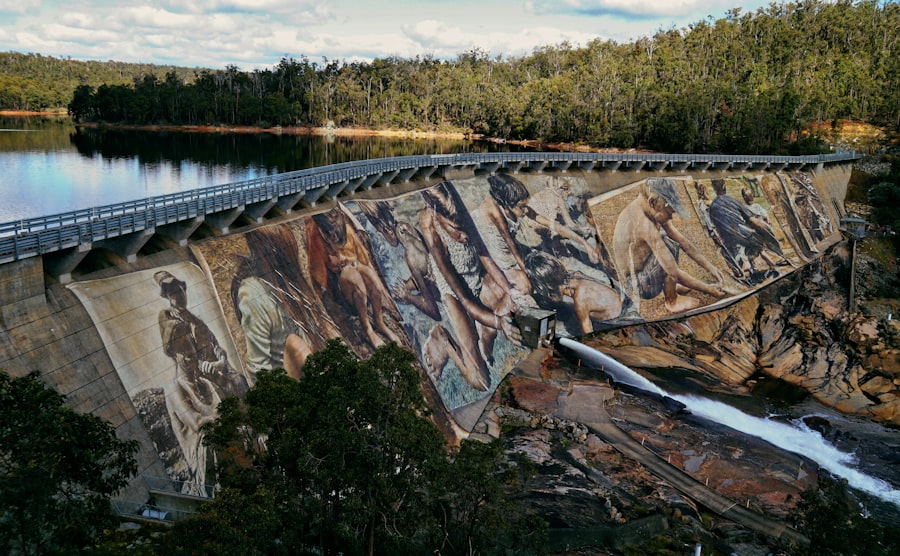
Sedimentation is another critical issue exacerbated by climate change that affects dam operations and reservoir capacity. Increased rainfall can lead to higher rates of erosion in upstream areas, resulting in greater sediment transport into reservoirs. Over time, sediment accumulation reduces the storage capacity of reservoirs, diminishing their ability to manage floodwaters and supply water during dry periods.
The implications of sedimentation extend beyond operational challenges; they also impact ecological health. Sediment plays a vital role in maintaining riverine ecosystems by providing habitat for various aquatic species. When sediment transport is disrupted due to damming or increased sedimentation rates from upstream erosion, it can lead to adverse effects on biodiversity and ecosystem function.
To mitigate these impacts, sediment management strategies must be integrated into dam operations, including regular dredging or sediment bypass systems that allow natural sediment transport processes to continue.
Effects on Ecosystems and Biodiversity
The construction and operation of dams have long been associated with significant ecological changes in river systems. Climate change compounds these effects by altering habitats and species distributions. Fluctuations in water temperature and flow regimes can disrupt spawning cycles for fish and other aquatic organisms, leading to declines in populations that are already stressed by habitat fragmentation caused by dams.
Moreover, changes in water quality due to increased runoff from heavy rainfall can introduce pollutants into reservoirs and downstream ecosystems.
To address these challenges, it is essential for dam operators to incorporate ecological considerations into their management practices.
Adaptation and Mitigation Strategies
In light of the myriad challenges posed by climate change, adaptation and mitigation strategies are crucial for ensuring the long-term viability of dam systems. One approach involves enhancing the flexibility of reservoir operations to respond dynamically to changing hydrological conditions. This could include adjusting release schedules based on real-time data or employing adaptive management frameworks that allow for iterative learning and adjustment over time.
Additionally, investing in green infrastructure solutions can complement traditional dam operations by improving watershed health and reducing runoff impacts. Practices such as reforestation, wetland restoration, and sustainable land use planning can enhance natural water retention capabilities while also providing co-benefits for biodiversity and community resilience. By integrating these strategies into broader water management frameworks, stakeholders can create more sustainable systems that are better equipped to withstand the impacts of climate change.
Economic Implications
The economic implications of climate change on dams are far-reaching and multifaceted. As water availability fluctuates due to changing precipitation patterns, industries reliant on consistent water supplies may face increased operational costs or even disruptions in production. Agriculture is particularly vulnerable; farmers who depend on irrigation from reservoirs may experience reduced yields during droughts or increased competition for limited water resources during periods of scarcity.
Moreover, the potential for increased flooding poses significant financial risks not only for dam operators but also for communities living downstream. The costs associated with disaster response, infrastructure repair, and economic recovery can be substantial. To mitigate these economic impacts, investment in resilient infrastructure becomes essential.
By prioritizing upgrades and maintenance that account for future climate scenarios, stakeholders can reduce vulnerability while promoting economic stability within affected regions.
Social and Cultural Impacts
The social and cultural impacts of climate change on dams extend beyond economic considerations; they also encompass community well-being and cultural heritage. Many communities have deep-rooted connections to rivers and lakes that have been altered by dam construction. Changes in water availability or quality can disrupt traditional practices such as fishing or gathering plants for medicinal purposes, leading to cultural dislocation.
Furthermore, marginalized communities often bear the brunt of climate-related impacts due to existing inequalities in access to resources and decision-making power. Ensuring equitable participation in water management processes is crucial for addressing these disparities while fostering resilience among vulnerable populations. By incorporating local knowledge into decision-making frameworks and prioritizing community engagement initiatives, stakeholders can work towards more inclusive approaches that honor cultural values while addressing the challenges posed by climate change.
Policy and Governance Responses
Effective policy and governance responses are essential for addressing the complex challenges posed by climate change on dams. Collaborative approaches that involve multiple stakeholders—including government agencies, local communities, environmental organizations, and industry representatives—are necessary for developing comprehensive strategies that consider diverse perspectives. Regulatory frameworks must evolve to incorporate climate resilience as a core principle guiding dam management practices.
This includes updating design standards based on projected climate scenarios while also promoting transparency in decision-making processes related to water allocation and infrastructure investments. By fostering adaptive governance structures that prioritize stakeholder engagement and knowledge sharing, policymakers can create more resilient systems capable of navigating the uncertainties associated with climate change. In conclusion, the intersection of dams and climate change presents a myriad of challenges that require urgent attention from engineers, policymakers, communities, and environmental advocates alike.
By understanding the multifaceted impacts outlined above—from increased flooding risks to social implications—stakeholders can work collaboratively towards innovative solutions that enhance resilience while safeguarding both human lives and natural ecosystems for generations to come.
The impact of climate change on dams is a critical issue that requires urgent attention, as rising temperatures and changing precipitation patterns can significantly affect water management and infrastructure stability. For a deeper understanding of this topic, you can read the article on MyGeoQuest that discusses various aspects of climate change and its implications for dam operations and safety. Check it out here: MyGeoQuest.
WATCH THIS! The $50 Billion Lie: America’s Dams Are About to Fail (60-Minute Documentary)
FAQs
What is the impact of climate change on dams?
Climate change affects dams primarily through altered precipitation patterns, increased frequency of extreme weather events, and changes in water availability. These factors can influence dam safety, reservoir levels, and hydropower generation.
How does climate change affect dam safety?
Increased rainfall intensity and extreme weather events can lead to higher inflow volumes, raising the risk of dam overtopping or structural stress. Prolonged droughts can also impact the stability of dam foundations and reduce water availability.
Can climate change influence reservoir water levels?
Yes, changes in precipitation and evaporation rates due to rising temperatures can cause fluctuations in reservoir water levels, leading to either water shortages or flooding risks.
How does climate change impact hydropower generation from dams?
Variability in water flow caused by altered rainfall and snowmelt patterns can reduce the reliability and efficiency of hydropower generation, potentially leading to decreased energy output.
Are dams designed to withstand climate change effects?
Many existing dams were designed based on historical climate data and may not fully account for future climate variability. Upgrading design standards and incorporating climate projections are necessary to enhance dam resilience.
What measures can be taken to mitigate climate change impacts on dams?
Measures include improving dam design and maintenance, implementing adaptive water management strategies, enhancing monitoring systems, and integrating climate risk assessments into dam operation protocols.
Do all regions experience the same climate change impacts on dams?
No, the impacts vary by region depending on local climate patterns, hydrology, and dam infrastructure. Some areas may face increased flooding risks, while others may experience water scarcity.
How does climate change affect sedimentation in reservoirs?
Changes in rainfall intensity and land use can alter sediment transport, potentially increasing sedimentation rates in reservoirs, which reduces storage capacity and affects dam operation.
Is there ongoing research on climate change and dam infrastructure?
Yes, researchers are actively studying the effects of climate change on dam safety, hydrology, and management to develop adaptive strategies and improve resilience.
Why is it important to consider climate change in dam planning and management?
Incorporating climate change projections helps ensure the long-term safety, functionality, and sustainability of dams, protecting communities and ecosystems dependent on these water resources.