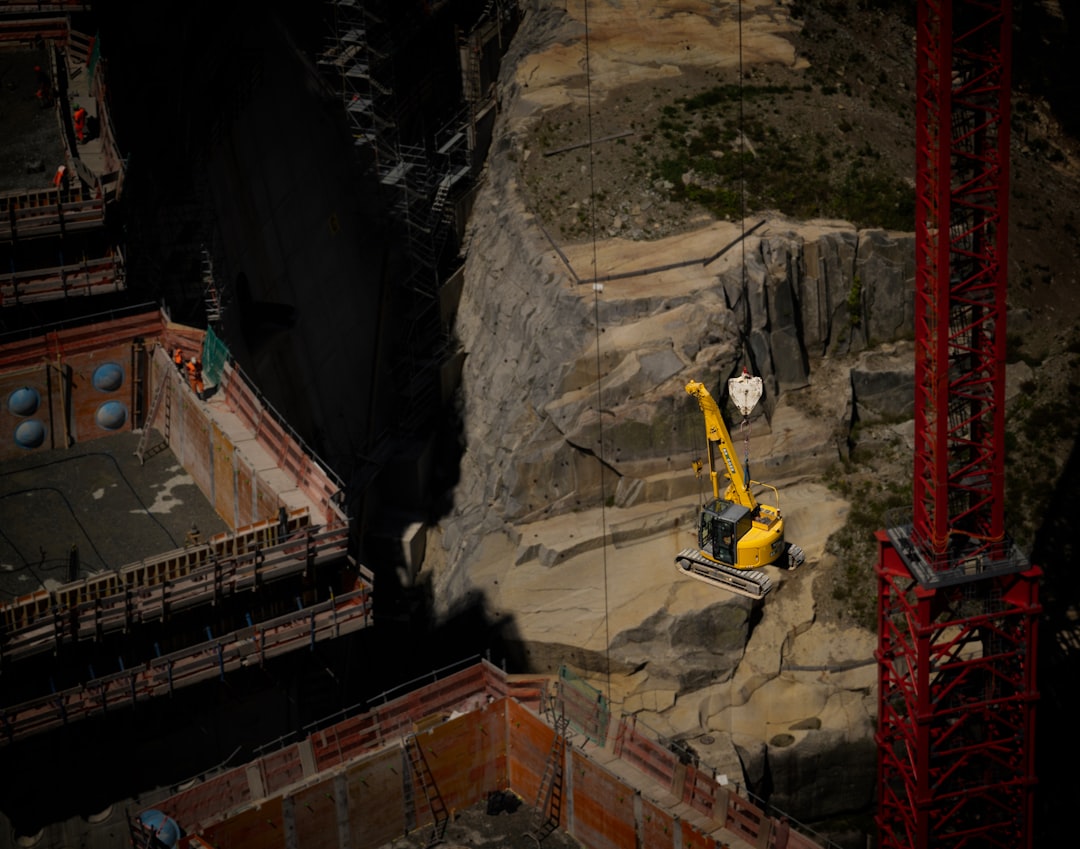
Dam construction techniques have evolved significantly over the years, reflecting advancements in engineering, materials science, and environmental considerations. Historically, dams were built using rudimentary methods that relied heavily on local materials and labor. These early structures often prioritized immediate utility over long-term sustainability and safety.
As the demand for water resources, flood control, and hydroelectric power increased, so did the complexity of dam construction. Modern techniques now incorporate sophisticated design principles, advanced materials, and cutting-edge technology to ensure that dams can withstand both natural forces and human demands. Today, the construction of dams involves a multi-disciplinary approach that includes hydrology, geology, and environmental science.
Engineers utilize computer modeling to simulate water flow and stress on structures, allowing for more precise designs that can accommodate varying conditions. Additionally, modern construction techniques emphasize sustainability, aiming to minimize ecological disruption while maximizing the benefits of water management. This evolution in dam construction reflects a broader understanding of the interplay between human infrastructure and the natural environment, highlighting the need for responsible engineering practices.
Key Takeaways
- Outdated dam construction techniques pose significant safety and environmental risks.
- Lack of proper safety standards increases the likelihood of structural weaknesses and dam failures.
- Dam failures can lead to severe flooding, impacting local communities and infrastructure.
- Economic costs from dam failures are substantial, highlighting the need for preventive measures.
- Modern construction methods and retrofitting are essential to ensure dam safety and sustainability.
The Risks of Outdated Dam Construction Techniques
Despite advancements in dam construction, many existing structures still rely on outdated techniques that pose significant risks. These older methods often lack the resilience required to cope with contemporary challenges such as climate change, increased rainfall, and seismic activity. As a result, dams constructed several decades ago may not meet current safety standards or adequately address the complexities of modern hydrology.
The reliance on outdated techniques can lead to vulnerabilities that threaten both the integrity of the dam and the safety of surrounding communities. Moreover, outdated construction techniques often fail to incorporate lessons learned from past failures.
The risks associated with these outdated methods are compounded by the fact that many dams are aging and require regular maintenance and upgrades. Without timely interventions, the potential for catastrophic failure increases, putting lives and property at risk.
Lack of Safety Standards and Regulations
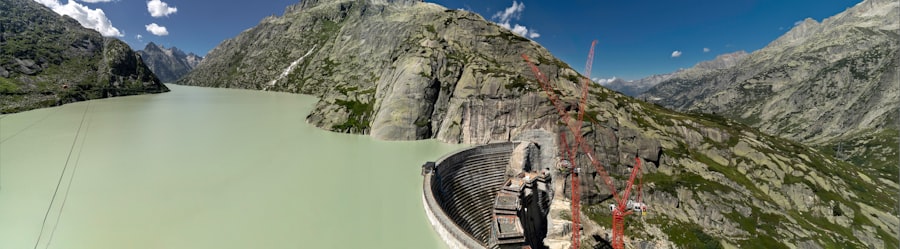
The absence of stringent safety standards and regulations for dam construction exacerbates the risks associated with outdated techniques. In many regions, regulatory frameworks have not kept pace with advancements in engineering practices or the growing understanding of environmental impacts. This regulatory lag can result in inadequate oversight during the construction and maintenance of dams, allowing subpar practices to persist unchecked.
Consequently, many dams remain vulnerable to failure due to a lack of rigorous safety assessments and compliance checks. Furthermore, the inconsistency in safety regulations across different jurisdictions can create a patchwork of standards that complicates enforcement and accountability. In some areas, local authorities may lack the resources or expertise to effectively monitor dam safety, leading to a reliance on outdated practices that do not reflect current knowledge or technology.
This regulatory gap not only endangers public safety but also undermines confidence in the infrastructure that communities depend on for water management and flood control.
Environmental Impacts of Outdated Dam Construction
| Environmental Impact | Description | Metric / Data | Effect on Ecosystem |
|---|---|---|---|
| Habitat Fragmentation | Dams block migration routes for aquatic species | Up to 90% reduction in fish migration in affected rivers | Loss of biodiversity and disruption of breeding cycles |
| Altered Sediment Transport | Trapping of sediments behind dams reduces downstream sediment flow | 70-90% sediment retention in reservoirs | Riverbed erosion downstream and loss of fertile floodplains |
| Water Quality Degradation | Stagnant water in reservoirs leads to low oxygen levels and increased pollutants | DO (Dissolved Oxygen) levels drop below 3 mg/L in some reservoirs | Fish kills and reduced aquatic life health |
| Greenhouse Gas Emissions | Decomposition of organic matter in reservoirs releases methane | Reservoirs emit 0.1 to 0.4 g CH4/m²/day | Contribution to global warming |
| Displacement of Communities | Flooding of land for dam reservoirs displaces human and wildlife populations | Millions displaced globally by large dam projects | Loss of cultural sites and disruption of local livelihoods |
| Reduced Downstream Flow | Altered flow regimes affect downstream ecosystems and agriculture | Flow reductions up to 50% in some river stretches | Decreased soil fertility and wetland degradation |
Outdated dam construction techniques often neglect the environmental consequences associated with large-scale water management projects. Early dam designs frequently prioritized human needs without considering the ecological balance of river systems. As a result, many existing dams disrupt natural habitats, alter sediment transport, and impede fish migration.
These environmental impacts can have far-reaching consequences for local ecosystems, leading to declines in biodiversity and changes in water quality. In addition to disrupting local ecosystems, outdated dams can exacerbate issues related to climate change. For instance, many older structures were not designed to handle increased flooding or prolonged droughts, which are becoming more common due to shifting weather patterns.
The failure to account for these changes can lead to significant ecological degradation as rivers are forced to adapt to unnatural flow patterns. As awareness of these environmental impacts grows, there is an increasing call for more sustainable dam construction practices that prioritize ecological health alongside human needs.
Structural Weaknesses in Outdated Dams
Structural weaknesses are a significant concern for many aging dams built using outdated construction techniques. Over time, factors such as material degradation, inadequate design specifications, and poor maintenance can compromise a dam’s structural integrity. For instance, concrete can crack and erode due to prolonged exposure to water and weathering processes, while steel reinforcements may corrode if not properly protected.
These weaknesses can accumulate over time, leading to an increased risk of failure. Moreover, many older dams were constructed without modern engineering principles that account for dynamic loads and environmental stresses. As a result, they may lack essential features such as spillways designed to manage excess water during heavy rainfall or seismic reinforcements to withstand earthquakes.
The absence of these critical design elements can leave outdated dams vulnerable to catastrophic failure under extreme conditions. Addressing these structural weaknesses is essential for ensuring the long-term safety and reliability of dam infrastructure.
Potential for Dam Failure and Flooding
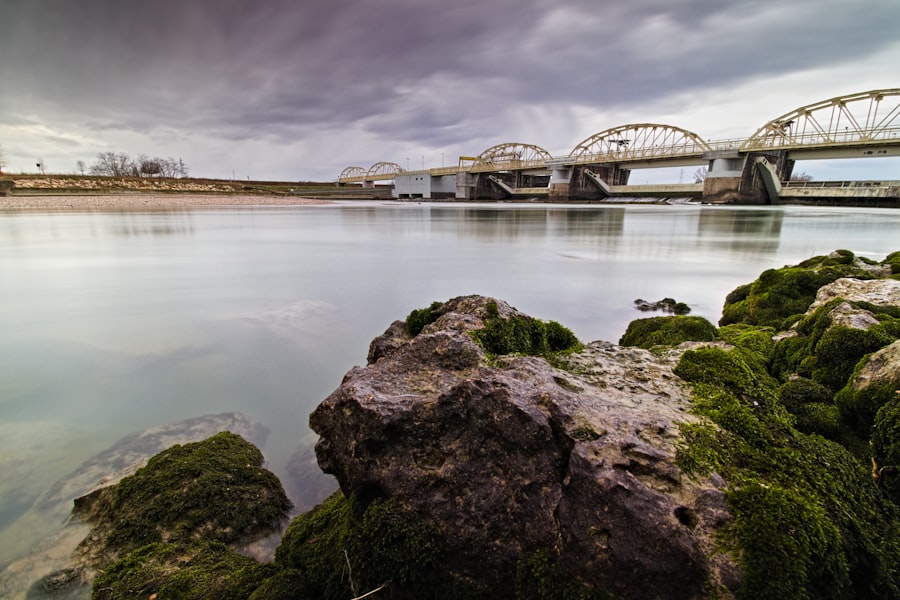
The potential for dam failure poses a serious threat to communities located downstream of aging structures built with outdated techniques. When a dam fails, it can unleash a torrent of water that devastates everything in its path—homes, infrastructure, and even lives. The consequences of such failures can be catastrophic, leading to loss of life and significant economic damage.
The risk of flooding is particularly acute in regions where heavy rainfall or rapid snowmelt can overwhelm a dam’s capacity. Furthermore, the potential for dam failure is exacerbated by climate change, which is increasing the frequency and intensity of extreme weather events. Many older dams were not designed to handle these new realities, leaving them ill-equipped to manage sudden surges in water flow.
As communities grow and develop in proximity to these aging structures, the stakes become even higher. The need for proactive measures—such as regular inspections, maintenance upgrades, and emergency preparedness plans—becomes paramount in mitigating the risks associated with potential dam failures.
Impact on Local Communities and Infrastructure
The impact of outdated dam construction techniques extends beyond structural integrity; it also affects local communities and infrastructure in profound ways. Communities situated near aging dams often live under the constant threat of flooding or catastrophic failure. This anxiety can lead to decreased property values and hinder economic development as residents grapple with the risks associated with living near potentially dangerous structures.
Moreover, when a dam fails or is deemed unsafe, it can disrupt essential services such as water supply and electricity generation. The resulting chaos can strain local emergency services and overwhelm infrastructure designed to handle routine challenges rather than large-scale disasters. In some cases, entire communities may need to evacuate or relocate due to the risks posed by nearby dams.
This displacement can have lasting social and economic repercussions as families are uprooted from their homes and livelihoods.
Economic Costs of Dam Failures
The economic costs associated with dam failures are staggering and multifaceted. When a dam collapses or experiences significant structural issues, the immediate financial implications can include damage to property, loss of life, and emergency response expenses. However, the long-term economic impact can be even more severe as communities grapple with rebuilding efforts and lost productivity due to disrupted services.
Insurance claims following a dam failure can place an enormous financial burden on both individuals and local governments. Additionally, the costs associated with repairing or replacing damaged infrastructure can strain public budgets already stretched thin by other pressing needs. The economic fallout from a dam failure can ripple through entire regions, affecting businesses reliant on stable water supplies or reliable electricity generation.
As such, investing in modern construction techniques and regular maintenance is not only a matter of public safety but also an essential consideration for economic stability.
Case Studies of Dam Failures Due to Outdated Construction Techniques
Several high-profile case studies illustrate the dangers posed by outdated dam construction techniques. One notable example is the failure of the St.
Built using early 20th-century methods without adequate consideration for geological conditions, the dam collapsed after heavy rainfall caused it to overflow. The resulting flood claimed over 400 lives and caused extensive property damage—a stark reminder of the catastrophic consequences that can arise from neglecting modern engineering principles. Another significant case is the failure of the Banqiao Dam in China in 1975.
This disaster was precipitated by an unprecedented storm that overwhelmed the dam’s capacity; however, underlying structural weaknesses due to outdated construction methods played a critical role in its collapse. The resulting flood affected millions of people and led to tens of thousands of fatalities—underscoring the urgent need for updated safety standards and modern engineering practices in dam construction.
Modern Approaches to Dam Construction and Maintenance
In response to the risks associated with outdated techniques, modern approaches to dam construction emphasize safety, sustainability, and resilience. Engineers now employ advanced materials that offer greater durability against environmental stresses while also incorporating design features that enhance structural integrity. For instance, modern dams often include spillways designed to manage excess water flow effectively during heavy rainfall events.
Additionally, contemporary maintenance practices prioritize regular inspections and proactive upgrades based on evolving knowledge about hydrology and climate change impacts. By utilizing advanced monitoring technologies such as sensors and drones, engineers can assess a dam’s condition in real-time—allowing for timely interventions before issues escalate into crises. These modern approaches reflect a commitment to ensuring that dams serve their intended purposes while safeguarding public safety and environmental health.
The Importance of Updating and Retrofitting Outdated Dams
Updating and retrofitting outdated dams is crucial for addressing the myriad risks associated with aging infrastructure. By investing in modernization efforts—such as reinforcing structures with contemporary materials or incorporating advanced monitoring systems—communities can significantly enhance their resilience against potential failures. These upgrades not only improve safety but also extend the lifespan of existing dams, allowing them to continue serving vital functions such as water supply management and flood control.
Moreover, retrofitting efforts can provide opportunities for integrating ecological considerations into dam operations. For instance, modifications may include fish ladders or other features designed to facilitate wildlife movement while maintaining water management capabilities. By prioritizing updates that reflect both human needs and environmental stewardship, communities can create a more sustainable future while mitigating risks associated with outdated construction techniques.
In conclusion, addressing the challenges posed by outdated dam construction techniques requires a comprehensive approach that encompasses engineering innovation, regulatory reform, community engagement, and environmental stewardship. By recognizing the importance of modernizing existing infrastructure while prioritizing safety and sustainability, society can work towards creating resilient water management systems that protect both people and ecosystems for generations to come.
In recent discussions about the evolution of dam construction techniques, it’s important to consider the implications of outdated methods that may no longer meet modern safety and environmental standards. For a deeper understanding of this topic, you can read the article on the challenges and advancements in dam engineering at this link. This article provides valuable insights into how traditional practices are being reassessed in light of contemporary needs and technologies.
WATCH THIS! The $50 Billion Lie: America’s Dams Are About to Fail (60-Minute Documentary)
FAQs
What are outdated dam construction methods?
Outdated dam construction methods refer to traditional techniques and materials used in building dams that have been largely replaced by modern engineering practices. These older methods often involved less precise design, manual labor-intensive processes, and materials that may not meet current safety and environmental standards.
Why are some dam construction methods considered outdated?
Some dam construction methods are considered outdated because they do not incorporate advances in engineering, materials science, and environmental considerations. These methods may result in lower structural integrity, higher maintenance costs, and greater environmental impact compared to modern techniques.
What are examples of outdated dam construction methods?
Examples include the use of unreinforced masonry or earthfill without proper compaction, reliance on manual labor for excavation and placement, and the absence of modern geotechnical analysis. Early gravity dams and simple earth dams built without modern seepage control measures are also considered outdated.
What are the risks of using outdated dam construction methods?
Risks include structural failure due to inadequate design or materials, increased susceptibility to erosion and seepage, reduced lifespan of the dam, and potential safety hazards to downstream communities. Outdated methods may also fail to comply with current regulatory standards.
How have dam construction methods improved over time?
Improvements include the use of reinforced concrete, advanced earthfill compaction techniques, computer-aided design and modeling, better understanding of hydrology and geology, and incorporation of environmental impact assessments. These advances enhance dam safety, durability, and environmental compatibility.
Can dams built with outdated methods be upgraded?
Yes, many dams constructed with outdated methods can be retrofitted or rehabilitated to meet modern safety standards. Upgrades may involve structural reinforcement, installation of seepage control systems, spillway improvements, and monitoring instrumentation.
Are outdated dam construction methods still used today?
In most developed regions, outdated methods have been largely replaced by modern engineering practices. However, in some developing areas or remote locations, traditional methods may still be used due to limited resources or technical expertise.
What role does technology play in modern dam construction?
Technology plays a critical role by enabling precise design through computer modeling, improving material quality, enhancing construction techniques with machinery, and facilitating real-time monitoring of dam performance to ensure safety and efficiency.