
Earthen dams, often referred to as embankment dams, are structures primarily composed of natural materials such as soil, clay, and rock.
Their design and construction are rooted in ancient practices, yet they continue to be a vital component of modern water management systems.
The significance of earthen dams lies not only in their functionality but also in their ability to blend harmoniously with the surrounding environment, making them a preferred choice in many regions. The construction of earthen dams is a complex process that requires careful planning and execution. Engineers and construction teams must consider various factors, including the geological characteristics of the site, hydrological conditions, and environmental impacts.
The success of an earthen dam hinges on meticulous attention to detail throughout its lifecycle, from initial site selection to ongoing maintenance. Understanding the intricacies involved in the construction and management of these structures is essential for ensuring their longevity and effectiveness.
Key Takeaways
- Earthen dams require careful site selection and thorough preparation to ensure stability.
- Designing the dam involves planning the core, drainage, and overall structure for safety and durability.
- Proper gathering and compaction of fill materials are critical for the dam’s strength.
- Drainage systems and armoring protect the dam from water damage and erosion.
- Ongoing monitoring and maintenance are essential to preserve the dam’s integrity over time.
Site Selection and Preparation
The first step in constructing an earthen dam is selecting an appropriate site. This process involves a thorough assessment of the geographical and geological characteristics of potential locations. Engineers must evaluate factors such as soil composition, topography, and proximity to water sources.
A suitable site typically features stable ground with adequate clay content to ensure impermeability, which is crucial for preventing water seepage. Additionally, the site should be located away from areas prone to natural disasters like landslides or earthquakes, which could compromise the dam’s integrity. Once a site has been selected, preparation begins.
This phase includes clearing vegetation, removing debris, and conducting soil tests to determine the suitability of the materials available for construction. Engineers often perform detailed surveys to map out the area and identify any potential challenges that may arise during construction. Proper site preparation is critical, as it lays the foundation for a successful dam project.
Any oversight at this stage can lead to significant issues later on, including structural weaknesses or environmental degradation.
Designing the Dam
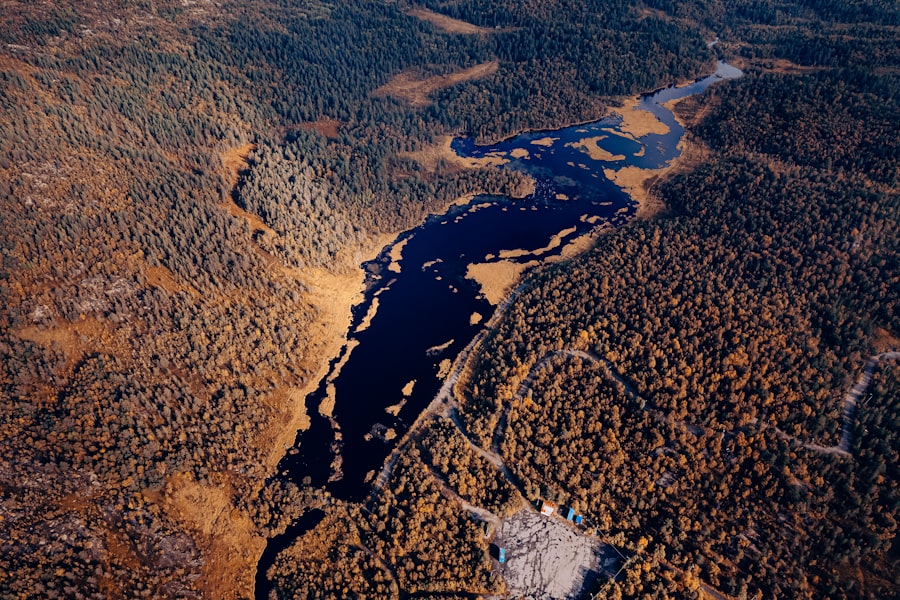
The design of an earthen dam is a multifaceted process that requires collaboration among engineers, hydrologists, and environmental scientists. The primary goal is to create a structure that can withstand the forces exerted by water while maintaining stability over time. Engineers must consider various design elements, including the dam’s height, width, and slope.
The design must also account for potential flooding scenarios and incorporate spillways to manage excess water flow effectively. In addition to structural considerations, environmental impacts play a crucial role in the design process. Engineers must assess how the dam will affect local ecosystems and wildlife habitats.
This often involves conducting environmental impact assessments to identify potential risks and develop mitigation strategies. By integrating ecological considerations into the design phase, engineers can create a dam that not only serves its intended purpose but also minimizes harm to the surrounding environment.
Gathering Materials
| Material | Quantity Needed | Source | Collection Time (hours) | Quality Rating (1-10) |
|---|---|---|---|---|
| Wood | 50 units | Forest | 4 | 7 |
| Stone | 30 units | Quarry | 3 | 8 |
| Clay | 20 units | Riverbank | 2 | 6 |
| Iron Ore | 15 units | Mine | 5 | 9 |
| Fiber | 40 units | Grasslands | 3 | 5 |
Once the design is finalized, the next step involves gathering the necessary materials for construction. The primary components of an earthen dam include soil, clay, rock, and sometimes additional materials like geotextiles or reinforcing elements. The selection of materials is critical; they must possess specific properties that contribute to the dam’s strength and impermeability.
For instance, clay is often used in the core of the dam due to its low permeability, while coarser materials may be utilized for the outer layers to enhance stability. Transportation logistics also play a significant role in this phase. Engineers must plan how to source materials from nearby quarries or borrow pits while considering cost-effectiveness and environmental impact.
In some cases, it may be necessary to conduct tests on the materials to ensure they meet the required specifications for strength and durability. Efficient material gathering is essential for maintaining project timelines and budgets while ensuring that the dam will perform as intended.
Constructing the Foundation
The foundation of an earthen dam is one of its most critical components, as it provides stability and support for the entire structure. The construction process begins with excavating the foundation area to create a level base that can adequately support the weight of the dam. Engineers must ensure that the foundation is free from loose soil or debris that could compromise its integrity.
This often involves compacting the soil to achieve optimal density before any further construction takes place. Once the foundation is prepared, engineers may install a filter layer designed to prevent soil erosion while allowing water to drain through. This layer acts as a barrier between different soil types, ensuring that water does not carry away fine particles from the core material.
The careful construction of the foundation sets the stage for subsequent phases of dam building and is vital for ensuring long-term stability and performance.
Building the Core of the Dam
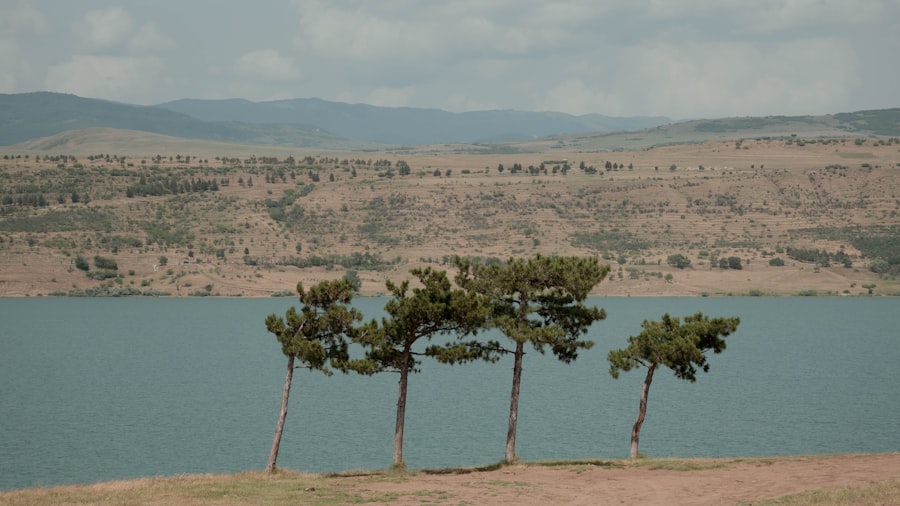
The core of an earthen dam is its most crucial element, responsible for providing impermeability and preventing water seepage. Typically constructed from clay or other fine-grained materials, this core must be built with precision to ensure it meets design specifications. The construction process involves placing layers of material in a controlled manner, followed by thorough compaction to achieve maximum density.
This step is essential for minimizing voids within the core that could lead to leaks or structural weaknesses. As each layer of material is added, engineers must monitor moisture content closely. The right moisture level is critical for achieving optimal compaction; too much moisture can lead to instability, while too little can prevent proper bonding between layers.
The core’s construction requires skilled laborers who understand the importance of these factors and can execute them effectively. A well-constructed core is vital for the overall success of the dam and its ability to withstand hydraulic pressures over time.
Placing and Compacting Fill Material
After constructing the core, attention turns to placing and compacting fill material around it. This fill material typically consists of coarser soils or aggregates that provide structural support while allowing for drainage. The placement process involves layering these materials systematically around the core, ensuring that each layer is compacted adequately before adding more material on top.
This methodical approach helps maintain stability and prevents settlement issues in the future. Compaction is a critical aspect of this phase; it ensures that air pockets are eliminated and that the fill material achieves maximum density. Engineers often use heavy machinery such as rollers or compactors to achieve this goal effectively.
The compaction process must be monitored closely to ensure uniformity across all layers; any inconsistencies could lead to weak points in the dam structure. By adhering to strict compaction standards, engineers can enhance the dam’s overall strength and longevity.
Installing Drainage Systems
An essential component of earthen dam construction is the installation of drainage systems designed to manage water flow effectively. These systems help prevent excessive pressure buildup within the dam structure by allowing water to escape safely. Engineers typically incorporate various drainage features such as toe drains, relief wells, or weep holes into their designs.
These elements work together to maintain optimal moisture levels within the dam while preventing erosion or structural damage. The placement of drainage systems requires careful planning and execution. Engineers must consider factors such as soil permeability and expected water levels when determining where to install these features.
Additionally, regular maintenance of drainage systems is crucial; blockages or failures can lead to significant issues over time, including increased seepage or even catastrophic failure of the dam itself. By prioritizing effective drainage solutions during construction, engineers can enhance both safety and performance.
Armoring the Dam
To protect against erosion caused by wind and water flow, earthen dams often require armoring on their surfaces. This protective layer typically consists of rock riprap or vegetation designed to absorb impact forces while preventing soil loss from rain or runoff. The armoring process involves carefully placing these materials on exposed surfaces in a manner that ensures stability while allowing for natural drainage.
In addition to providing physical protection, armoring can also enhance the aesthetic appeal of an earthen dam by integrating it into its natural surroundings. Vegetative armoring can promote biodiversity by creating habitats for local wildlife while stabilizing soil through root systems. Engineers must consider both functional and ecological aspects when designing armoring solutions; a well-armored dam not only performs effectively but also contributes positively to its environment.
Monitoring and Maintenance
Once an earthen dam has been constructed, ongoing monitoring and maintenance become paramount for ensuring its long-term safety and functionality. Regular inspections are essential for identifying potential issues such as erosion, seepage, or structural weaknesses before they escalate into serious problems. Engineers often employ various techniques for monitoring dam performance, including visual inspections, instrumentation for measuring water levels or pressure changes, and geotechnical assessments.
Maintenance activities may include repairing erosion damage, clearing drainage systems of debris, or reinforcing weak areas identified during inspections. Establishing a comprehensive maintenance plan helps ensure that any necessary repairs are addressed promptly while minimizing risks associated with aging infrastructure. By prioritizing monitoring and maintenance efforts throughout its lifecycle, stakeholders can safeguard both public safety and environmental integrity.
Conclusion and Further Resources
In conclusion, earthen dams represent a vital component of modern water management systems, providing essential services such as flood control and irrigation support while harmonizing with their natural surroundings. The construction process involves numerous stages—from site selection through ongoing maintenance—each requiring careful planning and execution to ensure success. For those interested in learning more about earthen dams or pursuing careers in this field, numerous resources are available through professional organizations such as the U.S.
Society on Dams (USSD) or international bodies like ICOLD (International Commission on Large Dams). These organizations offer valuable information on best practices in design, construction techniques, safety standards, and environmental considerations related to earthen dams. By understanding both the complexities involved in constructing earthen dams and their importance within broader water management strategies, individuals can appreciate their role in promoting sustainable development while safeguarding communities against natural disasters.
Earthen dams are constructed using natural materials such as soil and rock, which are compacted to create a strong barrier against water. The process involves careful planning and execution to ensure stability and longevity.