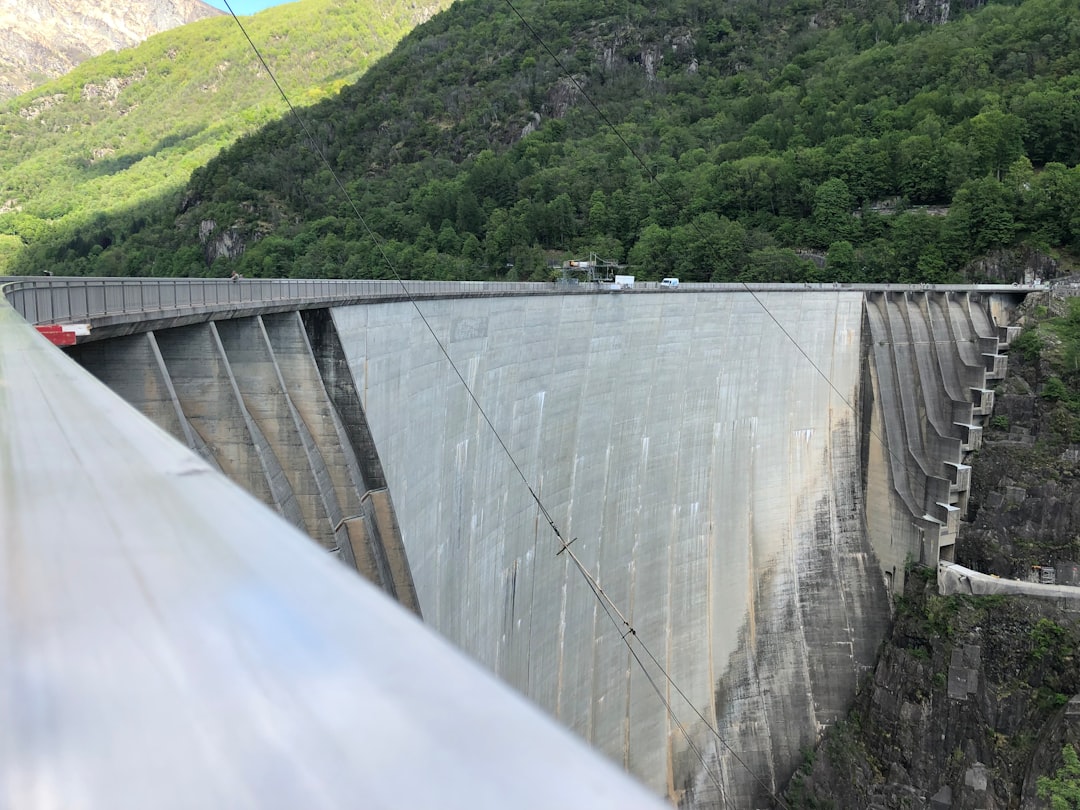
Strategic decision-making regarding dams is a critical process that can have far-reaching implications for ecosystems, communities, and economies. Dams have historically been constructed to serve various purposes, including water supply, flood control, and hydroelectric power generation. However, as societal values evolve and environmental awareness increases, the need for a more nuanced approach to dam management has become evident.
Decision-makers must weigh the benefits of maintaining existing structures against the potential advantages of removal, which can lead to significant changes in river ecosystems and local communities. The importance of strategic decision-making lies in its ability to balance multiple interests and outcomes. Stakeholders, including government agencies, environmental organizations, local communities, and industry representatives, often have differing priorities.
This collaborative approach not only fosters transparency but also enhances the legitimacy of the final decision, whether it leans toward repair or removal. Ultimately, strategic decision-making is essential for achieving sustainable outcomes that align with both ecological health and community needs.
Key Takeaways
- Strategic decision-making is crucial when choosing between dam removal and repair.
- Environmental, economic, social, and cultural impacts must be thoroughly assessed.
- Long-term benefits and technical challenges play a significant role in the evaluation.
- Regulatory, legal, and stakeholder engagement are essential components of the process.
- A comprehensive, informed approach ensures balanced consideration of all factors involved.
Assessing the Environmental Impact of Dam Removal
The environmental impact of dam removal is a multifaceted issue that requires careful assessment. Dams can significantly alter river ecosystems by impeding natural water flow, disrupting sediment transport, and affecting fish migration patterns. When a dam is removed, these systems can begin to recover, leading to improved water quality and enhanced biodiversity.
The reestablishment of natural river dynamics can restore habitats for various aquatic species, including those that have been endangered or threatened due to dam-related changes. However, the environmental benefits of dam removal must be weighed against potential short-term negative impacts. For instance, the sudden release of sediment that has accumulated behind a dam can lead to increased turbidity in downstream waters, affecting aquatic life and water quality temporarily.
Additionally, the removal process itself can pose risks to local ecosystems if not managed properly.
These assessments should include studies on hydrology, sediment transport, and biological responses to ensure that the decision made is informed by scientific evidence.
Economic considerations play a pivotal role in the decision-making process surrounding dam management. On one hand, repairing and maintaining existing dams can be seen as a way to preserve investments made in infrastructure and ensure continued benefits such as hydroelectric power generation and flood control. The costs associated with repairs can vary significantly depending on the age and condition of the dam, as well as the extent of necessary upgrades to meet modern safety standards.
Conversely, proponents of dam removal often argue that the long-term economic benefits of restoring natural river systems can outweigh the costs associated with repair. For instance, removed dams can lead to revitalized fisheries and increased recreational opportunities such as kayaking and fishing, which can boost local economies. Additionally, the reduction in maintenance costs associated with aging infrastructure can free up resources for other community needs.
Ultimately, a thorough economic analysis must consider both immediate financial implications and potential future benefits to determine the most viable path forward.
Evaluating the Social and Cultural Implications of Dam Removal
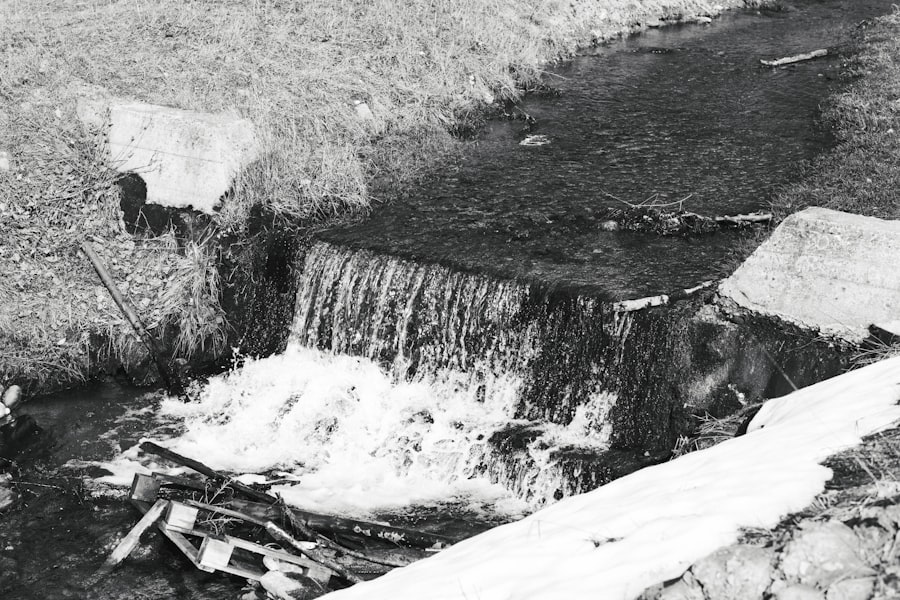
The social and cultural implications of dam removal are complex and deeply intertwined with local communities’ identities and histories. Many dams have been integral to regional development, providing not only economic benefits but also shaping cultural practices related to water use and recreation. For some communities, the presence of a dam may symbolize progress and stability; for others, it may represent ecological degradation or loss of traditional ways of life.
Engaging with local communities is essential when evaluating these social dimensions. Public forums and stakeholder meetings can provide platforms for residents to express their views on dam removal or repair. Understanding community sentiments can help decision-makers gauge the potential social ramifications of their choices.
Moreover, recognizing the cultural significance of rivers and their ecosystems can lead to more informed decisions that honor local traditions while promoting ecological restoration.
Understanding the Potential Benefits of Dam Removal
| Benefit Category | Metric | Potential Impact | Example Data |
|---|---|---|---|
| Ecological Restoration | Fish Population Increase | Restores migratory routes, boosting native fish numbers | Up to 90% increase in salmon runs within 5 years |
| Water Quality | Reduction in Sediment Build-up | Improves oxygen levels and reduces harmful algae blooms | 30-50% decrease in sediment accumulation downstream |
| River Morphology | Restoration of Natural Flow | Re-establishes natural river channels and floodplains | Return to pre-dam flow variability within 3 years |
| Recreational Opportunities | Increase in Recreational Use | Enhances fishing, kayaking, and wildlife viewing | 20-40% rise in local recreational visits post-removal |
| Economic Benefits | Boost in Local Tourism | Supports local economies through increased tourism | 15-25% growth in tourism-related activities |
| Flood Risk Management | Improved Floodplain Connectivity | Reduces downstream flood risks by restoring floodplains | Significant reduction in flood peak levels during storms |
The potential benefits of dam removal extend beyond environmental restoration; they encompass a range of social, economic, and recreational advantages as well. One of the most significant ecological benefits is the restoration of natural river flow patterns, which can enhance habitat diversity and improve water quality. This revitalization can lead to increased fish populations and healthier aquatic ecosystems, ultimately benefiting both wildlife and human communities that rely on these resources.
In addition to ecological improvements, dam removal can also foster economic growth through enhanced recreational opportunities. Rivers that are free-flowing often attract tourists for activities such as fishing, rafting, and hiking along newly accessible riverbanks. This influx of visitors can provide a boost to local businesses and create jobs in tourism-related sectors.
Furthermore, communities may experience improved quality of life as they gain access to restored natural spaces that promote outdoor activities and community engagement.
Weighing the Costs and Benefits of Dam Repair
When considering dam repair as an option, it is crucial to conduct a thorough analysis of both costs and benefits. Repairing a dam often involves significant financial investment in maintenance and upgrades to meet safety regulations. These costs can escalate over time as infrastructure ages and requires more extensive work to remain functional.
Decision-makers must consider whether these investments will yield sufficient returns in terms of continued benefits such as flood control or energy production. Moreover, the benefits of repair must be evaluated in light of changing societal values regarding environmental stewardship and sustainability. As communities increasingly prioritize ecological health, the justification for maintaining aging dams may weaken.
Decision-makers should assess whether repairing a dam aligns with broader goals for environmental conservation and community well-being. Ultimately, weighing these costs against potential long-term benefits is essential for making informed choices about dam management.
Exploring the Long-Term Implications of Dam Removal
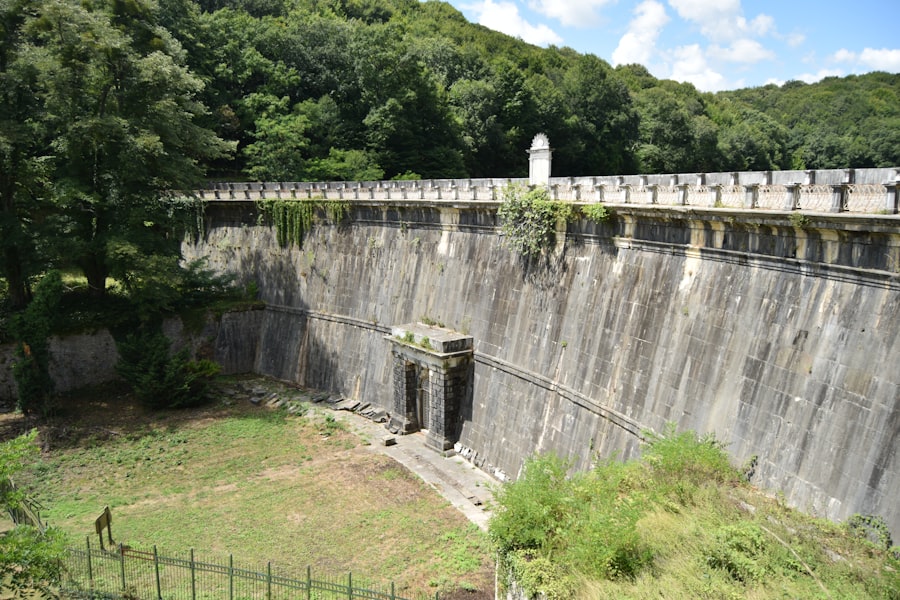
The long-term implications of dam removal are profound and multifaceted. In many cases, removing a dam leads to significant ecological recovery over time as rivers regain their natural flow patterns. This recovery can result in improved habitats for fish and other wildlife, contributing to greater biodiversity in the region.
Additionally, restored rivers often enhance water quality by allowing sediment transport processes to resume naturally. However, long-term implications also extend to human communities that depend on river systems for various needs. While some communities may benefit from increased recreational opportunities following dam removal, others may face challenges related to changes in water availability or quality.
It is essential for decision-makers to consider these potential outcomes when evaluating dam removal options. Engaging with stakeholders throughout this process can help ensure that long-term implications are understood and addressed effectively.
Examining the Technical Challenges of Dam Removal
The technical challenges associated with dam removal are significant and require careful planning and execution. The process involves not only dismantling physical structures but also managing sediment release and ensuring that downstream ecosystems are protected during the transition. Engineers must develop strategies to mitigate potential negative impacts on water quality and aquatic life during removal operations.
Additionally, logistical considerations such as access to the site, equipment needs, and safety protocols must be addressed comprehensively. Collaboration among engineers, environmental scientists, and regulatory agencies is crucial for navigating these technical challenges effectively. By employing best practices in engineering and environmental management, stakeholders can work together to ensure that dam removal is conducted safely and sustainably.
Considering the Regulatory and Legal Aspects of Dam Removal
The regulatory landscape surrounding dam removal is complex and varies by region. Numerous federal, state, and local regulations govern water management practices, environmental protection standards, and public safety considerations related to dams. Decision-makers must navigate this intricate web of regulations when contemplating dam removal or repair.
In many cases, obtaining necessary permits for dam removal involves extensive documentation demonstrating compliance with environmental laws such as the Clean Water Act or Endangered Species Act. Engaging with regulatory agencies early in the decision-making process can help identify potential hurdles and streamline compliance efforts. Additionally, understanding legal liabilities associated with both repair and removal options is essential for mitigating risks throughout the project lifecycle.
Engaging Stakeholders in the Decision-Making Process
Engaging stakeholders in the decision-making process is vital for achieving successful outcomes in dam management discussions. Stakeholders encompass a diverse array of groups including local residents, environmental organizations, government agencies, industry representatives, and indigenous communities who may have historical ties to the land or waterway in question. Facilitating open dialogue among these groups fosters transparency and builds trust within communities affected by dam decisions.
Public meetings, workshops, and collaborative forums provide platforms for stakeholders to voice their concerns and preferences regarding repair or removal options. By actively involving stakeholders throughout the decision-making process, decision-makers can better understand community values while ensuring that diverse perspectives are considered in shaping future outcomes.
Making an informed decision regarding dam removal versus repair requires careful consideration of various factors that encompass environmental, economic, social, technical, regulatory, and stakeholder dimensions. Decision-makers must evaluate ecological impacts alongside economic feasibility while also considering community sentiments about cultural significance tied to existing infrastructure. Furthermore, understanding long-term implications—both positive and negative—associated with each option is crucial for ensuring sustainable outcomes that align with broader societal goals related to environmental stewardship and community well-being.
By synthesizing information from diverse sources—including scientific research findings; stakeholder input; regulatory requirements; technical assessments; cost analyses; social impact studies; etc.—decision-makers can arrive at well-rounded conclusions that reflect comprehensive understanding rather than isolated perspectives. In conclusion, navigating the complexities surrounding dam management necessitates strategic decision-making informed by a multitude of factors spanning ecological health; economic viability; social equity; technical feasibility; regulatory compliance; stakeholder engagement; etc.. Ultimately—whether opting for repair or removal—the goal should be achieving sustainable solutions that honor both human needs while safeguarding our precious natural resources for generations yet unborn.
In the ongoing debate over the best approach to managing aging infrastructure, the discussion surrounding strategic dam removal versus repair has gained significant attention. A related article that delves into the implications of these choices can be found at