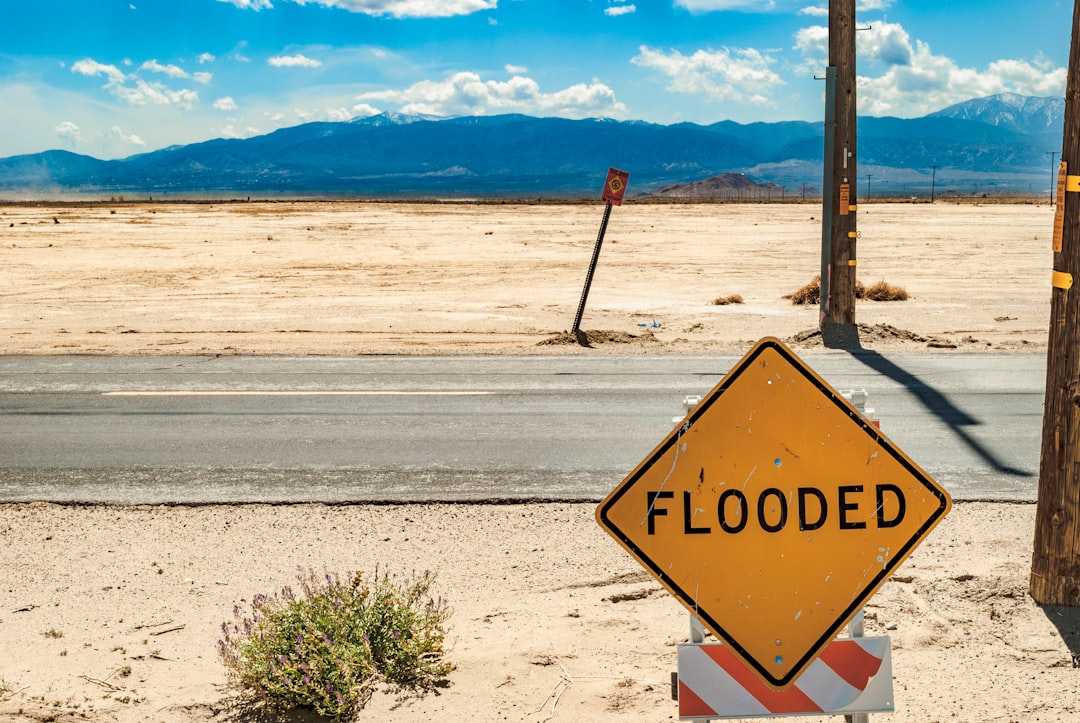
Flood risk management encompasses a comprehensive approach to mitigating the impacts of flooding on communities, infrastructure, and ecosystems. It involves a combination of strategies aimed at reducing the likelihood of flooding, minimizing damage when floods do occur, and enhancing the resilience of affected areas. This multifaceted discipline integrates scientific research, engineering practices, and community engagement to create effective solutions tailored to specific regions.
By understanding the dynamics of water flow, rainfall patterns, and land use, flood risk management seeks to anticipate and address potential flood events before they escalate into disasters. At its core, flood risk management is not merely about responding to floods but rather about proactive planning and preparedness. This includes assessing historical flood data, modeling potential future scenarios, and identifying key vulnerabilities within a given area.
By employing a range of tools—from hydrological modeling to geographic information systems—professionals can develop a clearer picture of flood risks. This understanding is crucial for informing policy decisions, guiding infrastructure investments, and fostering community awareness about the importance of flood preparedness.
Key Takeaways
- Effective flood risk management involves understanding risks, identifying vulnerable areas, and implementing early warning systems.
- Infrastructure improvements and natural flood management techniques are key to reducing flood impacts.
- Public education and stakeholder collaboration enhance community preparedness and response.
- Integrating climate change adaptation ensures long-term resilience against evolving flood threats.
- Regular evaluation and updating of flood risk management plans maintain their effectiveness over time.
Importance of Flood Risk Management
The significance of flood risk management cannot be overstated, particularly in an era marked by climate change and urbanization. Flooding can lead to devastating consequences, including loss of life, destruction of property, and long-term economic disruption. Effective flood risk management serves as a safeguard against these outcomes by implementing strategies that protect both people and assets.
It plays a vital role in ensuring public safety, preserving economic stability, and maintaining the integrity of natural ecosystems. Moreover, the importance of flood risk management extends beyond immediate disaster response. It fosters resilience within communities by promoting sustainable development practices that consider flood risks in urban planning and land use decisions.
By integrating flood risk management into broader environmental policies, communities can enhance their ability to withstand future challenges posed by climate variability. This holistic approach not only mitigates the impacts of flooding but also contributes to the overall well-being of society by creating safer living environments.
Identifying Vulnerable Areas

Identifying vulnerable areas is a critical step in effective flood risk management. Vulnerability assessments involve analyzing various factors such as geography, population density, infrastructure quality, and historical flood data to pinpoint regions at high risk for flooding. This process requires collaboration among hydrologists, urban planners, and local governments to ensure that all relevant data is considered.
By mapping out these vulnerable zones, stakeholders can prioritize resources and interventions where they are needed most. In addition to physical characteristics, social factors also play a significant role in determining vulnerability. Communities with limited resources or inadequate infrastructure may be more susceptible to the impacts of flooding.
Therefore, understanding the socio-economic context is essential for developing targeted strategies that address both physical and social vulnerabilities. By engaging with local communities during this assessment phase, flood risk managers can gain valuable insights into specific needs and concerns, ultimately leading to more effective and inclusive flood management solutions.
Implementing Early Warning Systems
| Metric | Description | Example Value | Unit |
|---|---|---|---|
| Detection Time | Time taken to detect an impending hazard | 5 | minutes |
| Warning Dissemination Time | Time taken to send warnings to the public after detection | 3 | minutes |
| Population Coverage | Percentage of population reached by the warning system | 85 | % |
| False Alarm Rate | Percentage of warnings issued that were false alarms | 7 | % |
| System Uptime | Percentage of time the early warning system is operational | 99.5 | % |
| Response Time | Time taken for emergency services to respond after warning | 15 | minutes |
| Community Preparedness Level | Percentage of community trained and aware of warning protocols | 70 | % |
Early warning systems are a cornerstone of effective flood risk management, providing timely information that can save lives and reduce property damage. These systems utilize advanced technology to monitor weather patterns, river levels, and other relevant data to predict potential flooding events. By disseminating alerts to communities at risk, early warning systems empower individuals and local authorities to take necessary precautions before a flood occurs.
The implementation of these systems requires collaboration between meteorological agencies, emergency services, and local governments. It is essential to ensure that the information provided is accurate, accessible, and actionable. Public education campaigns play a crucial role in this process by informing residents about how to respond to alerts and what steps to take in the event of a flood warning.
By fostering a culture of preparedness, communities can significantly enhance their resilience against flooding.
Developing Floodplain Management Regulations
Developing effective floodplain management regulations is vital for minimizing flood risks and protecting vulnerable areas. These regulations typically involve land-use planning measures that restrict development in high-risk flood zones while promoting sustainable practices in less vulnerable areas. By establishing clear guidelines for construction and land use, communities can reduce the potential for property damage and loss of life during flooding events.
Moreover, floodplain management regulations should be adaptable to changing conditions, particularly in light of climate change. As weather patterns become more unpredictable, it is essential for regulations to evolve accordingly. This may involve revisiting zoning laws, updating building codes, or implementing stricter controls on development in flood-prone areas.
Engaging stakeholders in this process ensures that regulations are not only effective but also reflect the needs and values of the community.
Investing in Infrastructure Improvements
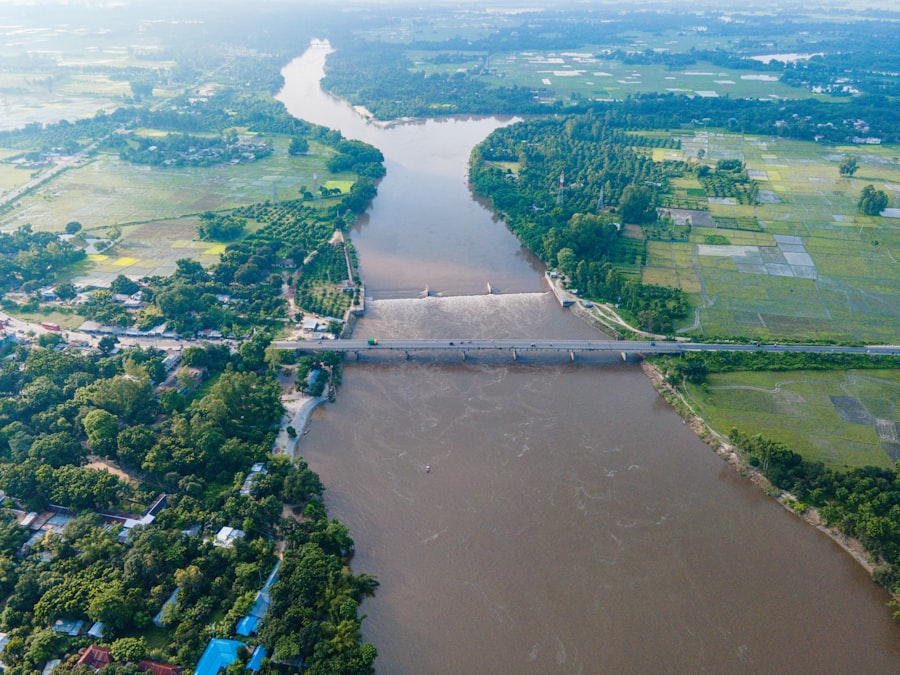
Investing in infrastructure improvements is a critical component of flood risk management strategies. Aging infrastructure can exacerbate flooding issues by failing to adequately manage stormwater runoff or by being unable to withstand extreme weather events. Upgrading drainage systems, reinforcing levees, and constructing retention basins are just a few examples of how infrastructure investments can mitigate flood risks.
Additionally, these improvements should be designed with resilience in mind. This means considering future climate scenarios when planning new infrastructure projects to ensure they can withstand anticipated changes in weather patterns. By prioritizing investments in resilient infrastructure, communities can not only reduce their vulnerability to flooding but also enhance their overall capacity to adapt to future challenges.
Promoting Natural Flood Management Techniques
Natural flood management techniques offer innovative solutions for reducing flood risks while simultaneously enhancing environmental health. These approaches focus on working with nature rather than against it by restoring wetlands, reforesting riverbanks, and implementing sustainable land-use practices that promote natural water retention. By allowing ecosystems to function as natural buffers against flooding, communities can reduce the severity of flood events while also benefiting biodiversity.
Promoting natural flood management requires collaboration among various stakeholders, including environmental organizations, local governments, and community members. Education plays a crucial role in this process as well; raising awareness about the benefits of natural solutions can encourage public support for initiatives aimed at restoring natural landscapes. By integrating these techniques into broader flood risk management strategies, communities can create more sustainable and resilient environments.
Educating the Public on Flood Preparedness
Public education on flood preparedness is essential for building resilient communities capable of responding effectively to flooding events. Awareness campaigns can provide residents with critical information about flood risks in their area, emergency response procedures, and personal safety measures. By equipping individuals with knowledge about how to prepare for floods—such as creating emergency kits or developing evacuation plans—communities can significantly reduce the impacts of flooding.
Furthermore, education should extend beyond immediate preparedness measures; it should also encompass long-term strategies for resilience building.
By involving residents in discussions about local flood risks and solutions, communities can cultivate a sense of ownership over their safety and well-being.
Integrating Climate Change Adaptation into Flood Risk Management
Integrating climate change adaptation into flood risk management is increasingly important as climate variability intensifies the frequency and severity of flooding events. This integration involves recognizing that traditional approaches may no longer suffice in the face of changing weather patterns and rising sea levels. Therefore, it is essential for flood risk managers to incorporate climate projections into their planning processes to develop strategies that are resilient to future conditions.
This may include revising existing floodplain maps based on anticipated changes in rainfall patterns or sea-level rise or investing in green infrastructure that enhances natural water retention capabilities. Additionally, fostering collaboration between climate scientists and flood risk managers can lead to more informed decision-making processes that account for both current vulnerabilities and future risks.
Collaborating with Stakeholders and Local Communities
Collaboration among stakeholders is vital for effective flood risk management. Engaging local communities, government agencies, non-profit organizations, and private sector partners ensures that diverse perspectives are considered when developing strategies to address flooding risks. This collaborative approach fosters a sense of shared responsibility and encourages collective action toward common goals.
Local communities play an essential role in this process as they possess valuable knowledge about their unique vulnerabilities and resources. By involving residents in decision-making processes—such as vulnerability assessments or planning initiatives—flood risk managers can create more tailored solutions that reflect local needs and priorities. Furthermore, building strong partnerships with stakeholders enhances resource sharing and coordination efforts during both planning phases and emergency responses.
Evaluating and Updating Flood Risk Management Plans
Regular evaluation and updating of flood risk management plans are crucial for ensuring their continued effectiveness in an ever-changing environment. As new data becomes available—whether through advances in technology or shifts in climate patterns—flood risk managers must assess the relevance of existing strategies and make necessary adjustments. This iterative process allows communities to remain agile in their responses to emerging challenges.
Moreover, engaging stakeholders during evaluations fosters transparency and accountability within the planning process. By soliciting feedback from community members and partners involved in implementation efforts, flood risk managers can identify areas for improvement while also celebrating successes achieved through collaborative initiatives. Ultimately, maintaining dynamic flood risk management plans ensures that communities are well-prepared for future flooding events while continuously enhancing their resilience over time.
Effective flood risk management strategies are crucial for protecting communities and infrastructure from the devastating impacts of flooding. One insightful article that delves into various approaches and best practices in this field can be found at this link. It discusses innovative techniques and case studies that highlight the importance of proactive planning and community engagement in mitigating flood risks.
WATCH THIS! The $50 Billion Lie: America’s Dams Are About to Fail (60-Minute Documentary)
FAQs
What is flood risk management?
Flood risk management involves assessing, reducing, and preparing for the potential impacts of flooding to minimize damage to people, property, and the environment.
What are common strategies used in flood risk management?
Common strategies include structural measures like levees, dams, and floodwalls; non-structural measures such as land-use planning, early warning systems, and public education; and natural solutions like wetland restoration and reforestation.
How does land-use planning help in managing flood risks?
Land-use planning helps by restricting development in flood-prone areas, preserving natural floodplains, and guiding urban growth to reduce vulnerability to flooding.
What role do early warning systems play in flood risk management?
Early warning systems provide timely information about impending floods, allowing communities to prepare, evacuate if necessary, and reduce loss of life and property damage.
Are natural flood management techniques effective?
Yes, natural flood management techniques such as restoring wetlands, planting trees, and reconnecting rivers to their floodplains can reduce flood peaks and improve water absorption, complementing traditional engineering solutions.
What is the difference between structural and non-structural flood management measures?
Structural measures involve physical constructions like barriers and drainage systems to control floodwaters, while non-structural measures focus on policies, planning, and community preparedness to reduce flood impacts.
How can communities prepare for floods?
Communities can prepare by developing emergency plans, participating in drills, maintaining flood defenses, staying informed through alerts, and ensuring proper insurance coverage.
Why is climate change important in flood risk management?
Climate change can increase the frequency and severity of floods due to changing weather patterns and sea-level rise, making adaptive and resilient flood risk management strategies essential.
What is the role of government in flood risk management?
Governments are responsible for creating regulations, funding infrastructure projects, coordinating emergency response, and promoting public awareness and education on flood risks.
Can flood risk management completely prevent flooding?
No, flood risk management aims to reduce and manage the impacts of flooding but cannot completely prevent floods. The goal is to minimize damage and enhance community resilience.