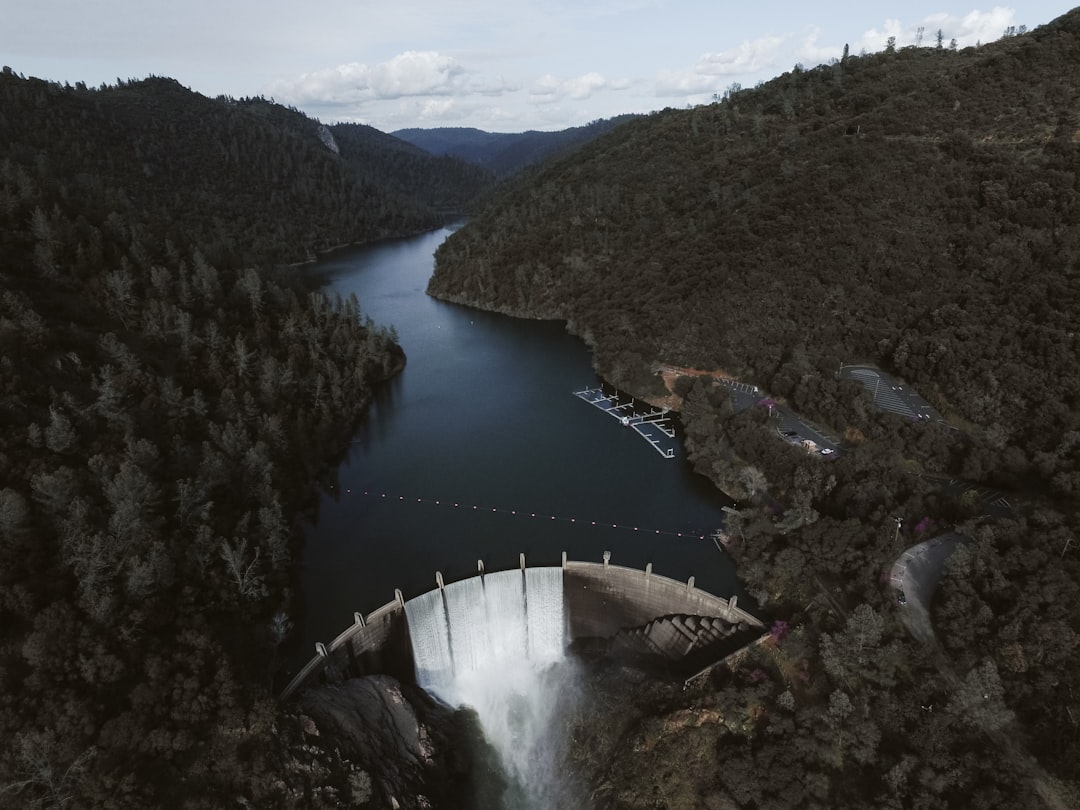
Nestled in a picturesque valley, the town of Riverton is a charming community known for its scenic landscapes and close-knit atmosphere. The town is bordered by lush forests and rolling hills, making it a popular destination for outdoor enthusiasts. At the heart of Riverton lies the Riverton Dam, a crucial structure that not only provides water resources but also plays a significant role in flood control and local recreation.
The dam, with its impressive concrete structure and serene reservoir, has become an integral part of the town’s identity, symbolizing both progress and the delicate balance between nature and human development. The dam serves multiple purposes, including irrigation for local farms, drinking water supply for residents, and recreational opportunities such as fishing and boating. Its presence has fostered a sense of community pride among the townspeople, who often gather for events and activities centered around the reservoir.
However, with the benefits of the dam come inherent risks, prompting ongoing discussions about safety measures and maintenance protocols. As Riverton continues to grow, the importance of understanding the dam’s history, potential risks, and emergency preparedness becomes increasingly vital for the well-being of its residents.
Key Takeaways
- The town relies on a dam with a detailed history and ongoing maintenance efforts.
- Potential dam failure could severely impact the town, environment, and local economy.
- Comprehensive emergency response and evacuation plans are established for resident safety.
- Effective communication systems are in place to notify the community promptly.
- Community involvement plays a key role in supporting prevention and preparedness measures.
History of the Dam and its Maintenance
The Riverton Dam was constructed in the early 1970s, a project that marked a significant milestone in the town’s development. Designed to harness the power of the nearby river, the dam was built to provide a reliable water supply and protect against seasonal flooding. Over the decades, it has undergone various upgrades and maintenance efforts to ensure its structural integrity and operational efficiency.
The initial construction was met with enthusiasm from the community, as it promised economic growth and improved living conditions. Maintenance of the dam has been a continuous process, involving regular inspections and repairs to address wear and tear caused by environmental factors. Engineers and maintenance crews conduct thorough assessments to identify any potential issues, ensuring that the dam remains safe for both residents and wildlife.
The town has invested in modern technology to monitor the dam’s performance, utilizing sensors and data analytics to predict potential problems before they escalate. This proactive approach reflects Riverton’s commitment to safeguarding its infrastructure while fostering a culture of responsibility among its citizens.
Potential Causes of Dam Failure
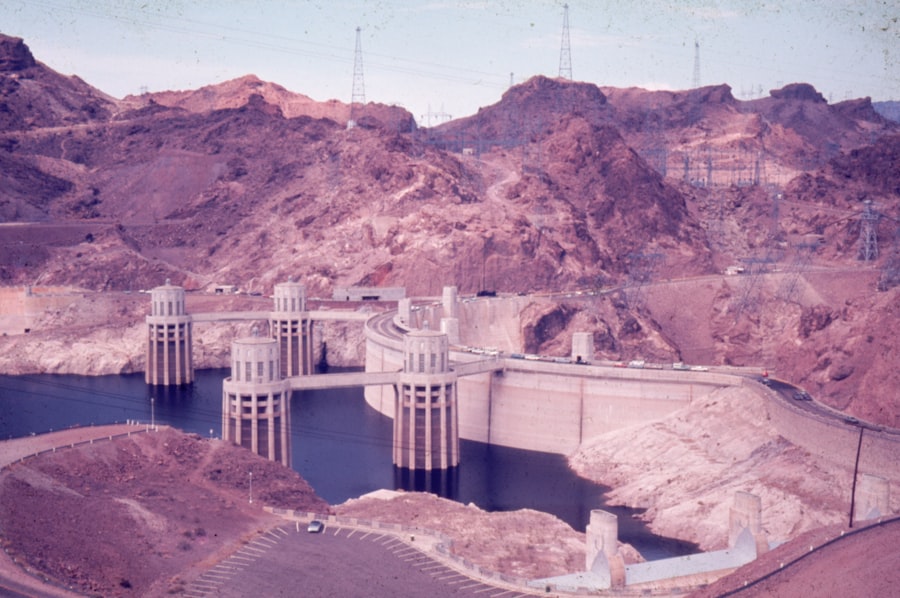
Despite rigorous maintenance efforts, the potential for dam failure remains a concern for Riverton’s residents. Various factors can contribute to such an event, including extreme weather conditions, structural deficiencies, and human error. Heavy rainfall or rapid snowmelt can lead to increased water levels in the reservoir, putting immense pressure on the dam’s structure.
If not managed properly, this could result in overtopping or even catastrophic failure. Additionally, geological factors such as soil erosion or seismic activity can compromise the dam’s stability. Aging infrastructure poses another risk; as materials degrade over time, they may become less capable of withstanding stress.
Human error, whether through inadequate monitoring or mismanagement during emergency situations, can also play a critical role in potential failures. Understanding these risks is essential for both town officials and residents as they work together to develop strategies for prevention and response.
Potential Impact on Town and Surrounding Areas
| Metric | Description | Potential Impact | Measurement Unit | Estimated Value |
|---|---|---|---|---|
| Population Growth | Increase in residents due to new developments | Moderate to High | Percentage (%) | 8-12% |
| Traffic Volume | Change in daily vehicle count on main roads | High | Vehicles per day | +1500 |
| Employment Opportunities | New jobs created in the town and surrounding areas | Moderate | Number of jobs | 350-500 |
| Local Business Revenue | Increase in sales for local businesses | Moderate | Percentage (%) | 10-15% |
| Environmental Impact | Effect on local ecosystems and green spaces | Low to Moderate | Qualitative Assessment | Minimal disruption with mitigation |
| Public Services Demand | Increase in demand for schools, healthcare, and utilities | High | Percentage (%) | 15-20% |
| Property Values | Change in real estate prices in the area | Moderate | Percentage (%) | 5-8% |
The implications of a dam failure would be profound, affecting not only Riverton but also surrounding communities and ecosystems. In the event of a breach, floodwaters could inundate homes, businesses, and infrastructure downstream, leading to significant property damage and loss of life. The town’s economy could suffer devastating consequences as businesses are forced to close or relocate due to flooding or damage.
Moreover, the environmental impact would be far-reaching. Aquatic ecosystems that rely on stable water levels could be disrupted, leading to loss of habitat for fish and other wildlife. The sudden influx of water could also carry pollutants from urban areas into rivers and streams, further harming local ecosystems.
The psychological toll on residents would be considerable; fear of losing their homes or livelihoods could lead to long-term anxiety and stress within the community.
Emergency Response Plan in Place
Recognizing the potential risks associated with the dam, Riverton has developed a comprehensive emergency response plan designed to mitigate the impact of a potential failure. This plan outlines specific protocols for various scenarios, ensuring that town officials are prepared to act swiftly in case of an emergency.
The emergency response plan includes detailed evacuation routes, designated shelters, and communication strategies to keep residents informed. Local authorities collaborate with state agencies to ensure that resources are available for rapid deployment in case of an emergency. By fostering partnerships with neighboring towns and organizations, Riverton enhances its ability to respond effectively to any situation that may arise.
Evacuation Procedures for Residents
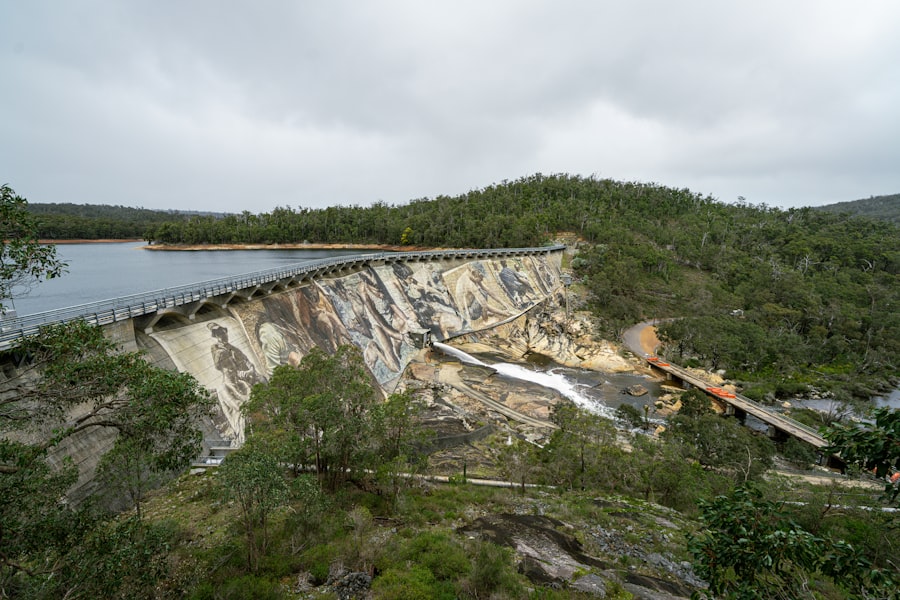
In the event of a dam failure or imminent threat, clear evacuation procedures are crucial for ensuring the safety of Riverton’s residents. The town has established designated evacuation routes that prioritize swift movement away from high-risk areas. These routes are regularly reviewed and updated to account for changes in infrastructure or population density.
Residents are encouraged to familiarize themselves with these evacuation plans through community meetings and informational materials distributed by local authorities. In addition to physical routes, designated shelters have been identified where evacuees can find safety and support during emergencies. The town emphasizes the importance of preparedness; residents are urged to create emergency kits containing essential supplies such as food, water, medications, and important documents.
Communication and Notification Systems
Effective communication is paramount during emergencies, particularly when it comes to notifying residents about potential threats related to the dam. Riverton has implemented a multi-faceted notification system designed to reach residents quickly and efficiently. This system includes text alerts, social media updates, and local radio broadcasts that provide real-time information about any developing situations.
In addition to immediate notifications, the town conducts regular outreach efforts to educate residents about emergency procedures and preparedness measures. Community workshops and informational sessions help ensure that everyone understands how to respond in case of an emergency. By fostering open lines of communication between local authorities and residents, Riverton aims to build trust and confidence in its emergency response capabilities.
Environmental Impact of Dam Failure
The environmental consequences of a dam failure extend beyond immediate flooding; they can have lasting effects on local ecosystems and wildlife populations. When floodwaters breach containment areas, they can carry sediment, debris, and pollutants into rivers and streams downstream. This sudden influx can disrupt aquatic habitats, leading to declines in fish populations and other wildlife that depend on stable water conditions.
Moreover, the alteration of natural water flow patterns can have cascading effects on surrounding ecosystems. Wetlands may be drained or inundated, affecting plant species that thrive in specific conditions. The long-term ecological impact could result in shifts in biodiversity as species struggle to adapt to changing environments.
Understanding these potential consequences is essential for both environmental conservation efforts and community planning.
Potential Economic Consequences for the Town
The economic ramifications of a dam failure would be significant for Riverton. In addition to immediate property damage from flooding, businesses could face prolonged closures due to repairs or loss of inventory. The tourism industry, which relies heavily on outdoor activities centered around the reservoir, could suffer as visitors avoid areas perceived as unsafe.
Furthermore, recovery efforts would require substantial financial resources from both local government and state agencies. The cost of rebuilding infrastructure and providing assistance to affected residents could strain budgets and divert funds from other essential services. Long-term economic stability may be jeopardized as businesses struggle to recover from losses incurred during a disaster.
Steps Taken to Prevent Dam Failure
To mitigate risks associated with dam failure, Riverton has implemented several proactive measures aimed at enhancing safety and resilience. Regular inspections by qualified engineers ensure that any signs of wear or structural issues are addressed promptly. The town has also invested in modern monitoring technology that provides real-time data on water levels and structural integrity.
Community engagement plays a vital role in prevention efforts; residents are encouraged to participate in discussions about safety measures and share their concerns with local officials. Educational programs aimed at raising awareness about dam safety help foster a culture of preparedness within the community. By prioritizing both infrastructure improvements and public education, Riverton demonstrates its commitment to safeguarding its residents against potential threats.
Community Involvement and Support
Community involvement is essential for ensuring the safety and well-being of Riverton’s residents in relation to the dam’s management. Local organizations often collaborate with town officials to promote awareness about emergency preparedness and environmental stewardship. Volunteer groups participate in clean-up efforts around the reservoir while also advocating for sustainable practices that protect local ecosystems.
Support networks within the community provide resources for residents who may need assistance during emergencies or recovery efforts. Neighbors often come together to share information about evacuation plans or offer help during times of crisis. This spirit of collaboration fosters resilience within Riverton; by working together toward common goals, residents strengthen their bonds while enhancing their collective ability to respond effectively to challenges posed by potential dam failures.
In conclusion, while Riverton enjoys many benefits from its dam infrastructure, it is crucial for both officials and residents to remain vigilant about potential risks associated with it. Through proactive measures such as regular maintenance, effective communication systems, comprehensive emergency response plans, community involvement initiatives, and ongoing education efforts aimed at raising awareness about safety protocols—Riverton strives not only to protect its citizens but also preserve its unique identity as a thriving town nestled within nature’s embrace.
In light of the increasing concerns regarding the risk of dam failure in our town, it is essential to stay informed about the potential impacts and safety measures. A related article that provides valuable insights on this topic can be found [here](https://www.mygeoquest.
This resource discusses the factors contributing to dam safety and the importance of regular inspections to prevent catastrophic failures.
WATCH THIS! The $50 Billion Lie: America’s Dams Are About to Fail (60-Minute Documentary)
FAQs
What is the risk of dam failure in my town?
The risk of dam failure in your town depends on factors such as the age and condition of the dam, maintenance practices, design standards, local weather patterns, and potential seismic activity. Local authorities or dam safety agencies typically assess and monitor these risks regularly.
What causes dam failures?
Dam failures can be caused by structural weaknesses, poor maintenance, extreme weather events like heavy rainfall or flooding, earthquakes, foundation problems, or operational errors. Overtopping due to excessive water flow is a common cause of failure.
How can I find out if there is a dam near my town?
You can check with your local government, water management authorities, or national dam safety organizations. Many regions maintain public databases or maps showing the locations of dams.
What are the potential consequences of a dam failure?
Dam failure can lead to sudden flooding downstream, property damage, loss of life, environmental harm, and disruption of water supply and power generation. The severity depends on the size of the dam and the population density downstream.
Are there warning systems in place for dam failures?
Many dams are equipped with monitoring systems and emergency action plans. Local authorities may have sirens, alerts, or evacuation procedures to warn residents in case of an imminent failure.
How can residents prepare for a potential dam failure?
Residents should stay informed about local emergency plans, know evacuation routes, have emergency supplies ready, and participate in community drills if available. Staying alert to weather warnings and official communications is also important.
Who is responsible for dam safety?
Dam owners, which can be government agencies, private companies, or utilities, are responsible for maintaining dam safety. Regulatory bodies oversee inspections, enforce safety standards, and manage emergency preparedness.
How often are dams inspected?
Inspection frequency varies by jurisdiction and dam classification but typically ranges from annual to every five years. High-hazard dams usually undergo more frequent and detailed inspections.
Can dam failures be prevented?
Yes, through proper design, regular maintenance, timely repairs, monitoring, and adherence to safety regulations, the risk of dam failure can be significantly reduced.
Where can I get more information about dam safety in my area?
Contact your local water management authority, emergency management office, or national dam safety program. Many provide resources, reports, and contact information for public inquiries.