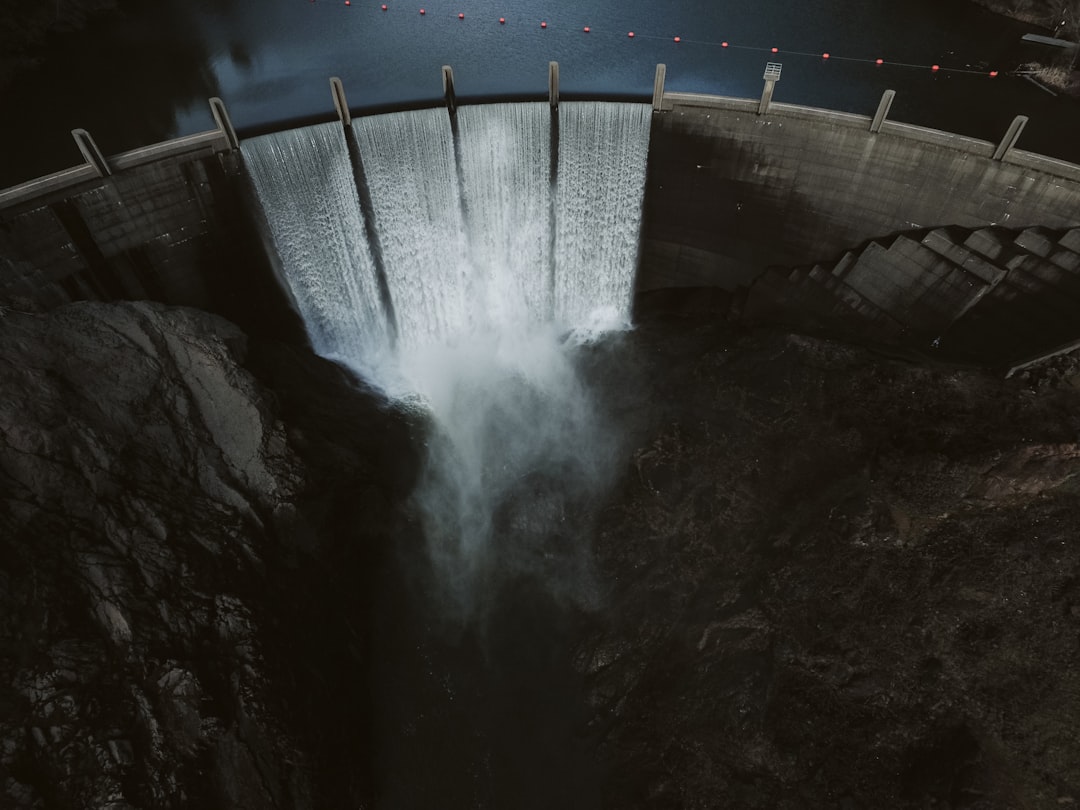
The risk of dam failure is a critical concern for communities situated near these massive structures. Dams are designed to hold back water, creating reservoirs that serve various purposes, including flood control, irrigation, and hydroelectric power generation. However, the very nature of their function means that any failure can lead to catastrophic consequences.
The potential for sudden and uncontrolled release of water poses a significant threat to life, property, and the environment. Understanding this risk involves recognizing the engineering challenges associated with dam construction and maintenance, as well as the natural forces that can compromise their integrity. Moreover, the implications of dam failure extend beyond immediate physical damage.
The psychological impact on residents can be profound, as fear and anxiety about potential flooding can disrupt daily life. Communities must grapple with the reality that a dam failure could lead to loss of life, displacement of families, and long-term economic repercussions.
Key Takeaways
- Dam failure poses significant risks to safety, environment, and local economy.
- Historical dam failures highlight the importance of understanding contributing factors.
- Regular inspections and monitoring by authorities are crucial for preventing failures.
- Community involvement and emergency response plans enhance preparedness.
- Residents should utilize available resources to stay informed about dam safety.
History of Dam Failures in the Area
The history of dam failures in the area serves as a stark reminder of the potential dangers posed by these structures. Over the years, several incidents have occurred that highlight the vulnerabilities inherent in dam design and maintenance. For instance, a notable failure in the region occurred several decades ago when heavy rainfall overwhelmed a local dam, leading to significant flooding downstream.
This event not only caused extensive property damage but also resulted in loss of life, leaving a lasting impact on the community’s collective memory. In addition to historical events, ongoing assessments of local dams reveal that many structures were built decades ago and may not meet current safety standards. As technology and engineering practices have evolved, older dams may require retrofitting or replacement to ensure they can withstand modern environmental challenges.
The lessons learned from past failures underscore the importance of vigilance and proactive measures to prevent similar tragedies from occurring in the future.
Factors Contributing to Dam Failure
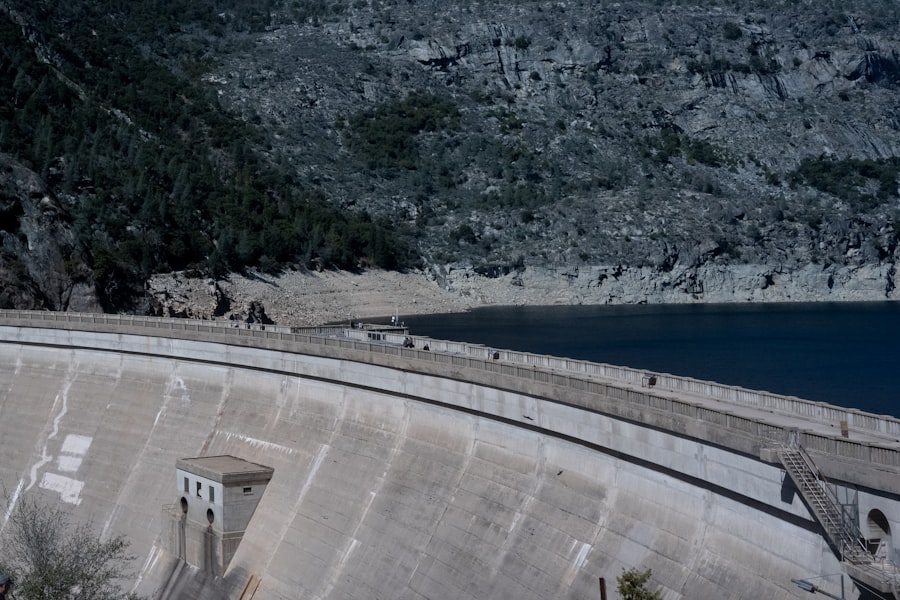
Several factors contribute to the risk of dam failure, each interrelated and complex. One primary concern is the age of the dam; many structures were constructed using outdated materials and techniques that may not hold up under current stressors. Additionally, environmental changes such as increased rainfall patterns due to climate change can exacerbate existing vulnerabilities.
The combination of aging infrastructure and unpredictable weather patterns creates a precarious situation for many dams. Another significant factor is inadequate maintenance. Regular inspections and repairs are crucial for ensuring a dam’s structural integrity.
However, budget constraints and lack of resources often lead to neglect in maintenance efforts. This neglect can result in issues such as erosion, seepage, and structural weaknesses that may go unnoticed until it is too late. Understanding these contributing factors is essential for developing effective strategies to mitigate risks associated with dam failure.
Impact of Dam Failure on Our Town
| Impact Category | Estimated Effect | Details |
|---|---|---|
| Population Affected | 12,000 people | Residents living within 5 miles downstream of the dam |
| Property Damage | Approximately 1,500 homes | Flooding expected to damage residential and commercial buildings |
| Infrastructure Impact | 5 major roads and 2 bridges | Transportation routes likely to be disrupted for weeks |
| Environmental Damage | Over 300 acres of farmland | Soil erosion and contamination from floodwaters |
| Emergency Response Time | Within 2 hours | Estimated time for first responders to reach affected areas |
| Economic Impact | Significant loss in local business revenue | Long-term recovery expected to take several months |
| Casualties | Potential for injuries and fatalities | Dependent on evacuation effectiveness and warning systems |
The impact of dam failure on a town can be devastating, affecting every aspect of community life. In the event of a breach, the immediate consequences would likely include widespread flooding, leading to property damage and potential loss of life. Homes, businesses, and critical infrastructure such as roads and bridges could be severely compromised, resulting in long-term economic challenges for the community.
The psychological toll on residents would also be significant, as fear and uncertainty take hold in the aftermath of such a disaster. Beyond the immediate physical damage, the long-term effects of dam failure can ripple through the community for years to come. Recovery efforts may take considerable time and resources, straining local budgets and diverting attention from other essential services.
Additionally, environmental consequences could arise from flooding, including contamination of water supplies and disruption of local ecosystems. The interconnectedness of these impacts highlights the importance of proactive measures to prevent dam failures and protect the community.
Steps Taken to Mitigate Dam Failure Risk
In response to the risks associated with dam failure, various steps have been taken to mitigate these dangers within the community. Local authorities have prioritized regular inspections and assessments of existing dams to identify potential weaknesses and address them promptly. This proactive approach allows for timely repairs and upgrades that can significantly enhance the safety of these structures.
Furthermore, investment in modern technology has become increasingly important in monitoring dam conditions. Advanced sensors and data analytics can provide real-time information about water levels, structural integrity, and potential risks. By leveraging these tools, authorities can make informed decisions about necessary interventions before issues escalate into emergencies.
Community education initiatives have also been implemented to raise awareness about dam safety and encourage residents to participate in preparedness efforts.
Emergency Response Plan in the Event of Dam Failure
An effective emergency response plan is crucial for minimizing the impact of a dam failure on the community. Local authorities have developed comprehensive strategies that outline specific actions to be taken in the event of an emergency. These plans typically include evacuation routes, communication protocols, and designated shelters for displaced residents.
By having a clear plan in place, authorities can ensure a swift response that prioritizes public safety. Training exercises are regularly conducted to prepare first responders and community members for potential emergencies related to dam failures. These drills help familiarize individuals with evacuation procedures and reinforce the importance of remaining calm during a crisis.
Additionally, collaboration with regional emergency management agencies enhances coordination efforts and ensures that resources are available when needed most.
Role of Local Authorities in Monitoring Dam Safety
Local authorities play a pivotal role in monitoring dam safety within their jurisdictions. They are responsible for conducting regular inspections and assessments to evaluate the structural integrity of dams and identify any potential risks. This oversight is essential for ensuring that dams meet safety standards and are adequately maintained over time.
In addition to inspections, local authorities often collaborate with state and federal agencies to share information about dam conditions and best practices for safety management. This collaboration fosters a comprehensive approach to dam safety that encompasses various levels of government and leverages available resources effectively. By prioritizing monitoring efforts, local authorities can take proactive measures to address issues before they escalate into emergencies.
Community Involvement in Dam Safety Measures
Community involvement is vital for enhancing dam safety measures within a town. Engaging residents in discussions about local dams fosters a sense of ownership and responsibility for their safety. Community meetings provide opportunities for individuals to voice concerns, ask questions, and learn about ongoing efforts to mitigate risks associated with dam failures.
Moreover, volunteer programs can be established to encourage residents to participate in maintenance activities or educational initiatives related to dam safety. By involving community members in these efforts, local authorities can build stronger relationships with residents while promoting awareness about the importance of proactive measures. This collaborative approach not only enhances safety but also strengthens community bonds.
Importance of Regular Dam Inspections
Regular inspections are crucial for maintaining the safety and integrity of dams within a community. These assessments allow engineers and safety officials to identify potential issues before they escalate into serious problems. Inspections typically involve thorough evaluations of structural components, including spillways, embankments, and drainage systems.
The frequency of inspections may vary depending on factors such as the age of the dam and its risk classification. However, consistent monitoring is essential for ensuring that any necessary repairs or upgrades are addressed promptly. By prioritizing regular inspections, communities can significantly reduce the likelihood of dam failures and enhance overall public safety.
Potential Economic and Environmental Consequences of Dam Failure
The potential economic consequences of dam failure are profound and far-reaching. In addition to immediate property damage, communities may face long-term economic challenges as businesses close or relocate due to flooding or infrastructure damage. The cost of recovery efforts can strain local budgets, diverting funds from other essential services such as education or public health.
Environmental consequences are equally concerning; flooding can lead to soil erosion, habitat destruction, and contamination of water sources. The disruption of local ecosystems may have lasting effects on wildlife populations and biodiversity within the region. Understanding these potential consequences underscores the importance of investing in preventive measures that protect both economic stability and environmental health.
Resources for Residents to Stay Informed about Dam Safety
Residents seeking information about dam safety have access to various resources designed to keep them informed about local conditions and safety measures. Local government websites often provide updates on inspections, maintenance activities, and emergency preparedness initiatives related to dams in the area. Additionally, community organizations may offer educational programs or workshops focused on dam safety awareness.
These initiatives empower residents with knowledge about potential risks while encouraging active participation in safety measures within their community. By utilizing available resources, residents can stay informed about dam safety issues and contribute to efforts aimed at preventing failures in their town. In conclusion, understanding the risks associated with dam failure is essential for communities living near these structures.
Through historical context, awareness of contributing factors, proactive measures taken by local authorities, community involvement, regular inspections, and access to information resources, towns can work together to mitigate risks effectively. By prioritizing safety measures and fostering collaboration among residents and officials alike, communities can enhance their resilience against potential dam failures while safeguarding lives and livelihoods.
In light of the increasing concerns regarding the risk of dam failure in our town, it is essential to stay informed about the potential hazards and safety measures.
mygeoquest.com/sample-page/). This resource discusses the implications of dam safety and the importance of regular inspections to prevent catastrophic failures.
WATCH THIS! The $50 Billion Lie: America’s Dams Are About to Fail (60-Minute Documentary)
FAQs
What is the risk of dam failure in my town?
The risk of dam failure in your town depends on factors such as the age and condition of the dam, maintenance practices, local weather patterns, and the dam’s design. Local authorities or the agency responsible for dam safety can provide specific risk assessments.
What causes dam failures?
Dam failures can be caused by structural weaknesses, poor maintenance, extreme weather events like heavy rainfall or flooding, earthquakes, foundation problems, or operational errors.
How can I find out if there is a dam near my town?
You can check with your local government, state dam safety office, or use online databases such as the National Inventory of Dams (NID) to locate dams near your area.
What are the potential consequences of a dam failure?
Dam failure can lead to flooding downstream, property damage, loss of life, environmental harm, and disruption of water supply and infrastructure.
Are there warning systems in place for dam failures?
Many dams have monitoring systems and emergency action plans that include early warning systems to alert residents in case of potential failure or emergency situations.
What should I do to prepare for a possible dam failure?
Familiarize yourself with evacuation routes, stay informed through local emergency management agencies, have an emergency kit ready, and follow any instructions from authorities during an emergency.
Who is responsible for dam safety and inspections?
Dam safety is typically managed by state dam safety programs, federal agencies such as the U.S. Army Corps of Engineers or Bureau of Reclamation, and the dam owners themselves.
How often are dams inspected?
Inspection frequency varies by dam size, hazard potential, and regulations but generally ranges from annually to every five years.
Can dam failures be prevented?
Yes, through proper design, regular maintenance, timely repairs, monitoring, and adherence to safety regulations, the risk of dam failure can be significantly reduced.
Where can I get more information about dam safety in my area?
Contact your local emergency management office, state dam safety agency, or visit official government websites dedicated to dam safety for detailed information.