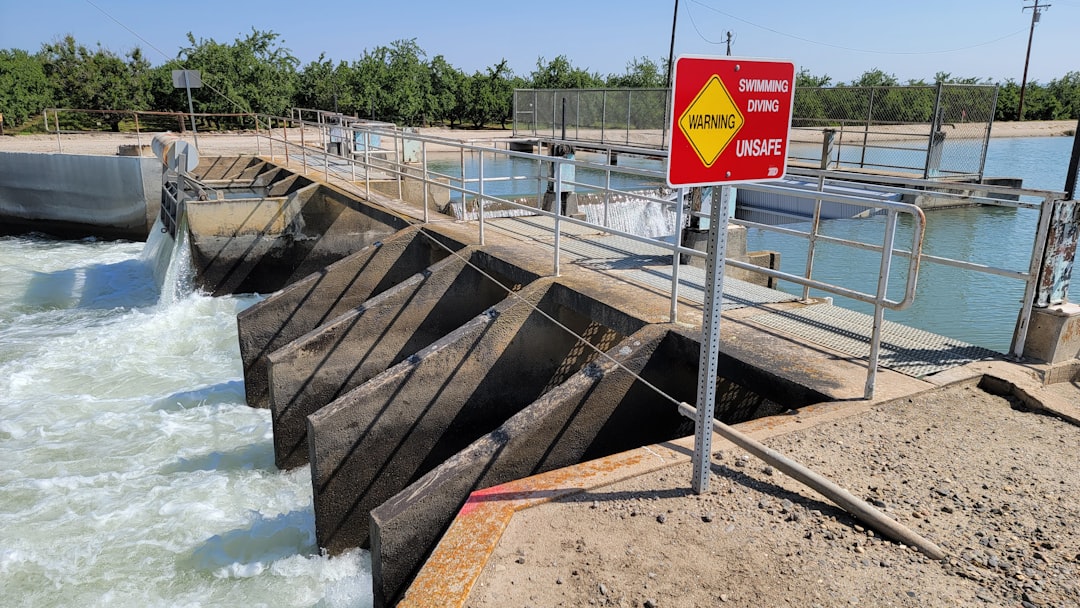
Dam safety regulations are critical frameworks designed to ensure the structural integrity and operational safety of dams. These regulations serve as a safeguard against potential failures that could lead to catastrophic consequences, including loss of life, environmental degradation, and significant economic damage. As the number of dams worldwide continues to grow, so does the necessity for stringent safety measures.
The regulations encompass a wide range of practices, from design and construction standards to regular inspections and maintenance protocols. By establishing clear guidelines, these regulations aim to protect not only the infrastructure itself but also the communities and ecosystems that depend on these vital structures. The importance of dam safety regulations cannot be overstated.
They are essential for mitigating risks associated with dam failures, which can occur due to various factors such as natural disasters, aging infrastructure, or inadequate maintenance. The consequences of such failures can be devastating, leading to flooding, loss of property, and even fatalities. Therefore, a robust regulatory framework is necessary to ensure that dams are built and maintained to withstand potential hazards.
This article will explore the history, significance, and future of dam safety regulations, highlighting their role in safeguarding public welfare and the environment.
Key Takeaways
- Dam safety regulations are essential for preventing dam failures and protecting public safety.
- Government agencies play a critical role in enforcing and ensuring compliance with these regulations.
- Key components include design standards, regular inspections, maintenance, and emergency action plans.
- International standards help harmonize dam safety practices across countries.
- Ongoing challenges include aging infrastructure, funding limitations, and adapting to climate change impacts.
History of Dam Safety Regulations
The evolution of dam safety regulations can be traced back to the early 20th century when the rapid expansion of dam construction began to raise concerns about their safety. The catastrophic failure of the South Fork Dam in Pennsylvania in 1889, which resulted in the Johnstown Flood and claimed over 2,200 lives, marked a pivotal moment in the history of dam safety. This tragedy prompted lawmakers to recognize the need for regulatory oversight in dam construction and maintenance.
In the following decades, various states in the U.S. began to implement their own safety standards, laying the groundwork for more comprehensive regulations. By the mid-20th century, as the number of dams increased significantly, so did the awareness of potential risks associated with them.
The Federal Government took steps to address these concerns by establishing agencies dedicated to dam safety. The Bureau of Reclamation and the Army Corps of Engineers became instrumental in developing guidelines and standards for dam construction and operation. Over time, these efforts culminated in the formation of national policies aimed at ensuring dam safety across the country.
The establishment of the National Dam Safety Program in 1979 further solidified the commitment to maintaining safe dams through federal oversight and support for state programs.
The Importance of Dam Safety Regulations
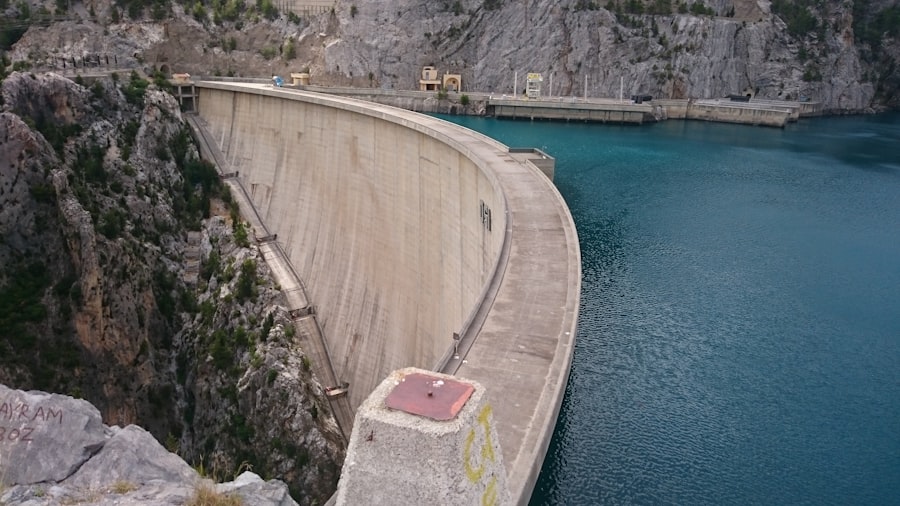
Dam safety regulations play a crucial role in protecting human life and property from the potential hazards posed by dam failures. These regulations are designed to minimize risks by ensuring that dams are constructed using sound engineering principles and maintained through regular inspections and assessments. By adhering to these guidelines, dam operators can identify potential weaknesses or issues before they escalate into serious problems.
This proactive approach not only enhances public safety but also fosters confidence among communities that rely on these structures for water supply, flood control, and hydroelectric power generation. Moreover, dam safety regulations contribute significantly to environmental protection. Dams can have profound impacts on local ecosystems, altering water flow patterns and affecting aquatic habitats.
By enforcing regulations that require environmental assessments and mitigation measures, authorities can help ensure that dam operations do not compromise ecological integrity. This balance between human needs and environmental stewardship is essential for sustainable development, making dam safety regulations a vital component of broader environmental policies.
Key Components of Dam Safety Regulations
| Key Component | Description | Typical Metrics | Purpose |
|---|---|---|---|
| Design Standards | Criteria for dam design including structural integrity and safety factors | Factor of Safety, Load Capacities, Material Strength | Ensure dam can withstand expected loads and environmental conditions |
| Construction Quality Control | Procedures and inspections during dam construction | Inspection Frequency, Non-conformance Reports, Material Testing Results | Verify construction meets design specifications and standards |
| Inspection and Monitoring | Regular assessment of dam condition and performance | Inspection Intervals, Instrumentation Data (e.g., seepage, deformation), Visual Observations | Detect early signs of distress or failure |
| Emergency Action Plans (EAP) | Preparedness plans for dam failure scenarios | Response Time, Communication Protocols, Evacuation Routes | Minimize risk to life and property in case of dam failure |
| Maintenance Requirements | Ongoing upkeep to preserve dam safety and functionality | Maintenance Frequency, Repair Records, Equipment Status | Prevent deterioration and extend dam lifespan |
| Regulatory Compliance | Adherence to local, national, and international dam safety laws | Compliance Audits, Certification Status, Reporting Frequency | Ensure legal and safety standards are met |
| Risk Assessment | Evaluation of potential hazards and failure consequences | Probability of Failure, Consequence Categories, Risk Ratings | Prioritize safety measures and resource allocation |
The key components of dam safety regulations encompass a variety of elements aimed at ensuring comprehensive oversight throughout a dam’s lifecycle. One fundamental aspect is the requirement for rigorous design standards that take into account factors such as hydrology, geology, and seismic activity. These standards are crucial for ensuring that dams can withstand extreme weather events and other natural disasters.
Additionally, regulations often mandate that dams undergo thorough risk assessments to identify vulnerabilities and establish appropriate mitigation strategies. Another critical component is the requirement for regular inspections and monitoring. These inspections are typically conducted by qualified engineers who assess the structural integrity of the dam and its associated infrastructure.
Monitoring systems may include instrumentation that tracks changes in water levels, pressure, and structural movements over time. Such data is invaluable for identifying potential issues early on and implementing corrective measures before they lead to failures. Furthermore, many regulations stipulate that dam operators maintain detailed records of inspections, maintenance activities, and any incidents that may occur, ensuring transparency and accountability.
The Role of Government Agencies in Enforcing Dam Safety Regulations
Government agencies play a pivotal role in enforcing dam safety regulations at both state and federal levels. In the United States, agencies such as the Federal Energy Regulatory Commission (FERC), the Bureau of Reclamation, and state-level departments oversee compliance with safety standards. These agencies are responsible for developing guidelines, conducting inspections, and providing technical assistance to dam owners and operators.
Their expertise is essential for ensuring that dams are designed, constructed, and maintained according to established safety protocols. In addition to enforcement, government agencies also facilitate collaboration among various stakeholders involved in dam safety. This includes working with engineers, environmentalists, local communities, and emergency management officials to create comprehensive safety plans that address potential risks.
By fostering communication and cooperation among these groups, agencies can enhance overall dam safety while also considering the diverse needs of affected communities. This collaborative approach is vital for building trust and ensuring that all voices are heard in discussions about dam safety.
Compliance and Enforcement of Dam Safety Regulations
Compliance with dam safety regulations is critical for preventing failures and ensuring public safety. Dam owners are typically required to adhere to specific guidelines regarding design, construction, operation, and maintenance practices. Failure to comply with these regulations can result in significant penalties, including fines or even legal action in cases where negligence leads to accidents or disasters.
Regular inspections conducted by government agencies help ensure that operators are meeting their obligations under the law. Enforcement mechanisms vary by jurisdiction but often include a combination of routine inspections, reporting requirements, and incident investigations. In many cases, agencies may issue notices of non-compliance or require corrective actions if deficiencies are identified during inspections.
Additionally, some jurisdictions have established formal processes for reporting incidents or near-misses related to dam operations. This data is invaluable for identifying trends or systemic issues that may require further regulatory action or policy adjustments.
The Impact of Dam Safety Regulations on Public Safety
The impact of dam safety regulations on public safety is profound and far-reaching. By establishing rigorous standards for design, construction, operation, and maintenance, these regulations significantly reduce the likelihood of catastrophic failures that could endanger lives and property. Communities located downstream from dams can have greater peace of mind knowing that there are measures in place to protect them from potential flooding or other hazards associated with dam failures.
Moreover, effective dam safety regulations contribute to enhanced emergency preparedness and response capabilities. Many regulatory frameworks require dam owners to develop emergency action plans (EAPs) that outline procedures for responding to potential incidents or failures. These plans often involve coordination with local emergency management agencies and provide critical information about evacuation routes, communication protocols, and resource allocation during emergencies.
As a result, communities are better equipped to respond swiftly and effectively in the event of a crisis.
Challenges and Limitations of Dam Safety Regulations
Despite their importance, dam safety regulations face several challenges and limitations that can hinder their effectiveness. One significant issue is the aging infrastructure of many dams across the globe.
Many older dams were constructed before current regulations were established, leading to gaps in safety measures that may not adequately address contemporary risks. Additionally, funding constraints often pose challenges for both government agencies tasked with enforcing regulations and dam owners responsible for compliance. Limited resources can result in infrequent inspections or inadequate maintenance practices, increasing the risk of failures over time.
Furthermore, some smaller dam owners may lack the financial means or technical expertise necessary to meet regulatory requirements fully. Addressing these challenges requires a concerted effort from policymakers to allocate resources effectively while also providing support for education and training initiatives aimed at improving compliance among all stakeholders.
International Standards for Dam Safety Regulations
International standards for dam safety regulations have emerged as a response to the global nature of water resource management and infrastructure development. Organizations such as the International Commission on Large Dams (ICOLD) have played a crucial role in promoting best practices and guidelines for dam safety worldwide. These standards aim to harmonize approaches across different countries while considering local contexts and specific challenges related to dam operations.
The adoption of international standards can facilitate knowledge sharing among nations facing similar issues related to dam safety. By learning from each other’s experiences—both successes and failures—countries can improve their regulatory frameworks and enhance overall safety measures. Furthermore, international collaboration can lead to advancements in technology and engineering practices that benefit global dam safety efforts.
Recent Developments in Dam Safety Regulations
Recent developments in dam safety regulations reflect an increasing awareness of emerging risks associated with climate change and extreme weather events. As weather patterns become more unpredictable, regulatory frameworks are evolving to incorporate considerations related to climate resilience into dam design and operation standards. This includes assessing potential impacts from rising temperatures, changing precipitation patterns, and increased frequency of severe storms.
Additionally, advancements in technology have led to improved monitoring systems that enhance real-time data collection on dam performance. Remote sensing technologies such as drones and satellite imagery are being utilized to conduct inspections more efficiently while providing valuable insights into structural integrity over time. These innovations not only streamline compliance processes but also enable proactive risk management strategies that can prevent failures before they occur.
The Future of Dam Safety Regulations
The future of dam safety regulations will likely be shaped by ongoing advancements in technology as well as evolving societal expectations regarding environmental stewardship and public safety. As communities become more aware of the potential risks associated with aging infrastructure and climate change impacts, there will be increased pressure on regulators to adopt more stringent standards that prioritize resilience. Furthermore, collaboration among stakeholders will be essential for developing comprehensive approaches to dam safety that consider both human needs and ecological sustainability.
Engaging local communities in discussions about dam operations can foster greater transparency while also ensuring that diverse perspectives are taken into account when formulating policies. In conclusion, as society continues to navigate complex challenges related to water resource management and infrastructure development, robust dam safety regulations will remain a cornerstone of public welfare efforts worldwide. By prioritizing safety through effective regulation enforcement while embracing innovation-driven solutions moving forward—stakeholders can work together toward a safer future for all those who depend on these vital structures.
For a deeper understanding of dam safety regulations, you can refer to the article that provides a comprehensive overview of the topic. It explains the various standards and practices that ensure the integrity and safety of dams. You can read more about it in this related article: Dam Safety Regulations Explained.
WATCH THIS! The $50 Billion Lie: America’s Dams Are About to Fail (60-Minute Documentary)
FAQs
What are dam safety regulations?
Dam safety regulations are a set of legal requirements and guidelines designed to ensure the safe design, construction, operation, and maintenance of dams to prevent failures and protect public safety and property.
Who enforces dam safety regulations?
Dam safety regulations are typically enforced by government agencies at the federal, state, or local level, such as the U.S. Army Corps of Engineers, state departments of natural resources, or specialized dam safety offices.
Why are dam safety regulations important?
These regulations are important to prevent dam failures, which can lead to catastrophic flooding, loss of life, environmental damage, and significant economic losses.
What types of dams are covered under dam safety regulations?
Most regulations cover a wide range of dams, including large and small dams used for water supply, hydroelectric power, flood control, irrigation, and recreation.
What are common requirements under dam safety regulations?
Common requirements include regular inspections, maintenance, emergency action plans, structural assessments, and reporting of any issues or incidents related to dam safety.
How often must dams be inspected according to safety regulations?
Inspection frequency varies by jurisdiction and dam size but typically ranges from annual to every five years, with more frequent inspections for high-hazard dams.
What happens if a dam does not comply with safety regulations?
Non-compliance can result in enforcement actions such as fines, mandatory repairs, operational restrictions, or even dam closure to protect public safety.
Are dam owners responsible for compliance with safety regulations?
Yes, dam owners are generally responsible for ensuring their dams meet all applicable safety regulations and for conducting required inspections and maintenance.
Do dam safety regulations include emergency preparedness?
Yes, many regulations require dam owners to develop and maintain emergency action plans to respond effectively in case of dam failure or other emergencies.
Can dam safety regulations vary by location?
Yes, dam safety regulations can vary significantly depending on the country, state, or local jurisdiction, reflecting different legal frameworks and risk assessments.