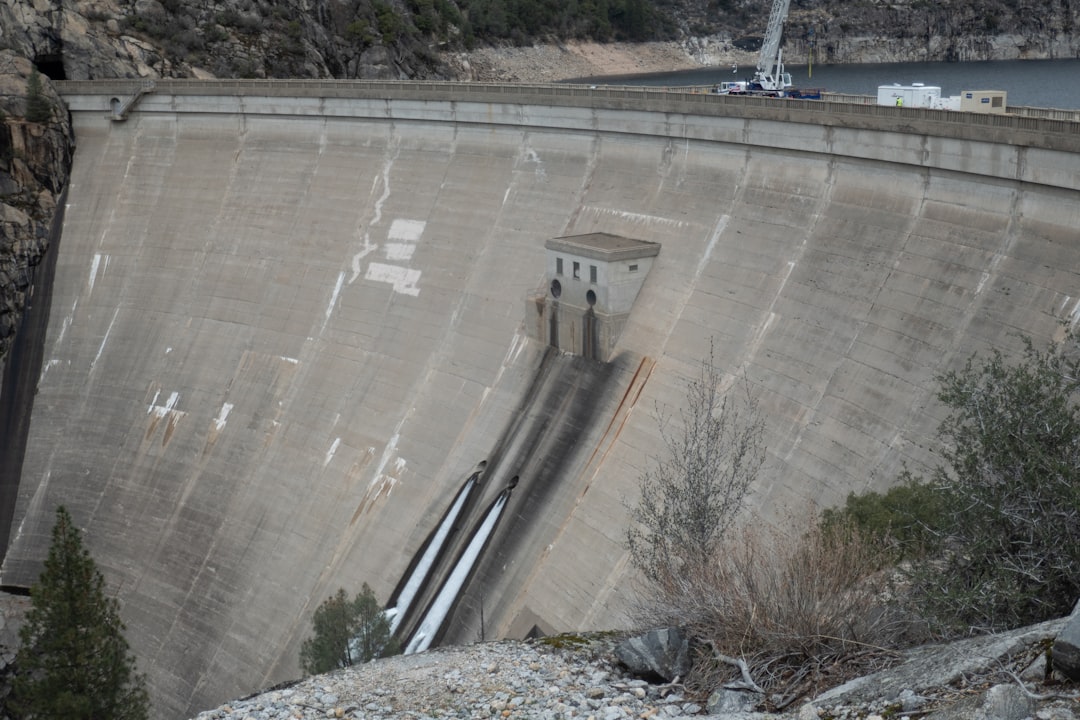
American dams are monumental structures that have played a pivotal role in the nation’s development. They serve various purposes, including flood control, water supply, irrigation, hydroelectric power generation, and recreation. The United States is home to over 90,000 dams, each contributing to the intricate web of water management and infrastructure that supports millions of lives.
These structures are not merely engineering feats; they are lifelines for communities, providing essential resources and protection against natural disasters. However, as time progresses, the condition of many of these dams has come under scrutiny, raising concerns about their safety and functionality. The history of dam construction in the United States dates back to the early 19th century, with significant growth occurring during the New Deal era in the 1930s.
This period saw the construction of large-scale projects like the Hoover Dam, which not only provided jobs but also transformed the American landscape. Today, these structures are integral to the nation’s economy and ecology. Yet, as they age, the challenges associated with maintaining and upgrading them have become increasingly apparent.
The conversation surrounding American dams is shifting from one of pride in engineering accomplishments to a critical examination of their sustainability and safety.
Key Takeaways
- Many American dams face aging infrastructure and insufficient maintenance, leading to increased risk of failure.
- Environmental factors, design flaws, and overuse contribute significantly to dam vulnerabilities.
- Natural disasters and extreme weather events exacerbate stress on already compromised dams.
- Funding shortages and regulatory challenges hinder proper dam upkeep and safety measures.
- Addressing these issues requires improved oversight, increased investment, and innovative engineering solutions for future resilience.
The Aging Infrastructure Problem
The aging infrastructure problem is a pressing issue that affects many sectors in the United States, and dams are no exception. Many of the country’s dams were built decades ago, with some dating back to the early 20th century. As these structures age, they face a myriad of challenges that threaten their integrity and functionality.
The American Society of Civil Engineers (ASCE) has consistently highlighted the need for significant investment in infrastructure, including dams, to ensure public safety and environmental sustainability. The reality is that many dams are reaching the end of their designed lifespan, and without proper intervention, they could fail. The implications of aging dams extend beyond mere structural concerns; they also encompass economic and social dimensions.
Communities that rely on these dams for water supply or flood control may find themselves vulnerable if these structures are not adequately maintained or upgraded. The potential for catastrophic failure looms large, with consequences that could affect thousands of lives and disrupt local economies. As such, addressing the aging infrastructure problem is not just an engineering challenge; it is a matter of public safety and community resilience.
Lack of Maintenance and Upkeep
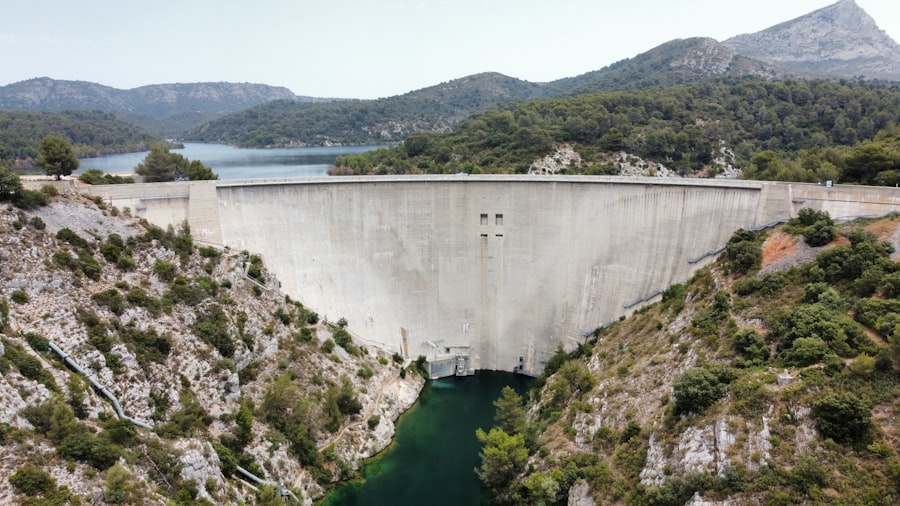
One of the most significant contributors to the deterioration of American dams is the lack of maintenance and upkeep. Many dam owners, whether they are government entities or private organizations, often struggle to allocate sufficient resources for regular inspections and repairs. This neglect can lead to minor issues escalating into major problems that compromise the safety and functionality of these structures.
Regular maintenance is crucial for identifying potential weaknesses and addressing them before they result in catastrophic failures. Moreover, the lack of maintenance can be attributed to various factors, including budget constraints and competing priorities within governmental agencies. In many cases, funding for dam maintenance is overshadowed by more immediate concerns such as road repairs or public health initiatives.
This oversight can create a dangerous cycle where aging infrastructure continues to deteriorate without intervention. As a result, many dams are left vulnerable to both natural and human-made threats, increasing the risk of failure and its associated consequences.
Environmental Factors
| Environmental Factor | Metric | Unit | Typical Range | Impact |
|---|---|---|---|---|
| Air Quality Index (AQI) | Value | Index (0-500) | 0 – 300+ | Measures air pollution level |
| Carbon Dioxide Concentration | CO2 Level | ppm (parts per million) | 350 – 450 ppm | Indicator of greenhouse gas concentration |
| Water pH | pH Level | pH units | 6.5 – 8.5 | Indicates acidity or alkalinity of water |
| Soil Moisture | Volumetric Water Content | % | 10% – 40% | Indicates water availability for plants |
| Temperature | Air Temperature | °C | -30°C to 50°C | Affects ecosystem and human comfort |
| Noise Level | Sound Pressure Level | dB (decibels) | 30 – 120 dB | Impacts human health and wildlife |
| Humidity | Relative Humidity | % | 0% – 100% | Influences weather and comfort |
| Solar Radiation | Solar Irradiance | W/m² | 0 – 1000 W/m² | Energy input for ecosystems and solar power |
Environmental factors play a significant role in the health and longevity of dams across the United States.
For instance, increased rainfall and flooding can place additional stress on dam structures that were not designed to handle such extreme weather events.
Conversely, prolonged droughts can lead to reduced water levels in reservoirs, affecting both water supply and hydroelectric power generation. Additionally, environmental regulations aimed at protecting ecosystems can complicate dam management. Many dams disrupt natural water flow and habitat for aquatic species, leading to conflicts between environmental conservation efforts and human needs.
As awareness of these environmental issues grows, there is increasing pressure on dam operators to balance human demands with ecological considerations. This balancing act is further complicated by the need for modernization and upgrades to aging infrastructure, creating a complex web of challenges that must be navigated carefully.
Design Flaws and Engineering Errors
Design flaws and engineering errors have historically contributed to dam failures across the United States. While many dams were constructed using the best available technology at the time, advancements in engineering practices have revealed shortcomings in some designs. For example, inadequate spillway capacity can lead to overtopping during extreme weather events, while poor materials may degrade faster than anticipated.
These design flaws can compromise a dam’s ability to withstand stressors over time. Furthermore, some dams were built without comprehensive risk assessments or consideration for future environmental changes. As a result, many structures may not meet current safety standards or best practices in engineering design.
The consequences of these oversights can be dire; when a dam fails due to design flaws or engineering errors, it can lead to devastating floods that threaten lives and property downstream. Addressing these issues requires a concerted effort from engineers, policymakers, and stakeholders to ensure that existing dams are evaluated and retrofitted as necessary.
Overuse and Stress on Dams
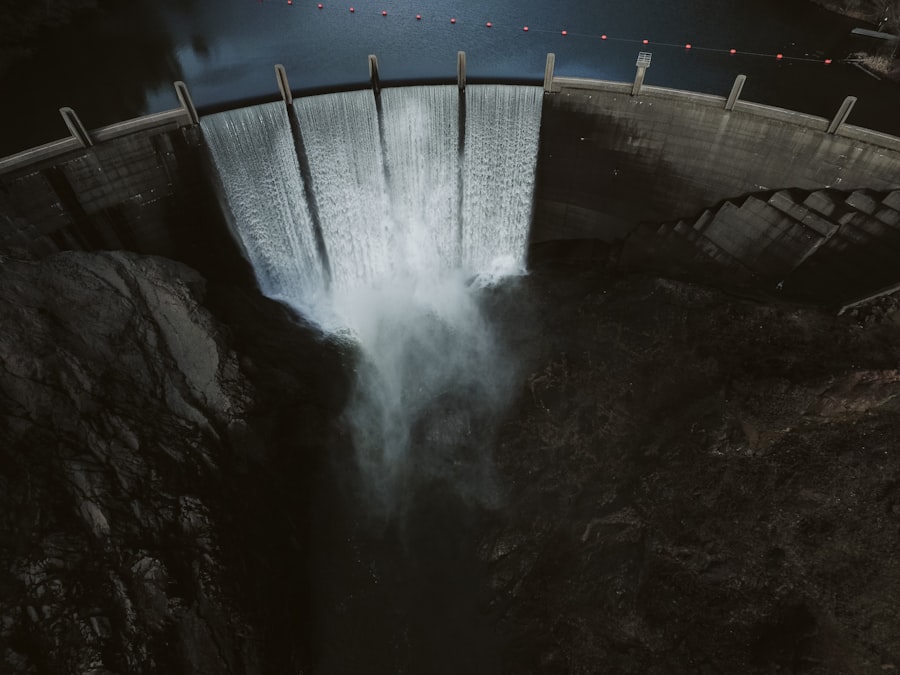
Overuse and stress on dams have become increasingly prevalent as populations grow and water demands rise. Many regions in the United States rely heavily on dams for irrigation, drinking water supply, and hydroelectric power generation. This increased demand can place significant stress on these structures, leading to accelerated wear and tear.
In some cases, dams may be operated beyond their intended capacity, further exacerbating the risk of failure. The overuse of water resources can also lead to conflicts among various stakeholders who depend on these resources for different purposes. Farmers may require more water for irrigation during dry spells, while urban areas may seek additional supplies for growing populations.
This competition can create tensions that complicate dam management and increase the likelihood of operational stress on these critical infrastructures. As such, finding sustainable solutions that balance competing demands is essential for ensuring the long-term viability of American dams.
Natural Disasters and Extreme Weather Events
Natural disasters and extreme weather events pose significant threats to dam safety across the United States. Hurricanes, floods, earthquakes, and other natural phenomena can severely impact dam integrity and functionality. For instance, heavy rainfall can lead to rapid reservoir filling, increasing pressure on spillways and potentially resulting in overtopping or structural failure.
Similarly, seismic activity can compromise a dam’s stability if it was not designed to withstand such forces. The frequency and intensity of extreme weather events have been on the rise due to climate change, further complicating dam management efforts. Many existing dams were built decades ago when climate patterns were different; thus, they may not be equipped to handle current or future conditions.
As communities grapple with the realities of climate change, it becomes increasingly important to assess the resilience of existing dam infrastructure and implement necessary upgrades or modifications to enhance their ability to withstand natural disasters.
Lack of Funding and Resources
A significant barrier to addressing the challenges facing American dams is the lack of funding and resources allocated for their maintenance and improvement. Many state and local governments struggle with budget constraints that limit their ability to invest in infrastructure projects. As a result, critical repairs or upgrades may be postponed indefinitely, leaving aging dams vulnerable to failure.
The federal government has also faced challenges in prioritizing funding for dam safety amidst competing national interests. Moreover, funding mechanisms for dam maintenance often rely on outdated models that do not account for current needs or risks associated with climate change. This misalignment can lead to insufficient resources being directed toward necessary upgrades or repairs.
To effectively address these challenges, there must be a concerted effort from all levels of government—federal, state, and local—to prioritize funding for dam safety initiatives and develop innovative financing solutions that ensure long-term sustainability.
Regulatory Issues and Government Oversight
Regulatory issues and government oversight play a crucial role in ensuring dam safety across the United States.
However, inconsistencies in regulations can create gaps in oversight that jeopardize public safety.
Some states may have more stringent requirements than others, leading to disparities in how dams are managed across the country. Additionally, regulatory frameworks often struggle to keep pace with evolving challenges related to climate change and aging infrastructure. As new risks emerge—such as increased flooding or drought—regulatory bodies must adapt their guidelines accordingly to ensure that dam operators are held accountable for maintaining safe structures.
Strengthening regulatory oversight is essential for fostering a culture of safety within the dam management community and ensuring that all stakeholders prioritize public welfare.
Impact on Communities and the Environment
The impact of aging dams extends beyond structural concerns; it significantly affects communities and ecosystems alike. When a dam fails or operates inefficiently due to neglect or design flaws, it can lead to devastating consequences for nearby populations. Flooding can displace families from their homes, disrupt local economies, and strain emergency response resources.
Furthermore, communities that rely on dams for drinking water or irrigation may face severe shortages if these structures fail. From an environmental perspective, aging dams can disrupt natural ecosystems by altering water flow patterns and affecting aquatic habitats. Fish populations may decline due to barriers created by dams, leading to imbalances in local ecosystems.
Additionally, sediment buildup behind aging dams can impact water quality downstream as pollutants accumulate over time. Addressing these issues requires a holistic approach that considers both human needs and environmental health when managing dam infrastructure.
Solutions and Future Outlook
Addressing the myriad challenges facing American dams requires innovative solutions and a forward-thinking approach. One potential avenue is increased investment in infrastructure through public-private partnerships that leverage both government funding and private sector expertise. By pooling resources from various stakeholders, communities can prioritize critical repairs or upgrades while ensuring long-term sustainability.
Moreover, embracing modern technology can enhance dam monitoring and management practices significantly. Advanced sensors and data analytics can provide real-time insights into structural integrity and environmental conditions surrounding dams. This proactive approach allows for timely interventions before minor issues escalate into major failures.
In conclusion, while American dams have historically been vital components of infrastructure supporting communities across the nation, they now face numerous challenges stemming from aging infrastructure, lack of maintenance, environmental factors, design flaws, overuse stressors natural disasters lack funding regulatory issues impacts on communities environments solutions future outlooks require collaborative efforts among stakeholders prioritize safety sustainability ensure resilience against emerging threats climate change evolving demands society’s needs.
The issue of failing American dams has become increasingly pressing, as many structures built decades ago are now showing signs of deterioration. A related article that delves into the causes and implications of this crisis can be found at