Dam maintenance costs represent a significant financial commitment for governments and organizations responsible for these critical infrastructures. Dams play a vital role in water management, flood control, and energy production, making their upkeep essential for public safety and environmental sustainability. However, the expenses associated with maintaining these structures can be substantial, often requiring careful budgeting and long-term planning.
As the demand for reliable water resources and energy continues to grow, understanding the intricacies of dam maintenance costs becomes increasingly important. The financial implications of dam maintenance extend beyond mere repair and upkeep; they encompass a wide range of factors, including labor, materials, inspections, and compliance with regulatory standards. As dams age and face the challenges of climate change, the costs associated with their maintenance can escalate dramatically.
This article will explore the various elements that contribute to dam maintenance expenses, the impact of aging infrastructure, and the broader economic consequences of neglecting these essential structures.
Key Takeaways
- Dam maintenance costs are influenced by factors such as aging infrastructure, environmental regulations, and emergency repair needs.
- Aging dams significantly increase maintenance expenses due to deterioration and higher risk of failure.
- Advances in technology can help reduce maintenance costs by improving monitoring and repair efficiency.
- Neglecting dam maintenance leads to severe economic consequences, including costly emergency repairs and liability risks.
- Long-term planning and adequate funding are essential to manage the financial burden of dam maintenance effectively.
Factors Affecting Dam Maintenance Expenses
Several factors influence the costs associated with dam maintenance, each contributing to the overall financial burden faced by operators. One of the primary considerations is the age and condition of the dam itself.
Additionally, the complexity of the dam’s design can also play a role; more intricate structures may necessitate specialized expertise for maintenance tasks, further driving up expenses. Another significant factor is the geographical location of the dam. Dams situated in remote or challenging environments may incur higher transportation costs for materials and personnel.
Furthermore, local climate conditions can affect maintenance needs; for instance, dams in areas prone to heavy rainfall or flooding may require more frequent assessments and repairs to ensure their integrity. The interplay of these factors creates a complex landscape of expenses that dam operators must navigate to maintain safe and functional structures.
The Impact of Aging Infrastructure on Dam Maintenance Costs
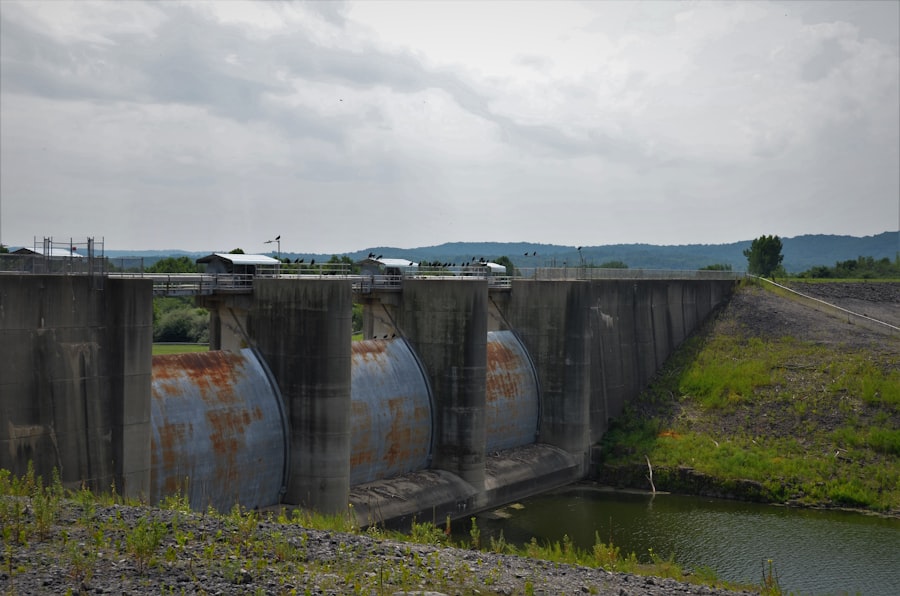
Aging infrastructure poses a considerable challenge for dam maintenance, as many dams across the globe were constructed decades ago and are now reaching the end of their intended lifespan. As these structures age, they become more susceptible to deterioration, which can lead to increased maintenance costs. Cracks, leaks, and structural weaknesses may develop over time, necessitating extensive repairs that can strain budgets and resources.
Moreover, aging dams often require retrofitting or upgrades to meet modern safety standards and regulatory requirements. This can involve significant investments in new technology or materials, further compounding maintenance expenses. The financial burden associated with maintaining aging infrastructure is not just a matter of immediate repairs; it also encompasses long-term planning for future upgrades and replacements.
As such, operators must balance the costs of ongoing maintenance with the need for strategic investments in infrastructure renewal.
Environmental Regulations and Their Influence on Dam Maintenance Expenses
| Environmental Regulation | Region | Impact on Maintenance Expenses | Average Increase in Cost (%) | Key Compliance Requirement |
|---|---|---|---|---|
| Clean Water Act (CWA) | United States | Increased monitoring and sediment control | 15 | Water quality monitoring and discharge permits |
| EU Water Framework Directive | European Union | Enhanced environmental impact assessments | 20 | Regular ecological status reporting |
| Environmental Protection Act | Canada | Stricter waste disposal and spill prevention | 12 | Hazardous material management |
| Water Resources Act | United Kingdom | Additional flood risk management measures | 18 | Flood risk assessments and mitigation plans |
| Environmental Impact Assessment (EIA) Regulations | Australia | Mandatory environmental audits and reporting | 22 | Pre-maintenance environmental impact studies |
Environmental regulations play a crucial role in shaping dam maintenance costs. As awareness of environmental issues has grown, regulatory bodies have implemented stricter guidelines to ensure that dams operate in an ecologically responsible manner. Compliance with these regulations often requires additional monitoring, reporting, and maintenance activities that can significantly increase expenses.
For instance, dams may need to implement measures to protect local wildlife habitats or manage sedimentation in reservoirs. These requirements can necessitate specialized equipment or expertise, leading to higher operational costs. Additionally, failure to comply with environmental regulations can result in fines or legal liabilities, further emphasizing the importance of adhering to these standards.
Consequently, while environmental regulations are essential for protecting ecosystems, they also add a layer of complexity to dam maintenance budgeting.
The Role of Technology in Reducing Dam Maintenance Costs
Advancements in technology have the potential to revolutionize dam maintenance practices and reduce associated costs. Innovative tools such as drones, remote sensing, and data analytics enable operators to conduct more efficient inspections and monitor structural integrity in real-time. By leveraging these technologies, dam operators can identify issues early on, allowing for proactive maintenance rather than reactive repairs.
Furthermore, predictive maintenance models powered by artificial intelligence can analyze historical data to forecast potential failures before they occur. This approach not only minimizes downtime but also optimizes resource allocation by focusing efforts on areas that require immediate attention. As technology continues to evolve, its integration into dam maintenance practices promises to enhance efficiency and reduce long-term expenses.
The Financial Burden of Emergency Repairs on Dams
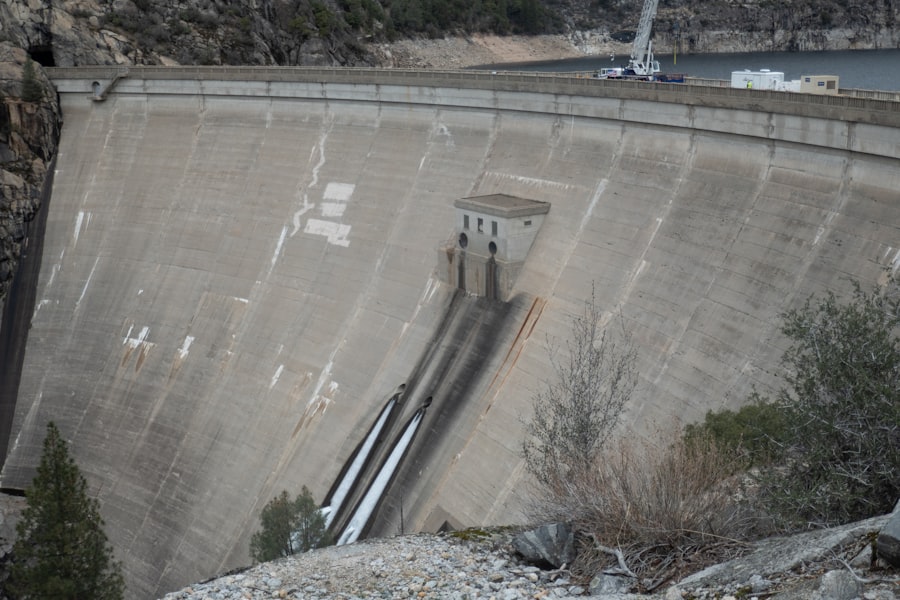
Emergency repairs represent one of the most significant financial burdens associated with dam maintenance.
These emergency situations often require immediate mobilization of resources, which can lead to exorbitant costs that were not accounted for in regular maintenance budgets.
The unpredictability of emergency repairs can strain financial resources and divert funds from planned maintenance projects. In some cases, operators may need to seek emergency funding or loans to cover these unexpected expenses, leading to long-term financial implications. The reliance on emergency repairs underscores the importance of regular inspections and proactive maintenance strategies to minimize the likelihood of crises that could jeopardize both safety and financial stability.
The Economic Consequences of Neglecting Dam Maintenance
Neglecting dam maintenance can have far-reaching economic consequences that extend beyond immediate repair costs. Dams that are not properly maintained may pose significant risks to public safety, leading to catastrophic failures that can result in loss of life and property damage. The economic fallout from such disasters can be staggering, encompassing not only repair costs but also legal liabilities and compensation claims.
Moreover, poorly maintained dams can disrupt local economies by affecting water supply for agriculture or hydropower generation. Communities that rely on these resources may face economic downturns if dams fail or operate inefficiently due to neglect. The long-term implications of neglecting dam maintenance highlight the necessity for consistent investment in infrastructure upkeep as a means of safeguarding both public safety and economic stability.
Funding Challenges for Dam Maintenance Projects
Securing funding for dam maintenance projects presents a significant challenge for many operators. Budget constraints at local, state, and federal levels often limit available resources for infrastructure upkeep. As competing priorities emerge—such as education, healthcare, and transportation—funding for dam maintenance may be deprioritized despite its critical importance.
Additionally, many dams are owned by private entities or non-profit organizations that may lack access to sufficient capital for necessary repairs or upgrades. This funding gap can lead to deferred maintenance practices that exacerbate existing issues over time. To address these challenges, innovative financing solutions—such as public-private partnerships or dedicated infrastructure funds—may be necessary to ensure that dam maintenance receives the attention it requires.
The Cost of Insuring Dams and Liability Risks
The cost of insuring dams is another critical aspect of overall maintenance expenses. Insurers assess the risks associated with each dam based on factors such as age, condition, location, and compliance with safety regulations. As risks increase—whether due to aging infrastructure or environmental concerns—insurance premiums may rise accordingly.
Moreover, liability risks associated with dam failures can lead to substantial financial repercussions for operators. In the event of a disaster caused by negligence or inadequate maintenance practices, operators may face lawsuits or claims for damages that can far exceed insurance coverage limits. This potential liability underscores the importance of maintaining rigorous inspection and maintenance protocols to mitigate risks and protect both public safety and financial interests.
The Importance of Long-Term Planning for Dam Maintenance Costs
Long-term planning is essential for managing dam maintenance costs effectively. Operators must develop comprehensive strategies that account for both immediate needs and future challenges associated with aging infrastructure and evolving regulatory landscapes. By establishing clear priorities and allocating resources accordingly, operators can ensure that they are prepared for both routine maintenance tasks and unexpected emergencies.
Additionally, long-term planning allows operators to identify opportunities for cost savings through proactive measures such as early interventions or technology adoption. By investing in regular inspections and preventive maintenance practices, operators can reduce the likelihood of costly emergency repairs while extending the lifespan of their dams. Ultimately, a forward-thinking approach to dam maintenance is crucial for balancing safety concerns with financial sustainability.
Case Studies: Examples of the Financial Burden of Dam Maintenance
Several case studies illustrate the financial burden associated with dam maintenance across different regions and contexts. For instance, the Oroville Dam crisis in California highlighted the consequences of deferred maintenance when an emergency spillway failed in 2017 due to years of neglect. The resulting evacuation order affected nearly 200,000 residents and led to extensive repair costs estimated at over $1 billion.
Similarly, the failure of the Edenville Dam in Michigan in 2020 resulted in catastrophic flooding that caused widespread damage to homes and infrastructure. The incident underscored the importance of regular inspections and proactive maintenance practices; it was revealed that the dam had been flagged for safety concerns years prior but had not received necessary upgrades due to funding challenges. These case studies serve as stark reminders of the potential consequences of neglecting dam maintenance responsibilities.
They emphasize the need for comprehensive planning, adequate funding mechanisms, and a commitment to prioritizing infrastructure upkeep as essential components of ensuring public safety and economic stability in communities reliant on these critical structures.
Maintaining dams can be a costly endeavor due to various factors such as structural integrity, environmental regulations, and the need for regular inspections and repairs. For a deeper understanding of the financial implications associated with dam maintenance, you can read more in this related article: Why Are Dams So Expensive to Maintain?. This article delves into the complexities and challenges that contribute to the high costs of keeping these critical infrastructures operational.
WATCH THIS! The $50 Billion Lie: America’s Dams Are About to Fail (60-Minute Documentary)
FAQs
Why do dams require expensive maintenance?
Dams require expensive maintenance due to their large size, complex engineering, and the need to ensure structural integrity and safety. Regular inspections, repairs, sediment removal, and upgrades to meet modern safety standards contribute to high costs.
What factors contribute to the high cost of dam maintenance?
Factors include aging infrastructure, environmental wear and tear, sediment buildup, corrosion, mechanical equipment upkeep, and compliance with evolving safety regulations. Additionally, emergency preparedness and monitoring systems add to expenses.
How often do dams need maintenance?
Maintenance frequency varies depending on the dam’s design, age, and environmental conditions. Typically, dams undergo routine inspections annually, with more extensive maintenance or repairs scheduled every few years or as needed.
Are there specific safety concerns that increase maintenance costs?
Yes, safety concerns such as potential structural failures, seepage, erosion, and seismic vulnerabilities require continuous monitoring and preventive measures, which increase maintenance costs to avoid catastrophic failures.
Does sediment buildup affect dam maintenance costs?
Yes, sediment buildup behind dams reduces reservoir capacity and can damage infrastructure. Removing sediment is labor-intensive and costly, significantly contributing to overall maintenance expenses.
Can technological advancements reduce dam maintenance costs?
Technological advancements like remote monitoring, automated inspection drones, and improved materials can help reduce some maintenance costs by enhancing efficiency and early detection of issues, but they do not eliminate the need for regular upkeep.
Is dam maintenance funded by government or private entities?
Funding for dam maintenance can come from government agencies, private companies, or a combination of both, depending on ownership. Public safety concerns often necessitate government involvement in funding and oversight.
What happens if a dam is not properly maintained?
Improper maintenance can lead to structural failures, flooding, environmental damage, loss of life, and significant economic impacts. Therefore, maintaining dams is critical for public safety and infrastructure reliability.