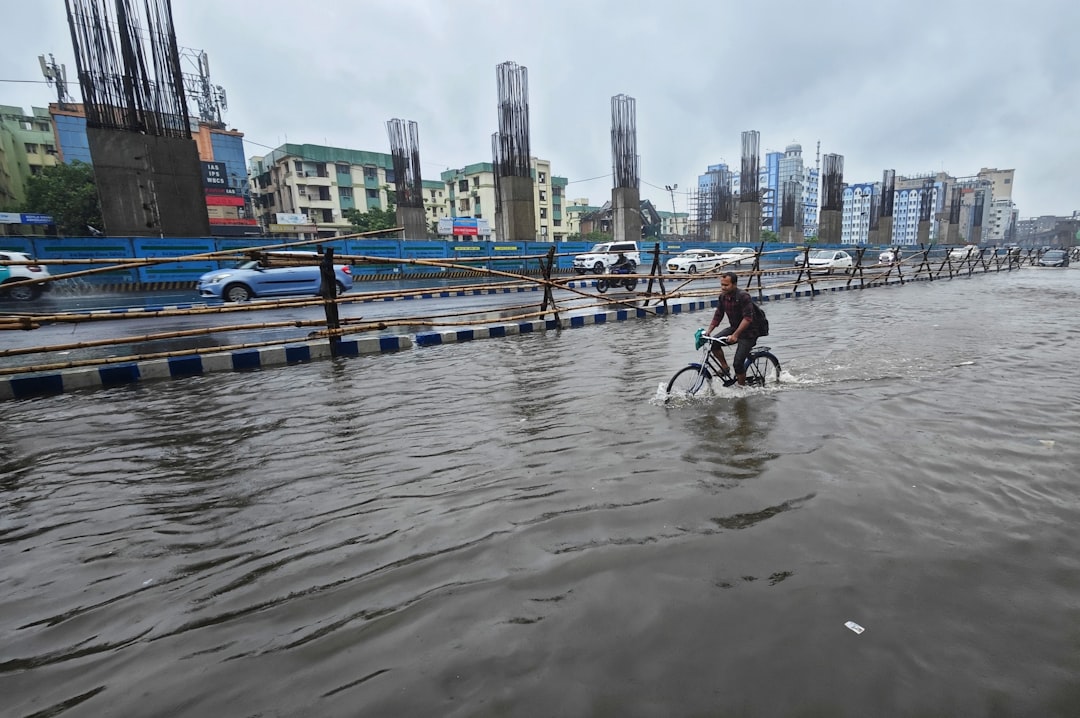
Climate change has emerged as a significant driver of increased flooding events across the globe. As global temperatures rise, the atmosphere can hold more moisture, leading to heavier rainfall and more intense storms. This phenomenon has been observed in various regions, where previously predictable weather patterns have become erratic, resulting in unprecedented flooding.
The melting of polar ice caps and glaciers further exacerbates the situation, contributing to rising sea levels that threaten coastal communities. The interplay between these factors creates a complex landscape where floods are not only more frequent but also more severe, posing substantial risks to human life, infrastructure, and ecosystems. Moreover, the socio-economic implications of climate-induced flooding are profound.
Vulnerable populations, particularly in developing countries, often bear the brunt of these disasters due to inadequate infrastructure and limited resources for recovery. The economic costs associated with flood damage can be staggering, affecting local economies and leading to long-term displacement of communities. Understanding the multifaceted impact of climate change on flooding is crucial for developing effective strategies to mitigate these risks and protect both people and the environment.
Key Takeaways
- Climate change intensifies flood risks, necessitating adaptive flood control measures.
- Green infrastructure and natural flood management techniques offer sustainable flood mitigation.
- Urban planning and sustainable land use are critical to minimizing flood vulnerabilities.
- Early warning systems and technology enhance preparedness and response to floods.
- Community engagement and international collaboration strengthen comprehensive flood management.
Implementing Green Infrastructure for Flood Control
Green infrastructure represents a transformative approach to managing stormwater and mitigating flood risks. By integrating natural systems into urban planning, cities can enhance their resilience against flooding while simultaneously improving air quality and biodiversity. Techniques such as green roofs, permeable pavements, and rain gardens allow for the absorption and filtration of rainwater, reducing runoff and alleviating pressure on traditional drainage systems.
This not only helps to manage excess water during heavy rainfall but also contributes to the overall aesthetic and ecological health of urban areas. The implementation of green infrastructure requires a shift in mindset from conventional engineering solutions to more sustainable practices. Policymakers and urban planners must collaborate with environmental experts to design systems that work harmoniously with nature.
This approach not only addresses immediate flood concerns but also fosters long-term sustainability by creating green spaces that enhance community well-being. As cities increasingly adopt green infrastructure, they set a precedent for others to follow, demonstrating that innovative solutions can lead to healthier, more resilient urban environments.
Utilizing Natural Flood Management Techniques

Natural Flood Management (NFM) techniques offer an alternative approach to traditional flood control methods by harnessing the power of nature to reduce flood risks. These techniques focus on restoring natural processes and landscapes that can absorb and slow down water flow, thereby mitigating the impact of flooding. Strategies such as reforestation, wetland restoration, and the creation of floodplains can significantly enhance a region’s ability to manage excess water during heavy rainfall events.
Implementing NFM not only helps in flood risk reduction but also provides additional environmental benefits. Restored wetlands, for instance, serve as vital habitats for wildlife while improving water quality through natural filtration processes. Furthermore, these initiatives often engage local communities in conservation efforts, fostering a sense of stewardship and connection to the land.
Enhancing Urban Planning to Minimize Flood Risks
| Metric | Description | Current Value | Target Value | Unit |
|---|---|---|---|---|
| Flood Risk Zones Mapped | Percentage of urban area accurately mapped for flood risk | 65 | 90 | % |
| Green Infrastructure Coverage | Proportion of urban land covered by green infrastructure (e.g., parks, permeable surfaces) | 18 | 35 | % |
| Stormwater Management Systems Installed | Number of new stormwater management installations (e.g., retention basins, rain gardens) | 120 | 300 | units |
| Urban Drainage Capacity | Average capacity of urban drainage systems to handle peak rainfall | 150 | 250 | liters/second |
| Community Awareness Programs | Number of flood risk awareness and preparedness programs conducted annually | 8 | 20 | programs/year |
| Flood Incident Reduction | Reduction in number of flood incidents reported annually | 15 | 5 | incidents/year |
Urban planning plays a critical role in minimizing flood risks in densely populated areas. As cities expand, the need for thoughtful design becomes increasingly important to ensure that infrastructure can withstand extreme weather events. Effective urban planning involves assessing flood-prone areas and implementing zoning regulations that restrict development in high-risk zones.
By prioritizing green spaces and maintaining natural waterways, planners can create urban environments that are better equipped to handle excess rainfall. Additionally, integrating flood risk assessments into the planning process allows for proactive measures rather than reactive responses. This forward-thinking approach encourages the development of resilient infrastructure that can adapt to changing climate conditions.
Collaboration among architects, engineers, and environmental scientists is essential in creating comprehensive plans that prioritize safety while promoting sustainable growth. As cities continue to evolve, enhancing urban planning will be paramount in safeguarding communities against future flooding challenges.
Investing in Flood Resilient Infrastructure
Investing in flood-resilient infrastructure is essential for protecting communities from the increasing threat of flooding due to climate change. This involves upgrading existing systems and constructing new facilities designed to withstand extreme weather events. For instance, levees, floodwalls, and stormwater management systems must be built with advanced materials and technologies that enhance their durability and effectiveness.
Such investments not only safeguard lives but also protect economic assets and public services from potential damage. Moreover, flood-resilient infrastructure should be designed with flexibility in mind, allowing for adaptation as climate conditions evolve. This may include incorporating features such as adjustable flood barriers or multi-purpose reservoirs that can serve various functions during different weather scenarios.
By prioritizing resilience in infrastructure investments, governments can ensure that communities are better prepared for future flooding events while also promoting economic stability and growth.
Developing Early Warning Systems for Floods

Early warning systems are crucial tools for mitigating the impacts of floods by providing timely information to communities at risk. These systems utilize advanced technology and data analytics to monitor weather patterns, river levels, and other indicators that signal potential flooding events. By disseminating alerts through various channels—such as mobile apps, social media, and community radio—authorities can ensure that residents receive critical information in real-time.
The effectiveness of early warning systems relies on collaboration among meteorologists, emergency management agencies, and local communities. Training programs can empower residents with knowledge about how to respond during a flood event, enhancing overall preparedness. Furthermore, continuous improvement of these systems through feedback loops allows for better accuracy and responsiveness over time.
By investing in robust early warning systems, societies can significantly reduce the loss of life and property associated with flooding.
Integrating Community Engagement in Flood Control Strategies
Community engagement is a vital component of effective flood control strategies. Involving local residents in decision-making processes fosters a sense of ownership and responsibility towards flood management initiatives. Engaging communities through workshops, public meetings, and collaborative projects allows for the incorporation of local knowledge and experiences into planning efforts.
This participatory approach not only enhances the relevance of flood control measures but also builds trust between authorities and residents. Moreover, community engagement can lead to innovative solutions tailored to specific local needs. Residents often possess valuable insights into their environment and can identify unique vulnerabilities that may not be apparent to external experts.
By harnessing this collective wisdom, communities can develop targeted strategies that address their specific flood risks while promoting resilience and sustainability. Ultimately, integrating community engagement into flood control efforts strengthens social cohesion and empowers individuals to take proactive steps in safeguarding their homes.
Promoting Sustainable Land Use Practices to Reduce Flood Risks
Sustainable land use practices are essential for reducing flood risks while promoting environmental health. Land use planning should prioritize conservation efforts that protect natural ecosystems capable of absorbing excess rainfall. For instance, preserving wetlands and forests not only mitigates flooding but also enhances biodiversity and improves water quality.
Implementing policies that encourage responsible land development can help prevent the degradation of these vital ecosystems. Additionally, promoting sustainable agricultural practices can play a significant role in flood risk reduction. Techniques such as contour farming, agroforestry, and cover cropping improve soil health and increase its capacity to absorb water.
By educating farmers about these practices and providing incentives for their adoption, communities can enhance their resilience against flooding while ensuring food security. Sustainable land use practices create a holistic approach to flood management that benefits both people and the environment.
Incorporating Climate Change Adaptation into Flood Control Policies
Incorporating climate change adaptation into flood control policies is essential for addressing the evolving nature of flood risks. Policymakers must recognize that traditional approaches may no longer suffice in the face of increasing climate variability. This requires a paradigm shift towards adaptive management strategies that prioritize flexibility and responsiveness to changing conditions.
By integrating climate projections into policy frameworks, governments can develop proactive measures that anticipate future challenges rather than merely reacting to past events. Furthermore, collaboration among various stakeholders—including government agencies, non-profit organizations, and academic institutions—is crucial for developing comprehensive adaptation strategies. Sharing knowledge and resources allows for the pooling of expertise necessary to create effective policies that address both immediate needs and long-term sustainability goals.
By embedding climate change adaptation into flood control policies, societies can build resilience against future flooding events while safeguarding vulnerable populations.
Leveraging Technology for Effective Flood Control
Technology plays a pivotal role in enhancing flood control efforts through improved data collection, analysis, and communication. Advanced modeling software enables scientists and engineers to simulate various flooding scenarios based on different variables such as rainfall intensity and land use changes. This data-driven approach allows for more accurate predictions of potential flood events and informs decision-making processes regarding infrastructure investments and emergency response plans.
Moreover, emerging technologies such as drones and remote sensing provide valuable insights into real-time conditions during flooding events.
Additionally, mobile applications can facilitate communication between residents and emergency services, ensuring that critical information is shared promptly.
By leveraging technology in flood control strategies, communities can enhance their preparedness and response capabilities while minimizing risks associated with flooding.
Collaborating with International Partners for Flood Management Solutions
Collaboration with international partners is essential for developing effective flood management solutions on a global scale. Flooding is a transboundary issue that often requires coordinated efforts among countries sharing river basins or coastal regions. By engaging in knowledge exchange programs and joint research initiatives, nations can learn from each other’s experiences and best practices in flood management.
International partnerships also facilitate access to funding opportunities for large-scale projects aimed at improving flood resilience. Organizations such as the United Nations or regional development banks often provide financial support for initiatives focused on disaster risk reduction and climate adaptation. By working together across borders, countries can develop comprehensive strategies that address shared vulnerabilities while promoting sustainable development goals.
Ultimately, collaboration fosters a collective response to flooding challenges that transcends national boundaries and enhances global resilience against climate change impacts.
In addressing the pressing issue of climate change and its impact on flood control, a relevant article can be found on MyGeoQuest. This article explores innovative strategies and technologies that communities can implement to mitigate flooding risks exacerbated by climate change. For more insights, you can read the full article [here](https://www.mygeoquest.com/).
WATCH THIS! The Map You Can’t See: America’s $50 Billion Secret Underground City
FAQs
What is climate change flood control?
Climate change flood control refers to strategies and measures implemented to manage and reduce the risk of flooding caused or exacerbated by climate change. This includes adapting infrastructure, improving drainage systems, restoring natural floodplains, and using early warning systems to mitigate flood impacts.
How does climate change affect flooding?
Climate change increases the frequency and intensity of extreme weather events, including heavy rainfall and storms, which can lead to more frequent and severe flooding. Rising sea levels also contribute to coastal flooding and storm surges.
What are common methods used in climate change flood control?
Common methods include building levees and flood barriers, enhancing stormwater management systems, restoring wetlands and natural floodplains, implementing green infrastructure like rain gardens, and improving forecasting and emergency response systems.
Why is natural flood management important in climate change flood control?
Natural flood management uses ecosystems such as wetlands, forests, and floodplains to absorb and slow floodwaters. These natural systems can reduce flood risk, improve water quality, and provide habitat for wildlife, making them a sustainable and cost-effective approach.
Can urban planning help in controlling floods related to climate change?
Yes, urban planning plays a critical role by incorporating flood risk assessments, zoning regulations, and sustainable drainage systems to reduce flood vulnerability in cities. Designing resilient infrastructure and limiting development in flood-prone areas are key strategies.
What role does technology play in climate change flood control?
Technology aids flood control through improved weather forecasting, real-time monitoring of water levels, flood modeling, and early warning systems. These tools help communities prepare for and respond to flood events more effectively.
Are there international efforts to address flood risks from climate change?
Yes, international organizations and agreements, such as the United Nations Framework Convention on Climate Change (UNFCCC) and the Sendai Framework for Disaster Risk Reduction, promote cooperation and funding for flood risk management and climate adaptation globally.
How can individuals contribute to flood control in the context of climate change?
Individuals can contribute by supporting sustainable land use practices, maintaining natural vegetation, reducing impermeable surfaces on their property, participating in community flood preparedness programs, and advocating for climate-resilient policies.