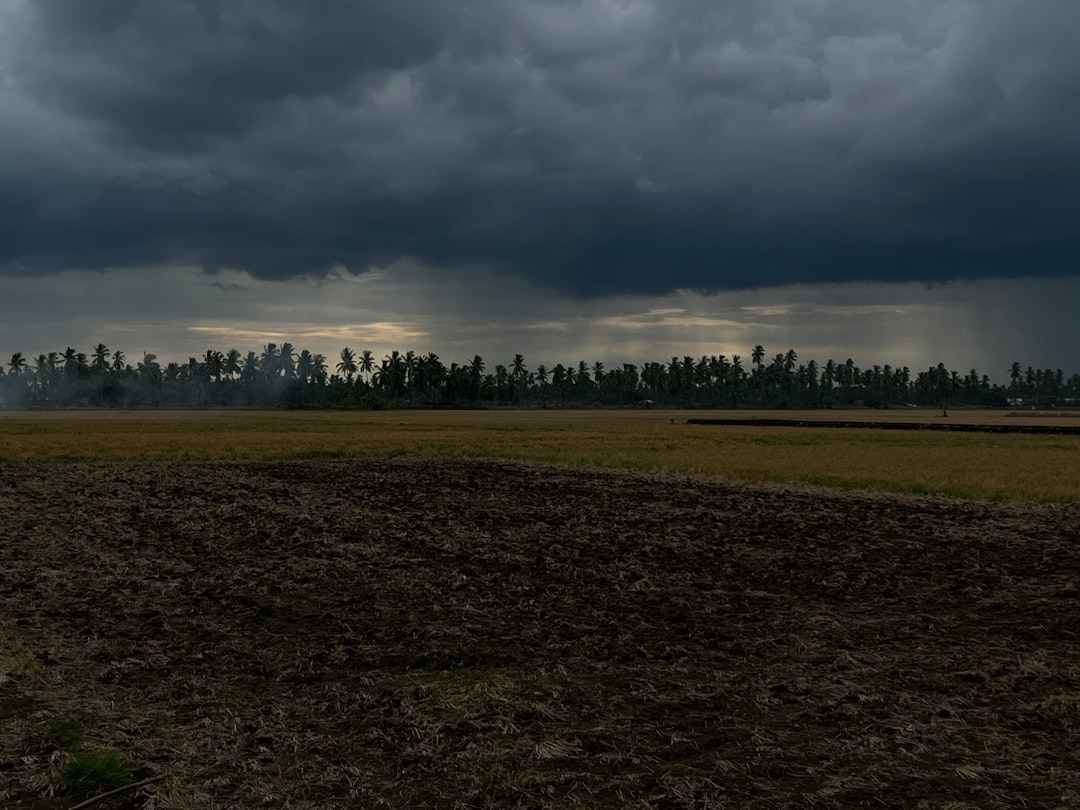
Unpredictable ground refers to terrain that presents challenges due to its variable conditions, which can change unexpectedly. This type of ground can include loose soil, shifting sands, unstable rock formations, or areas affected by erosion and subsidence. The unpredictability arises from a combination of natural factors such as weather patterns, geological changes, and human activities.
For instance, heavy rainfall can saturate soil, leading to landslides or mudslides, while drought can cause ground to crack and shift. Understanding the nature of unpredictable ground is crucial for anyone who works or travels in such environments, as it can significantly impact safety and operational efficiency. The characteristics of unpredictable ground can vary widely depending on the geographical location and environmental conditions.
In coastal areas, for example, shifting sands and tidal influences can create treacherous conditions for both construction and recreational activities. In mountainous regions, the risk of rockfalls and landslides can pose serious threats to infrastructure and human life. Urban areas may also experience unpredictable ground due to construction activities that disturb the soil or alter drainage patterns.
Recognizing these diverse factors is essential for developing effective strategies to mitigate risks associated with unpredictable ground.
Key Takeaways
- Unpredictable ground poses significant risks due to its unstable and variable nature.
- Proper safety measures and specialized equipment are essential for navigating and working on unpredictable terrain.
- Wearing appropriate footwear greatly enhances stability and reduces injury risk on unstable ground.
- Emergency preparedness is crucial to effectively respond to incidents caused by unpredictable ground conditions.
- Advances in technology and research are shaping future strategies for managing and mitigating unpredictable ground challenges.
Understanding the Risks
The risks associated with unpredictable ground are multifaceted and can have severe consequences for individuals and organizations alike. One of the primary dangers is the potential for accidents, which can result in injuries or fatalities. For instance, workers on construction sites may encounter sudden ground shifts that lead to falls or equipment failures.
Additionally, unpredictable ground can compromise the integrity of structures, leading to costly repairs or even catastrophic failures. Understanding these risks is vital for implementing appropriate safety measures and ensuring that all personnel are adequately trained to respond to emergencies. Moreover, the economic implications of unpredictable ground cannot be overlooked.
Construction delays caused by unforeseen ground conditions can lead to significant financial losses for contractors and project owners. The need for additional assessments, redesigns, or remedial work can inflate project budgets and extend timelines. Furthermore, insurance claims related to accidents or property damage caused by unstable ground can strain resources and impact future project viability.
By comprehensively understanding the risks associated with unpredictable ground, stakeholders can better prepare for potential challenges and minimize their impact.
Safety Precautions for Unpredictable Ground

Implementing safety precautions is essential when working in areas with unpredictable ground conditions. One of the most effective strategies is conducting thorough site assessments before any work begins. This includes geological surveys, soil testing, and environmental evaluations to identify potential hazards.
By understanding the specific characteristics of the ground, workers can develop tailored safety plans that address identified risks. Regular monitoring of site conditions throughout the project is also crucial, as changes in weather or other factors can alter ground stability. In addition to preemptive assessments, training and education play a vital role in ensuring safety on unpredictable ground.
Workers should be equipped with knowledge about recognizing signs of instability and understanding how to respond appropriately in emergencies. This training should encompass not only technical skills but also situational awareness and communication strategies among team members. By fostering a culture of safety and preparedness, organizations can significantly reduce the likelihood of accidents and enhance overall project outcomes.
How to Navigate Unpredictable Ground
| Metric | Description | Recommended Approach | Measurement/Indicator |
|---|---|---|---|
| Terrain Stability | Assessment of ground firmness and risk of collapse or slipping | Test ground with a stick or probe before stepping; avoid loose soil or rocks | Firmness scale (1-10), visual inspection |
| Visibility | Clarity of the path ahead and ability to see obstacles | Use headlamps or daylight; clear vegetation if necessary | Distance visible in meters |
| Footwear Traction | Grip quality of shoes or boots on uneven surfaces | Wear boots with deep treads or cleats designed for rough terrain | Traction rating or slip resistance score |
| Speed of Movement | Rate of travel adjusted for safety on unpredictable ground | Slow down to maintain balance and control | Meters per minute or steps per minute |
| Use of Support Tools | Utilization of trekking poles, walking sticks, or ropes | Employ poles for balance and stability; use ropes on steep sections | Number of support tools used |
| Environmental Conditions | Weather factors affecting ground unpredictability (rain, ice, wind) | Check weather forecast; avoid travel during adverse conditions | Weather severity index or condition rating |
| Physical Preparedness | Fitness and agility level of the individual navigating the terrain | Engage in strength and balance training prior to travel | Balance test scores, endurance levels |
Navigating unpredictable ground requires a combination of skill, awareness, and adaptability. One key aspect is maintaining a cautious approach when traversing unfamiliar terrain. Workers should always assess their surroundings before proceeding and be mindful of any visible signs of instability, such as cracks in the ground or unusual soil movement.
Utilizing established pathways or marked routes can also help minimize risks associated with unpredictable ground. In addition to careful navigation techniques, employing proper communication among team members is essential. Establishing clear signals or protocols for alerting others to potential hazards can enhance safety on-site.
Furthermore, using technology such as GPS devices or mapping applications can aid in identifying safe routes and avoiding areas known for instability. By combining these strategies with a proactive mindset, individuals can effectively navigate unpredictable ground while minimizing risks.
Tools and Equipment for Unpredictable Ground
The right tools and equipment are critical when working in environments characterized by unpredictable ground conditions.
However, operators must be trained to recognize when conditions are too hazardous for equipment use.
In some cases, lighter machinery or hand tools may be more appropriate for delicate tasks in unstable areas. Additionally, specialized equipment designed for challenging terrains can enhance safety and efficiency. For example, ground-penetrating radar (GPR) can help identify subsurface anomalies that may indicate instability before excavation begins.
Similarly, soil stabilization products such as geotextiles or chemical stabilizers can improve ground conditions and reduce risks associated with shifting soil. By investing in the right tools and equipment, organizations can better manage the challenges posed by unpredictable ground.
The Importance of Proper Footwear

Proper footwear is often an overlooked yet crucial element in ensuring safety on unpredictable ground. The right shoes or boots provide essential support and traction, helping individuals maintain stability while navigating challenging terrain. Footwear designed specifically for outdoor work often features reinforced soles, waterproof materials, and slip-resistant treads that enhance grip on various surfaces.
Moreover, wearing appropriate footwear can prevent injuries such as sprains or fractures that may occur due to slips or falls on unstable ground. It is essential for workers to select footwear that fits well and is suited to the specific conditions they will encounter. In environments where mud or loose gravel is prevalent, shoes with deep treads are particularly beneficial.
By prioritizing proper footwear, individuals can significantly reduce their risk of accidents while working on unpredictable ground.
Emergency Preparedness for Unpredictable Ground
Emergency preparedness is a critical component of working safely in areas with unpredictable ground conditions. Organizations should develop comprehensive emergency response plans that outline procedures for various scenarios, including landslides, equipment failures, or sudden shifts in terrain. These plans should include clear roles and responsibilities for team members, ensuring that everyone knows how to respond effectively in an emergency.
Regular drills and training sessions are essential for reinforcing emergency preparedness among workers. Simulating potential scenarios allows teams to practice their responses and identify any gaps in their plans. Additionally, having emergency supplies readily available—such as first aid kits, communication devices, and evacuation routes—can make a significant difference in the event of an incident.
By fostering a culture of preparedness, organizations can enhance their resilience against the challenges posed by unpredictable ground.
The Impact of Unpredictable Ground on Construction Projects
Unpredictable ground conditions can have profound implications for construction projects at every stage of development. From initial planning to final execution, these challenges can lead to delays, increased costs, and compromised safety. For instance, if unexpected soil instability is discovered during excavation, it may necessitate redesigning foundations or implementing additional stabilization measures—both of which can extend timelines and inflate budgets.
Moreover, the impact of unpredictable ground extends beyond immediate project concerns; it can also affect long-term sustainability and maintenance requirements. Structures built on unstable ground may require ongoing monitoring and repairs to ensure their integrity over time. This reality underscores the importance of thorough site assessments and proactive planning to mitigate risks associated with unpredictable ground conditions.
Unpredictable Ground in Natural Disasters
Natural disasters often exacerbate the challenges posed by unpredictable ground conditions. Events such as earthquakes, floods, or hurricanes can lead to sudden changes in terrain stability that pose significant risks to life and property. For example, heavy rainfall during a storm can saturate soil quickly, triggering landslides in hilly regions or causing flooding in low-lying areas.
In addition to immediate dangers during a disaster event, the aftermath often reveals further complications related to unstable ground conditions. Recovery efforts may be hampered by damaged infrastructure or hazardous terrain that complicates access for emergency responders. Understanding how natural disasters interact with unpredictable ground is crucial for developing effective disaster response strategies and enhancing community resilience.
Case Studies of Unpredictable Ground Incidents
Examining case studies of incidents involving unpredictable ground provides valuable insights into the challenges faced by various industries. One notable example occurred during a construction project in a coastal area where unexpected erosion led to a partial collapse of a foundation before work could be completed. This incident not only resulted in significant financial losses but also raised questions about the adequacy of pre-construction assessments.
Another case involved a hiking trail that became treacherous after heavy rains caused mudslides along its path. Hikers were caught off guard by rapidly changing conditions that made navigation perilous. This incident highlighted the importance of ongoing monitoring and communication regarding trail safety during adverse weather events.
By analyzing these case studies, stakeholders can learn from past mistakes and implement better practices to mitigate risks associated with unpredictable ground.
The Future of Dealing with Unpredictable Ground
As technology continues to advance, new methods for dealing with unpredictable ground are emerging on the horizon. Innovations such as drone surveying and remote sensing are revolutionizing how site assessments are conducted, allowing for more accurate data collection regarding terrain stability before work begins. These technologies enable stakeholders to make informed decisions based on real-time information about changing conditions.
Furthermore, advancements in materials science are leading to the development of new construction techniques that enhance stability on unpredictable ground.
As awareness grows regarding the challenges posed by unpredictable ground conditions, it is likely that future practices will increasingly prioritize sustainability and resilience in design and construction methodologies.
In conclusion, navigating the complexities of unpredictable ground requires a multifaceted approach that encompasses risk assessment, safety precautions, proper equipment usage, emergency preparedness, and ongoing education. By understanding the nature of these challenges and implementing effective strategies, individuals and organizations can enhance safety while minimizing disruptions caused by unstable terrain.
In exploring the concept that “the ground is not a promise,” it’s essential to consider the broader implications of land ownership and its transient nature. A related article that delves into these themes can be found at this link, where the complexities of land use and the evolving relationship between humans and their environment are discussed in detail. This perspective helps to illuminate why the ground, while often seen as a stable foundation, can be unpredictable and subject to change.
WATCH THIS! The Map You Can’t See: America’s $50 Billion Secret Underground City
FAQs
What does the phrase “the ground is not a promise” mean?
The phrase “the ground is not a promise” suggests that the earth beneath us is not guaranteed to remain stable or safe. It highlights the idea that the physical ground can shift, change, or be unreliable, symbolizing uncertainty or impermanence.
Why is the ground considered unreliable in some contexts?
Ground can be considered unreliable due to natural phenomena such as earthquakes, landslides, erosion, or flooding. Human activities like construction, mining, or deforestation can also destabilize the ground, making it less dependable.
Is the ground literally unstable everywhere?
No, the ground is not unstable everywhere. Many areas have stable soil and rock formations that provide a solid foundation. However, certain regions are prone to geological activity or environmental changes that can affect ground stability.
How does this concept relate to safety and construction?
In construction and engineering, understanding ground stability is crucial for safety. Foundations must be built on stable ground to prevent structural failures. Geotechnical surveys are often conducted to assess soil and rock conditions before building.
Can the phrase “the ground is not a promise” be interpreted metaphorically?
Yes, metaphorically, it can represent the idea that nothing in life is guaranteed or permanent. Just as the ground can shift unexpectedly, circumstances and situations can change without warning.
What are some natural events that demonstrate the ground’s instability?
Natural events such as earthquakes, volcanic eruptions, sinkholes, and landslides demonstrate the ground’s potential instability and unpredictability.
How can people prepare for ground instability?
Preparation includes building structures according to safety codes, conducting geological assessments, using appropriate construction materials, and having emergency plans for natural disasters related to ground movement.
Is the phrase commonly used in any specific fields or disciplines?
The phrase is often used in geology, environmental science, and sometimes in philosophical or literary contexts to discuss uncertainty, impermanence, and the physical realities of the earth.