
In recent years, the issue of aging infrastructure has emerged as a pressing concern across the United States. Many cities and towns are grappling with systems that were designed decades ago, often failing to meet the demands of modern society. Roads, bridges, and public transportation systems are not the only areas in need of attention; underground infrastructure, including water mains, sewage systems, and electrical grids, is also showing signs of wear and tear.
As these systems age, they become increasingly susceptible to failures that can disrupt daily life and pose significant risks to public safety. The deterioration of underground infrastructure is particularly alarming because it often goes unnoticed until a catastrophic event occurs. Burst water mains can flood streets, while failing sewage systems can lead to public health crises.
The lack of visibility makes it easy for these issues to be overlooked until they escalate into emergencies. As urban populations continue to grow, the strain on these aging systems will only increase, making it imperative for municipalities to address the problem before it spirals out of control.
Key Takeaways
- Aging underground infrastructure poses significant risks and requires urgent attention.
- Neglecting underground systems leads to costly repairs and public safety hazards.
- A billion investment plan aims to modernize and secure underground infrastructure.
- Upgrades will enhance public safety, boost the economy, and reduce environmental impact.
- Technology plays a crucial role in overcoming challenges and ensuring timely project completion.
The Cost of Neglecting Underground Infrastructure
Neglecting underground infrastructure can have dire financial implications for cities and states. When systems fail, the costs associated with emergency repairs can be astronomical. Not only do municipalities face immediate expenses related to fixing broken pipes or collapsed tunnels, but they also incur long-term costs associated with lost productivity and economic disruption.
Businesses may suffer from prolonged outages, leading to decreased revenue and potential job losses. Furthermore, the financial burden often falls on taxpayers, who may see their local taxes rise to cover the costs of emergency repairs. In addition to direct repair costs, there are also hidden expenses that arise from neglecting underground infrastructure.
For instance, deteriorating water quality due to aging pipes can lead to health issues for residents, resulting in increased healthcare costs. Similarly, frequent disruptions in service can erode public trust in local government and lead to a decline in property values. The cumulative effect of these costs can be staggering, underscoring the urgent need for proactive investment in infrastructure maintenance and upgrades.
The $50 Billion Plan to Upgrade Underground Infrastructure

In response to the growing crisis of aging underground infrastructure, a comprehensive $50 billion plan has been proposed to address these critical issues. This ambitious initiative aims to modernize water supply systems, sewage treatment facilities, and electrical grids across the nation. By investing in these essential services, the plan seeks not only to repair existing problems but also to create a more resilient infrastructure capable of meeting future demands.
The $50 billion plan is designed to be multifaceted, incorporating advanced technologies and sustainable practices into the upgrade process. By leveraging innovative solutions such as smart sensors and data analytics, municipalities can monitor infrastructure health in real-time and address issues before they escalate into emergencies. Additionally, the plan emphasizes collaboration between federal, state, and local governments, ensuring that resources are allocated efficiently and effectively to maximize impact.
The Importance of Investing in Underground Infrastructure
| Metric | Value | Significance |
|---|---|---|
| Annual Economic Loss Due to Infrastructure Failures | 50 billion | Highlights the cost of neglecting underground infrastructure maintenance |
| Average Lifespan of Well-Maintained Underground Pipes | 50-100 years | Demonstrates the long-term benefits of investing in quality materials and upkeep |
| Percentage of Urban Infrastructure Located Underground | 60% | Shows the extent of reliance on underground systems in cities |
| Reduction in Service Interruptions After Infrastructure Upgrades | 30-50% | Indicates improved reliability and customer satisfaction |
| Increase in Property Values Near Upgraded Infrastructure | 10-15% | Reflects positive economic impact on communities |
| Environmental Impact Reduction from Modern Infrastructure | 25% | Represents decreased pollution and resource waste |
Investing in underground infrastructure is crucial for several reasons. First and foremost, it directly impacts public health and safety. Reliable water supply systems and sewage treatment facilities are essential for preventing disease outbreaks and ensuring access to clean drinking water.
Furthermore, a robust electrical grid is vital for powering homes and businesses, particularly as society becomes increasingly reliant on technology. Beyond health and safety considerations, investing in underground infrastructure also has significant economic implications. Upgraded systems can enhance efficiency and reduce operational costs for municipalities, ultimately benefiting taxpayers.
Moreover, improved infrastructure can attract new businesses and residents to an area, stimulating local economies and creating jobs. In this way, investing in underground infrastructure is not merely a matter of maintenance; it is an investment in the future prosperity of communities across the nation.
How the $50 Billion Plan Will Improve Public Safety
One of the primary goals of the $50 billion plan is to enhance public safety by addressing the vulnerabilities inherent in aging underground infrastructure. By prioritizing upgrades to critical systems such as water supply and sewage treatment facilities, municipalities can significantly reduce the risk of catastrophic failures that could endanger lives. For example, replacing old pipes with modern materials can prevent leaks and contamination that pose health risks to residents.
Additionally, the plan includes provisions for improving emergency response capabilities related to infrastructure failures. By implementing advanced monitoring technologies, cities can detect issues early and respond more effectively to potential crises. This proactive approach not only safeguards public health but also instills confidence in residents that their local governments are taking necessary steps to protect them from harm.
The Economic Benefits of Upgrading Underground Infrastructure
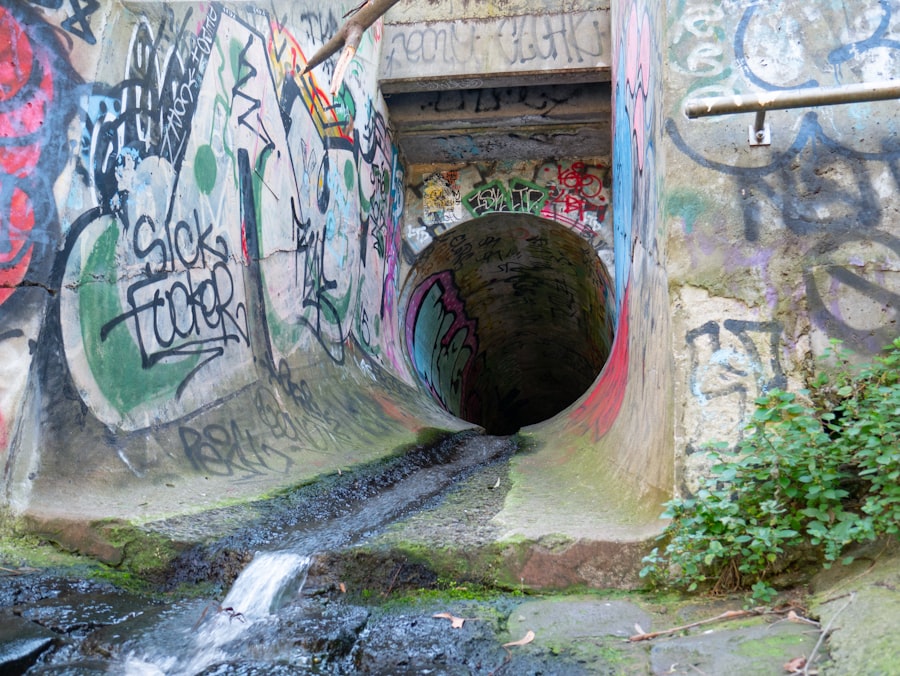
The economic benefits of upgrading underground infrastructure extend far beyond immediate repair costs. A well-maintained infrastructure system can serve as a catalyst for economic growth by attracting new businesses and fostering innovation. Companies are more likely to invest in areas with reliable utilities and transportation networks, leading to job creation and increased tax revenue for local governments.
Moreover, investing in infrastructure upgrades can stimulate job growth in construction and related industries. The $50 billion plan is expected to create thousands of jobs across various sectors as municipalities undertake extensive renovation projects. This influx of employment opportunities not only supports families but also contributes to overall economic stability within communities.
The Environmental Impact of Upgrading Underground Infrastructure
Upgrading underground infrastructure also has significant environmental implications. Aging systems often contribute to pollution through leaks and inefficiencies that waste valuable resources such as water and energy. By modernizing these systems with sustainable technologies, municipalities can reduce their environmental footprint while improving service delivery.
For instance, replacing old water mains with more efficient materials can minimize leaks and conserve water resources. Similarly, upgrading sewage treatment facilities with advanced filtration technologies can reduce harmful discharges into local waterways. These improvements not only protect ecosystems but also enhance the quality of life for residents by ensuring cleaner air and water.
The Role of Technology in Underground Infrastructure Upgrades
Technology plays a pivotal role in the successful implementation of the $50 billion plan for upgrading underground infrastructure. Innovations such as smart sensors and data analytics enable municipalities to monitor system performance in real-time, allowing for proactive maintenance and timely repairs. This shift from reactive to proactive management represents a significant advancement in how cities approach infrastructure challenges.
Furthermore, technology facilitates better communication between government agencies and residents. Mobile applications can provide real-time updates on service disruptions or planned maintenance activities, keeping citizens informed and engaged. By harnessing technology effectively, municipalities can enhance transparency and build trust with their communities while ensuring that infrastructure upgrades are executed efficiently.
Challenges and Obstacles in Implementing the $50 Billion Plan
Despite its potential benefits, implementing the $50 billion plan is not without challenges. One significant obstacle is securing adequate funding from various sources, including federal grants, state budgets, and private investments. Coordinating these resources effectively requires collaboration among multiple stakeholders at different levels of government.
Additionally, there may be resistance from communities concerned about disruptions during construction or potential increases in taxes to fund upgrades. Addressing these concerns through transparent communication and community engagement will be essential for garnering public support for the initiative. Overcoming these challenges will require strategic planning and a commitment to prioritizing long-term benefits over short-term inconveniences.
The Timeline for Completing the Underground Infrastructure Upgrades
Establishing a realistic timeline for completing the underground infrastructure upgrades outlined in the $50 billion plan is crucial for maintaining momentum and accountability.
Initial phases may focus on addressing the most critical needs first—such as replacing failing water mains or upgrading sewage treatment facilities—before moving on to less urgent projects.
Regular progress assessments will be essential for adjusting timelines as needed while keeping stakeholders informed about developments throughout the process.
The Future of Underground Infrastructure in the United States
The future of underground infrastructure in the United States hinges on proactive investment and innovative solutions that prioritize sustainability and resilience. As cities continue to grow and evolve, it will be essential for municipalities to adapt their infrastructure systems accordingly. The $50 billion plan represents a significant step toward addressing current challenges while laying the groundwork for a more robust future.
Ultimately, investing in underground infrastructure is not merely about repairing what is broken; it is about envisioning a future where communities thrive due to reliable services that support economic growth and enhance quality of life. By prioritizing these upgrades today, cities can ensure that they are prepared for the challenges of tomorrow while safeguarding public health and safety for generations to come.
The recent announcement of a $50 billion underground fix has sparked significant interest in infrastructure improvements across the nation. For those looking to delve deeper into the implications of such a massive investment, a related article can be found at this link, which discusses the potential benefits and challenges associated with large-scale underground projects.
WATCH THIS! The Map You Can’t See: America’s $50 Billion Secret Underground City
FAQs
What is the $50 billion underground fix?
The $50 billion underground fix refers to a large-scale infrastructure project aimed at repairing, upgrading, or expanding underground utilities and systems such as water pipes, sewage lines, electrical cables, and telecommunications networks.
Why is the underground fix necessary?
The underground fix is necessary to address aging infrastructure, prevent service disruptions, improve safety, and support growing urban populations and technological demands.
Which areas or cities are involved in the $50 billion underground fix?
The specific areas or cities involved depend on the project scope, but typically major metropolitan regions with outdated or failing underground systems are prioritized.
What types of infrastructure are included in the underground fix?
The project generally includes water and sewage pipelines, electrical and gas lines, fiber optic cables, and stormwater management systems.
How long is the $50 billion underground fix expected to take?
The duration varies by project size and complexity but large-scale underground infrastructure projects can take several years to a decade or more to complete.
Who is funding the $50 billion underground fix?
Funding usually comes from a combination of government budgets, municipal bonds, public-private partnerships, and sometimes federal grants.
What are the expected benefits of the underground fix?
Benefits include improved reliability of utility services, reduced risk of outages or leaks, enhanced public safety, environmental protection, and support for economic growth.
Will the underground fix cause disruptions to daily life?
Yes, construction and repair work may cause temporary disruptions such as road closures, traffic delays, and service interruptions, but efforts are typically made to minimize impact.
How can residents stay informed about the underground fix?
Residents can stay informed through official government websites, public meetings, local news outlets, and community notifications related to the project.
Is the $50 billion underground fix part of a larger infrastructure plan?
Often, such a large investment is part of broader infrastructure modernization initiatives aimed at improving overall urban resilience and sustainability.