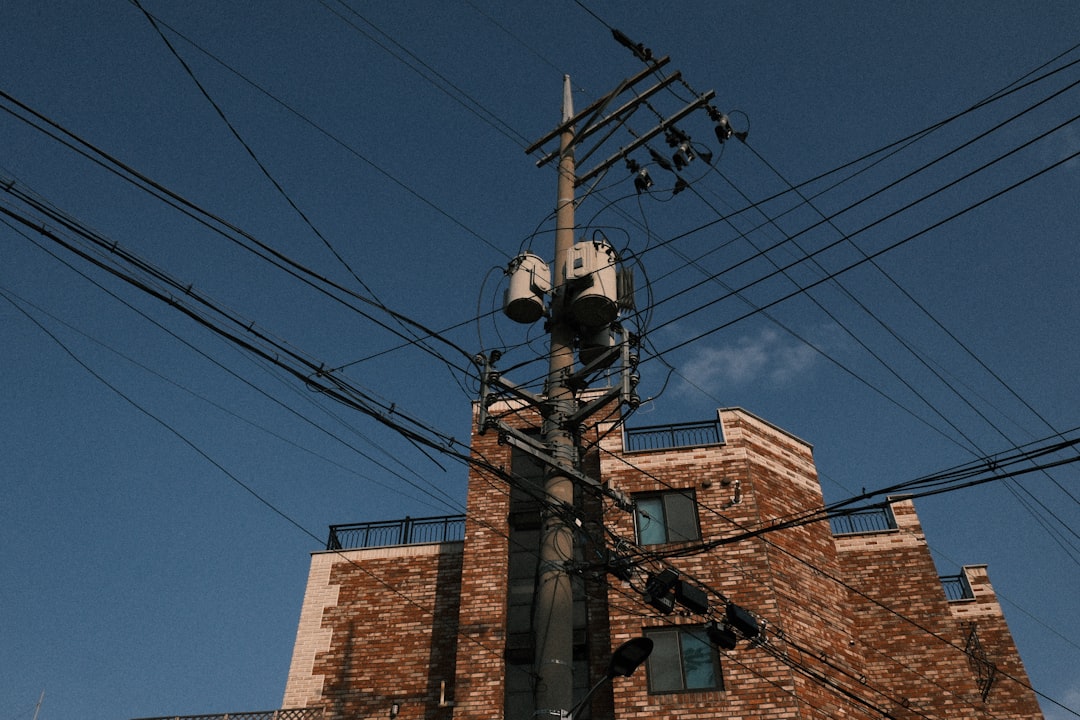
City utilities form the backbone of urban living, providing essential services that sustain daily life and promote public health.
As cities continue to grow and evolve, the demand for efficient and reliable utility services has become increasingly critical.
The development of these systems reflects not only technological advancements but also societal changes and the need for sustainable practices in urban environments. Understanding the history and evolution of city utilities offers valuable insights into how modern cities function and the challenges they face. The significance of city utilities extends beyond mere convenience; they are fundamental to the quality of life in urban areas.
Access to clean water, effective waste management, and reliable energy sources are essential for public health and safety. As urban populations swell, the pressure on these systems intensifies, necessitating innovative solutions and improvements. This article explores the historical context of city utilities, tracing their development from ancient methods to modern technologies, while also considering the future of urban infrastructure in an increasingly complex world.
Key Takeaways
- City utilities have evolved from ancient water supply methods to complex modern systems essential for urban living.
- The development of sewage and waste management systems has been crucial for public health and sanitation.
- Electricity and gas infrastructure transformed cities, enabling industrial growth and improved quality of life.
- Technological advancements continue to shape urban utilities, promoting efficiency and sustainability.
- The future of city utilities lies in smart, sustainable solutions addressing environmental and population challenges.
Ancient Methods of Water Supply
In ancient civilizations, the provision of water was a critical concern that shaped the development of cities. Early societies relied on natural water sources such as rivers, lakes, and springs to meet their needs. The ingenuity of these early communities is evident in their methods of water collection and distribution.
For instance, the ancient Egyptians constructed elaborate irrigation systems to channel water from the Nile River to their fields, ensuring agricultural productivity in an arid environment. Similarly, the Romans are renowned for their aqueducts, which transported water over long distances using gravity alone, showcasing advanced engineering skills for their time. These ancient methods laid the groundwork for future innovations in water supply.
The use of clay pipes and cisterns became common in various cultures, allowing for more efficient storage and distribution of water. In many cases, public fountains served as communal gathering points, emphasizing the social aspect of water access. However, these early systems were not without their challenges; issues such as contamination and limited reach often hindered their effectiveness.
Despite these limitations, the foundational principles established by ancient civilizations continue to influence modern water supply systems.
The Development of Sewage Systems

As urban populations grew, the need for effective sewage management became increasingly apparent. The lack of proper sanitation posed significant health risks, leading to outbreaks of diseases such as cholera and typhoid fever. Ancient civilizations recognized the importance of waste disposal; for example, the Indus Valley civilization had sophisticated drainage systems that included covered drains and toilets connected to a centralized sewage system.
However, it was not until the 19th century that modern sewage systems began to take shape in response to rapid urbanization. The Industrial Revolution marked a turning point in sewage management. Cities expanded rapidly, and with this growth came an urgent need for comprehensive waste disposal solutions.
The introduction of underground sewer systems revolutionized urban sanitation by transporting waste away from populated areas. Pioneers like Sir Joseph Bazalgette in London designed extensive sewer networks that significantly reduced public health risks. These developments not only improved hygiene but also transformed urban landscapes, allowing cities to grow without the constant threat of disease.
The Role of Electricity in Urban Infrastructure
| Aspect | Metric | Value | Unit | Notes |
|---|---|---|---|---|
| Electricity Consumption in Urban Areas | Average Daily Usage | 150 | kWh per household | Varies by city size and climate |
| Street Lighting | Percentage of Streets Electrified | 95 | % | Ensures safety and visibility at night |
| Public Transportation | Electric Bus Fleet Share | 30 | % | Transitioning to electric reduces emissions |
| Electric Vehicle Charging Stations | Number per 100,000 Residents | 25 | stations | Supports urban EV adoption |
| Smart Grid Implementation | Urban Coverage | 60 | % | Improves efficiency and outage management |
| Renewable Energy Integration | Share in Urban Electricity Mix | 40 | % | Includes solar, wind, and other renewables |
| Electricity Reliability | Average Outage Duration | 1.5 | hours/year | Lower values indicate better reliability |
| Electricity Access | Urban Population with Access | 99 | % | Near universal access in developed cities |
Electricity emerged as a transformative force in urban infrastructure during the late 19th century. Initially used for lighting streets and buildings, its applications quickly expanded to include transportation systems and industrial processes. The introduction of electric streetcars revolutionized public transit, making it easier for residents to navigate sprawling urban environments.
This shift not only enhanced mobility but also contributed to the growth of suburbs as people could live farther from their workplaces. The integration of electricity into city utilities also facilitated advancements in other areas such as heating and cooling systems. Electric power allowed for more efficient heating methods compared to traditional coal or wood-burning stoves.
As cities embraced electricity, they began to develop centralized power plants that could supply energy to a larger population.
The Impact of Industrialization on City Utilities
Industrialization brought about profound changes in city utilities, fundamentally altering how urban areas functioned. The rapid growth of factories and industries created an unprecedented demand for resources such as water and energy. As cities expanded to accommodate this growth, utility systems had to adapt quickly to meet the needs of a burgeoning population.
The increased production capacity led to innovations in utility management, including more efficient water treatment processes and expanded electrical grids. However, industrialization also introduced new challenges related to pollution and waste management. Factories often discharged untreated waste into rivers and streams, leading to environmental degradation and public health crises.
This prompted governments to implement regulations aimed at controlling pollution and improving sanitation practices. The interplay between industrial growth and utility development highlighted the need for sustainable practices that could support economic progress while safeguarding public health and the environment.
The Rise of Modern Plumbing

The evolution of plumbing systems marked a significant milestone in urban utility development. In the early 20th century, advancements in materials such as cast iron and copper allowed for more durable and efficient plumbing infrastructure. Indoor plumbing became increasingly common in homes, providing residents with convenient access to clean water and sanitation facilities.
This shift not only improved hygiene but also transformed daily life by reducing the time spent on water collection and waste disposal. Modern plumbing systems are characterized by their complexity and integration with other utilities. The introduction of pressurized water systems enabled consistent water flow throughout buildings, while advancements in drainage technology ensured effective waste removal.
Additionally, plumbing codes were established to regulate installation practices and ensure safety standards were met. As cities continued to grow, the importance of reliable plumbing systems became evident, underscoring their role in promoting public health and enhancing quality of life.
The Influence of Technology on Urban Utilities
The advent of technology has had a profound impact on urban utilities, driving innovation and efficiency across various sectors. Smart technologies have emerged as a key component in modern utility management, enabling cities to monitor usage patterns and optimize resource allocation. For instance, smart meters allow residents to track their energy consumption in real-time, encouraging more responsible usage habits while helping utility providers manage demand more effectively.
Moreover, advancements in data analytics have transformed how cities approach infrastructure planning and maintenance. Predictive analytics can identify potential issues before they escalate into costly repairs or service disruptions. This proactive approach not only enhances reliability but also extends the lifespan of utility systems.
As technology continues to evolve, its integration into urban utilities will play a crucial role in shaping sustainable cities that can adapt to changing demands.
The Expansion of Gas and Heating Systems in Cities
The expansion of gas and heating systems has been instrumental in enhancing urban living conditions. Natural gas emerged as a popular energy source in the late 19th century, providing a cleaner alternative to coal for heating homes and powering appliances. The establishment of gas distribution networks allowed cities to deliver this resource efficiently to residents, contributing to improved comfort during colder months.
In addition to residential heating, gas systems have played a vital role in supporting industrial processes and commercial enterprises. The versatility of natural gas has made it an essential component of urban infrastructure, powering everything from manufacturing facilities to restaurants. As cities continue to grow, the demand for reliable gas services remains high, prompting ongoing investments in infrastructure upgrades and expansions.
The Challenges of Urban Waste Management
Urban waste management presents significant challenges for city utilities as populations increase and consumption patterns change. The sheer volume of waste generated by urban residents necessitates comprehensive strategies for collection, recycling, and disposal. Traditional landfill methods are becoming less viable due to environmental concerns and space limitations within city boundaries.
To address these challenges, many cities are exploring innovative waste management solutions such as composting programs and waste-to-energy facilities. These initiatives aim to reduce landfill reliance while promoting sustainability through resource recovery. Additionally, public awareness campaigns encourage residents to adopt responsible waste disposal practices, fostering a culture of environmental stewardship within communities.
The Future of Smart Cities and Sustainable Utilities
Looking ahead, the concept of smart cities is gaining traction as urban areas seek to integrate technology into their utility systems for enhanced efficiency and sustainability. Smart city initiatives focus on leveraging data-driven solutions to optimize resource management across various sectors, including transportation, energy, and water supply. By utilizing interconnected devices and sensors, cities can monitor real-time conditions and respond proactively to emerging challenges.
Sustainable utilities will play a pivotal role in shaping the future of urban living. As climate change concerns intensify, cities are prioritizing renewable energy sources such as solar and wind power while investing in energy-efficient infrastructure. Water conservation measures are also becoming increasingly important as cities grapple with dwindling freshwater resources.
By embracing innovative technologies and sustainable practices, urban areas can create resilient utility systems that support both current needs and future generations.
The Evolution and Importance of City Utilities
The evolution of city utilities reflects humanity’s ongoing quest for improved living conditions within urban environments. From ancient methods of water supply to modern smart technologies, each advancement has contributed to shaping how cities function today. As urban populations continue to grow, the importance of reliable utility services cannot be overstated; they are essential for public health, environmental sustainability, and overall quality of life.
Looking forward, the challenges facing city utilities will require innovative solutions that prioritize sustainability and resilience. By embracing technology and fostering community engagement, cities can develop utility systems that not only meet current demands but also adapt to future challenges. Ultimately, the evolution of city utilities is a testament to human ingenuity—a journey that continues as societies strive for better living conditions in an ever-changing world.
The history of city utilities is a fascinating topic that reveals how urban infrastructure has evolved over time to meet the needs of growing populations. For a deeper understanding of this subject, you can explore a related article that discusses the development and impact of various city services. Check it out here: History of City Utilities.
WATCH THIS! The Map You Can’t See: America’s $50 Billion Secret Underground City
FAQs
What are city utilities?
City utilities refer to essential public services provided by a municipality or local government, including water supply, electricity, gas, sewage, and waste management.
When did city utilities first develop?
City utilities began developing in ancient civilizations, such as Mesopotamia and Rome, where early systems for water supply and sewage were established to support urban populations.
How have city utilities evolved over time?
City utilities have evolved from basic manual systems to complex, automated networks incorporating advanced technology for efficient delivery, monitoring, and maintenance of services.
What role did the Industrial Revolution play in the history of city utilities?
The Industrial Revolution significantly accelerated the development of city utilities by increasing urban populations and demand, leading to innovations in water treatment, electricity generation, and gas lighting.
How do city utilities impact urban development?
City utilities are critical for urban development as they provide the necessary infrastructure for public health, economic growth, and quality of life, enabling cities to expand and modernize.
Who typically manages city utilities?
City utilities are usually managed by municipal governments, public authorities, or private companies under government regulation to ensure reliable and equitable service delivery.
What challenges have city utilities faced historically?
Historically, city utilities have faced challenges such as infrastructure aging, funding shortages, population growth, pollution, and the need to integrate new technologies.
How have environmental concerns influenced city utilities?
Environmental concerns have led to the adoption of sustainable practices in city utilities, including water conservation, renewable energy integration, and improved waste management to reduce ecological impact.
What is the future outlook for city utilities?
The future of city utilities involves smart technologies, increased automation, renewable energy sources, and resilient infrastructure to meet growing urban demands and environmental challenges.