
The Second City, often affectionately referred to as Chicago, stands as a vibrant testament to American culture and innovation. Nestled along the shores of Lake Michigan, this bustling metropolis is renowned for its stunning architecture, rich history, and diverse neighborhoods. With a population that reflects a tapestry of cultures, Chicago offers an array of experiences that cater to every type of traveler.
From the iconic skyline punctuated by the Willis Tower to the serene beauty of its lakeside parks, the city is a dynamic blend of urban sophistication and Midwestern charm. Visitors to Chicago are often drawn in by its reputation for deep-dish pizza, jazz music, and sports fervor. However, beyond these well-known attractions lies a treasure trove of hidden gems waiting to be discovered.
The city’s essence is encapsulated in its neighborhoods, each with its own unique character and story.
Key Takeaways
- Discover lesser-known neighborhoods to experience the authentic vibe of the Second City.
- Explore unique local eateries, bars, and hidden art galleries for a distinctive cultural taste.
- Engage with the community through events, festivals, and immersive music and theater scenes.
- Visit secret gardens, green spaces, and unusual attractions to uncover the city’s hidden gems.
- Utilize practical tips to maximize your adventure and fully appreciate the city’s rich history and culture.
Exploring Off-the-Beaten-Path Neighborhoods
While many tourists flock to the bustling downtown area, the true heart of Chicago can be found in its lesser-known neighborhoods. Areas such as Pilsen, known for its vibrant murals and rich Mexican heritage, offer a glimpse into the city’s diverse cultural fabric. The streets are alive with color and creativity, showcasing local artists’ work and inviting visitors to explore galleries and shops that reflect the community’s spirit.
The aroma of authentic Mexican cuisine wafts through the air, drawing in those eager to savor traditional dishes in family-owned restaurants. Another hidden gem is Andersonville, a neighborhood that boasts a strong Swedish influence. Here, visitors can stroll along Clark Street, lined with quaint boutiques and cafes that exude a welcoming atmosphere.
The annual Midsommarfest celebrates this heritage with music, food, and crafts, allowing attendees to immerse themselves in the local culture. By venturing into these off-the-beaten-path neighborhoods, travelers can experience a side of Chicago that is often overlooked yet brimming with authenticity and charm.
Uncovering Unique Local Eateries and Bars
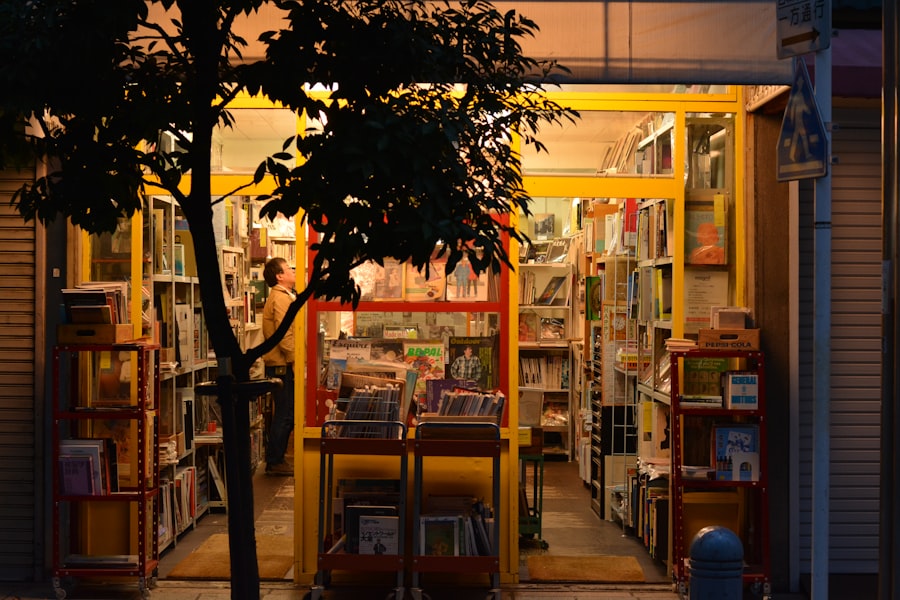
Chicago’s culinary scene is as diverse as its neighborhoods, offering an array of unique eateries and bars that reflect the city’s multicultural influences. Beyond the famous deep-dish pizza joints lies a world of gastronomic delights waiting to be explored. For instance, in the heart of Chinatown, one can find dim sum restaurants bustling with activity, where patrons savor small plates filled with flavors that transport them straight to Asia.
These establishments often feature traditional decor and are frequented by locals who appreciate the authenticity of the cuisine. In addition to ethnic eateries, Chicago is home to an impressive selection of craft breweries and cocktail bars that showcase local talent. The West Loop has emerged as a hotspot for innovative dining experiences, where chefs experiment with seasonal ingredients to create dishes that are both visually stunning and delicious.
Bars like The Aviary offer a theatrical approach to mixology, crafting cocktails that are as much about presentation as they are about flavor. By exploring these unique local establishments, visitors can indulge in a culinary adventure that reflects the city’s rich tapestry of cultures.
Delving into the City’s Rich History and Culture
| Aspect | Description | Key Metrics | Notable Sites |
|---|---|---|---|
| Historical Landmarks | Significant buildings and monuments representing the city’s past | Over 50 registered landmarks, 10 UNESCO heritage sites | Old Town Hall, Ancient Fort, Heritage Museum |
| Museums | Institutions preserving and showcasing cultural artifacts | 15 major museums, 500,000 annual visitors | City History Museum, Art & Culture Gallery |
| Festivals & Events | Annual cultural celebrations and historical reenactments | 12 major festivals, 200,000 participants yearly | Founders Day, Heritage Week, Cultural Parade |
| Local Traditions | Customs and practices passed down through generations | 10 unique traditions actively practiced | Traditional Dance, Craft Workshops |
| Historical Tours | Guided tours exploring the city’s history and culture | 30 tours available, 100,000 tourists annually | Walking Tour, River History Cruise |
Chicago’s history is a captivating narrative woven through time, marked by resilience and transformation. The Great Chicago Fire of 1871 served as a pivotal moment in the city’s development, leading to a remarkable rebuilding effort that shaped its architectural landscape. Today, visitors can explore historical sites such as the Chicago History Museum, which offers engaging exhibits that delve into the city’s past, from its founding to its role in shaping modern America.
Cultural institutions like the Art Institute of Chicago further enrich this historical narrative. Home to an extensive collection of artworks spanning centuries and styles, the museum serves as a testament to the city’s commitment to preserving and celebrating its artistic heritage. The iconic bronze lion statues at its entrance welcome guests into a world where history and creativity converge.
By immersing themselves in these cultural experiences, travelers gain a deeper understanding of Chicago’s evolution and its significance in American history.
Finding Hidden Art Galleries and Studios
Art enthusiasts will find themselves captivated by Chicago’s thriving art scene, which extends far beyond the well-trodden paths of mainstream galleries. Tucked away in various neighborhoods are hidden art galleries and studios that showcase the work of local artists. In areas like Wicker Park and Logan Square, visitors can stumble upon intimate spaces where creativity flourishes.
These galleries often host exhibitions featuring emerging artists, providing a platform for fresh perspectives and innovative ideas. Moreover, many artists open their studios to the public during events like the Chicago Artists Month or during gallery walks. This allows visitors not only to view art but also to engage with the creators themselves.
Conversations about inspiration and technique often lead to a deeper appreciation for the artistic process. By seeking out these hidden gems, travelers can connect with Chicago’s vibrant artistic community while discovering unique pieces that resonate with their personal tastes.
Seeking Out Quirky and Unusual Attractions

Chicago is home to an array of quirky attractions that add an element of whimsy to any visit. One such gem is the International Museum of Surgical Science, where visitors can explore exhibits dedicated to the history of surgery and medical instruments. This fascinating museum offers a glimpse into the evolution of medical practices through interactive displays and artifacts that spark curiosity.
Another unusual attraction is the Magic Parlour at Palmer House Hilton, where guests can enjoy an intimate magic show performed by Dennis Watkins. This unique experience combines elements of illusion with storytelling in an elegant setting, making it a memorable evening for those seeking something different from traditional entertainment options. By venturing beyond conventional tourist spots, visitors can uncover these quirky attractions that showcase Chicago’s eccentric charm.
Connecting with the Local Community through Events and Festivals
Chicago’s vibrant community spirit comes alive through its numerous events and festivals held throughout the year. From street fairs celebrating local artisans to cultural festivals highlighting diverse heritages, there is always something happening in the city. The Chicago Air and Water Show is a spectacular event that draws crowds to Lake Michigan’s shoreline each summer, featuring thrilling aerial performances by military jets and acrobatic teams.
Additionally, events like Lollapalooza bring together music lovers from all walks of life for an unforgettable weekend filled with performances from top artists across genres. These gatherings provide an opportunity for visitors to connect with locals who share their passions while enjoying the lively atmosphere that defines Chicago’s cultural landscape. By participating in these events, travelers can forge connections with the community and create lasting memories.
Discovering Secret Gardens and Green Spaces
Amidst the urban hustle and bustle lies a network of secret gardens and green spaces that offer respite from city life. One such hidden oasis is the Alfred Caldwell Lily Pool located within Lincoln Park. This serene garden features native plants and tranquil water features that invite visitors to pause and reflect amidst nature’s beauty.
It serves as a reminder of the importance of preserving green spaces within urban environments. Another enchanting spot is the Garfield Park Conservatory, often referred to as “the jewel of Chicago.” This expansive indoor garden showcases a diverse collection of plants from around the world in stunning glass structures. Visitors can wander through lush landscapes filled with exotic flora while learning about conservation efforts aimed at protecting these natural wonders.
By discovering these secret gardens, travelers can experience moments of tranquility amidst the vibrant energy of Chicago.
Immersing Yourself in the Second City’s Music and Theater Scene
Chicago’s music and theater scene is legendary, offering an array of performances that cater to diverse tastes. The city has long been recognized as a hub for jazz and blues music, with iconic venues like Buddy Guy’s Legends showcasing live performances from both established artists and emerging talent. Visitors can immerse themselves in this rich musical heritage while enjoying soulful sounds that resonate throughout the city.
The theater scene is equally vibrant, with renowned institutions such as The Goodman Theatre and Steppenwolf Theatre presenting thought-provoking productions year-round. From classic plays to contemporary works, audiences are treated to performances that challenge perspectives and evoke emotions. Additionally, improv comedy has deep roots in Chicago, with theaters like The Second City providing laughter-filled evenings that celebrate spontaneity and creativity.
By engaging with this dynamic arts scene, travelers can experience firsthand why Chicago is often referred to as “the city of broad shoulders” when it comes to cultural expression.
Unearthing Hidden Historical Landmarks
While many visitors flock to well-known landmarks like Millennium Park or Navy Pier, Chicago is also home to numerous hidden historical sites that tell compelling stories about its past. The Pullman National Monument stands as a testament to labor history and social justice movements in America. Once a thriving company town for railroad workers, it now serves as a site for education about labor rights and community activism.
Another lesser-known landmark is the Charnel House in Logan Square—a former funeral home turned performance space that hosts avant-garde theater productions. This unique venue embodies Chicago’s spirit of reinvention while honoring its historical roots. By unearthing these hidden historical landmarks, travelers gain insight into the multifaceted narrative that shapes Chicago’s identity today.
Tips for Making the Most of Your Second City Adventure
To truly make the most of a visit to Chicago, travelers should consider several tips that enhance their experience in this vibrant city. First and foremost, embracing public transportation can be an excellent way to navigate between neighborhoods while avoiding traffic congestion. The “L” train system provides convenient access to various attractions while offering glimpses into local life along the way.
Additionally, engaging with locals through guided tours or community events can provide valuable insights into hidden gems that may not be found in guidebooks. Whether it’s joining a food tour or participating in neighborhood festivals, these experiences foster connections with residents who are eager to share their love for their city. Lastly, taking time to explore at one’s own pace allows for spontaneous discoveries—whether it’s stumbling upon an art installation or finding a cozy café tucked away on a quiet street corner.
By following these tips and embracing curiosity during their Second City adventure, travelers can create unforgettable memories while experiencing all that Chicago has to offer.
The concept of a “second city” often refers to a city that is considered to be the second most important or populous in a country, often overshadowed by the capital. For a deeper understanding of this topic, you can explore the article on MyGeoQuest that discusses various cities around the world and their significance. Check it out here: MyGeoQuest.
WATCH THIS! The Map You Can’t See: America’s $50 Billion Secret Underground City
FAQs
What is referred to as the “Second City”?
The term “Second City” commonly refers to Chicago, Illinois, in the United States. It is often called this because it is the second most populous city in the U.S., after New York City.
Why is Chicago called the Second City?
Chicago earned the nickname “Second City” due to its rapid growth in the late 19th and early 20th centuries, becoming the second-largest city in the U.S. Additionally, the term was popularized by a 1952 book titled “The Second City” by A.J. Liebling, which described Chicago’s rise after the Great Fire of 1871.
Are there other places known as the Second City?
While Chicago is the most famous “Second City,” other cities have been referred to by this nickname in different contexts, often meaning the second-largest or second most important city in a country or region. However, Chicago is the most widely recognized city with this title.
What is The Second City in the context of entertainment?
The Second City is also the name of a renowned improvisational comedy enterprise based in Chicago. Founded in 1959, it has launched the careers of many famous comedians and actors.
Is the term “Second City” used officially?
No, “Second City” is an informal nickname and is not an official designation. It is used colloquially to describe Chicago’s status relative to other major U.S. cities.
How does Chicago compare to other major U.S. cities?
Chicago is the third most populous city in the U.S. as of recent data, following New York City and Los Angeles. Despite this, it retains the nickname “Second City” due to historical population rankings and cultural significance.