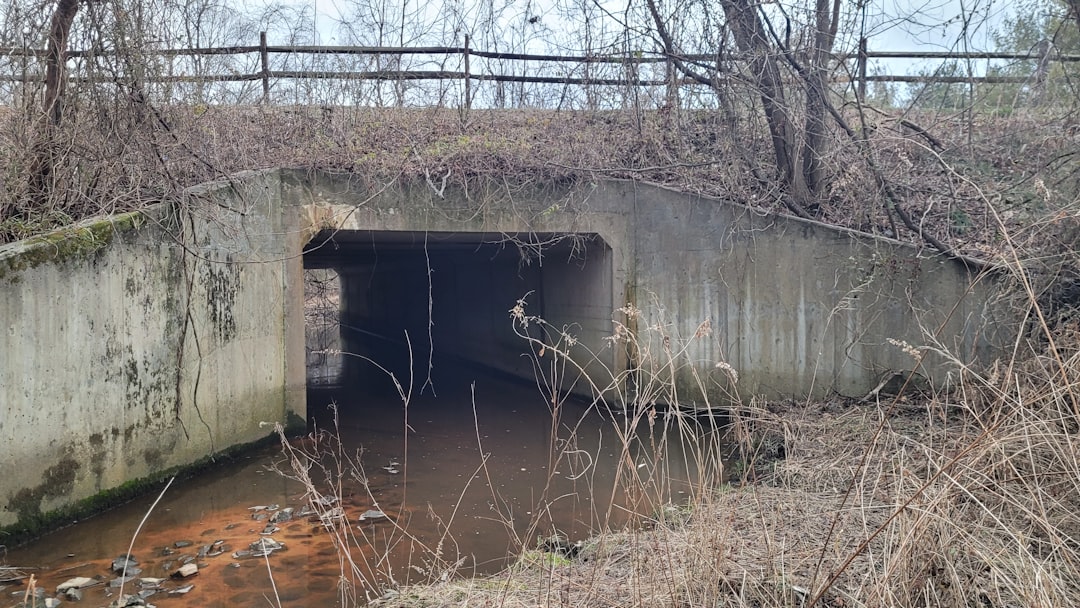
The Delaware Aqueduct stands as a monumental engineering achievement, serving as a crucial water supply line for New York City. Spanning over 137 miles, it is the longest water supply tunnel in the world, transporting water from the Delaware River Basin to the city’s reservoirs. This aqueduct is not merely a conduit for water; it is a lifeline for millions of residents who rely on its flow for drinking, sanitation, and various daily activities.
The aqueduct’s construction began in the 1930s and has since been a cornerstone of New York’s water infrastructure, providing approximately half of the city’s daily water needs. The significance of the Delaware Aqueduct extends beyond its physical dimensions. It symbolizes the city’s commitment to ensuring a reliable and clean water supply for its inhabitants.
The aqueduct’s design incorporates advanced engineering techniques that have allowed it to withstand the test of time, but as with any aging infrastructure, challenges have emerged. The aqueduct not only supports the daily lives of New Yorkers but also plays a vital role in the region’s economy, supporting industries and businesses that depend on a steady water supply. As such, maintaining and protecting this critical resource is paramount for the city’s future.
Key Takeaways
- The Delaware Aqueduct is a crucial water source for New York City, supplying a significant portion of its drinking water.
- A major leak was discovered, threatening the reliability and safety of the water supply.
- The leak poses environmental risks, including harm to local wildlife and ecosystems.
- Repairing the aging aqueduct requires substantial investment and coordinated government action.
- Long-term infrastructure planning is essential to prevent future water supply disruptions and protect public health.
The Discovery of the Leak: Understanding the Scope of the Problem
In recent years, concerns have arisen regarding the integrity of the Delaware Aqueduct, particularly following the discovery of a significant leak. This leak was first identified in 2003, but it wasn’t until more comprehensive assessments were conducted that the full extent of the problem became apparent. Engineers and hydrologists have since determined that the leak is estimated to be releasing around 15 million gallons of water per day into the surrounding environment.
This alarming figure highlights not only the urgency of addressing the issue but also raises questions about the aqueduct’s structural integrity.
Experts believe that geological shifts and natural wear and tear over decades may have contributed to this deterioration.
The leak’s location, deep within the aqueduct’s structure, complicates repair efforts and necessitates advanced technology and methodologies to pinpoint its exact source. As assessments continue, it becomes increasingly clear that this issue is not merely a minor inconvenience; it poses a significant challenge to one of New York City’s most essential resources.
Assessing the Impact: How the Leak Affects New York’s Water Supply
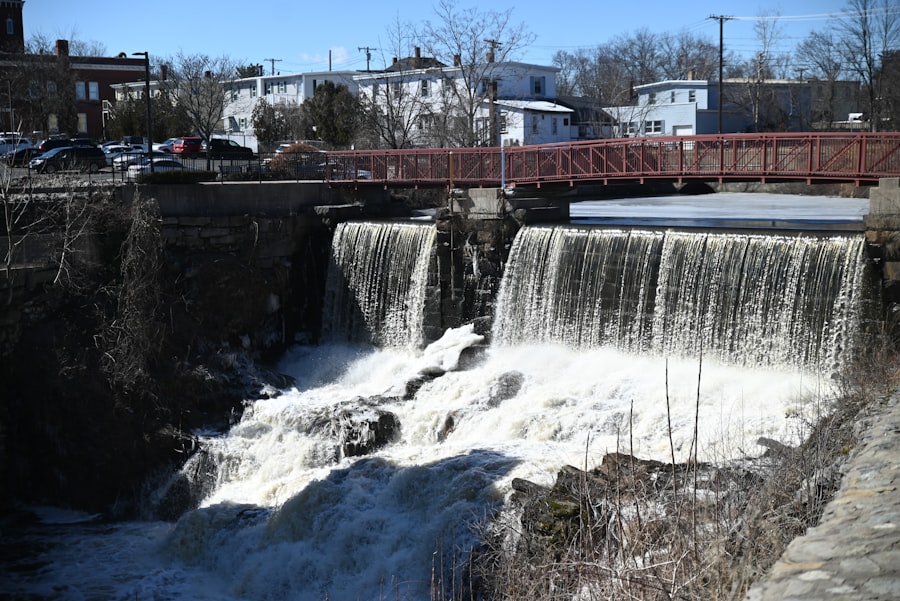
The implications of the leak in the Delaware Aqueduct are far-reaching, affecting not only the immediate water supply but also the broader ecosystem and infrastructure surrounding it. With millions of gallons escaping daily, there is a tangible risk of reduced water availability for New Yorkers. This situation could lead to increased pressure on alternative water sources, which may not be as reliable or clean as those provided by the aqueduct.
As demand for water continues to rise with population growth and climate change, any reduction in supply could have dire consequences. Moreover, the leak raises concerns about water quality. As water seeps from the aqueduct, it may interact with surrounding soil and rock formations, potentially introducing contaminants into the water supply.
This situation necessitates rigorous monitoring and testing to ensure that New Yorkers continue to receive safe drinking water. The city’s Department of Environmental Protection (DEP) has been proactive in addressing these concerns, but the ongoing nature of the leak complicates their efforts to maintain high standards of water quality.
The Environmental Consequences of the Leak: Threats to Wildlife and Ecosystems
| Metric | Value | Impact Description |
|---|---|---|
| Area Affected (sq km) | 150 | Extent of land and water ecosystems contaminated by the leak |
| Wildlife Species Affected | 45 | Number of species experiencing habitat disruption or poisoning |
| Mortality Rate (%) | 30 | Estimated percentage of affected wildlife that died due to exposure |
| Water Contamination Level (ppm) | 120 | Concentration of toxic substances in nearby water bodies |
| Soil Toxicity Index | 8.5 | Scale measuring soil contamination severity (1-10) |
| Recovery Time (years) | 15 | Estimated time for ecosystems to return to pre-leak conditions |
| Endangered Species Impacted | 7 | Number of endangered species affected by the leak |
Beyond its impact on human water supply, the leak from the Delaware Aqueduct poses significant environmental risks. The release of large volumes of water into surrounding areas can disrupt local ecosystems, affecting both flora and fauna. Wetlands and other habitats may experience changes in hydrology due to this influx, leading to shifts in species composition and biodiversity.
Aquatic life that depends on stable water levels may find their habitats altered or diminished, resulting in potential declines in fish populations and other wildlife. Additionally, the leak can exacerbate erosion and sedimentation issues in nearby streams and rivers. Increased water flow can lead to destabilization of banks and habitats, further threatening local wildlife.
Conservationists are particularly concerned about how these changes may affect endangered species that rely on specific environmental conditions for survival. The delicate balance of these ecosystems is at risk, underscoring the need for immediate action to address the leak and mitigate its environmental consequences.
Infrastructure Challenges: Addressing the Aging Delaware Aqueduct
The aging infrastructure of the Delaware Aqueduct presents a formidable challenge in addressing the leak effectively. Built during a time when engineering standards were vastly different from today’s practices, parts of the aqueduct are now over 80 years old. While it has served its purpose admirably over decades, wear and tear have inevitably taken their toll.
The materials used in its construction may no longer meet modern standards for durability and resilience against environmental factors. Repairing such an extensive system requires not only significant financial investment but also innovative engineering solutions. Traditional methods may not suffice given the complexity of accessing and repairing leaks deep within the aqueduct’s structure.
Engineers are exploring advanced technologies such as remote sensing and robotic inspection tools to assess damage more accurately and efficiently. However, these solutions come with their own set of challenges, including high costs and potential disruptions to existing water services during repair operations.
The Importance of Addressing the Leak: Ensuring a Reliable Water Supply for New York

Addressing the leak in the Delaware Aqueduct is not merely an engineering challenge; it is a critical necessity for ensuring a reliable water supply for New York City’s residents. As one of the largest urban centers in the world, New York relies heavily on this aqueduct to meet its daily water needs. Any prolonged disruption or reduction in supply could lead to severe consequences for public health, sanitation, and overall quality of life.
Moreover, ensuring a reliable water supply is essential for maintaining economic stability within the city. Industries ranging from hospitality to manufacturing depend on consistent access to clean water for their operations. A compromised water supply could deter investment and growth in these sectors, ultimately impacting job creation and economic vitality.
Therefore, addressing this leak is not just about fixing a pipe; it is about safeguarding New York’s future.
Proposed Solutions: Strategies for Repairing the Delaware Aqueduct
In light of the challenges posed by the leak in the Delaware Aqueduct, various strategies have been proposed to facilitate repairs while minimizing disruption to service. One approach involves utilizing advanced technologies such as trenchless repair methods, which allow for repairs without extensive excavation. This technique can significantly reduce both time and costs associated with traditional repair methods while also limiting disruptions to residents who rely on this vital water source.
Another proposed solution includes increasing collaboration between various stakeholders involved in managing New York’s water resources. By fostering partnerships between government agencies, environmental organizations, and engineering firms, a more comprehensive approach can be developed to address not only the immediate leak but also long-term infrastructure needs. This collaborative effort could lead to innovative solutions that prioritize sustainability while ensuring that New Yorkers continue to receive safe and reliable drinking water.
The Cost of Repairing the Leak: Budgeting for Critical Infrastructure Upgrades
Repairing the leak in the Delaware Aqueduct will undoubtedly require substantial financial resources. Estimates suggest that addressing this issue could cost hundreds of millions of dollars—a significant investment for any city budget. However, city officials recognize that failing to act could result in even greater costs down the line due to potential public health crises or environmental degradation.
Budgeting for such critical infrastructure upgrades necessitates careful planning and prioritization within New York City’s financial framework. Officials must weigh immediate repair costs against long-term benefits such as improved water quality and reliability. Additionally, exploring funding opportunities through state or federal grants can help alleviate some financial burdens while ensuring that necessary repairs are made promptly.
Public Health Concerns: Ensuring Safe Drinking Water for New York Residents
Public health concerns are at the forefront of discussions surrounding the leak in the Delaware Aqueduct. With millions relying on this source for drinking water, any potential contamination or reduction in supply poses serious risks to community health. The city’s Department of Environmental Protection has been vigilant in monitoring water quality throughout this crisis; however, ongoing assessments are crucial to ensure that safety standards are maintained.
Moreover, public awareness campaigns are essential in educating residents about potential risks associated with compromised water supplies. Transparency regarding testing results and repair progress can help build trust between city officials and residents while encouraging proactive measures such as conservation efforts during periods of reduced supply. Ultimately, prioritizing public health will be key as New York navigates this complex challenge.
The Role of Government and Regulatory Agencies in Addressing the Leak
Government agencies play a pivotal role in addressing issues related to infrastructure like the Delaware Aqueduct. Local authorities must coordinate efforts across various departments—ranging from environmental protection to public health—to ensure a comprehensive response to this crisis. Regulatory agencies also have a responsibility to enforce standards that protect both water quality and public safety throughout repair processes.
Furthermore, collaboration with state and federal entities can provide additional resources necessary for effective management of this situation. Engaging with experts from various fields can lead to innovative solutions while ensuring compliance with environmental regulations during repair efforts. Ultimately, strong leadership at all levels will be essential as New York works toward resolving this critical issue.
Long-Term Planning: Preventing Future Water Infrastructure Issues in New York
As New York City grapples with repairing the Delaware Aqueduct leak, it is imperative that long-term planning becomes a priority moving forward. Investing in modernizing aging infrastructure will be crucial not only for addressing current challenges but also for preventing similar issues from arising in the future.
Additionally, incorporating climate resilience into future planning efforts will be vital as urban centers face increasing pressures from climate change impacts such as extreme weather events and rising sea levels. By adopting forward-thinking strategies that prioritize both infrastructure integrity and environmental stewardship, New York can ensure that its water supply remains reliable for generations to come. In conclusion, while addressing the leak in the Delaware Aqueduct presents significant challenges, it also offers an opportunity for New York City to reevaluate its approach to water infrastructure management comprehensively.
By prioritizing collaboration among stakeholders, investing in innovative solutions, and committing to long-term planning efforts, New York can safeguard its most precious resource—clean drinking water—for all its residents.
The recent leak in the New York Delaware Aqueduct has raised concerns about the integrity of the city’s water supply system. For a deeper understanding of the implications of such infrastructure issues, you can read a related article on this topic at MyGeoQuest. This article provides insights into the challenges faced by aging water systems and the importance of timely maintenance and repairs.
WATCH THIS! The Map You Can’t See: America’s $50 Billion Secret Underground City
FAQs
What is the New York Delaware Aqueduct?
The New York Delaware Aqueduct is a critical water supply tunnel that transports water from the Delaware River watershed to New York City. It is one of the main components of the city’s water supply system.
Where is the leak located in the Delaware Aqueduct?
The leak is located in a section of the Delaware Aqueduct beneath the Hudson River, near the town of Newburgh, New York.
How was the leak in the Delaware Aqueduct discovered?
The leak was discovered through routine inspections and monitoring of water flow and pressure, which indicated water loss in the system.
How much water is lost due to the leak?
It is estimated that the leak causes a loss of approximately 35 million gallons of water per day.
What are the potential impacts of the leak on New York City’s water supply?
The leak reduces the efficiency of the aqueduct, potentially affecting the volume of water delivered to New York City. However, the city has backup systems to ensure continuous water supply.
What measures are being taken to repair the leak?
The city has initiated a major repair project that involves constructing a bypass tunnel around the leaking section to restore full capacity and prevent further water loss.
How long will the repair project take?
The repair project is expected to take several years to complete, with work ongoing to minimize disruption to the water supply.
Will the leak affect water quality?
There is no evidence that the leak has compromised water quality. The aqueduct is a closed system, and water treatment processes ensure safe drinking water.
Is the leak causing environmental damage?
The leak results in water loss but has not been reported to cause significant environmental damage. The repair efforts aim to mitigate any potential impacts.
How can residents stay informed about the repair progress?
Updates on the repair project are typically provided by the New York City Department of Environmental Protection through their website and public communications.