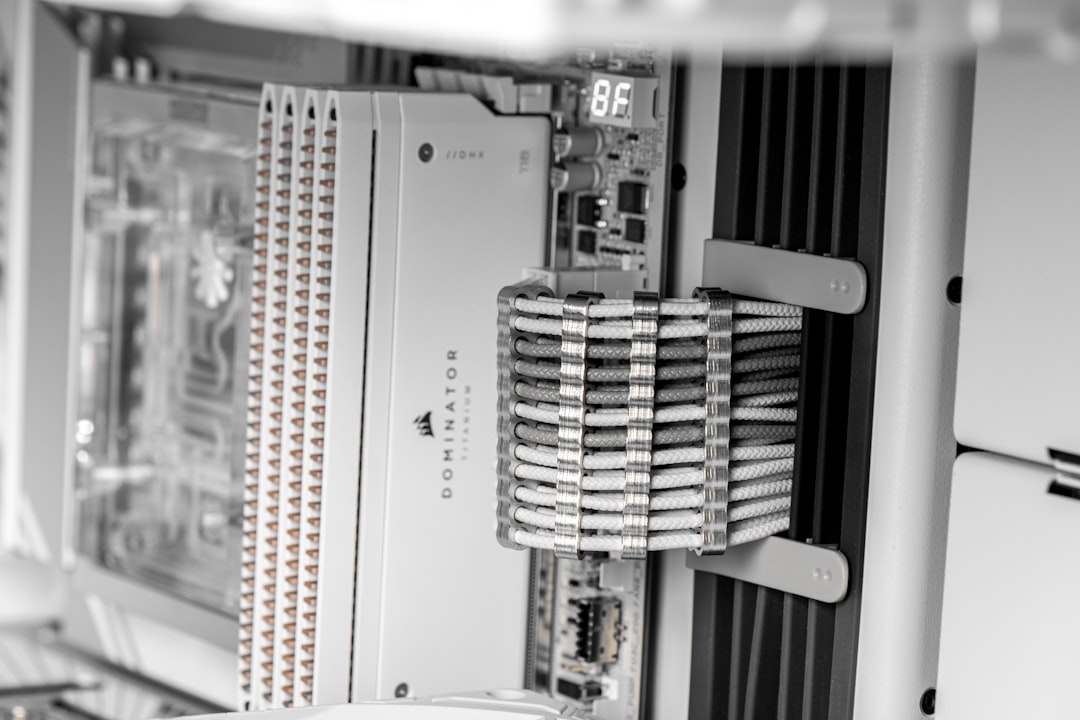
Efficient cooling is a critical component in the operation of underground data centers, where the density of servers and the heat they generate can pose significant challenges. As the demand for data storage and processing continues to surge, the need for effective cooling solutions becomes increasingly paramount. The subterranean environment, while naturally cooler than above-ground facilities, still requires sophisticated cooling systems to maintain optimal operating temperatures.
Without proper cooling, servers can overheat, leading to reduced performance, increased energy consumption, and even hardware failure. Thus, ensuring efficient cooling is not merely a matter of comfort; it is essential for the reliability and longevity of the data center infrastructure. Moreover, the implications of inadequate cooling extend beyond individual server performance.
In an era where data centers are under scrutiny for their environmental impact, efficient cooling systems can significantly reduce energy consumption and carbon footprints. By optimizing cooling processes, underground data centers can operate more sustainably, aligning with global efforts to combat climate change. This dual focus on performance and sustainability underscores the importance of innovative cooling solutions tailored specifically for the unique challenges presented by underground environments.
Key Takeaways
- Efficient cooling is critical to ensure performance and reliability in underground data centers.
- Underground data centers benefit from natural insulation and protection but face unique cooling challenges.
- Innovations like liquid cooling and advanced airflow management improve cooling efficiency underground.
- Utilizing natural cooling methods and energy-efficient solutions supports sustainability goals.
- Future trends focus on integrating smart, sustainable cooling technologies to optimize underground data center operations.
Advantages of Underground Data Centers
Underground data centers offer a range of advantages that make them an attractive option for organizations looking to enhance their data management capabilities. One of the most significant benefits is their natural insulation from external temperature fluctuations. Being situated below ground allows these facilities to maintain a more stable thermal environment, which can lead to lower energy costs associated with cooling.
This inherent temperature stability can be particularly advantageous in regions with extreme weather conditions, where above-ground facilities may struggle to maintain optimal operating temperatures. In addition to thermal advantages, underground data centers also provide enhanced security features. The physical barriers offered by earth and rock can deter unauthorized access and protect against natural disasters such as floods or tornadoes.
This added layer of security is increasingly important in a world where data breaches and cyber threats are prevalent. Furthermore, the discreet nature of underground facilities can help organizations maintain a lower profile, reducing the risk of targeted attacks or vandalism. As a result, many businesses find that the combination of energy efficiency and security makes underground data centers a compelling choice for their data storage needs.
Challenges of Cooling Underground Data Centers
Despite their numerous advantages, underground data centers face unique challenges when it comes to cooling. One primary concern is the potential for humidity buildup in enclosed spaces. While the earth provides natural insulation, it can also trap moisture, leading to condensation issues that can damage sensitive electronic equipment.
Managing humidity levels becomes crucial in these environments, requiring advanced dehumidification systems that can operate effectively alongside traditional cooling methods. Another challenge lies in the logistics of airflow management within underground facilities. The confined spaces can complicate the distribution of cool air, making it difficult to ensure that all areas receive adequate cooling.
Poor airflow can lead to hot spots where equipment may overheat, undermining the overall efficiency of the data center. Addressing these challenges necessitates careful planning and design considerations to create an effective cooling strategy that accommodates the unique characteristics of underground environments.
Innovations in Cooling Technology for Underground Data Centers
| Innovation | Description | Energy Efficiency Improvement | Cooling Capacity | Implementation Status |
|---|---|---|---|---|
| Geothermal Cooling | Utilizes stable underground temperatures to dissipate heat efficiently. | Up to 40% reduction in energy consumption | Up to 500 kW per unit | Commercially deployed |
| Liquid Immersion Cooling | Submerges servers in dielectric fluids to improve heat transfer. | 30-50% energy savings compared to air cooling | Scalable to multi-megawatt data centers | Pilot and early adoption phases |
| Phase Change Materials (PCM) | Stores and releases thermal energy to stabilize temperature fluctuations. | Reduces peak cooling load by 20% | Depends on PCM volume and placement | Experimental and testing |
| Adiabatic Cooling Systems | Uses evaporative cooling to reduce air temperature without compressors. | Energy savings of 25-35% | Effective in dry climates, up to 1 MW | Widely used in new builds |
| Waste Heat Recovery | Captures heat from servers to be reused for heating or power generation. | Improves overall site energy efficiency by 15% | Varies with data center size | Increasing adoption |
The quest for efficient cooling solutions has spurred numerous innovations in technology specifically designed for underground data centers. One notable advancement is the development of modular cooling systems that can be easily integrated into existing infrastructures. These systems allow for scalable cooling solutions that can adapt to changing demands as data center operations grow or evolve.
By utilizing modular designs, operators can implement targeted cooling strategies that address specific areas of need without overhauling entire systems. Additionally, advancements in smart technology have enabled more precise monitoring and control of cooling systems. IoT-enabled sensors can provide real-time data on temperature and humidity levels throughout the facility, allowing operators to make informed decisions about cooling adjustments.
This level of automation not only enhances efficiency but also reduces the likelihood of human error in managing complex cooling systems. As these technologies continue to evolve, they hold great promise for improving the overall performance and sustainability of underground data centers.
Utilizing Natural Cooling Methods in Underground Data Centers
Natural cooling methods present an intriguing opportunity for underground data centers to enhance their energy efficiency while minimizing environmental impact. One effective approach is leveraging geothermal energy, which utilizes the earth’s stable temperature to cool or heat facilities as needed. By circulating water or air through underground pipes, operators can harness this natural resource to regulate temperatures without relying solely on mechanical systems.
This method not only reduces energy consumption but also lowers operational costs over time. Another natural cooling technique involves passive ventilation strategies that take advantage of airflow patterns within underground spaces. By strategically placing vents and ducts, operators can facilitate the movement of cooler air from outside into the facility while allowing warmer air to escape.
This approach can significantly reduce reliance on traditional air conditioning systems, further enhancing energy efficiency. As organizations seek sustainable solutions for their data management needs, integrating natural cooling methods into underground data centers will likely become increasingly popular.
Implementing Liquid Cooling Systems in Underground Data Centers
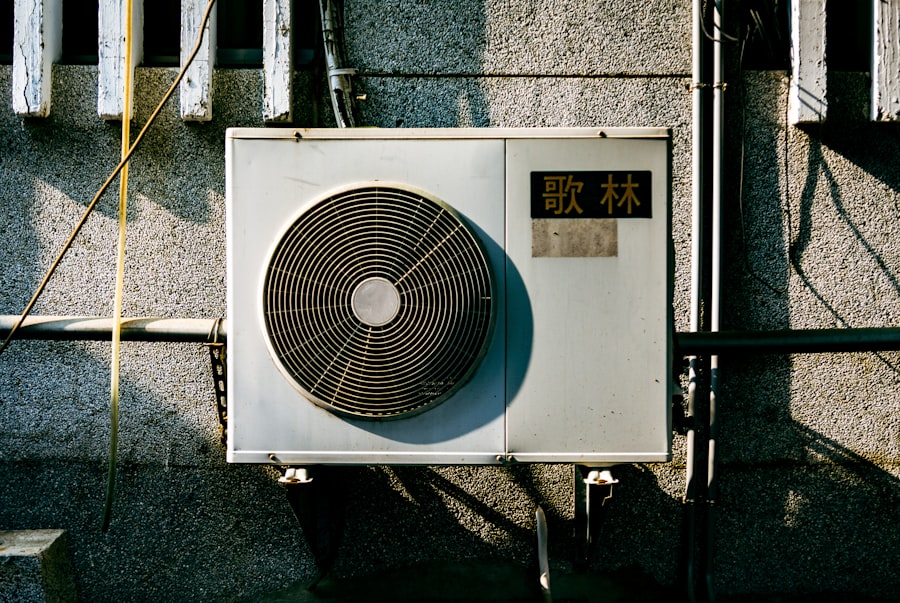
Liquid cooling systems have emerged as a highly effective solution for managing heat in high-density environments like underground data centers.
This method allows for higher thermal conductivity and can significantly reduce the risk of overheating in densely packed server racks.
The implementation of liquid cooling systems also offers flexibility in design and layout within underground facilities. These systems can be integrated directly into server racks or deployed as separate cooling units, allowing operators to customize their setups based on specific needs and constraints. Additionally, liquid cooling can be combined with other technologies, such as heat exchangers or chillers, to create a comprehensive thermal management strategy that maximizes efficiency while minimizing energy consumption.
The Role of Airflow Management in Underground Data Centers
Effective airflow management is crucial for maintaining optimal temperatures within underground data centers. Given the confined nature of these facilities, ensuring proper air circulation is essential to prevent hot spots and maintain consistent cooling throughout the space. One key strategy involves implementing raised flooring systems that facilitate airflow beneath server racks, allowing cool air to flow directly to equipment while enabling warm air to rise and be expelled from the facility.
Moreover, airflow management requires careful consideration of equipment placement and layout within the data center. By organizing servers in hot aisle/cold aisle configurations, operators can optimize airflow patterns and enhance cooling efficiency. This arrangement allows cool air to be directed toward the front of servers while warm air is expelled from the back, creating a more effective thermal management system.
As organizations continue to prioritize efficiency and performance in their data centers, mastering airflow management will remain a critical focus.
Energy-Efficient Cooling Solutions for Underground Data Centers
Energy efficiency is a top priority for modern data centers, particularly those operating underground where sustainability concerns are paramount. One effective approach involves utilizing variable speed fans and pumps that adjust their output based on real-time cooling demands. By optimizing energy use according to actual needs rather than operating at full capacity at all times, these systems can significantly reduce overall energy consumption.
Additionally, incorporating advanced control systems that leverage machine learning algorithms can further enhance energy efficiency in underground data centers. These systems analyze historical performance data to predict future cooling requirements and adjust operations accordingly. By continuously optimizing cooling strategies based on real-time conditions, organizations can achieve substantial energy savings while maintaining optimal performance levels.
Considerations for Sustainable Cooling in Underground Data Centers
Sustainability considerations are increasingly shaping the design and operation of underground data centers, particularly regarding cooling solutions. Organizations must evaluate their environmental impact and seek ways to minimize resource consumption while maximizing efficiency. One key consideration is the use of renewable energy sources to power cooling systems.
By integrating solar panels or wind turbines into their operations, data center operators can reduce reliance on fossil fuels and lower their carbon footprint. Furthermore, sustainable practices extend beyond energy sources; they also encompass water usage in cooling processes. Implementing closed-loop water systems can minimize water waste while ensuring effective heat dissipation.
Additionally, organizations should explore options for recycling waste heat generated by servers for other applications within their facilities or nearby buildings. By adopting a holistic approach to sustainability in cooling practices, underground data centers can contribute positively to environmental goals while enhancing operational efficiency.
Best Practices for Maintaining Optimal Temperatures in Underground Data Centers
Maintaining optimal temperatures within underground data centers requires a proactive approach that encompasses regular monitoring and maintenance practices. One best practice involves conducting routine inspections of cooling systems to identify potential issues before they escalate into significant problems. Regular maintenance ensures that all components are functioning correctly and efficiently, reducing the risk of unexpected downtime due to overheating.
Another essential practice is implementing comprehensive temperature monitoring throughout the facility using advanced sensor technology. By placing sensors strategically across different zones within the data center, operators can gain real-time insights into temperature variations and make informed decisions about necessary adjustments. This level of vigilance not only helps maintain optimal conditions but also fosters a culture of accountability among staff responsible for managing thermal environments.
Future Trends in Cooling Solutions for Underground Data Centers
As technology continues to evolve, so too do the trends shaping cooling solutions for underground data centers. One emerging trend is the increasing adoption of artificial intelligence (AI) and machine learning technologies to optimize cooling operations further. These advanced algorithms can analyze vast amounts of data from various sources—such as temperature sensors and equipment performance metrics—to identify patterns and predict future needs accurately.
Additionally, there is a growing interest in hybrid cooling solutions that combine multiple methods—such as liquid cooling with natural ventilation—to create more resilient and adaptable systems capable of meeting diverse operational demands. As organizations strive for greater efficiency and sustainability in their data management practices, these innovative approaches will likely play a pivotal role in shaping the future landscape of underground data center cooling solutions. In conclusion, efficient cooling remains a cornerstone of successful underground data center operations.
By embracing innovative technologies and sustainable practices while addressing inherent challenges, organizations can create resilient infrastructures capable of meeting today’s demands while preparing for future growth.
Underground data center cooling is an innovative approach that leverages the natural thermal properties of the earth to maintain optimal temperatures for servers. This method not only enhances energy efficiency but also reduces operational costs. For more insights on this topic, you can read a related article on geothermal solutions for data centers at MyGeoQuest.
WATCH THIS! The Map You Can’t See: America’s $50 Billion Secret Underground City
FAQs
What is an underground data center?
An underground data center is a facility located below the earth’s surface designed to house computer systems and associated components such as telecommunications and storage systems. These centers leverage the natural insulation and stable temperatures of underground environments to improve energy efficiency.
Why are underground data centers used for cooling?
Underground data centers utilize the earth’s naturally cooler temperatures to help regulate the internal environment. This reduces the need for traditional air conditioning systems, leading to lower energy consumption and operational costs.
How does cooling work in an underground data center?
Cooling in underground data centers often relies on the stable, cool ambient temperatures found below ground. Systems may use natural ventilation, geothermal cooling, or chilled water loops that take advantage of the earth’s thermal properties to dissipate heat generated by servers.
What are the benefits of underground data center cooling?
Benefits include improved energy efficiency, reduced cooling costs, enhanced environmental sustainability, and increased reliability due to the stable temperature and protection from external weather conditions.
Are there any challenges associated with underground data center cooling?
Challenges can include higher initial construction costs, potential moisture and humidity control issues, and the need for specialized infrastructure to manage airflow and heat dissipation effectively.
Is underground data center cooling environmentally friendly?
Yes, it is generally considered environmentally friendly because it reduces reliance on energy-intensive mechanical cooling systems, lowers carbon emissions, and utilizes renewable geothermal energy sources when applicable.
Can underground data centers be located anywhere?
Not necessarily. The feasibility depends on geological conditions, groundwater levels, and local regulations. Suitable sites must have stable ground and minimal risk of flooding or seismic activity.
How does underground cooling compare to traditional above-ground cooling?
Underground cooling typically offers more consistent temperatures and can be more energy-efficient due to natural insulation. However, it may require more complex design and construction compared to conventional above-ground cooling systems.
What types of cooling technologies are used in underground data centers?
Common technologies include geothermal heat exchange, free cooling using underground air, liquid cooling systems, and hybrid approaches combining mechanical and natural cooling methods.
Is maintenance different for underground data center cooling systems?
Maintenance can be more complex due to limited access and the need to monitor underground environmental conditions such as humidity and air quality. However, the reduced mechanical load often results in fewer cooling system failures.