
Aging infrastructure poses a significant challenge to modern societies, affecting everything from transportation systems to water supply networks. As structures and systems age, they become less efficient and more prone to failure, leading to disruptions that can have far-reaching consequences. The impact of this deterioration is not merely a matter of inconvenience; it can hinder economic growth, reduce public safety, and diminish the quality of life for residents.
Communities that rely on outdated infrastructure often find themselves grappling with increased maintenance costs and the need for urgent repairs, which can strain local budgets and resources. Moreover, the implications of aging infrastructure extend beyond immediate functionality. It can also affect social equity, as marginalized communities often bear the brunt of inadequate services.
For instance, neighborhoods with aging roads may experience higher rates of accidents, while those with outdated public transport systems may find it difficult to access employment opportunities. Thus, understanding the multifaceted impact of aging infrastructure is crucial for policymakers and stakeholders who aim to create sustainable and equitable solutions for revitalization.
Key Takeaways
- Aging infrastructure poses significant challenges that require comprehensive understanding and strategic action.
- Sustainable solutions and innovative technologies are essential for effective infrastructure improvement.
- Collaboration between public and private sectors enhances the success of revitalization projects.
- Prioritizing maintenance, safety, and resilience ensures long-term infrastructure reliability.
- Community engagement and proper funding mechanisms are critical for impactful infrastructure upgrades.
Identifying Key Challenges in Revitalizing Aging Infrastructure
Revitalizing aging infrastructure is fraught with challenges that require careful consideration and strategic planning. One of the primary obstacles is funding; many municipalities struggle to allocate sufficient resources for large-scale infrastructure projects. Budget constraints often lead to prioritization of immediate needs over long-term investments, resulting in a cycle of neglect that exacerbates existing problems.
Additionally, the complexity of coordinating multiple stakeholders—ranging from government agencies to private contractors—can complicate project execution and lead to delays. Another significant challenge lies in the integration of new technologies with existing systems. As infrastructure ages, it may not be compatible with modern innovations, making upgrades more complicated and costly.
For instance, retrofitting old water pipes with smart technology requires not only financial investment but also a deep understanding of the existing infrastructure’s limitations. This complexity can deter investment and slow down the revitalization process, highlighting the need for comprehensive planning and innovative approaches to overcome these hurdles.
Implementing Sustainable Solutions for Infrastructure Improvement
Sustainability has emerged as a guiding principle in the revitalization of aging infrastructure. Implementing sustainable solutions not only addresses immediate concerns but also ensures that infrastructure can withstand future challenges. For example, using recycled materials in construction projects can reduce waste and lower costs while promoting environmental stewardship.
Additionally, incorporating green spaces into urban planning can enhance community well-being and improve air quality, creating a more livable environment for residents. Moreover, sustainable infrastructure solutions often involve energy efficiency measures that can lead to long-term cost savings. Upgrading lighting systems to LED technology or improving insulation in public buildings can significantly reduce energy consumption and operational costs.
By prioritizing sustainability in infrastructure projects, communities can create systems that are not only functional but also environmentally responsible, paving the way for a healthier planet and a more resilient society.
Investing in Technology and Innovation for Infrastructure Upgrades
| Metric | Description | Value | Unit | Year |
|---|---|---|---|---|
| Annual Investment in Technology | Amount allocated for technology upgrades in infrastructure | 120 | Billion | 2023 |
| Innovation Adoption Rate | Percentage of infrastructure projects incorporating new technologies | 45 | Percent | 2023 |
| Infrastructure Downtime Reduction | Decrease in downtime due to technology upgrades | 30 | Percent | 2023 |
| Energy Efficiency Improvement | Increase in energy efficiency from technology investments | 25 | Percent | 2023 |
| Return on Investment (ROI) | Financial return from technology and innovation investments | 15 | Percent | 2023 |
| Number of Smart Infrastructure Projects | Count of projects using IoT, AI, and other smart technologies | 350 | Projects | 2023 |
| Average Project Completion Time | Time taken to complete infrastructure projects post-innovation | 18 | Months | 2023 |
The role of technology and innovation in upgrading aging infrastructure cannot be overstated. Advanced technologies such as artificial intelligence, big data analytics, and the Internet of Things (IoT) offer unprecedented opportunities for enhancing infrastructure efficiency and reliability. For instance, smart sensors can monitor structural integrity in real-time, allowing for proactive maintenance before issues escalate into costly repairs or safety hazards.
This shift from reactive to proactive management represents a significant advancement in how communities approach infrastructure maintenance. Furthermore, investing in innovative construction techniques can streamline project timelines and reduce costs. Modular construction methods, which involve prefabricating components off-site before assembly on location, can expedite the building process while maintaining high-quality standards.
By embracing these technological advancements, communities can not only revitalize their aging infrastructure but also position themselves as leaders in modern urban development.
Prioritizing Maintenance and Repairs of Aging Infrastructure
A critical aspect of addressing aging infrastructure is prioritizing maintenance and repairs over new construction. Often, communities focus on building new facilities or expanding existing ones without adequately addressing the needs of their current systems. This oversight can lead to catastrophic failures that could have been prevented with regular maintenance.
Establishing a robust maintenance schedule is essential for prolonging the lifespan of existing infrastructure and ensuring its reliability. Moreover, prioritizing maintenance requires a shift in mindset among policymakers and stakeholders. It necessitates recognizing that investing in upkeep is just as important as funding new projects.
By allocating resources toward regular inspections, repairs, and upgrades, communities can create a more resilient infrastructure network that meets the needs of their residents while minimizing disruptions.
Collaborating with Public and Private Sectors for Infrastructure Revitalization
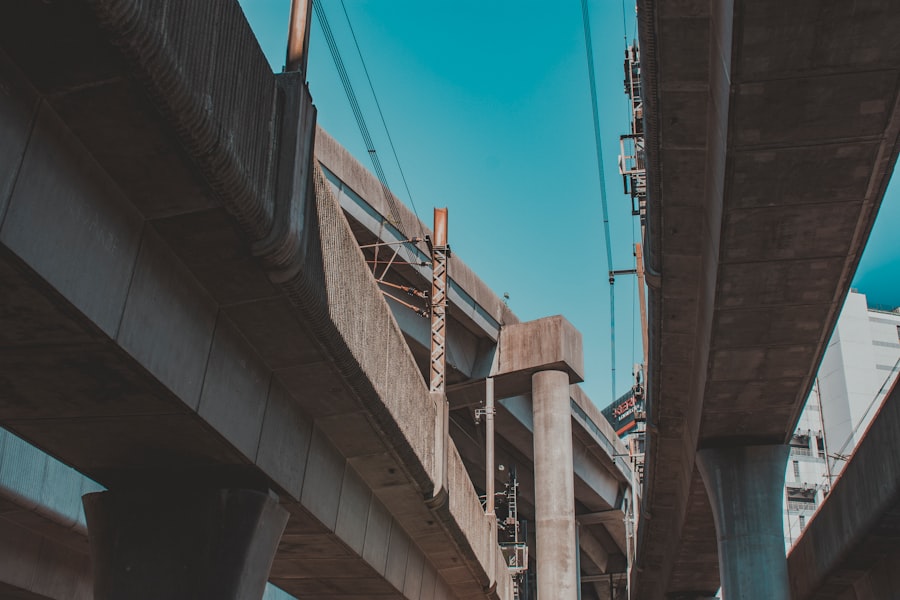
Collaboration between public and private sectors is vital for successful infrastructure revitalization efforts. Public agencies often lack the necessary funding or expertise to undertake large-scale projects independently, while private companies bring innovation and efficiency to the table. By forming partnerships, both sectors can leverage their strengths to achieve common goals.
For instance, public-private partnerships (PPPs) can facilitate investment in infrastructure projects that might otherwise be financially unfeasible. These collaborations can also foster knowledge sharing and best practices among stakeholders. When public agencies work alongside private firms, they gain access to cutting-edge technologies and methodologies that can enhance project outcomes.
Additionally, engaging private sector expertise can lead to more efficient project delivery and improved service quality for residents.
Addressing Environmental and Climate Change Considerations in Infrastructure Improvement
As climate change continues to pose significant threats to communities worldwide, addressing environmental considerations in infrastructure improvement has become increasingly important. Aging infrastructure is often ill-equipped to handle extreme weather events such as floods or heatwaves, leading to costly damages and disruptions. Therefore, integrating climate resilience into infrastructure planning is essential for safeguarding communities against future risks.
Incorporating green design principles into infrastructure projects can mitigate environmental impacts while enhancing resilience. For example, implementing permeable pavement in urban areas can reduce stormwater runoff and decrease flooding risks. Additionally, retrofitting existing structures to improve energy efficiency not only lowers operational costs but also reduces greenhouse gas emissions.
By prioritizing environmental considerations in infrastructure improvement efforts, communities can create systems that are better equipped to withstand the challenges posed by climate change.
Enhancing Resilience and Safety of Aging Infrastructure
Enhancing the resilience and safety of aging infrastructure is paramount for protecting public health and safety. As systems deteriorate, they become increasingly vulnerable to failures that can have dire consequences for communities. Therefore, investing in upgrades that prioritize safety features is essential for preventing accidents and ensuring reliable service delivery.
One approach to enhancing resilience involves conducting thorough risk assessments to identify vulnerabilities within existing infrastructure systems. By understanding potential failure points, communities can implement targeted upgrades that address specific weaknesses. Additionally, incorporating redundancy into critical systems—such as backup power supplies or alternative transportation routes—can further bolster resilience against unexpected disruptions.
Engaging Communities in Infrastructure Revitalization Efforts
Community engagement plays a crucial role in successful infrastructure revitalization efforts. Residents are often the most affected by aging infrastructure issues, making their input invaluable in shaping solutions that meet their needs. Engaging communities through public forums, surveys, or workshops allows stakeholders to gather feedback and insights that can inform project planning.
Moreover, involving residents in the decision-making process fosters a sense of ownership and accountability within the community. When individuals feel invested in revitalization efforts, they are more likely to support initiatives and advocate for necessary changes. This collaborative approach not only enhances project outcomes but also strengthens community bonds and promotes civic engagement.
Leveraging Funding and Financing Options for Infrastructure Upgrades
Securing adequate funding for infrastructure upgrades remains one of the most significant challenges facing communities today. However, various funding and financing options are available that can help alleviate financial burdens associated with revitalization efforts. Federal grants, state funding programs, and public-private partnerships are just a few avenues that communities can explore to secure necessary resources.
Additionally, innovative financing mechanisms such as social impact bonds or green bonds offer alternative funding sources that align with sustainability goals. These options allow investors to support projects that deliver social or environmental benefits while generating returns on their investments. By leveraging diverse funding sources, communities can create comprehensive financing strategies that facilitate successful infrastructure upgrades.
Monitoring and Evaluating the Impact of Revitalized Infrastructure on Economic Growth and Quality of Life
Finally, monitoring and evaluating the impact of revitalized infrastructure on economic growth and quality of life is essential for understanding the effectiveness of revitalization efforts. Establishing key performance indicators (KPIs) allows stakeholders to assess progress over time and make data-driven decisions regarding future investments. Evaluating outcomes such as increased property values, improved access to services, or enhanced public safety provides valuable insights into the benefits of revitalized infrastructure.
Furthermore, sharing these findings with the community fosters transparency and accountability while reinforcing the importance of continued investment in infrastructure improvements. By systematically monitoring impacts, communities can ensure that revitalization efforts contribute positively to economic growth and enhance residents’ overall quality of life.
Aging infrastructure is a pressing issue that requires immediate attention and innovative solutions. One insightful article that discusses various strategies to address this challenge can be found at this link. It explores the importance of investing in modern technologies and sustainable practices to revitalize our aging systems, ensuring they meet the demands of a growing population while minimizing environmental impact.
WATCH THIS! The Map You Can’t See: America’s $50 Billion Secret Underground City
FAQs
What is aging infrastructure?
Aging infrastructure refers to physical systems and structures such as roads, bridges, water supply, electrical grids, and public buildings that have deteriorated over time due to age, wear, and lack of maintenance.
Why is it important to fix aging infrastructure?
Fixing aging infrastructure is crucial to ensure public safety, improve efficiency, support economic growth, and prevent costly failures or disasters caused by deteriorating systems.
What are common signs of aging infrastructure?
Common signs include cracks in roads and bridges, frequent power outages, water main breaks, outdated technology, and reduced capacity or reliability of public services.
What methods are used to fix aging infrastructure?
Methods include repair and maintenance, rehabilitation, replacement of outdated components, upgrading to modern standards, and implementing new technologies for better monitoring and management.
How is funding typically secured for infrastructure repairs?
Funding can come from government budgets, public-private partnerships, bonds, grants, and sometimes user fees or taxes specifically allocated for infrastructure projects.
What role does technology play in fixing aging infrastructure?
Technology helps by providing advanced materials, real-time monitoring systems, data analytics for predictive maintenance, and more efficient construction techniques.
How long does it take to fix aging infrastructure?
The time varies widely depending on the scope of the project, complexity, funding availability, and regulatory approvals, ranging from months for small repairs to years for large-scale replacements.
Can fixing aging infrastructure prevent future problems?
Yes, proactive maintenance and timely upgrades can extend the lifespan of infrastructure, improve safety, and reduce the likelihood of catastrophic failures.
What challenges are faced when fixing aging infrastructure?
Challenges include high costs, disruption to public services during repairs, regulatory hurdles, coordination among multiple agencies, and the need to balance modernization with preservation.
Are there environmental considerations when repairing infrastructure?
Yes, repairs and upgrades often aim to minimize environmental impact by using sustainable materials, improving energy efficiency, and reducing pollution during construction.