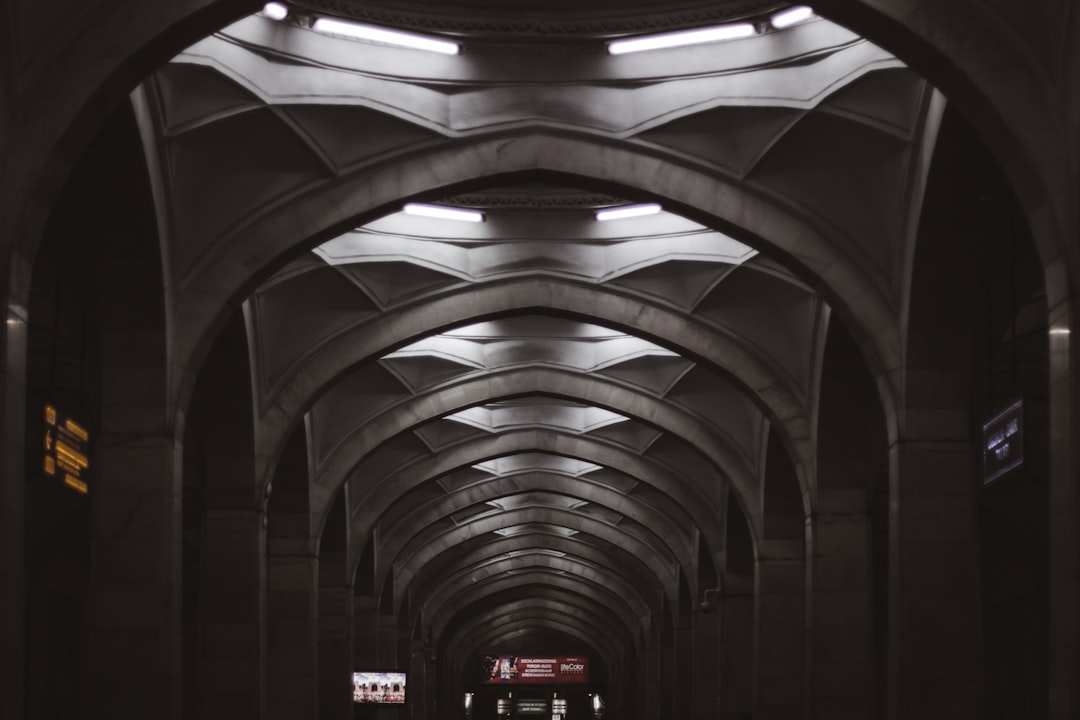
In recent years, the concept of subterranean living has gained traction as urban populations continue to swell and the demand for sustainable housing solutions intensifies. As cities grapple with limited space and escalating real estate prices, architects and urban planners are increasingly looking below ground for innovative living solutions. This shift towards underground habitation is not merely a response to spatial constraints; it also reflects a growing awareness of environmental issues and the need for sustainable development.
The allure of subterranean living lies in its potential to create habitable spaces that minimize the ecological footprint while maximizing the use of available land. Historically, underground living has been associated with ancient civilizations, where people sought refuge from harsh climates or threats from above. Today, however, the motivations have evolved.
Modern subterranean designs are often characterized by advanced engineering techniques and a focus on sustainability. As urban areas become more congested, the idea of creating entire communities beneath the surface is becoming increasingly appealing. This trend is not just about finding space; it is about reimagining how people can live harmoniously with their environment while addressing the pressing challenges of urbanization.
Key Takeaways
- Subterranean living offers sustainable solutions by reducing land use and energy consumption.
- Innovative design and construction techniques are key to creating comfortable underground habitats.
- Urban planning must integrate underground spaces to enhance climate resilience and green infrastructure.
- Underground living can support sustainable energy use and improve environmental impact.
- Social, cultural, and economic factors play crucial roles in the adoption and success of subterranean lifestyles.
The Benefits of Underground Living for Sustainability
Subterranean living offers numerous benefits that align with the principles of sustainability. One of the most significant advantages is the natural insulation provided by earth-covered structures. The ground temperature remains relatively stable throughout the year, which can lead to reduced energy consumption for heating and cooling.
This inherent thermal regulation can significantly lower utility bills and decrease reliance on fossil fuels, making underground homes an attractive option for environmentally conscious individuals. Moreover, underground living can contribute to biodiversity preservation. By building below ground, developers can minimize the disruption of natural habitats and ecosystems that would otherwise be affected by traditional construction methods.
This approach allows for the preservation of green spaces above ground, which can be vital for urban wildlife and plant species. Additionally, subterranean structures can be designed to incorporate green roofs or vertical gardens, further enhancing their ecological benefits while providing residents with access to nature in an urban setting.
Designing and Building Underground Structures
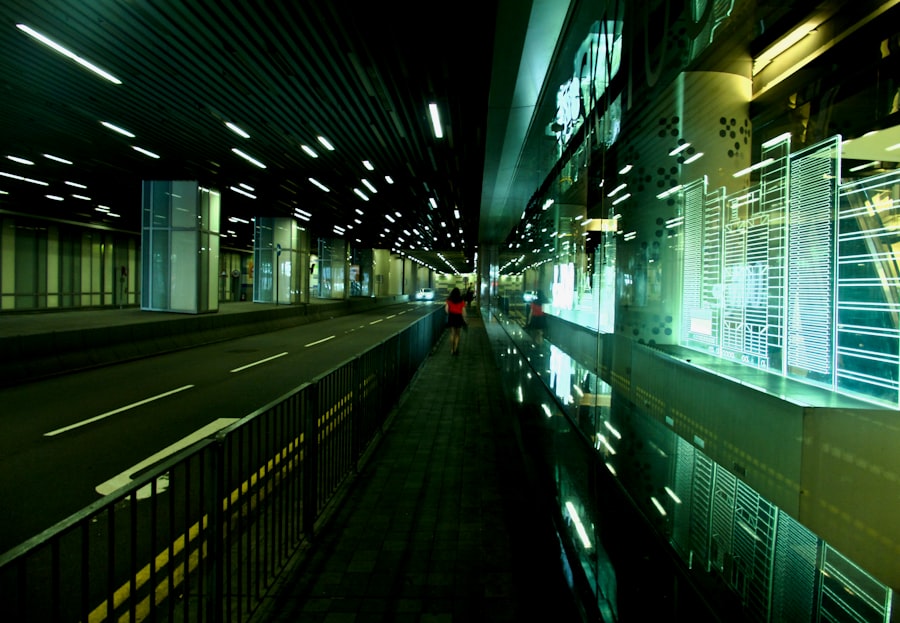
The design and construction of underground structures require a unique set of skills and considerations that differ from traditional building methods. Architects and engineers must account for factors such as soil composition, water drainage, and ventilation to ensure that these spaces are safe and comfortable for inhabitants. Innovative design techniques, such as using natural light tubes or skylights, can help mitigate the darkness often associated with subterranean living, creating bright and inviting environments.
Furthermore, the materials used in constructing underground homes play a crucial role in their sustainability. Many architects are turning to recycled or locally sourced materials to minimize the carbon footprint associated with transportation and manufacturing. The integration of smart technology into these designs can also enhance energy efficiency, allowing residents to monitor and control their energy usage effectively.
As the field of subterranean architecture continues to evolve, it is likely that new materials and technologies will emerge, further improving the viability of underground living.
Overcoming Challenges of Subterranean Living
| Challenge | Metric/Indicator | Typical Values/Examples | Solutions/Strategies |
|---|---|---|---|
| Air Quality | CO2 Concentration (ppm) | 400-1000 ppm (acceptable), >2000 ppm (poor air quality) | Advanced ventilation systems, air purifiers, CO2 scrubbers |
| Lighting | Illuminance (lux) | 300-500 lux (office level), 100-200 lux (residential) | LED lighting, circadian rhythm lighting, daylight simulation |
| Humidity Control | Relative Humidity (%) | 40-60% (optimal comfort and health) | Dehumidifiers, humidifiers, moisture barriers |
| Structural Integrity | Load Bearing Capacity (kPa) | Varies by soil type; typical design >200 kPa | Reinforced concrete, steel supports, geotechnical surveys |
| Psychological Well-being | Stress Levels (Cortisol ng/mL) | Normal: 5-25 ng/mL; Elevated: >25 ng/mL | Natural light simulation, green spaces, social areas |
| Emergency Egress | Evacuation Time (minutes) | Target: <5 minutes for full evacuation | Multiple exits, clear signage, emergency drills |
| Energy Consumption | kWh per square meter per year | Typical subterranean buildings: 100-150 kWh/m²/year | Energy-efficient HVAC, insulation, renewable energy sources |
Despite its many advantages, subterranean living is not without its challenges. One of the primary concerns is water management. Underground structures are susceptible to flooding if not properly designed and constructed.
Effective drainage systems must be implemented to prevent water accumulation and ensure the safety of residents. Additionally, builders must consider potential issues related to soil stability and seismic activity, particularly in areas prone to earthquakes. Another challenge is public perception.
To address these concerns, it is essential for architects and urban planners to prioritize transparency in their designs and engage with communities to educate them about the benefits and safety measures associated with subterranean living. By fostering a greater understanding of these innovative spaces, it may be possible to shift public opinion and encourage acceptance of this alternative lifestyle.
Underground Living and Sustainable Energy
The integration of sustainable energy solutions into underground living is a critical aspect of its appeal. Many subterranean homes can harness geothermal energy, which utilizes the earth’s natural heat for heating and cooling purposes. This renewable energy source not only reduces reliance on fossil fuels but also contributes to lower energy costs for residents.
Additionally, solar panels can be strategically placed on green roofs or above-ground structures to supplement energy needs. Moreover, underground living can facilitate energy-efficient community designs. By clustering homes together in subterranean developments, it becomes easier to implement shared energy systems, such as district heating or cooling networks.
These systems can optimize energy use across multiple residences, further enhancing sustainability efforts within urban environments. As technology continues to advance, it is likely that new methods for harnessing renewable energy will emerge, making subterranean living even more appealing from an energy perspective.
The Role of Urban Planning in Subterranean Shift
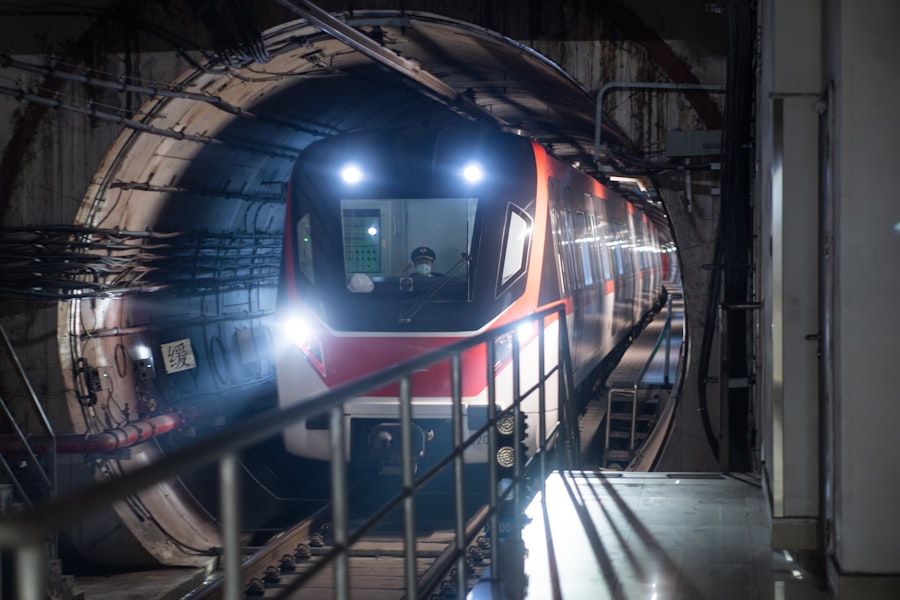
Urban planning plays a pivotal role in facilitating the shift towards subterranean living. City planners must consider how to integrate underground developments into existing urban frameworks while ensuring that they complement above-ground infrastructure. This requires a comprehensive understanding of zoning laws, transportation networks, and community needs.
By creating policies that encourage subterranean construction, cities can promote sustainable growth while addressing housing shortages. Furthermore, effective urban planning can help mitigate potential challenges associated with underground living. For instance, planners can establish guidelines for water management systems and emergency response protocols specific to subterranean environments.
By proactively addressing these issues through thoughtful planning, cities can create a supportive framework that encourages innovation in underground living while ensuring the safety and well-being of residents.
Underground Living and Climate Change Resilience
As climate change continues to pose significant threats to urban areas worldwide, subterranean living presents a unique opportunity for resilience. Underground structures are less vulnerable to extreme weather events such as flooding or hurricanes compared to traditional above-ground homes. Their inherent protection from harsh environmental conditions makes them an attractive option for communities seeking to adapt to a changing climate.
Additionally, subterranean developments can be designed with climate resilience in mind by incorporating features such as rainwater harvesting systems or green infrastructure that helps manage stormwater runoff. These strategies not only enhance the sustainability of underground living but also contribute to broader efforts aimed at mitigating climate change impacts on urban areas. As cities increasingly prioritize resilience in their planning efforts, subterranean living may emerge as a key component of future urban landscapes.
The Future of Subterranean Living in Cities
The future of subterranean living in cities appears promising as more individuals and communities recognize its potential benefits. As urban populations continue to grow, the need for innovative housing solutions will only intensify. Subterranean developments offer a viable alternative that addresses both space constraints and environmental concerns while providing unique living experiences.
Moreover, advancements in technology and construction methods will likely enhance the feasibility of underground living in urban settings. As architects experiment with new designs and materials, it is possible that subterranean homes will become more aesthetically appealing and functional than ever before. With increasing awareness of sustainability issues and climate change resilience, subterranean living may become an integral part of future urban planning initiatives.
Underground Living and Green Spaces
One of the most compelling aspects of subterranean living is its potential to preserve and enhance green spaces within urban environments. By building below ground, developers can free up valuable surface land for parks, gardens, and recreational areas that benefit both residents and local ecosystems. This approach not only promotes biodiversity but also contributes to improved air quality and overall well-being for city dwellers.
Furthermore, integrating green spaces into subterranean developments can create unique opportunities for community engagement and social interaction. Residents can enjoy access to gardens or communal areas that foster connections among neighbors while providing a respite from the hustle and bustle of city life above ground. As cities continue to prioritize green initiatives, the relationship between underground living and green spaces will likely become increasingly important.
Social and Cultural Impacts of Subterranean Living
The rise of subterranean living is poised to have significant social and cultural implications for urban communities. As more people embrace this alternative lifestyle, it may challenge traditional notions of home and community dynamics. Subterranean developments could foster a sense of belonging among residents who share similar values regarding sustainability and environmental stewardship.
Moreover, underground living may encourage new forms of cultural expression as artists and creators explore the unique aesthetics and experiences associated with subterranean spaces. This could lead to vibrant underground communities that celebrate creativity while promoting sustainable practices. As society continues to evolve in response to environmental challenges, the cultural landscape surrounding subterranean living will likely reflect these changes.
The Economics of Underground Living
The economics of underground living present both opportunities and challenges for developers and city planners alike. While initial construction costs may be higher due to specialized engineering requirements, long-term savings on energy bills and maintenance can make subterranean homes financially attractive over time. Additionally, as demand for sustainable housing increases, property values for well-designed underground developments may rise accordingly.
Furthermore, governments may offer incentives or subsidies for sustainable construction practices that could further enhance the economic viability of subterranean living projects. By fostering collaboration between public agencies and private developers, cities can create an environment conducive to innovative housing solutions that benefit both residents and local economies.
In conclusion, subterranean living represents a fascinating intersection between innovation, sustainability, and urban planning in an era marked by rapid change. As cities continue to confront challenges related to population growth and climate change, exploring below-ground options may provide viable solutions that enhance quality of life while preserving precious resources for future generations.
Cities have increasingly turned to underground development as a solution to urban overcrowding and the need for sustainable living spaces. This trend is explored in detail in the article titled “Why Cities Went Underground,” which discusses the various factors driving this movement, including climate change, land scarcity, and the desire for innovative urban design. For more insights, you can read the full article