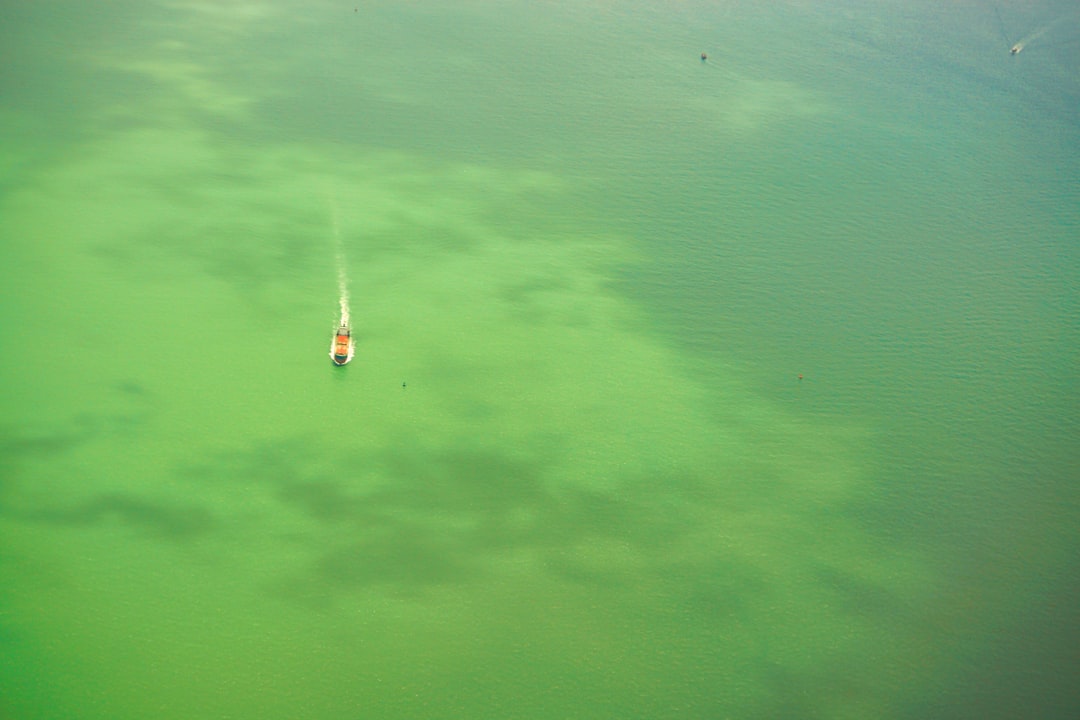
Lake Erie, one of the five Great Lakes of North America, is a vital freshwater resource that plays a significant role in the ecology, economy, and culture of the surrounding regions. Spanning an area of approximately 9,910 square miles, it is the fourth largest of the Great Lakes by surface area and the shallowest, which contributes to its unique environmental characteristics. The lake is bordered by four U.S.
states—Ohio, Pennsylvania, New York—and the Canadian province of Ontario. Its waters are not only a source of drinking water for millions but also support a diverse array of wildlife and recreational activities that are integral to the local economy. The lake’s significance extends beyond its physical dimensions; it serves as a crucial habitat for numerous species of fish and birds, making it an essential component of the Great Lakes ecosystem.
However, Lake Erie has faced numerous environmental challenges over the years, leading to concerns about its health and sustainability. Understanding the historical context and current issues surrounding Lake Erie is essential for appreciating the ongoing efforts to restore and protect this vital resource.
Key Takeaways
- Lake Erie is the fourth largest of the Great Lakes and provides drinking water for millions of people.
- Historical causes of Lake Erie’s environmental degradation include industrial pollution and agricultural runoff.
- Current environmental challenges facing Lake Erie include harmful algal blooms and invasive species.
- Agricultural runoff has a significant impact on Lake Erie’s water quality, contributing to nutrient pollution.
- Industrial pollution has played a role in Lake Erie’s environmental decline, affecting water quality and wildlife.
- Lake Erie’s environmental degradation has consequences for wildlife and ecosystems, including fish kills and habitat destruction.
- Efforts to restore and protect Lake Erie’s water quality include initiatives to reduce nutrient runoff and improve wastewater treatment.
- Public awareness and education are crucial in the greening of Lake Erie, as they can lead to changes in behavior and policy.
- Collaborative efforts between government agencies and environmental organizations are essential for the restoration of Lake Erie.
- A healthier Lake Erie can have a positive economic impact, benefiting industries such as tourism and fishing.
- Future prospects for the greening of Lake Erie depend on continued efforts to address environmental challenges and engage stakeholders.
Historical causes of Lake Erie’s environmental degradation
The environmental degradation of Lake Erie can be traced back to various historical factors that have contributed to its decline. One of the primary culprits has been industrialization, which began in earnest in the late 19th century. As factories and manufacturing plants proliferated along the shores of Lake Erie, they discharged pollutants directly into the water, leading to significant contamination.
Heavy metals, chemicals, and other hazardous substances entered the lake, disrupting its delicate ecological balance and harming aquatic life. In addition to industrial pollution, agricultural practices have also played a significant role in Lake Erie’s environmental challenges. The post-World War II agricultural boom saw an increase in the use of fertilizers and pesticides, which were often washed into the lake during rainstorms.
This runoff not only contributed to nutrient loading but also led to harmful algal blooms that further degraded water quality. The combination of these historical factors has created a legacy of pollution that continues to affect Lake Erie today.
Current environmental challenges facing Lake Erie
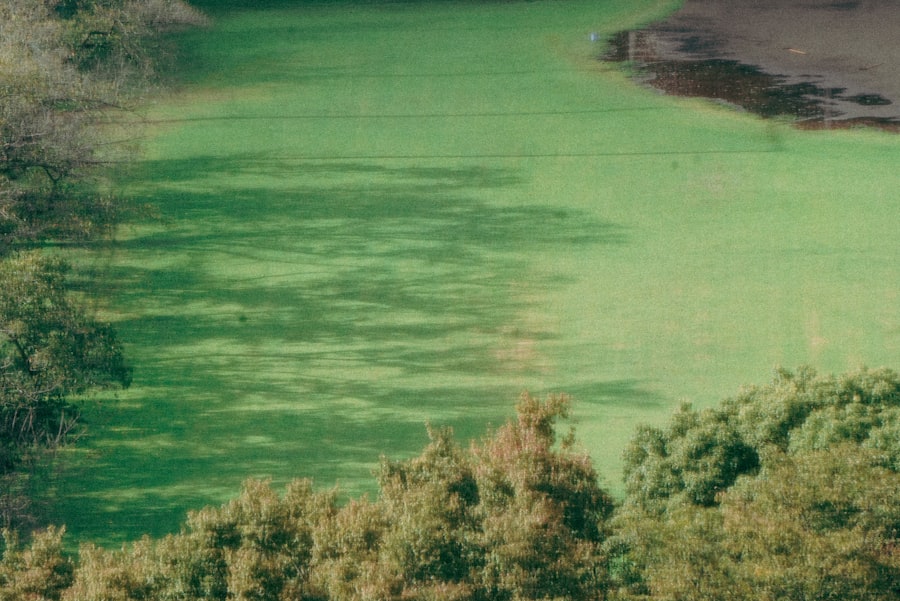
Today, Lake Erie faces a multitude of environmental challenges that threaten its health and sustainability. One of the most pressing issues is the proliferation of harmful algal blooms (HABs), which are fueled by excessive nutrient runoff from agricultural fields and urban areas. These blooms can produce toxins that pose serious health risks to humans and wildlife alike, leading to beach closures and water advisories that disrupt recreational activities and tourism.
Another significant challenge is the presence of invasive species, such as zebra mussels and quagga mussels, which have altered the lake’s ecosystem dynamics. These invasive species compete with native organisms for resources and can lead to declines in fish populations, further impacting the food web. Additionally, climate change poses a growing threat to Lake Erie, as rising temperatures and altered precipitation patterns can exacerbate existing problems like algal blooms and habitat loss.
The convergence of these challenges underscores the urgent need for comprehensive strategies to protect and restore Lake Erie.
Impact of agricultural runoff on Lake Erie’s water quality
| Metrics | Data |
|---|---|
| Phosphorus Levels | Excessive levels of phosphorus from agricultural runoff contribute to algal blooms in Lake Erie. |
| Nitrogen Levels | Nitrogen from fertilizers can also contribute to algal blooms and impact water quality. |
| Sedimentation | Runoff can carry sediment into the lake, leading to decreased water clarity and potential harm to aquatic life. |
| Toxic Chemicals | Runoff may contain pesticides, herbicides, and other chemicals that can harm the lake’s ecosystem. |
Agricultural runoff has emerged as one of the most significant contributors to Lake Erie’s declining water quality. The use of fertilizers in farming practices has increased dramatically over the years, leading to an influx of nutrients—particularly phosphorus—into the lake. When these nutrients enter the water, they stimulate excessive growth of algae, resulting in harmful algal blooms that can deplete oxygen levels and produce toxins harmful to aquatic life and human health.
The consequences of agricultural runoff extend beyond just water quality; they also impact local economies reliant on fishing and tourism. As algal blooms proliferate, they can lead to fish kills and reduced fish populations, affecting both commercial and recreational fishing industries. Furthermore, when beaches are closed due to water quality concerns, tourism suffers as visitors seek cleaner alternatives.
Addressing agricultural runoff through sustainable farming practices and better land management is crucial for improving Lake Erie’s water quality and ensuring its long-term viability.
The role of industrial pollution in Lake Erie’s environmental decline
Industrial pollution has played a pivotal role in Lake Erie’s environmental decline over the decades. Factories located along the lake’s shores have historically discharged a variety of pollutants into its waters, including heavy metals, chemicals, and other hazardous waste products. This pollution not only harms aquatic ecosystems but also poses significant risks to human health for those who rely on the lake for drinking water or recreational activities.
Efforts to regulate industrial discharges have improved over time; however, legacy pollutants still linger in sediments at the bottom of the lake. These contaminants can resurface during disturbances such as storms or dredging activities, reintroducing toxins into the water column. The ongoing challenge is to ensure that industries comply with environmental regulations while also addressing historical pollution through remediation efforts.
A comprehensive approach that includes both prevention and cleanup is essential for reversing the damage caused by industrial pollution in Lake Erie.
Consequences of Lake Erie’s environmental degradation on wildlife and ecosystems
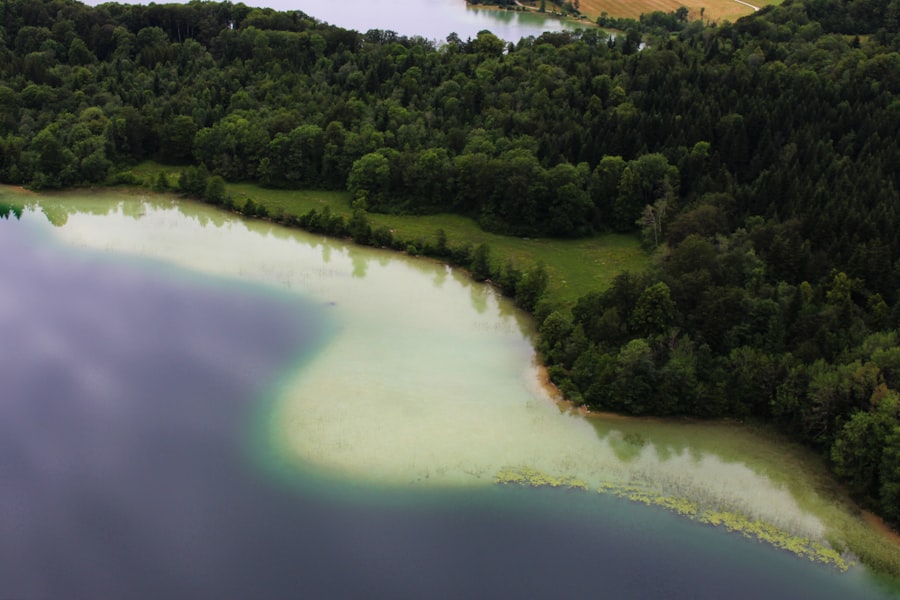
The environmental degradation of Lake Erie has far-reaching consequences for its wildlife and ecosystems. The proliferation of harmful algal blooms not only affects water quality but also disrupts food chains by depleting oxygen levels in the water. Fish species such as walleye and perch are particularly vulnerable to these changes, leading to declines in their populations and affecting both commercial and recreational fishing industries.
Moreover, the introduction of invasive species has further complicated the ecological landscape of Lake Erie. Species like zebra mussels have outcompeted native organisms for resources, leading to shifts in biodiversity that can destabilize entire ecosystems. Birds that rely on fish for food may also suffer as fish populations decline, creating a ripple effect throughout the food web.
The loss of biodiversity not only impacts wildlife but also diminishes the resilience of ecosystems, making them more susceptible to future environmental changes.
Efforts to restore and protect Lake Erie’s water quality
In response to the myriad challenges facing Lake Erie, various efforts have been initiated to restore and protect its water quality. Government agencies at both state and federal levels have implemented regulations aimed at reducing nutrient runoff from agricultural sources. Programs promoting best management practices among farmers have been established to encourage sustainable land use that minimizes environmental impact.
Additionally, community organizations and non-profits have mobilized grassroots efforts to raise awareness about Lake Erie’s plight. Initiatives such as shoreline cleanups, educational programs in schools, and public outreach campaigns aim to engage local residents in conservation efforts. These collaborative approaches are essential for fostering a sense of stewardship among communities surrounding Lake Erie, ensuring that everyone plays a role in protecting this vital resource.
The importance of public awareness and education in the greening of Lake Erie
Public awareness and education are critical components in the effort to restore Lake Erie’s health. Many individuals may not fully understand the complexities surrounding water quality issues or how their daily actions can impact the lake’s ecosystem. Educational programs aimed at schools, community groups, and local organizations can help bridge this knowledge gap by providing information on sustainable practices and encouraging responsible behavior.
Moreover, fostering a sense of connection between residents and their natural environment can inspire action toward conservation efforts. Engaging local communities through volunteer opportunities—such as tree planting or habitat restoration—can create a sense of ownership over Lake Erie’s health. When individuals recognize their role in protecting this precious resource, they are more likely to advocate for policies that prioritize environmental sustainability.
Collaborative efforts between government agencies and environmental organizations
Collaboration between government agencies and environmental organizations has proven essential in addressing the challenges facing Lake Erie. By pooling resources and expertise, these entities can develop comprehensive strategies that tackle pollution from multiple angles. For instance, partnerships between state agencies and non-profits have led to successful initiatives aimed at reducing agricultural runoff through targeted funding for farmers who adopt sustainable practices.
This information is crucial for informing policy decisions and guiding restoration projects effectively. By working together, government agencies and environmental organizations can create a unified front against pollution while fostering community engagement in conservation efforts.
The economic impact of a healthier Lake Erie
A healthier Lake Erie would yield significant economic benefits for surrounding communities. The lake supports various industries—including fishing, tourism, and recreation—that rely on clean water and vibrant ecosystems. Improved water quality would enhance fishing opportunities by supporting robust fish populations, thereby benefiting both commercial fisheries and recreational anglers.
Moreover, a cleaner lake would attract more tourists seeking outdoor activities such as boating, swimming, and birdwatching. This influx of visitors would stimulate local economies through increased spending at hotels, restaurants, and shops.
Future prospects for the greening of Lake Erie
The future prospects for greening Lake Erie hinge on continued commitment from all stakeholders involved—government agencies, environmental organizations, local communities, and individuals alike. While significant challenges remain, there is hope as awareness grows regarding the importance of protecting this vital resource. Ongoing research into innovative solutions for reducing nutrient runoff and addressing pollution will be crucial in shaping effective strategies moving forward.
Furthermore, fostering a culture of stewardship among residents will be essential for sustaining long-term efforts toward restoration. As communities become more engaged in conservation initiatives, they will be better equipped to advocate for policies that prioritize environmental health. With concerted efforts from all sectors working together toward a common goal, there is potential for Lake Erie to recover from its historical degradation and thrive once again as a vital freshwater resource for generations to come.
Lake Erie has been experiencing alarming changes in its water quality, with reports indicating that it is turning green due to harmful algal blooms. These blooms are primarily caused by nutrient runoff from agricultural practices, urban development, and climate change. For a deeper understanding of the factors contributing to this phenomenon, you can read more in this related article: Why is Lake Erie Turning Green?. This article delves into the science behind algal blooms and their impact on the ecosystem and local communities.
WATCH THIS! The Great Lakes Are Dying: The $6 Trillion Lie That’s Killing America’s Water
FAQs
What is causing Lake Erie to turn green?
The main cause of Lake Erie turning green is the excessive growth of algae, particularly blue-green algae, due to high levels of nutrients such as phosphorus and nitrogen in the water. This process is known as eutrophication.
Why are there high levels of nutrients in Lake Erie?
The high levels of nutrients in Lake Erie are primarily due to agricultural runoff, urban stormwater, and sewage discharges. These sources introduce phosphorus and nitrogen into the water, which fuel the growth of algae.
What are the environmental impacts of Lake Erie turning green?
The excessive growth of algae in Lake Erie can lead to harmful algal blooms (HABs), which can produce toxins harmful to aquatic life and humans. HABs can also deplete oxygen in the water, leading to dead zones where fish and other organisms cannot survive.
How is Lake Erie’s green water affecting the local economy?
The presence of harmful algal blooms in Lake Erie can have significant economic impacts on industries such as tourism, fishing, and recreation. HABs can deter tourists, harm fish populations, and disrupt recreational activities, leading to financial losses for local businesses.
What measures are being taken to address the issue of Lake Erie turning green?
Efforts to reduce nutrient pollution in Lake Erie include implementing agricultural best management practices, upgrading wastewater treatment plants, and implementing regulations to limit nutrient runoff. Additionally, research and monitoring programs are ongoing to better understand and address the causes of algal blooms.