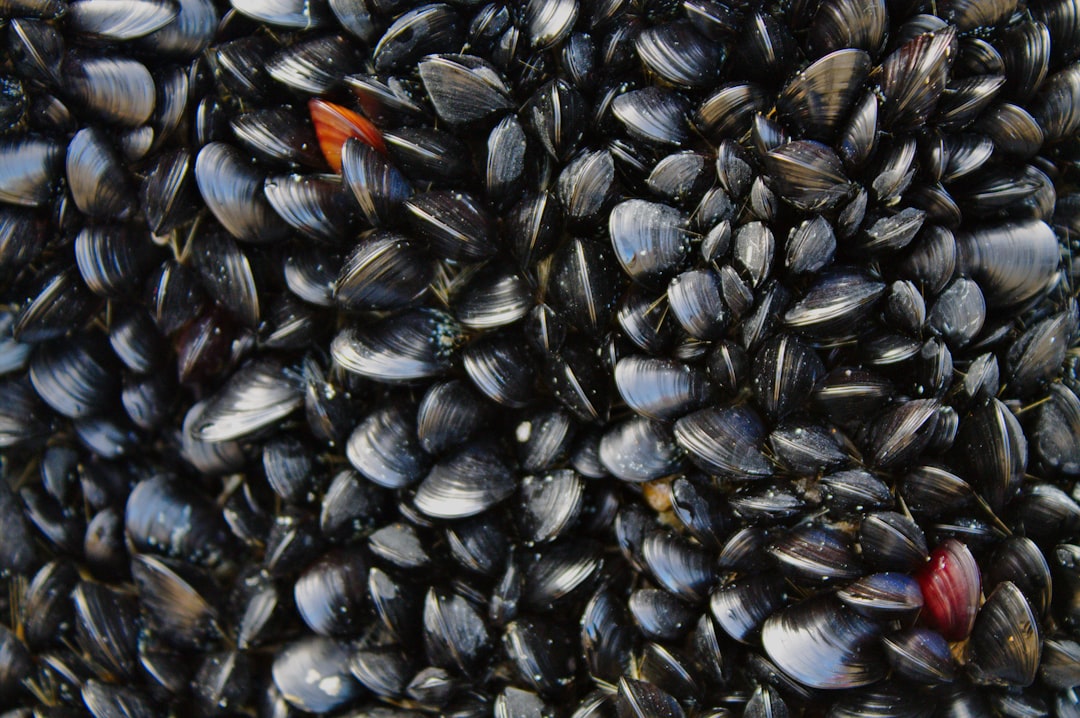
The Quagga mussel, a small freshwater bivalve mollusk, has emerged as a significant ecological and economic threat in North America, particularly within the Great Lakes region. Originally hailing from the Dnieper River basin in Ukraine, this invasive species was first identified in the Great Lakes in the late 1980s. Its rapid proliferation has raised alarms among environmentalists, policymakers, and local communities alike.
The Quagga mussel’s ability to reproduce quickly and adapt to various aquatic environments has allowed it to outcompete native species and disrupt established ecosystems. As the invasion continues to unfold, understanding the implications of this species on both the environment and economy becomes increasingly critical. The introduction of the Quagga mussel into the Great Lakes serves as a cautionary tale about the unintended consequences of human activity on natural ecosystems.
The mussels were likely transported to North America via ballast water from ships, a common practice that has facilitated the spread of numerous invasive species across the globe. Once established, Quagga mussels have demonstrated an alarming capacity for colonization, leading to significant changes in the ecological balance of their new habitats. This article will explore the history of the Quagga mussel, its impact on the Great Lakes ecosystem, economic ramifications, control efforts, and future outlooks for this invasive species.
Key Takeaways
- The Quagga mussel invasion in the Great Lakes has had a significant impact on the ecosystem and economy.
- Quagga mussels were first discovered in the Great Lakes in the late 1980s and have since spread rapidly.
- The invasion of Quagga mussels has led to changes in the food web, water quality, and infrastructure in the Great Lakes.
- The economic consequences of the Quagga invasion include damage to water intake structures, increased maintenance costs, and impacts on commercial and recreational fisheries.
- Efforts to control the Quagga population include the use of chemical treatments, physical barriers, and biological controls.
History of the Quagga Mussel
The Quagga mussel (Dreissena rostriformis bugensis) was first documented in its native range in Eastern Europe, where it thrived in freshwater environments. Its introduction to North America is believed to have occurred in the late 1980s when it was inadvertently brought over in the ballast water of ships. The first confirmed sighting in the Great Lakes was in Lake Erie in 1989, marking the beginning of a significant ecological shift.
Within a few years, Quagga mussels spread rapidly throughout the Great Lakes, establishing populations in Lakes Michigan, Huron, and Ontario. The rapid expansion of the Quagga mussel population can be attributed to its remarkable reproductive capabilities. A single female can produce up to one million eggs per year, leading to exponential growth under favorable conditions.
The Quagga mussel’s ability to thrive in various water conditions has allowed it to colonize not only the Great Lakes but also other freshwater systems across North America.
Impact on the Great Lakes Ecosystem
The introduction of Quagga mussels has had profound effects on the Great Lakes ecosystem. One of the most significant impacts is their role as filter feeders. By consuming large quantities of phytoplankton and other microscopic organisms, Quagga mussels have altered the food web dynamics within these waters.
While this filtering can lead to clearer water, it also reduces the availability of food for native species that rely on these organisms for sustenance. Moreover, the decline in phytoplankton populations has cascading effects throughout the ecosystem. As primary producers diminish, so too do the populations of fish and other aquatic organisms that depend on them.
The Quagga mussel’s presence has led to shifts in species composition and abundance, favoring certain fish species while disadvantaging others. This disruption poses a threat not only to biodiversity but also to the overall health of the aquatic ecosystem.
Economic Consequences of the Quagga Invasion
| Metrics | Data |
|---|---|
| Cost of control measures | 10 million |
| Loss of water infrastructure | 500 million gallons per year |
| Impact on tourism | 20% decrease in visitors |
| Loss of biodiversity | Displacement of native species |
The economic ramifications of the Quagga mussel invasion are substantial and multifaceted. One of the most immediate impacts has been on industries reliant on freshwater resources, such as fishing and tourism. The decline in native fish populations due to altered food webs has affected commercial fishing operations, leading to reduced catches and economic losses for local fishermen.
Additionally, recreational fishing has suffered as anglers find fewer opportunities to catch native species. Beyond direct impacts on fisheries, Quagga mussels have also caused significant damage to infrastructure. Their propensity for clogging water intake pipes and other machinery has led to increased maintenance costs for power plants, water treatment facilities, and industrial operations.
The financial burden associated with managing these invasive mussels can be staggering, with estimates suggesting that millions of dollars are spent annually on control measures and repairs.
Efforts to Control the Quagga Population
In response to the Quagga mussel invasion, various control measures have been implemented across the Great Lakes region. These efforts aim to mitigate the ecological and economic impacts of this invasive species while preventing further spread into other water bodies. One common approach involves monitoring and managing ballast water discharge from ships, as this is a primary vector for introducing invasive species.
Additionally, researchers and environmental agencies have explored chemical treatments and biological control methods to reduce Quagga populations. However, these approaches come with their own set of challenges and potential environmental risks. The complexity of aquatic ecosystems means that any intervention must be carefully considered to avoid unintended consequences on native species and habitats.
Environmental Concerns
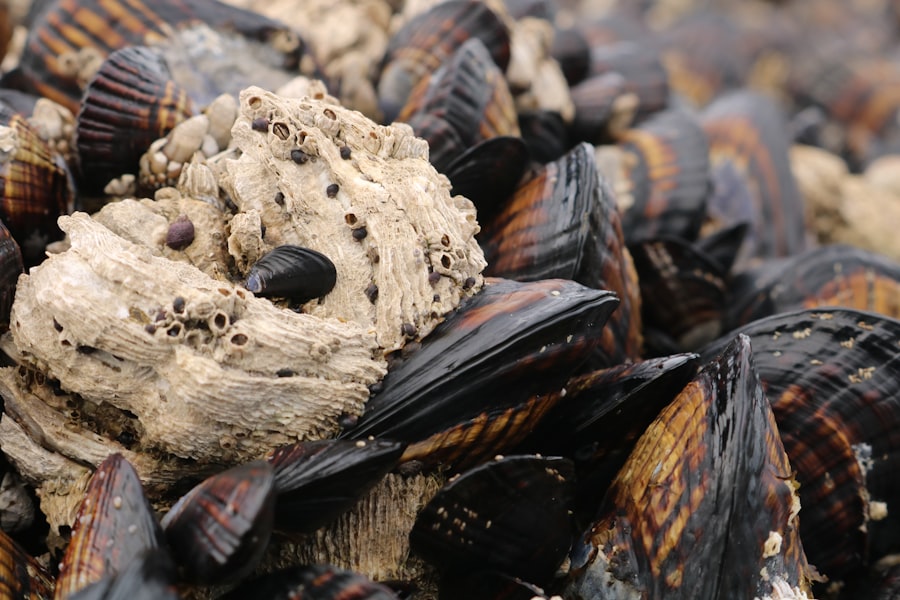
The environmental concerns surrounding the Quagga mussel invasion extend beyond immediate ecological impacts. The alteration of nutrient cycling within the Great Lakes ecosystem raises questions about long-term sustainability and resilience. As Quagga mussels filter out phytoplankton, they can lead to nutrient imbalances that affect not only aquatic life but also water quality for human consumption.
Furthermore, the presence of Quagga mussels can exacerbate existing environmental issues such as harmful algal blooms. With fewer natural grazers to keep phytoplankton populations in check, conditions become ripe for algal overgrowth, which can produce toxins harmful to both aquatic life and human health. This interconnectedness highlights the need for comprehensive management strategies that address not only invasive species but also broader environmental challenges facing freshwater ecosystems.
Effects on Native Species
The invasion of Quagga mussels has had detrimental effects on native species within the Great Lakes ecosystem. As they outcompete native mussels for food and habitat, many indigenous bivalve populations have experienced significant declines. This loss of biodiversity is concerning not only for ecological balance but also for cultural and economic reasons tied to traditional fishing practices.
Fish species that rely on specific food sources or habitats are particularly vulnerable to changes brought about by Quagga mussels.
The cascading effects on predator-prey relationships can lead to further declines in fish populations, ultimately impacting recreational fishing opportunities and local economies dependent on these resources.
Spread of Quagga Mussels to Other Water Bodies
The spread of Quagga mussels beyond the Great Lakes poses a significant threat to other freshwater ecosystems across North America. Their ability to attach themselves to boats, trailers, and other equipment makes them highly mobile and capable of colonizing new environments rapidly. As recreational boating and fishing activities increase, so does the risk of inadvertently transporting these invasive mussels to previously unaffected water bodies.
Efforts to prevent further spread have included public awareness campaigns aimed at educating boaters about proper cleaning techniques before moving between water bodies. However, despite these initiatives, instances of Quagga mussel infestations have been reported in various lakes and rivers across the United States. The potential for widespread ecological disruption underscores the urgency of addressing this issue at both local and national levels.
Research and Monitoring of Quagga Populations
Ongoing research and monitoring efforts are crucial for understanding and managing Quagga mussel populations effectively. Scientists are studying their reproductive biology, feeding habits, and ecological interactions to develop targeted management strategies. By gaining insights into their life cycle and environmental preferences, researchers hope to identify potential vulnerabilities that could be exploited for control measures.
Monitoring programs are also essential for tracking population dynamics and assessing the effectiveness of management interventions. Regular surveys help determine changes in distribution patterns and abundance over time, providing valuable data for decision-makers tasked with addressing this invasive species challenge. Collaborative efforts among researchers, government agencies, and local communities are vital for fostering a comprehensive understanding of Quagga mussel impacts.
Public Awareness and Education
Public awareness and education play a pivotal role in combating the spread of Quagga mussels and mitigating their impacts on ecosystems and economies. Engaging local communities through outreach programs can foster a sense of responsibility among boaters and recreational users regarding their role in preventing further invasions. Educational campaigns often emphasize simple yet effective practices such as cleaning boats before launching them into new waters.
Moreover, involving stakeholders such as fishermen, conservation organizations, and local governments can enhance collective efforts toward managing invasive species. By promoting awareness about the ecological consequences of Quagga mussels and encouraging responsible behavior among water users, communities can work together to protect their natural resources from further degradation.
Future Outlook for the Great Lakes Ecosystem
The future outlook for the Great Lakes ecosystem in light of the Quagga mussel invasion remains uncertain. While efforts are underway to manage their populations and mitigate impacts, challenges persist due to their resilience and adaptability. The long-term consequences of their presence will likely continue to unfold over time as ecosystems respond to ongoing changes.
Ultimately, addressing the challenges posed by Quagga mussels requires a multifaceted approach that combines research, monitoring, public engagement, and policy development. By fostering collaboration among scientists, policymakers, and local communities, there is hope for developing effective strategies that safeguard both biodiversity and economic interests within this vital freshwater resource system. As awareness grows about invasive species’ impacts on ecosystems worldwide, lessons learned from managing Quagga mussels may inform broader conservation efforts aimed at preserving global biodiversity for future generations.
The introduction of quagga mussels into the Great Lakes has had profound ecological and economic impacts, altering the region’s biodiversity and water quality. For a deeper understanding of these changes and their implications, you can read more in this related article on MyGeoQuest: How Quagga Mussels Changed the Great Lakes. This article provides insights into the invasive species’ effects on native aquatic life and the ongoing efforts to manage their population.
WATCH THIS! The Great Lakes Are Dying: The $6 Trillion Lie That’s Killing America’s Water
FAQs
What are quagga mussels?
Quagga mussels are small, freshwater mussels that are native to the Dnieper River drainage of Ukraine. They are similar in appearance to zebra mussels, with a D-shaped shell and dark and light bands.
How did quagga mussels change the Great Lakes?
Quagga mussels have had a significant impact on the Great Lakes ecosystem since their introduction in the late 1980s. They have outcompeted native species for food and habitat, leading to declines in native mussel populations. They have also caused changes in the food web and water quality, and have clogged water intake pipes and infrastructure.
How did quagga mussels arrive in the Great Lakes?
It is believed that quagga mussels were introduced to the Great Lakes through ballast water from ships traveling from the Black Sea region. Once introduced, they quickly spread throughout the Great Lakes and connected waterways.
What are the environmental impacts of quagga mussels in the Great Lakes?
The environmental impacts of quagga mussels in the Great Lakes include changes in the food web, declines in native mussel populations, clogging of water intake pipes and infrastructure, and alterations in water quality and clarity. These impacts have had far-reaching effects on the ecosystem and human activities in the region.
What efforts are being made to control quagga mussels in the Great Lakes?
Efforts to control quagga mussels in the Great Lakes include the use of physical barriers, chemical treatments, and biological controls. Additionally, education and outreach programs aim to prevent the spread of quagga mussels to other water bodies. However, controlling their spread and mitigating their impacts remains a significant challenge.