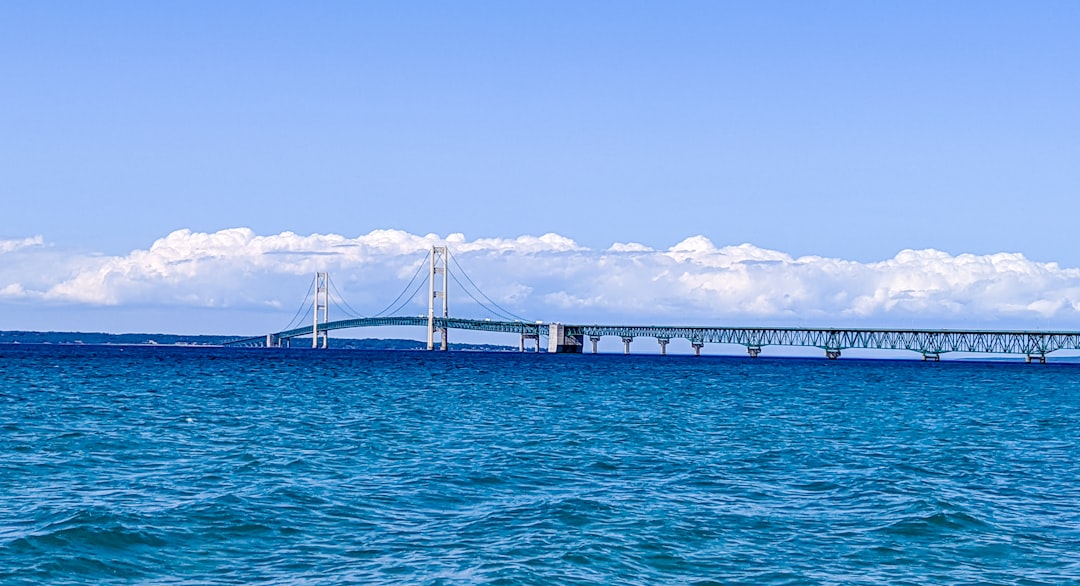
The Great Lakes, a magnificent collection of five interconnected freshwater lakes—Superior, Michigan, Huron, Erie, and Ontario—form the largest group of freshwater lakes in the world by total area. Spanning the border between the United States and Canada, these lakes cover approximately 94,250 square miles and hold about 20% of the world’s surface freshwater supply. The Great Lakes are not only a vital resource for drinking water but also serve as a crucial habitat for diverse wildlife and a hub for economic activities.
Their vast waters support fishing, shipping, and tourism, making them an essential part of the cultural and economic fabric of the surrounding regions. The significance of the Great Lakes extends beyond their sheer size and volume. They have shaped the history and development of North America, serving as a critical transportation route for goods and people since the early days of European settlement.
The lakes are also steeped in cultural heritage, with numerous Indigenous communities having lived in harmony with these waters for thousands of years.
Key Takeaways
- The Great Lakes are a group of five interconnected freshwater lakes located in North America, containing 21% of the world’s surface freshwater.
- Pollution and contamination in the Great Lakes have led to water quality issues, impacting both human health and the environment.
- Invasive species, such as the zebra mussel and sea lamprey, have disrupted the natural balance of the Great Lakes ecosystem.
- Climate change is causing fluctuations in water levels, increased storm intensity, and changes in temperature, impacting the Great Lakes region.
- Industrial and agricultural runoff contribute to nutrient pollution, harmful algal blooms, and the degradation of water quality in the Great Lakes.
Pollution and Contamination
Pollution remains one of the most pressing challenges facing the Great Lakes today. Industrial discharges, agricultural runoff, and urban waste have all contributed to the degradation of water quality in these vital bodies of water. Toxic substances such as heavy metals, pesticides, and polychlorinated biphenyls (PCBs) have been detected in alarming concentrations, posing significant risks to both human health and aquatic life.
The presence of these contaminants not only affects the ecosystem but also raises concerns about the safety of drinking water for millions of residents who rely on the lakes. Efforts to combat pollution have been ongoing for decades, yet challenges persist. The legacy of past industrial practices continues to haunt the region, with many areas designated as “Areas of Concern” due to their high levels of contamination.
Restoration initiatives have been launched to clean up these sites, but progress can be slow and costly. Moreover, emerging pollutants such as microplastics and pharmaceuticals present new challenges that require innovative solutions and collaborative efforts among governments, organizations, and communities.
Invasive Species
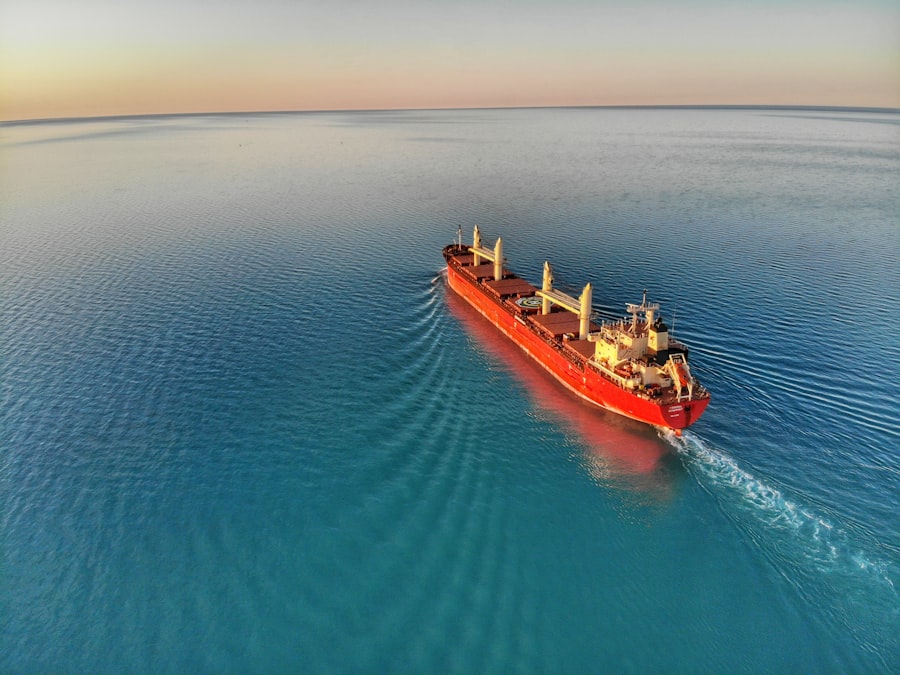
Invasive species pose another significant threat to the ecological balance of the Great Lakes. Non-native species such as zebra mussels, quagga mussels, and Asian carp have disrupted local ecosystems, outcompeting native species for resources and altering habitats. The introduction of these invasive organisms often occurs through human activities, such as ballast water discharge from ships or accidental releases from aquaculture facilities.
Once established, these species can be incredibly difficult to control or eradicate. The impact of invasive species on the Great Lakes is profound. For instance, zebra mussels have not only caused ecological harm by filtering out essential nutrients but have also led to costly damage to infrastructure by clogging water intake pipes.
Efforts to manage invasive species require coordinated action across state and national borders, as well as public awareness campaigns to prevent further introductions. The fight against invasive species is ongoing, highlighting the need for vigilance and proactive measures to protect the delicate balance of the Great Lakes ecosystem.
Climate Change
| Metrics | Data |
|---|---|
| Global Temperature Increase | 1.2°C since pre-industrial levels |
| Carbon Dioxide Levels | 415 parts per million (ppm) |
| Sea Level Rise | 3.3 millimeters per year |
| Extreme Weather Events | Increasing in frequency and intensity |
Climate change is increasingly recognized as a critical factor affecting the Great Lakes region. Rising temperatures have led to changes in precipitation patterns, resulting in more intense storms and flooding events. These shifts can exacerbate existing problems such as erosion, habitat loss, and water quality degradation.
Additionally, warmer water temperatures can alter fish populations and disrupt breeding cycles, impacting both recreational and commercial fishing industries. The effects of climate change are not uniform across the Great Lakes; each lake experiences unique challenges based on its geographical location and ecological characteristics. For example, Lake Michigan has seen significant fluctuations in water levels due to changing weather patterns, while Lake Erie has experienced harmful algal blooms fueled by nutrient runoff exacerbated by warmer temperatures.
Addressing climate change requires a multifaceted approach that includes reducing greenhouse gas emissions, enhancing resilience in local communities, and implementing adaptive management strategies for natural resources.
Industrial and Agricultural Runoff
Industrial and agricultural runoff is a major contributor to pollution in the Great Lakes. Fertilizers, pesticides, and other chemicals used in farming practices can wash into waterways during rain events, leading to nutrient overloads that promote harmful algal blooms. These blooms not only deplete oxygen levels in the water but also produce toxins that can harm aquatic life and pose health risks to humans who come into contact with contaminated water.
Efforts to mitigate runoff from agriculture have gained traction in recent years through initiatives promoting sustainable farming practices. Techniques such as cover cropping, reduced tillage, and buffer strips can help minimize soil erosion and nutrient loss while maintaining agricultural productivity. However, achieving widespread adoption of these practices requires collaboration among farmers, policymakers, and conservation organizations to create incentives that encourage environmentally friendly approaches.
Overfishing
Overfishing has historically been a significant issue in the Great Lakes, leading to declines in native fish populations such as lake trout and whitefish. Unsustainable fishing practices combined with habitat degradation have contributed to imbalances within the ecosystem. The introduction of non-native species has further complicated matters by competing with native fish for food and spawning grounds.
In response to declining fish stocks, regulatory measures have been implemented to manage fishing quotas and protect vulnerable species. These efforts aim to restore fish populations while ensuring that recreational and commercial fishing can continue sustainably. Education campaigns targeting anglers also play a crucial role in promoting responsible fishing practices that prioritize conservation alongside enjoyment of this cherished resource.
Habitat Destruction
Habitat destruction is a critical concern for the Great Lakes ecosystem. Urban development, industrial expansion, and agricultural practices have led to significant loss of wetlands, shorelines, and other vital habitats that support diverse plant and animal species. Wetlands serve as natural filters for pollutants while providing essential breeding grounds for fish and wildlife; their loss can have cascading effects on overall ecosystem health.
Restoration efforts are underway to rehabilitate degraded habitats throughout the Great Lakes region. These initiatives often involve re-establishing native vegetation, restoring natural hydrology, and creating buffer zones along shorelines to protect against erosion. Engaging local communities in these efforts is essential for fostering stewardship and ensuring that restoration projects are sustainable over the long term.
Urban Development and Infrastructure
Urban development poses unique challenges for the Great Lakes region as cities expand to accommodate growing populations. Infrastructure projects such as roads, bridges, and buildings can disrupt natural waterways and contribute to increased runoff pollution. Additionally, urban areas often struggle with aging infrastructure that can lead to sewage overflows during heavy rainfall events, further contaminating lake waters.
To address these challenges, cities are increasingly adopting green infrastructure solutions that integrate natural systems into urban planning. Techniques such as rain gardens, permeable pavements, and green roofs can help manage stormwater runoff while enhancing urban green spaces. By prioritizing sustainable development practices, urban planners can work towards minimizing their impact on the Great Lakes while improving quality of life for residents.
Recreational and Commercial Shipping
The Great Lakes serve as a vital transportation corridor for both recreational boating and commercial shipping activities. The shipping industry relies on these waterways to transport goods efficiently across North America, contributing significantly to regional economies. However, increased shipping traffic raises concerns about environmental impacts such as pollution from vessel emissions and potential accidents involving hazardous materials.
Regulatory frameworks exist to ensure safe navigation while minimizing ecological harm; however, ongoing dialogue among stakeholders is necessary to address emerging challenges related to shipping practices. Promoting sustainable shipping methods—such as using cleaner fuels or implementing stricter emissions standards—can help mitigate negative impacts while supporting economic growth.
Legal and Regulatory Challenges
Navigating legal and regulatory challenges is an ongoing struggle for those working to protect the Great Lakes ecosystem. Multiple jurisdictions—federal, state, provincial—oversee various aspects of environmental management within this shared resource area. This complexity can lead to fragmented policies that hinder effective conservation efforts or create loopholes that allow harmful practices to persist.
Collaboration among stakeholders is essential for addressing these legal challenges effectively. Initiatives like the Great Lakes Water Quality Agreement exemplify how governments can work together towards common goals while engaging local communities in decision-making processes. Strengthening legal frameworks around pollution control, habitat protection, and resource management will be critical for ensuring long-term sustainability in the face of ongoing threats.
Conservation and Restoration Efforts
Conservation and restoration efforts are vital components of safeguarding the Great Lakes for future generations. Numerous organizations—ranging from government agencies to non-profits—are actively engaged in initiatives aimed at restoring habitats, improving water quality, and promoting sustainable practices among local communities. These efforts often involve collaboration with Indigenous groups who possess traditional ecological knowledge that can inform modern conservation strategies.
Public engagement plays a crucial role in successful conservation initiatives; educating residents about the importance of protecting the Great Lakes fosters a sense of stewardship within communities. Volunteer programs focused on clean-up events or habitat restoration projects empower individuals to take action while building connections between people and their environment. As awareness grows about the challenges facing this precious resource, collective action becomes increasingly important in ensuring its health and vitality for years to come.
In conclusion, the Great Lakes represent an invaluable natural resource that requires ongoing attention and care amidst numerous environmental challenges. From pollution and invasive species to climate change impacts and habitat destruction, each issue presents unique obstacles that demand collaborative solutions across various sectors of society. By prioritizing conservation efforts while fostering public engagement around these critical issues, stakeholders can work together towards preserving this iconic freshwater system for generations yet unborn.
The Great Lakes, once a vibrant ecosystem, are facing significant challenges that threaten their health and sustainability. Factors such as pollution, invasive species, and climate change are contributing to the decline of these vital freshwater resources. For a deeper understanding of the issues at hand, you can read more in this related article on the topic: Why Are the Great Lakes Dying?. This article provides insights into the various threats facing the Great Lakes and discusses potential solutions to preserve this precious resource for future generations.
WATCH THIS! The Great Lakes Are Dying: The $6 Trillion Lie That’s Killing America’s Water
FAQs
What are the Great Lakes?
The Great Lakes are a group of five interconnected freshwater lakes located in North America. They include Lake Superior, Lake Michigan, Lake Huron, Lake Erie, and Lake Ontario.
Why are the Great Lakes dying?
The Great Lakes are facing environmental challenges such as pollution, invasive species, habitat destruction, and climate change. These factors are contributing to the deterioration of the health of the lakes and their ecosystems.
How is pollution affecting the Great Lakes?
Pollution from industrial and agricultural activities, as well as urban runoff, is leading to water quality issues in the Great Lakes. This pollution can cause harmful algal blooms, contamination of fish and wildlife, and damage to the overall ecosystem.
What are invasive species and how are they impacting the Great Lakes?
Invasive species are non-native plants and animals that have been introduced to the Great Lakes, often through human activities. These species can outcompete native species, disrupt food chains, and alter the balance of the ecosystem, leading to negative impacts on the health of the lakes.
How is habitat destruction affecting the Great Lakes?
Habitat destruction, such as wetland loss and shoreline development, is reducing the natural areas that provide important functions for the Great Lakes, such as filtering pollutants, providing habitat for wildlife, and protecting against erosion.
What role does climate change play in the decline of the Great Lakes?
Climate change is leading to warmer water temperatures, increased precipitation, and more frequent extreme weather events in the Great Lakes region. These changes can have significant impacts on the lakes, including altered water levels, changes in the distribution of species, and increased stress on the ecosystem.