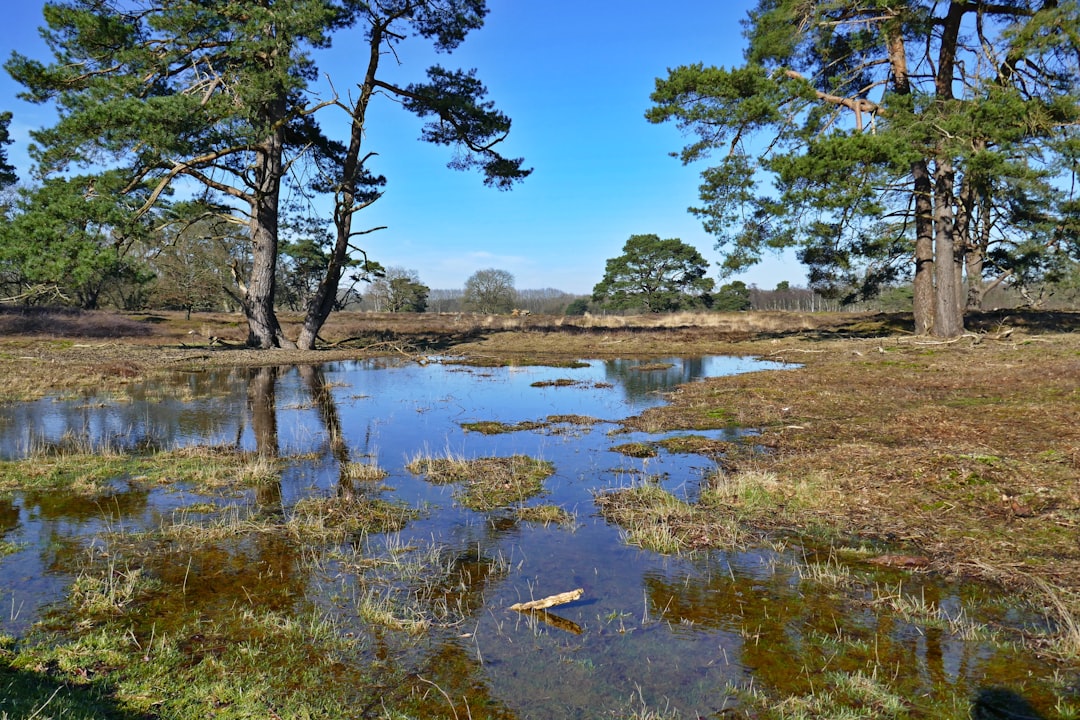
Great Lakes wetlands serve as vital ecosystems that contribute significantly to the health and sustainability of the surrounding environment. These wetlands act as natural filters, purifying water by trapping pollutants and sediments before they can enter the larger bodies of water. This filtration process is crucial for maintaining water quality in the Great Lakes, which are among the largest freshwater systems in the world.
Additionally, wetlands provide essential habitat for a diverse array of plant and animal species, many of which are endemic to the region. The intricate web of life supported by these ecosystems underscores their importance in maintaining ecological balance. Moreover, wetlands play a critical role in flood control and water management.
By absorbing excess rainfall and snowmelt, they help mitigate the impacts of flooding, protecting nearby communities and infrastructure. This natural sponge-like quality not only reduces the risk of property damage but also helps maintain groundwater levels, which are essential for drinking water supplies. The multifaceted benefits of Great Lakes wetlands highlight their significance not only for biodiversity but also for human well-being and environmental resilience.
Key Takeaways
- Great Lakes wetlands are important for maintaining water quality, controlling flooding, and providing habitat for a diverse range of species.
- Threats to Great Lakes wetlands include pollution, invasive species, and urban development, which can lead to habitat loss and degradation.
- Restoration projects play a crucial role in reversing the damage done to Great Lakes wetlands and restoring their ecological functions.
- Successful restoration projects in the Great Lakes region have focused on habitat creation, invasive species management, and water quality improvement.
- Wetland restoration has a positive impact on biodiversity by providing habitat for native species and supporting the overall health of the ecosystem.
Threats to Great Lakes Wetlands
Despite their importance, Great Lakes wetlands face numerous threats that jeopardize their existence and functionality. Urban development is one of the primary culprits, as expanding cities encroach upon these vital ecosystems. As land is converted for housing, commercial use, and infrastructure, wetlands are often drained or filled in, leading to habitat loss and fragmentation.
This urban sprawl not only diminishes the area of wetlands but also disrupts the ecological processes that sustain them. In addition to urbanization, climate change poses a significant threat to Great Lakes wetlands. Altered precipitation patterns, rising temperatures, and increased frequency of extreme weather events can lead to changes in hydrology that negatively impact wetland ecosystems.
For instance, prolonged droughts can reduce water levels, while intense storms can cause erosion and sedimentation that disrupt plant communities. The combined effects of these threats create a precarious situation for wetlands, necessitating urgent attention and action to protect and restore these critical habitats.
The Role of Restoration Projects
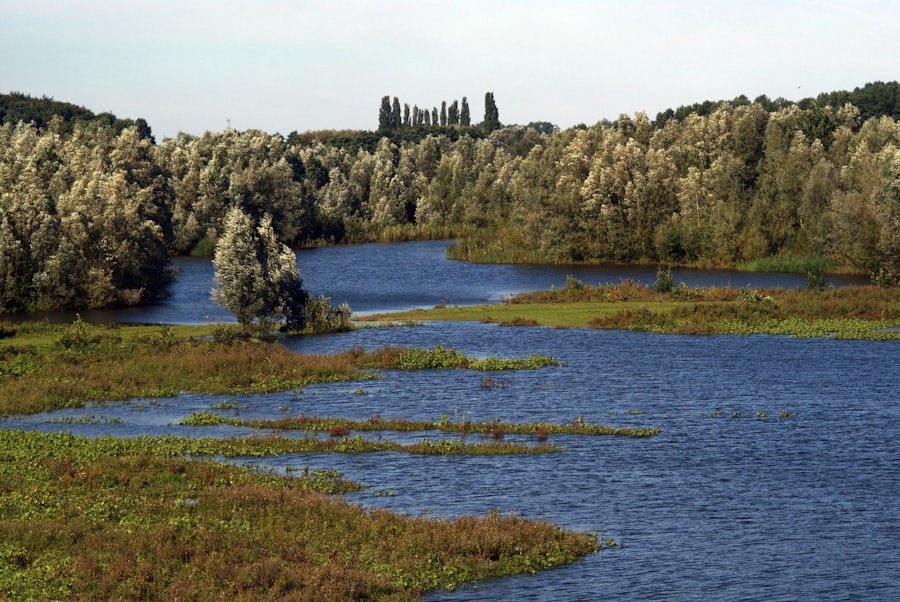
Restoration projects play a pivotal role in reversing the degradation of Great Lakes wetlands and enhancing their ecological integrity. These initiatives aim to restore the natural hydrology, vegetation, and wildlife habitats that have been lost due to human activities and environmental changes. By re-establishing native plant communities and improving water quality, restoration projects can help revive the ecological functions that wetlands provide.
This process often involves removing invasive species, reintroducing native flora, and implementing best management practices to ensure sustainable land use. Furthermore, restoration projects can serve as a catalyst for community engagement and education. They provide opportunities for local residents to participate in hands-on conservation efforts, fostering a sense of stewardship for the environment.
Through workshops, volunteer days, and educational programs, communities can learn about the importance of wetlands and how they can contribute to their preservation. This involvement not only enhances the success of restoration efforts but also builds a collective commitment to protecting these vital ecosystems for future generations.
Successful Restoration Projects in the Great Lakes Region
| Project Name | Location | Restoration Area (acres) | Year Completed |
|---|---|---|---|
| Buffalo River Restoration | Buffalo, NY | 60 | 2015 |
| Grand Traverse Bay Restoration | Traverse City, MI | 120 | 2018 |
| Maumee River Restoration | Toledo, OH | 80 | 2017 |
Several successful restoration projects in the Great Lakes region exemplify the potential for revitalizing degraded wetlands. One notable example is the restoration of the Black River Marshes in Ohio. This project involved removing invasive plant species and re-establishing native wetland vegetation, which has led to increased biodiversity and improved water quality in the area.
The project has also provided enhanced recreational opportunities for local residents, demonstrating how restoration can benefit both ecosystems and communities. Another significant initiative is the Wetlands Initiative in Illinois, which focuses on restoring large-scale wetland complexes that have been lost due to agricultural practices. By working with farmers and landowners, this project has successfully transformed former agricultural fields into thriving wetland habitats.
The initiative not only enhances wildlife habitat but also improves water quality by reducing nutrient runoff into nearby waterways. These examples illustrate that with concerted effort and collaboration, successful restoration projects can yield substantial ecological and community benefits.
The Impact of Wetland Restoration on Biodiversity
The restoration of Great Lakes wetlands has profound implications for biodiversity in the region. Healthy wetlands provide critical habitat for a wide range of species, including migratory birds, amphibians, fish, and invertebrates. By restoring these ecosystems, conservationists can help reverse declines in populations of many species that rely on wetland habitats for breeding, feeding, and shelter.
Increased biodiversity not only enhances ecosystem resilience but also contributes to the overall health of the Great Lakes ecosystem. Moreover, restored wetlands can serve as important corridors for wildlife movement, allowing species to migrate between fragmented habitats. This connectivity is essential for maintaining genetic diversity and enabling species to adapt to changing environmental conditions.
As climate change continues to impact ecosystems across the globe, the role of restored wetlands as refuges for biodiversity becomes increasingly critical. By prioritizing wetland restoration efforts, stakeholders can help safeguard the rich biological heritage of the Great Lakes region.
Economic and Social Benefits of Wetland Restoration
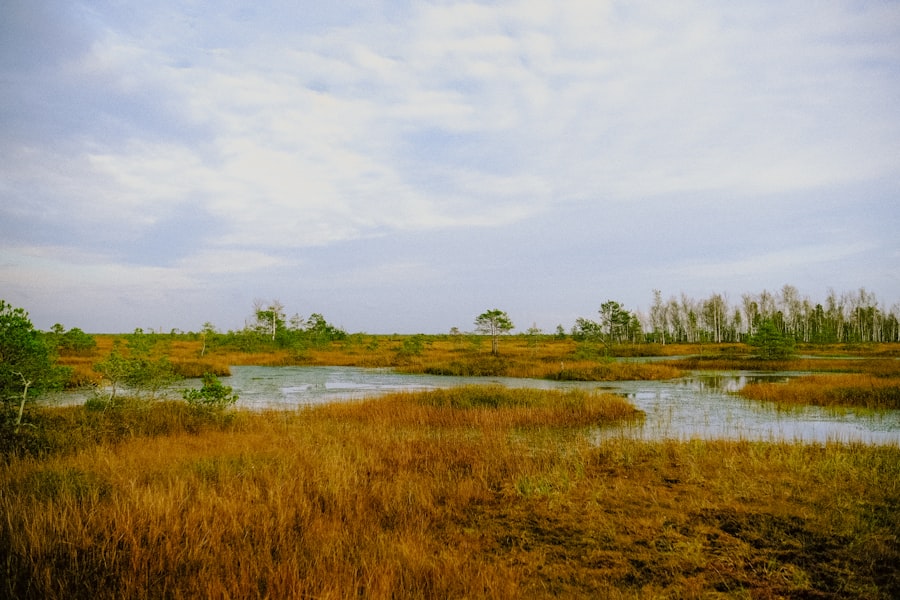
The economic and social benefits of wetland restoration extend far beyond ecological improvements. Healthy wetlands contribute to local economies through various avenues such as tourism, recreation, and fisheries. Birdwatching, fishing, and hiking in restored wetland areas attract visitors who support local businesses and generate revenue for communities.
Additionally, wetlands provide valuable ecosystem services that have economic implications; for instance, their ability to filter pollutants can reduce water treatment costs for municipalities. Socially, wetland restoration fosters community pride and enhances quality of life. Engaging local residents in restoration efforts creates a sense of ownership over natural resources and encourages environmental stewardship.
Educational programs associated with restoration projects can raise awareness about ecological issues and inspire future generations to value and protect their natural surroundings.
Challenges Faced by Restoration Projects
Despite their potential benefits, wetland restoration projects often encounter significant challenges that can hinder their success. One major obstacle is securing adequate funding for restoration efforts. Many projects rely on grants or donations, which can be unpredictable and insufficient to cover long-term maintenance needs.
Without sustained financial support, restored wetlands may struggle to thrive or revert to degraded conditions over time. Additionally, navigating regulatory frameworks can pose challenges for restoration initiatives. Permitting processes may be lengthy and complex, deterring potential project leaders from pursuing restoration efforts.
Furthermore, conflicting interests among stakeholders—such as landowners, developers, and conservationists—can complicate collaboration and consensus-building necessary for successful restoration outcomes. Addressing these challenges requires innovative solutions and strong partnerships among various stakeholders committed to wetland conservation.
Community Involvement in Wetland Restoration
Community involvement is crucial for the success of wetland restoration projects in the Great Lakes region. Engaging local residents not only enhances project outcomes but also fosters a sense of connection between people and their environment. Volunteer opportunities such as planting native species or participating in clean-up events allow community members to take an active role in restoring their local ecosystems.
This hands-on involvement cultivates a deeper understanding of wetland functions and encourages long-term stewardship. Moreover, community engagement can facilitate knowledge sharing among diverse groups with varying perspectives on land use and conservation priorities. By bringing together stakeholders from different backgrounds—such as farmers, urban planners, environmentalists, and indigenous communities—restoration projects can benefit from a wealth of ideas and experiences.
Collaborative approaches that incorporate local knowledge are more likely to yield successful outcomes while addressing community needs and concerns.
Innovative Approaches to Wetland Restoration
Innovative approaches to wetland restoration are emerging as scientists and practitioners seek effective solutions to complex environmental challenges. One such approach is the use of nature-based solutions (NbS), which leverage natural processes to address environmental issues while providing multiple benefits. For example, creating constructed wetlands that mimic natural systems can enhance water quality while providing habitat for wildlife.
These engineered solutions offer flexibility in addressing specific site conditions while promoting ecological resilience. Another innovative strategy involves integrating technology into restoration efforts. Remote sensing tools can monitor changes in wetland health over time, allowing practitioners to assess the effectiveness of restoration actions more efficiently.
Additionally, citizen science initiatives enable community members to contribute data collection efforts through smartphone applications or online platforms. By harnessing technology and local knowledge, restoration projects can become more adaptive and responsive to changing conditions.
Monitoring and Evaluation of Restoration Projects
Monitoring and evaluation are essential components of successful wetland restoration projects in the Great Lakes region. Establishing clear metrics for assessing ecological health allows project leaders to track progress over time and make informed decisions about management strategies. Regular monitoring helps identify potential issues early on—such as invasive species encroachment or water quality degradation—enabling timely interventions that can enhance project outcomes.
Furthermore, evaluation processes provide valuable insights into what works well in restoration efforts and what may need adjustment or improvement. Sharing findings with stakeholders fosters transparency and accountability while contributing to a growing body of knowledge about effective restoration practices. By prioritizing monitoring and evaluation, practitioners can ensure that wetland restoration projects achieve their intended goals while adapting to evolving environmental conditions.
The Future of Great Lakes Wetlands
The future of Great Lakes wetlands hinges on collective action from various stakeholders committed to their preservation and restoration. As climate change continues to pose challenges for these ecosystems, proactive measures will be necessary to enhance their resilience against shifting environmental conditions. This may involve implementing adaptive management strategies that allow for flexibility in response to new information or changing circumstances.
Additionally, fostering collaboration among government agencies, non-profit organizations, academic institutions, and local communities will be crucial for advancing wetland conservation efforts. By working together towards common goals—such as improving water quality or enhancing biodiversity—stakeholders can create a more sustainable future for Great Lakes wetlands. Ultimately, prioritizing these vital ecosystems will not only benefit wildlife but also enrich human lives by ensuring clean water resources and vibrant natural landscapes for generations to come.
Great Lakes wetlands restoration projects play a crucial role in enhancing biodiversity and improving water quality in the region. For more insights into the importance of these initiatives, you can read a related article on the topic at My Geo Quest. This resource provides valuable information on various environmental efforts aimed at preserving and restoring the vital ecosystems of the Great Lakes.
WATCH THIS! The Great Lakes Are Dying: The $6 Trillion Lie That’s Killing America’s Water
FAQs
What are Great Lakes wetlands restoration projects?
Great Lakes wetlands restoration projects are initiatives aimed at restoring and preserving the wetland ecosystems in the Great Lakes region. These projects focus on improving water quality, enhancing wildlife habitat, and protecting the natural biodiversity of the area.
Why are Great Lakes wetlands restoration projects important?
Great Lakes wetlands are vital for maintaining the health of the ecosystem. They provide critical habitat for a variety of plant and animal species, help to filter and purify water, and protect against shoreline erosion. Restoring and preserving these wetlands is essential for the overall health of the Great Lakes region.
What are some common restoration techniques used in Great Lakes wetlands projects?
Common restoration techniques used in Great Lakes wetlands projects include removing invasive species, planting native vegetation, creating or restoring hydrological connections, and implementing erosion control measures. These techniques help to improve the overall health and function of the wetland ecosystem.
Who is involved in Great Lakes wetlands restoration projects?
Great Lakes wetlands restoration projects involve a wide range of stakeholders, including government agencies, non-profit organizations, academic institutions, and local communities. Collaboration among these groups is essential for the success of restoration efforts.
What are some successful examples of Great Lakes wetlands restoration projects?
There are numerous successful examples of Great Lakes wetlands restoration projects, including the restoration of wetlands in the Detroit River International Wildlife Refuge, the creation of coastal wetlands in the Saginaw Bay area, and the rehabilitation of wetlands in the Lake Erie watershed. These projects have resulted in improved water quality, enhanced wildlife habitat, and increased biodiversity in the region.