In the digital age, data centers serve as the backbone of modern technology, housing vast amounts of information and facilitating countless online services. As the demand for data storage and processing continues to surge, the importance of efficient cooling systems within these facilities has become increasingly critical. Data center cooling is not merely a matter of comfort; it is essential for maintaining optimal operational conditions, ensuring the longevity of equipment, and preventing costly downtimes.
The cooling systems employed in data centers are designed to manage the heat generated by servers and other hardware, which can reach alarming temperatures if not properly regulated. The methods of cooling data centers have evolved significantly over the years, with traditional air conditioning systems giving way to more innovative solutions. Among these, water cooling has emerged as a particularly effective approach, offering numerous advantages over conventional air-based systems.
As data centers strive to enhance their energy efficiency and reduce their environmental footprint, the exploration of alternative cooling methods has gained momentum. This article delves into the challenges faced in data center cooling, the benefits of water cooling, and how facilities are increasingly turning to natural resources like Great Lakes water to meet their cooling needs.
Key Takeaways
- Data center cooling is a critical aspect of maintaining optimal performance and efficiency in data centers.
- Challenges of data center cooling include high energy consumption, environmental impact, and the need for efficient cooling solutions.
- Water cooling offers benefits such as higher energy efficiency, reduced environmental impact, and cost savings for data centers.
- Data centers harness Great Lakes water for cooling through innovative technologies and partnerships with local communities.
- Environmental considerations for water cooling in data centers include water usage, impact on aquatic ecosystems, and potential for water conservation.
The Challenges of Data Center Cooling
Data centers face a myriad of challenges when it comes to cooling their operations. One of the primary issues is the sheer volume of heat generated by densely packed servers and networking equipment. As technology advances and hardware becomes more powerful, the heat output increases, necessitating more robust cooling solutions.
Moreover, the reliance on electricity to power these cooling systems can contribute to higher operational costs and increased carbon emissions. Another significant challenge is the physical space constraints within data centers.
Many facilities are located in urban areas where real estate is at a premium, making it difficult to install large-scale cooling systems. Additionally, the infrastructure required for effective air circulation can be complex and costly to implement. As a result, data center operators must constantly seek innovative solutions that not only address these challenges but also align with sustainability goals.
The quest for more efficient cooling methods has led many to consider water cooling as a viable alternative.
The Benefits of Water Cooling
Water cooling offers several advantages that make it an attractive option for data centers grappling with heat management issues. One of the most significant benefits is its superior thermal conductivity compared to air. Water can absorb and transfer heat more efficiently, allowing for more effective temperature regulation within server rooms.
This efficiency translates into lower energy consumption, as water cooling systems typically require less power to operate than traditional air conditioning units. Additionally, water cooling systems can be designed to take advantage of natural resources, such as lakes or rivers, further enhancing their sustainability profile. By utilizing ambient water temperatures for cooling purposes, data centers can significantly reduce their reliance on electricity and lower their overall carbon footprint.
Furthermore, water cooling systems often have a longer lifespan than air-based systems, resulting in reduced maintenance costs and less frequent equipment replacements. These factors make water cooling an appealing choice for data center operators looking to optimize performance while minimizing environmental impact.
How Data Centers Harness Great Lakes Water
| Data Center | Location | Water Usage (gallons) | Cooling Efficiency (%) |
|---|---|---|---|
| Data Center A | Michigan | 500,000 | 85% |
| Data Center B | Ohio | 750,000 | 90% |
| Data Center C | Wisconsin | 600,000 | 88% |
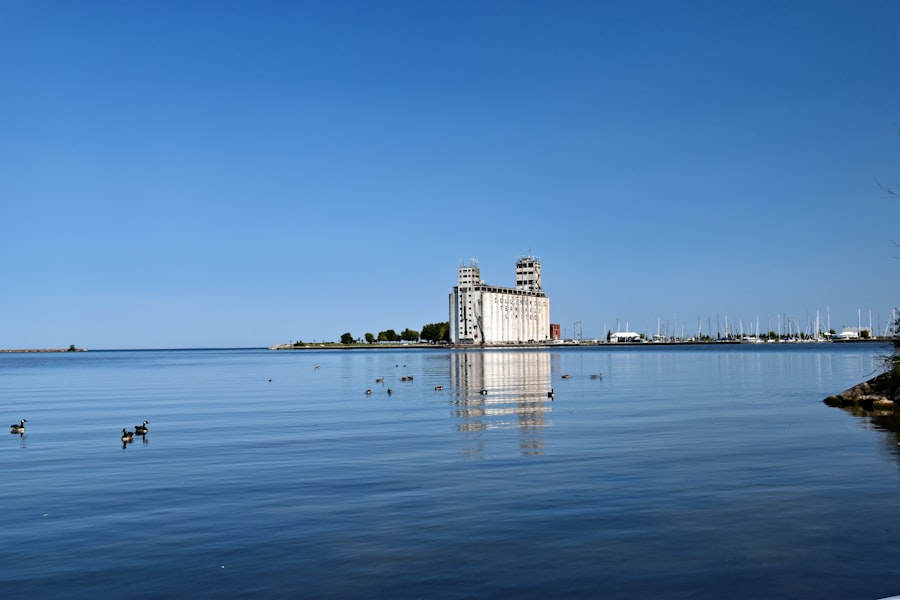
The Great Lakes region presents a unique opportunity for data centers seeking efficient cooling solutions. With an abundance of freshwater resources at their disposal, facilities located near these lakes can harness this natural asset for their cooling needs. By employing a process known as direct lake water cooling, data centers can circulate water from the lakes through heat exchangers, effectively transferring heat away from servers without relying heavily on mechanical refrigeration.
This method not only capitalizes on the naturally cool temperatures of lake water but also minimizes the energy required for pumping and circulating the fluid. Data centers can implement closed-loop systems that filter and treat lake water before it enters the facility, ensuring that any potential contaminants are removed. This approach not only enhances operational efficiency but also aligns with broader sustainability initiatives by reducing reliance on traditional cooling methods that consume significant amounts of energy.
Environmental Considerations
While harnessing Great Lakes water for data center cooling presents numerous benefits, it also raises important environmental considerations. The extraction of large volumes of water from natural bodies can impact local ecosystems if not managed responsibly. Data center operators must ensure that their water usage does not disrupt aquatic life or alter water temperatures in ways that could harm fish populations or other wildlife.
Moreover, there are concerns about the potential for thermal pollution if warm water is discharged back into the lakes without adequate cooling measures in place. To mitigate these risks, data centers must adhere to strict environmental regulations and engage in responsible water management practices. This includes monitoring water quality and temperature before and after use, as well as collaborating with environmental agencies to ensure compliance with local laws and guidelines.
The Future of Water Cooling in Data Centers
As technology continues to advance and the demand for data processing grows, the future of water cooling in data centers looks promising. Innovations in cooling technologies are emerging at a rapid pace, with researchers exploring new materials and methods that enhance the efficiency of water-based systems. For instance, advancements in heat exchanger designs could further improve the effectiveness of lake water cooling by maximizing heat transfer rates.
Additionally, as climate change intensifies and extreme weather events become more frequent, data centers will need to adapt their cooling strategies accordingly. Water cooling systems may offer greater resilience against rising temperatures and changing environmental conditions compared to traditional air-based systems. As more facilities recognize the benefits of sustainable practices, it is likely that water cooling will become an increasingly popular choice among data center operators seeking to balance performance with environmental responsibility.
The Impact on Energy Efficiency
The implementation of water cooling systems in data centers has a profound impact on energy efficiency. By leveraging the natural thermal properties of water, these systems can significantly reduce energy consumption associated with traditional air conditioning methods. This reduction in energy use not only lowers operational costs but also contributes to a decrease in greenhouse gas emissions, aligning with global efforts to combat climate change.
Furthermore, as energy prices continue to fluctuate, data centers that adopt water cooling technologies may find themselves at a competitive advantage. Lower energy bills can enhance profitability while also allowing operators to invest in other areas of their business. The long-term sustainability benefits associated with reduced energy consumption further solidify water cooling as a forward-thinking solution for modern data centers.
The Role of Regulations and Compliance
The integration of water cooling systems into data center operations is subject to various regulations and compliance requirements aimed at protecting natural resources and ensuring environmental sustainability. Local governments and environmental agencies often impose strict guidelines regarding water usage, discharge practices, and ecosystem protection measures. Data center operators must navigate this regulatory landscape carefully to avoid potential fines or legal repercussions.
Compliance with these regulations not only safeguards local ecosystems but also enhances a facility’s reputation within the community. By demonstrating a commitment to responsible resource management and environmental stewardship, data centers can foster positive relationships with stakeholders and customers alike. Engaging with regulatory bodies early in the planning process can help ensure that water cooling initiatives align with existing laws while also paving the way for future innovations in sustainable practices.
Potential Risks and Mitigation Strategies
While the benefits of using Great Lakes water for data center cooling are substantial, there are inherent risks that must be addressed. One potential risk is the variability in water availability due to seasonal changes or extreme weather events such as droughts or heavy rainfall.
Another concern is the potential for contamination or changes in water quality that could affect system performance or pose health risks. Regular monitoring and maintenance protocols should be established to ensure that any issues are identified and addressed promptly. Additionally, investing in advanced filtration and treatment technologies can help safeguard against contaminants while maintaining compliance with environmental regulations.
Case Studies of Successful Water Cooling Implementation
Several data centers have successfully implemented water cooling systems using Great Lakes water as a primary resource. One notable example is a facility located near Lake Michigan that utilizes a closed-loop system to circulate lake water through its cooling infrastructure. This facility has reported significant reductions in energy consumption and operational costs since adopting this approach, demonstrating the viability of lake water as a sustainable cooling solution.
Another case study involves a large-scale data center in Toronto that has integrated a hybrid cooling system combining both air and lake water technologies. By strategically utilizing lake water during cooler months while relying on traditional air conditioning during peak summer heat, this facility has achieved remarkable energy efficiency gains while minimizing its environmental impact.
The Advantages of Great Lakes Water for Data Center Cooling
In conclusion, the utilization of Great Lakes water for data center cooling presents a compelling solution to some of the most pressing challenges faced by modern facilities. With its superior thermal properties, sustainability benefits, and potential for enhanced energy efficiency, water cooling stands out as an innovative approach that aligns with both operational goals and environmental responsibilities. As data centers continue to evolve in response to growing demands for processing power and storage capacity, harnessing natural resources like Great Lakes water will likely play an increasingly vital role in shaping the future of efficient and sustainable technology infrastructure.
By embracing these advancements and addressing potential risks through careful planning and compliance with regulations, data center operators can position themselves at the forefront of sustainable practices while reaping the rewards of improved performance and reduced costs. The journey toward more efficient data center operations is ongoing, but with innovative solutions like water cooling on the horizon, there is much reason for optimism about what lies ahead in this critical sector.
Data centers are increasingly turning to the abundant water resources of the Great Lakes for cooling purposes, leveraging the natural temperature regulation of this vast freshwater system. This innovative approach not only enhances energy efficiency but also minimizes the environmental impact of data center operations. For a deeper understanding of how this practice is evolving and its implications, you can read more in the article available at My GeoQuest.
WATCH THIS! The Great Lakes Are Dying: The $6 Trillion Lie That’s Killing America’s Water
FAQs
What is the significance of Great Lakes water for data centers?
Great Lakes water is significant for data centers as it provides a reliable and sustainable source of cooling water for their operations. The cool temperature of the Great Lakes water helps in efficiently cooling the servers and other equipment in the data centers, reducing the need for energy-intensive cooling systems.
How do data centers use Great Lakes water for cooling?
Data centers use Great Lakes water for cooling by drawing it into their facilities and circulating it through a closed-loop system to absorb the heat generated by the servers and other equipment. The warm water is then discharged back into the Great Lakes after the heat exchange process.
What are the environmental considerations of using Great Lakes water for data center cooling?
Using Great Lakes water for data center cooling raises environmental considerations, as it can impact the temperature and ecosystem of the Great Lakes. Data centers are required to adhere to strict regulations and environmental standards to ensure that the withdrawal and discharge of Great Lakes water do not harm the natural environment.
Are there any alternatives to using Great Lakes water for data center cooling?
Data centers can explore alternative cooling methods such as air-side economization, evaporative cooling, or using reclaimed water for cooling purposes. However, the use of Great Lakes water provides a cost-effective and efficient cooling solution for data centers located in the vicinity of the Great Lakes.