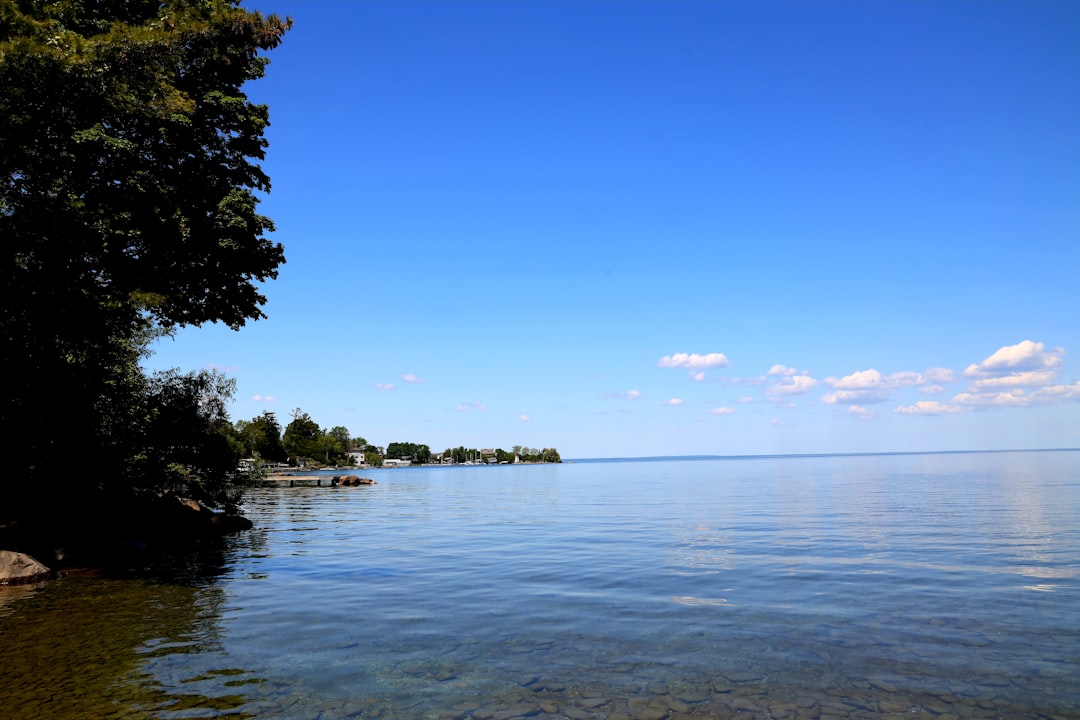
The Great Lakes, comprising Lakes Superior, Michigan, Huron, Erie, and Ontario, represent one of the largest freshwater systems in the world. Covering an area of approximately 94,250 square miles, these lakes are not only vital for the ecological balance of the region but also serve as a crucial resource for millions of people. The water quality of the Great Lakes is a matter of significant concern, as it directly impacts drinking water supplies, recreational activities, and the overall health of the surrounding ecosystems.
The lakes are home to diverse flora and fauna, and their health is indicative of the environmental conditions in the region. Maintaining high water quality in the Great Lakes is essential for sustaining the livelihoods of those who depend on them. The lakes support a robust fishing industry, provide opportunities for tourism, and serve as a source of drinking water for over 40 million people in the United States and Canada.
However, the quality of this precious resource has been compromised over the years due to various anthropogenic factors. Understanding the historical context and current challenges is crucial for developing effective strategies to restore and protect the water quality of the Great Lakes.
Key Takeaways
- Great Lakes water quality has been a concern due to historical challenges and current issues such as industrial pollution and invasive species.
- Restoring Great Lakes water quality is important for the health of the ecosystem and the well-being of surrounding communities.
- Government initiatives and policies play a crucial role in addressing water quality issues in the Great Lakes region.
- Collaborative efforts with indigenous communities are essential for the successful restoration of Great Lakes water quality.
- Innovative technologies for water treatment, sustainable agriculture and land use practices are key in improving Great Lakes water quality.
Historical Challenges and Current Issues
Historically, the Great Lakes have faced numerous challenges that have adversely affected their water quality. Industrialization in the late 19th and early 20th centuries led to significant pollution from factories and urban runoff. Heavy metals, chemicals, and untreated sewage were discharged into the lakes, resulting in severe ecological degradation.
The infamous Cuyahoga River fire in 1969 highlighted the dire state of water quality in the region and served as a catalyst for environmental reform. In recent years, while some progress has been made, new challenges have emerged. Nutrient pollution, primarily from agricultural runoff, has led to harmful algal blooms that threaten aquatic life and human health.
Additionally, climate change has introduced new stressors, such as fluctuating water levels and increased temperatures, which can exacerbate existing problems. The presence of invasive species further complicates the situation, as they disrupt local ecosystems and outcompete native species for resources. Addressing these historical and current issues is essential for ensuring the long-term health of the Great Lakes.
The Importance of Restoring Great Lakes Water Quality
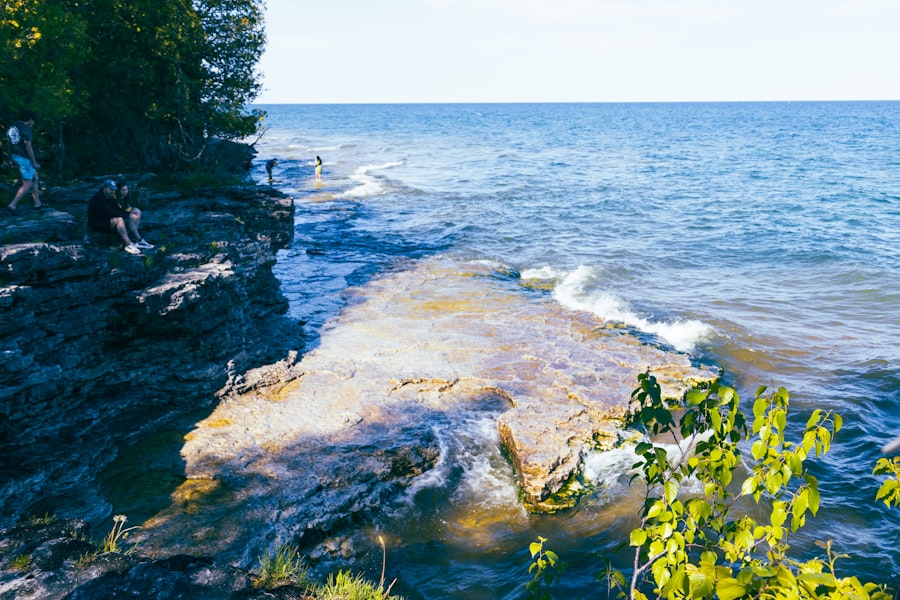
Restoring water quality in the Great Lakes is not merely an environmental concern; it is a matter of public health and economic stability. Clean water is fundamental for drinking, recreation, and supporting biodiversity. The lakes are integral to local economies that rely on fishing, tourism, and agriculture.
Poor water quality can lead to significant economic losses, as contaminated waters deter tourism and can result in costly health issues for communities. Moreover, restoring water quality contributes to the resilience of ecosystems that have been under stress for decades. Healthy aquatic ecosystems provide essential services such as habitat for wildlife, carbon sequestration, and natural filtration of pollutants.
By investing in restoration efforts, stakeholders can enhance biodiversity and improve the overall health of the Great Lakes. This restoration is not only beneficial for current generations but also ensures that future generations will inherit a cleaner and more sustainable environment.
Government Initiatives and Policies
| Initiative/Policy | Description | Impact |
|---|---|---|
| Green Energy Subsidies | Government subsidies for renewable energy projects | Reduction in carbon emissions and promotion of sustainable energy |
| Education Reform | Changes in education policies and curriculum | Improvement in student performance and skill development |
| Healthcare Access Program | Initiative to provide affordable healthcare to all citizens | Reduction in healthcare disparities and improved public health |
| Infrastructure Development Plan | Investment in transportation, communication, and energy infrastructure | Boost to economic growth and job creation |
In response to the pressing need for improved water quality in the Great Lakes, various government initiatives and policies have been implemented at both federal and state levels. The Great Lakes Water Quality Agreement (GLWQA), originally signed in 1972 between the United States and Canada, serves as a foundational framework for addressing pollution and promoting ecosystem health. This agreement has undergone several amendments to adapt to emerging challenges and has established specific goals for reducing contaminants in the lakes.
Additionally, federal programs such as the Great Lakes Restoration Initiative (GLRI) have allocated significant funding towards projects aimed at restoring water quality. These initiatives focus on addressing critical issues such as nutrient pollution, habitat restoration, and invasive species control. State governments also play a vital role by enacting regulations that limit agricultural runoff and industrial discharges into waterways.
By fostering collaboration among various levels of government, these initiatives aim to create a comprehensive approach to restoring and maintaining water quality in the Great Lakes.
Collaborative Efforts with Indigenous Communities
Indigenous communities have long been stewards of the land and waters surrounding the Great Lakes. Their traditional ecological knowledge offers valuable insights into sustainable practices that can enhance water quality. Collaborative efforts between Indigenous communities and government agencies have become increasingly important in recent years.
These partnerships recognize the significance of Indigenous perspectives in environmental management and aim to incorporate traditional knowledge into contemporary restoration efforts. Such collaborations often involve joint research projects, community-led monitoring programs, and shared decision-making processes regarding land use and resource management. By working together, Indigenous communities and government entities can develop more effective strategies for addressing water quality issues while respecting cultural values and practices.
This approach not only empowers Indigenous voices but also fosters a sense of shared responsibility for protecting the Great Lakes.
Innovative Technologies for Water Treatment
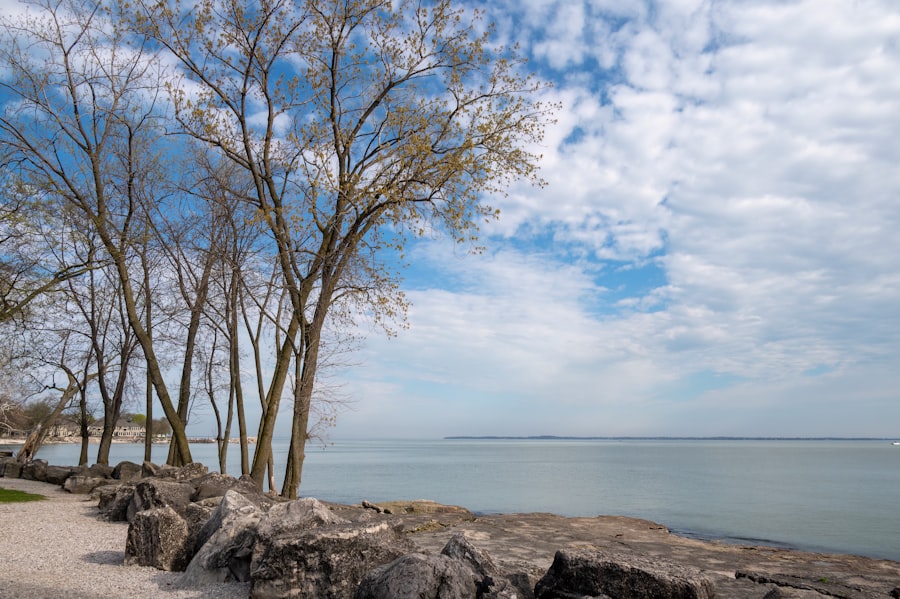
Advancements in technology have opened new avenues for improving water quality in the Great Lakes. Innovative water treatment technologies are being developed to address specific contaminants that threaten aquatic ecosystems and human health. For instance, advanced filtration systems can effectively remove pollutants from wastewater before it is discharged into the lakes.
These technologies utilize methods such as membrane filtration, reverse osmosis, and ultraviolet disinfection to ensure that treated water meets stringent quality standards. Moreover, research into bioremediation techniques is gaining traction as a sustainable approach to restoring contaminated sites around the Great Lakes. By harnessing natural processes involving microorganisms or plants, bioremediation can help break down harmful substances in sediments or groundwater.
These innovative solutions not only enhance water quality but also promote ecological restoration by minimizing disruption to existing habitats.
Sustainable Agriculture and Land Use Practices
Agricultural practices play a significant role in influencing water quality in the Great Lakes region. Nutrient runoff from fertilizers can lead to algal blooms that deplete oxygen levels in the water, harming aquatic life. To combat this issue, there is a growing emphasis on sustainable agriculture practices that minimize environmental impact while maintaining productivity.
Techniques such as cover cropping, reduced tillage, and precision farming can help reduce nutrient runoff into waterways. Additionally, promoting responsible land use practices is essential for protecting watersheds that feed into the Great Lakes. Implementing buffer zones along waterways can help filter out pollutants before they reach the lakes.
Educating farmers about best management practices not only benefits water quality but also enhances soil health and agricultural resilience. By fostering a culture of sustainability within agricultural communities, stakeholders can work towards achieving cleaner waters in the Great Lakes.
Controlling Invasive Species
Invasive species pose a significant threat to the ecological integrity of the Great Lakes. Species such as zebra mussels and Asian carp have disrupted food webs, outcompeting native species for resources and altering habitats. Controlling these invasive species is crucial for restoring balance within aquatic ecosystems.
Various strategies are being employed to manage their populations effectively. One approach involves monitoring and early detection programs that aim to identify invasive species before they become established. Public awareness campaigns also play a vital role in preventing the spread of invasives by educating boaters and anglers about proper cleaning techniques for equipment.
Additionally, research into biological control methods offers promising avenues for managing invasive populations without harming native species. By taking proactive measures to control invasives, stakeholders can help protect the biodiversity of the Great Lakes.
Addressing Industrial Pollution
Industrial pollution remains a significant challenge for maintaining water quality in the Great Lakes region. Factories discharging untreated or inadequately treated wastewater can introduce harmful chemicals into aquatic ecosystems. Addressing this issue requires stringent regulations and enforcement mechanisms to ensure compliance with environmental standards.
Efforts to reduce industrial pollution often involve collaboration between regulatory agencies and industries themselves. Many companies are adopting cleaner production techniques that minimize waste generation and reduce emissions into waterways. Additionally, investing in pollution control technologies can help industries meet regulatory requirements while maintaining operational efficiency.
By fostering a culture of accountability within industrial sectors, stakeholders can work towards achieving cleaner waters in the Great Lakes.
Public Education and Community Engagement
Public education plays a crucial role in fostering community engagement around water quality issues in the Great Lakes region. Raising awareness about the importance of clean water can inspire individuals to take action within their communities. Educational programs targeting schools, local organizations, and community groups can empower citizens to become advocates for water protection.
Community engagement initiatives often involve hands-on activities such as clean-up events along shorelines or volunteer monitoring programs that allow residents to participate actively in restoration efforts. By fostering a sense of ownership over local waterways, communities can develop a collective commitment to preserving water quality for future generations. Engaging citizens not only enhances public understanding but also builds a network of advocates dedicated to protecting the Great Lakes.
Monitoring and Evaluation of Restoration Efforts
Monitoring and evaluation are essential components of any successful restoration effort aimed at improving water quality in the Great Lakes. Establishing baseline data allows stakeholders to assess changes over time and determine the effectiveness of various interventions. Regular monitoring programs help track pollutant levels, assess ecosystem health, and identify emerging threats.
Evaluating restoration efforts also involves engaging with local communities to gather feedback on initiatives implemented within their areas. This participatory approach ensures that restoration strategies are responsive to community needs while fostering transparency in decision-making processes. By continuously assessing progress towards established goals, stakeholders can adapt their strategies as needed to achieve lasting improvements in water quality across the Great Lakes region.
In conclusion, addressing water quality issues in the Great Lakes requires a multifaceted approach that encompasses historical context, innovative solutions, collaborative efforts with Indigenous communities, sustainable practices in agriculture and land use, public education initiatives, and rigorous monitoring protocols. By recognizing the interconnectedness of these elements, stakeholders can work together towards restoring this vital freshwater resource for generations to come.
To address the pressing issue of water quality in the Great Lakes, it’s essential to explore effective strategies and solutions. A related article that delves into this topic can be found at this link. It provides valuable insights and recommendations for improving the health of these vital water bodies, highlighting the importance of community involvement and sustainable practices.
WATCH THIS! The Great Lakes Are Dying: The $6 Trillion Lie That’s Killing America’s Water
FAQs
What are the main causes of water quality issues in the Great Lakes?
The main causes of water quality issues in the Great Lakes include industrial pollution, agricultural runoff, sewage and wastewater discharges, and invasive species.
How does pollution affect the water quality in the Great Lakes?
Pollution from various sources can introduce harmful chemicals, nutrients, and pathogens into the Great Lakes, leading to algal blooms, fish kills, and contamination of drinking water.
What are the potential health risks associated with poor water quality in the Great Lakes?
Poor water quality in the Great Lakes can pose health risks to humans and wildlife, including exposure to harmful chemicals, toxins, and pathogens that can cause illness and impact the ecosystem.
What measures can be taken to improve water quality in the Great Lakes?
Measures to improve water quality in the Great Lakes include reducing industrial and agricultural pollution, upgrading wastewater treatment facilities, implementing green infrastructure, and controlling invasive species.
What role can individuals play in protecting the water quality of the Great Lakes?
Individuals can help protect the water quality of the Great Lakes by reducing their use of fertilizers and pesticides, properly disposing of household chemicals, conserving water, and supporting policies and initiatives aimed at improving water quality.