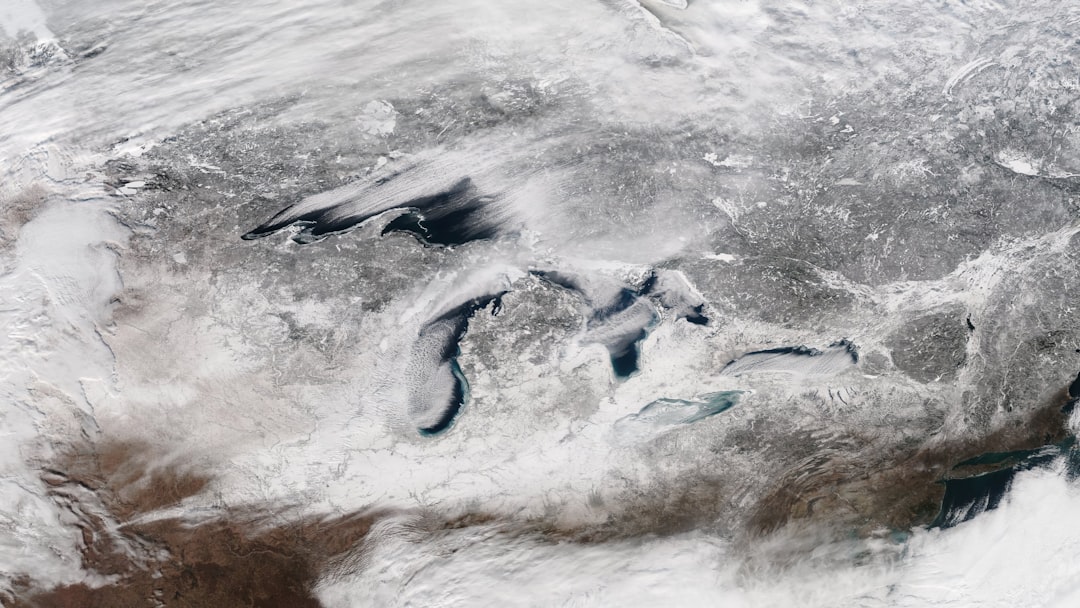
The Great Lakes, comprising Lakes Superior, Michigan, Huron, Erie, and Ontario, represent one of the largest freshwater systems in the world. Covering an area of approximately 94,250 square miles, these lakes hold about 20% of the planet’s unfrozen freshwater supply. Their vast expanse not only provides essential resources for drinking water but also supports a diverse range of ecosystems.
The lakes serve as a critical habitat for numerous species of fish, birds, and other wildlife, making them a vital component of North America’s environmental health. Moreover, the Great Lakes are integral to the cultural and economic fabric of the surrounding regions. They have historically been a source of sustenance and livelihood for Indigenous peoples and local communities.
The lakes facilitate transportation and trade, acting as a conduit for goods moving between Canada and the United States. This interconnectedness underscores the lakes’ significance not just as a natural resource but as a cornerstone of regional identity and heritage.
Key Takeaways
- The Great Lakes are vital for providing drinking water, supporting biodiversity, and driving the regional economy.
- Threats to the Great Lakes ecosystem include invasive species, habitat destruction, and pollution from industrial and agricultural sources.
- Pollution has led to harmful algal blooms, contaminated fish, and degraded water quality in the Great Lakes.
- Climate change is impacting the Great Lakes through rising temperatures, changing precipitation patterns, and increased frequency of extreme weather events.
- Efforts to protect and restore the Great Lakes include habitat restoration, pollution control measures, and invasive species management.
Threats to the Great Lakes Ecosystem
Despite their importance, the Great Lakes ecosystem faces numerous threats that jeopardize its health and sustainability. One of the most pressing issues is invasive species, which disrupt the delicate balance of native flora and fauna. Species such as the zebra mussel and the Asian carp have proliferated in the lakes, outcompeting native species for resources and altering habitats.
This invasion not only threatens biodiversity but also impacts local fisheries and recreational activities. In addition to invasive species, habitat loss poses a significant challenge to the Great Lakes ecosystem. Urban development, agricultural expansion, and industrial activities have led to the degradation of wetlands and shorelines.
These areas are crucial for filtering pollutants, providing wildlife habitat, and supporting water quality. The loss of these natural buffers exacerbates other environmental issues, creating a cycle of decline that is difficult to reverse.
The Impact of Pollution on the Great Lakes

Pollution remains one of the most significant threats to the Great Lakes, affecting water quality and ecosystem health. Agricultural runoff, containing fertilizers and pesticides, contributes to nutrient loading in the lakes. This excess nutrient input can lead to harmful algal blooms, which produce toxins that are detrimental to aquatic life and pose health risks to humans.
The presence of these blooms has increased in recent years, raising alarms among environmentalists and public health officials alike. Industrial discharges also play a role in contaminating the waters of the Great Lakes. Heavy metals, chemicals, and other pollutants can accumulate in sediments and bioaccumulate in fish populations, posing risks to both wildlife and human consumers.
Efforts to monitor and regulate these discharges are ongoing, but challenges remain in enforcing compliance and addressing legacy pollutants that linger in the environment.
The Role of Climate Change in Great Lakes Conservation
| Metrics | Data |
|---|---|
| Temperature Change | 1.6°F increase in average temperature over the last century |
| Precipitation Change | 10-20% increase in precipitation over the last century |
| Ice Cover | 71% decrease in ice cover over the last 40 years |
| Water Levels | 1-2 feet increase in water levels over the last century |
| Impact on Ecosystems | Changes in species distribution, increased invasive species, and altered food webs |
Climate change is an overarching threat that compounds existing challenges faced by the Great Lakes ecosystem. Rising temperatures can alter precipitation patterns, leading to increased evaporation rates and fluctuating water levels. These changes can disrupt aquatic habitats and affect species that rely on stable conditions for breeding and feeding.
Additionally, warmer waters can exacerbate the proliferation of harmful algal blooms, further threatening water quality. The impacts of climate change extend beyond ecological concerns; they also affect human communities reliant on the lakes for their livelihoods.
As climate change continues to unfold, it becomes increasingly critical to integrate adaptive management strategies into conservation efforts to ensure the resilience of the Great Lakes ecosystem.
Efforts to Protect and Restore the Great Lakes
In response to these myriad threats, numerous initiatives have been launched to protect and restore the Great Lakes. The Great Lakes Restoration Initiative (GLRI), established in 2010, has been instrumental in funding projects aimed at cleaning up contaminated sites, restoring habitats, and combating invasive species. This collaborative effort involves federal, state, tribal, and local partners working together to address pressing environmental issues.
Community engagement plays a vital role in these restoration efforts. Local organizations often spearhead initiatives that promote awareness and action among residents. From shoreline cleanups to educational programs about sustainable practices, grassroots movements are essential for fostering a culture of stewardship around the Great Lakes.
These efforts not only contribute to environmental health but also strengthen community ties and promote a sense of shared responsibility.
The Economic Significance of the Great Lakes

The economic significance of the Great Lakes cannot be overstated. They support a multi-billion-dollar economy through industries such as shipping, tourism, fishing, and recreation. The lakes serve as a major transportation route for goods moving between Canada and the United States, with shipping companies relying on their navigable waters to transport everything from raw materials to finished products.
Tourism is another critical economic driver linked to the Great Lakes. Millions of visitors flock to the region each year to enjoy its natural beauty, engage in recreational activities like boating and fishing, and explore charming lakeside communities. This influx of tourism not only generates revenue but also creates jobs in hospitality, retail, and service sectors.
Protecting the health of the Great Lakes is thus not only an environmental imperative but also an economic necessity.
The Importance of Biodiversity in the Great Lakes
Biodiversity within the Great Lakes is essential for maintaining ecological balance and resilience. A diverse array of species contributes to ecosystem stability by providing various functions such as nutrient cycling, habitat provision, and food web dynamics. Healthy populations of native fish species like lake trout and walleye are indicators of a thriving ecosystem; their presence supports both recreational fishing opportunities and commercial fisheries.
Moreover, biodiversity enhances the aesthetic value of the Great Lakes region, attracting nature enthusiasts and contributing to local economies through ecotourism. Protecting this biodiversity is crucial not only for preserving unique species but also for ensuring that ecosystems can adapt to changing environmental conditions. Conservation efforts must prioritize habitat protection and restoration to safeguard this invaluable resource for future generations.
The Role of Government and Policy in Great Lakes Conservation
Government policy plays a pivotal role in shaping conservation efforts for the Great Lakes. Various federal agencies, such as the Environmental Protection Agency (EPA) and the U.S. Army Corps of Engineers, are involved in regulating water quality standards and managing resources within the basin.
Collaborative agreements between Canada and the United States further underscore the importance of transboundary cooperation in addressing shared challenges. Legislation such as the Clean Water Act has been instrumental in establishing frameworks for pollution control and habitat protection. However, ongoing advocacy is necessary to ensure that policies remain robust in addressing emerging threats like climate change and invasive species.
Engaging policymakers at all levels is essential for fostering a comprehensive approach to Great Lakes conservation that prioritizes long-term sustainability.
Community Involvement in Great Lakes Conservation
Community involvement is a cornerstone of effective conservation strategies for the Great Lakes. Local residents often possess invaluable knowledge about their environment and can play an active role in monitoring changes within their ecosystems. Grassroots organizations frequently mobilize volunteers for clean-up events, educational workshops, and advocacy campaigns aimed at raising awareness about environmental issues affecting the lakes.
Furthermore, community engagement fosters a sense of ownership over local natural resources. When individuals feel connected to their environment, they are more likely to advocate for its protection and participate in sustainable practices. By empowering communities to take action, conservation efforts can be more impactful and enduring.
The Future of the Great Lakes
The future of the Great Lakes hinges on collective action from governments, communities, businesses, and individuals alike. As environmental challenges continue to evolve, adaptive management strategies will be essential for ensuring that conservation efforts remain effective. This may involve embracing innovative technologies for monitoring water quality or implementing new approaches to habitat restoration that account for changing climate conditions.
Education will also play a crucial role in shaping public perception and understanding of the importance of protecting these vital resources. By fostering a culture of stewardship among younger generations, there is hope for a more sustainable future where the Great Lakes continue to thrive as a source of life and livelihood.
How Individuals Can Help Save the Great Lakes
Individuals can make meaningful contributions toward saving the Great Lakes through simple yet impactful actions. Reducing water usage at home, properly disposing of hazardous materials, and participating in local clean-up events are all ways that people can help protect water quality. Additionally, advocating for policies that prioritize environmental protection can amplify individual efforts on a larger scale.
Supporting local organizations dedicated to Great Lakes conservation is another effective way for individuals to get involved. Whether through volunteering time or donating resources, community members can play an active role in initiatives aimed at restoring habitats or combating pollution. Every action counts when it comes to safeguarding this precious resource for future generations.
In conclusion, while challenges abound for the Great Lakes ecosystem, there is hope through concerted efforts at various levels—from government policy to community engagement—aimed at protecting this invaluable resource. By recognizing their importance and taking proactive steps toward conservation, individuals can contribute significantly to ensuring that future generations inherit a healthy and vibrant Great Lakes system.
One of the pressing questions regarding environmental conservation is whether the Great Lakes can be saved from pollution and ecological degradation. For a deeper understanding of the challenges and potential solutions, you can read a related article on this topic at My Geo Quest. This resource provides valuable insights into the current state of the Great Lakes and the efforts being made to protect this vital freshwater resource.
WATCH THIS! The Great Lakes Are Dying: The $6 Trillion Lie That’s Killing America’s Water
FAQs
What are the Great Lakes?
The Great Lakes are a group of five interconnected freshwater lakes located in North America. They include Lake Superior, Lake Michigan, Lake Huron, Lake Erie, and Lake Ontario.
What are the main threats to the Great Lakes?
The main threats to the Great Lakes include pollution from industrial and agricultural activities, invasive species, habitat destruction, and climate change.
Can the Great Lakes be saved?
Yes, the Great Lakes can be saved through a combination of conservation efforts, pollution control measures, and restoration projects. It will require cooperation and action from governments, industries, and communities.
What are some conservation efforts for the Great Lakes?
Conservation efforts for the Great Lakes include reducing pollution, restoring habitats, controlling invasive species, and promoting sustainable water use.
What role can individuals play in saving the Great Lakes?
Individuals can play a role in saving the Great Lakes by reducing their use of single-use plastics, properly disposing of waste, supporting conservation organizations, and advocating for policies that protect the lakes.