The Cuyahoga River, winding through northeastern Ohio, has long been a vital resource for the Native American tribes that inhabited the region. For centuries, the river served as a crucial artery for transportation, trade, and sustenance. Indigenous peoples, including the Erie and Iroquois tribes, recognized the river’s significance, utilizing its waters for fishing and gathering essential resources.
The river was not merely a physical entity; it held spiritual importance, symbolizing life and connection to the land. The tribes revered the Cuyahoga as a source of nourishment and a pathway to the natural world, fostering a deep respect for its ecosystems. As these early inhabitants navigated the river’s currents, they developed a profound understanding of its rhythms and seasonal changes.
They relied on the Cuyahoga for fishing, hunting, and gathering wild plants, creating a sustainable lifestyle that honored the land. The river’s banks were often sites of community gatherings, where stories were shared, and traditions were passed down through generations. This intimate relationship with the Cuyahoga laid the foundation for a cultural legacy that would endure long after the arrival of European settlers.
Key Takeaways
- The Cuyahoga River played a significant role in Native American culture in its early years.
- Industrialization led to pollution and degradation of the Cuyahoga River, impacting the environment and wildlife.
- The 1969 Cuyahoga River fire brought attention to the river’s pollution and led to legal and environmental reforms.
- Efforts to clean up the river have led to the restoration of fish and bird populations, showing the positive impact of rehabilitation.
- Public awareness and media coverage played a crucial role in bringing attention to the pollution of the Cuyahoga River.
Industrialization and Pollution: The Impact of Factories on the Cuyahoga River
The advent of industrialization in the 19th century marked a significant turning point for the Cuyahoga River. As factories sprang up along its banks, the river became a vital resource for manufacturing processes. However, this rapid industrial growth came at a steep cost.
Factories discharged waste directly into the river, leading to severe pollution that transformed its waters from a source of life into a toxic environment. The once-pristine river became a dumping ground for chemicals, heavy metals, and other hazardous materials, drastically altering its ecosystem. The consequences of this pollution were dire.
Fish populations dwindled, and aquatic life struggled to survive in the contaminated waters. The river’s banks, once vibrant with flora and fauna, became desolate landscapes marred by industrial waste. Communities that relied on the Cuyahoga for fishing and recreation found their livelihoods threatened as the river’s health deteriorated.
The industrial boom that had promised prosperity instead led to environmental degradation, highlighting the stark contrast between economic growth and ecological responsibility.
The Infamous Fire: A Look at the 1969 Cuyahoga River Fire and its Aftermath
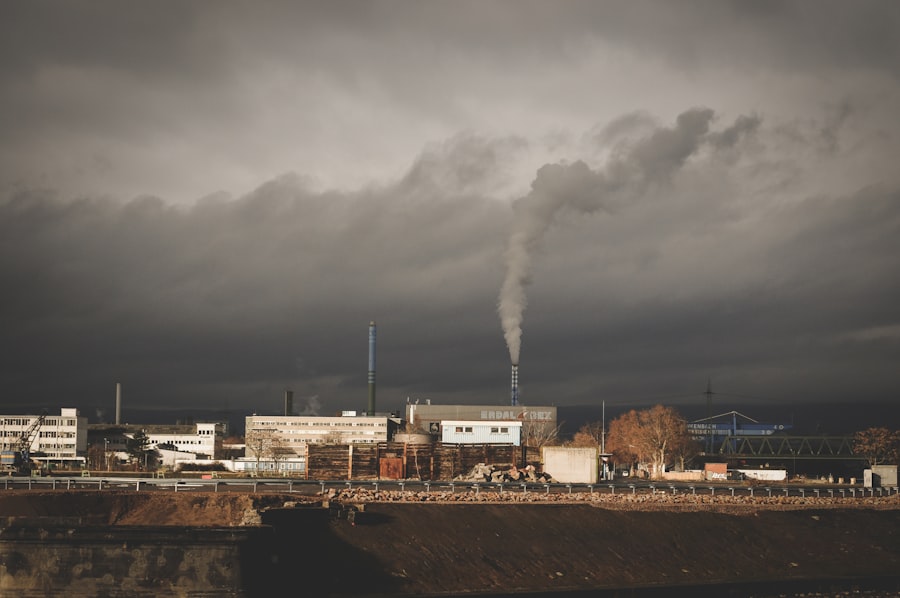
The Cuyahoga River gained national notoriety in June 1969 when it erupted into flames due to the extensive pollution that had accumulated over decades. This infamous fire was not an isolated incident; rather, it was a culmination of years of neglect and environmental disregard. The flames illuminated the stark reality of industrial pollution and served as a wake-up call for both local residents and policymakers.
Photographs of the burning river captured public attention and ignited outrage over the state of America’s waterways. In the aftermath of the fire, there was a growing recognition of the need for environmental reform. The incident galvanized activists and citizens alike, prompting them to demand action to address pollution and protect natural resources.
The fire became a symbol of environmental degradation, leading to increased public awareness about the importance of clean water and healthy ecosystems. It marked a pivotal moment in the environmental movement, ultimately contributing to significant legislative changes aimed at safeguarding America’s rivers and lakes.
Legal and Environmental Reforms: The Clean Water Act and the Rehabilitation of the Cuyahoga River
| Aspect | Details |
|---|---|
| Legislation | Clean Water Act (CWA) of 1972 |
| Objective | To regulate the discharge of pollutants into the nation’s waterways |
| Impact | Improved water quality and ecosystem health |
| Cuyahoga River | Rehabilitation efforts started in the 1960s |
| Result | Significant improvement in water quality and reduction of pollution |
The outcry following the 1969 fire prompted lawmakers to take action, culminating in the passage of the Clean Water Act in 1972. This landmark legislation aimed to restore and maintain the integrity of the nation’s waters by regulating pollutant discharges and establishing water quality standards. The Cuyahoga River became a focal point for these efforts, as communities rallied around the need for rehabilitation and restoration.
The Act provided a framework for addressing pollution and set ambitious goals for improving water quality across the country. In subsequent years, various initiatives were launched to clean up the Cuyahoga River. Local organizations, government agencies, and community members collaborated to implement restoration projects aimed at revitalizing the river’s ecosystem.
These efforts included reducing industrial discharges, restoring wetlands, and enhancing riparian habitats. Over time, these initiatives began to yield positive results, demonstrating that concerted action could lead to meaningful change in restoring the health of polluted waterways.
The Return of Wildlife: How Efforts to Clean Up the River Have Led to the Restoration of Fish and Bird Populations
As cleanup efforts progressed along the Cuyahoga River, signs of ecological recovery began to emerge. Once-polluted waters started to support fish populations again, with species such as bass and perch returning to their natural habitats. The revitalization of aquatic life was not only a testament to successful restoration efforts but also an indicator of improved water quality.
Bird populations also flourished as wetlands were restored and habitats were enhanced along the riverbanks. The resurgence of wildlife along the Cuyahoga River has brought renewed hope to local communities. Birdwatchers now flock to areas once deemed lifeless, eager to observe herons, egrets, and other avian species that have made their homes along the revitalized banks.
This return of biodiversity serves as a reminder of nature’s resilience and underscores the importance of continued conservation efforts. The Cuyahoga River has transformed from a symbol of pollution into a beacon of ecological recovery.
The Role of Public Awareness: How Media Coverage and Public Outcry Helped Bring Attention to the Cuyahoga River’s Pollution
Media coverage played a pivotal role in raising awareness about the pollution plaguing the Cuyahoga River. Photographs of the 1969 fire captured public imagination and sparked outrage across the nation. News outlets highlighted not only the immediate environmental crisis but also broader issues related to industrial pollution and environmental neglect.
This media attention galvanized public support for environmental reforms and encouraged citizens to advocate for cleaner waterways. Public outcry following media coverage was instrumental in driving change. Citizens organized protests, wrote letters to lawmakers, and participated in grassroots campaigns demanding action to address pollution in their communities.
This collective voice amplified calls for accountability from industries responsible for contaminating natural resources. The power of public awareness demonstrated that individuals could effect change when they united around a common cause—protecting their environment.
The Economic Impact: Examining the Effects of Pollution on Local Businesses and Communities
The pollution of the Cuyahoga River had far-reaching economic consequences for local businesses and communities. As water quality deteriorated, industries reliant on clean water faced challenges that threatened their viability. Fishing businesses suffered as fish populations declined, while recreational activities such as boating and swimming became less appealing due to concerns about water safety.
The economic ripple effects extended beyond individual businesses; entire communities felt the strain as tourism declined and property values dropped. Conversely, efforts to restore the Cuyahoga River have begun to yield positive economic outcomes. As water quality improved, recreational opportunities expanded, attracting visitors eager to explore revitalized parks and waterways.
Local businesses have benefited from increased tourism, while fishing industries have seen a resurgence as fish populations rebound. The economic revitalization associated with environmental restoration underscores the interconnectedness of ecological health and community prosperity.
Current Challenges: Addressing the Ongoing Threats to the Cuyahoga River’s Health
Despite significant progress in cleaning up the Cuyahoga River, ongoing challenges remain that threaten its health. Urban runoff continues to pose risks as stormwater carries pollutants into the river during heavy rains. Additionally, aging infrastructure contributes to sewage overflows that can compromise water quality during peak rainfall events.
These challenges highlight the need for continued vigilance in monitoring water quality and implementing effective management strategies. Furthermore, climate change presents an emerging threat to the Cuyahoga River’s ecosystem. Altered precipitation patterns can exacerbate flooding events or lead to drought conditions that impact aquatic habitats.
Addressing these challenges requires collaboration among government agencies, environmental organizations, and local communities committed to safeguarding the river’s health for future generations.
The Importance of Environmental Education: How Educating the Public Can Help Prevent Future Pollution
Environmental education plays a crucial role in fostering awareness about pollution prevention and conservation efforts related to waterways like the Cuyahoga River. By educating individuals about their impact on local ecosystems, communities can cultivate a sense of stewardship that encourages responsible behavior toward natural resources. Schools, community organizations, and local governments can collaborate to develop educational programs that emphasize sustainable practices and promote active engagement in conservation initiatives.
Public outreach campaigns can also raise awareness about specific issues affecting waterways—such as littering or improper disposal of hazardous materials—empowering individuals to take action in their daily lives. By instilling a sense of responsibility toward protecting natural resources, communities can work together to prevent future pollution incidents and ensure that rivers like the Cuyahoga remain healthy for generations to come.
The Cuyahoga River Today: A Look at the River’s Current State and Future Prospects
Today, the Cuyahoga River stands as a testament to resilience and recovery following decades of pollution and neglect. While challenges persist, ongoing restoration efforts have led to significant improvements in water quality and biodiversity along its banks. Communities are increasingly embracing recreational opportunities along the river—whether through kayaking, fishing, or simply enjoying scenic parks—demonstrating a renewed appreciation for this vital resource.
Looking ahead, continued investment in conservation initiatives will be essential for maintaining progress made thus far. Collaborative efforts among stakeholders—including government agencies, non-profit organizations, businesses, and residents—will be crucial in addressing ongoing threats while fostering sustainable practices that protect both water quality and community well-being.
Lessons Learned: What the History of Pollution in the Cuyahoga River Can Teach Us about Environmental Responsibility
The history of pollution in the Cuyahoga River serves as a powerful reminder of humanity’s impact on natural resources—and highlights critical lessons about environmental responsibility. It underscores the importance of proactive measures in preventing pollution before it becomes an insurmountable problem. By learning from past mistakes, communities can prioritize sustainable practices that protect waterways from degradation.
Moreover, this history emphasizes that collective action is vital in addressing environmental challenges.
Ultimately, fostering a culture of environmental stewardship will be essential in ensuring that rivers like the Cuyahoga continue to thrive for future generations.
The history of pollution in the Cuyahoga River is a significant chapter in environmental awareness and activism in the United States. For a deeper understanding of this topic, you can explore the article on the broader implications of pollution in waterways, which can be found here.
WATCH THIS! The Great Lakes Are Dying: The $6 Trillion Lie That’s Killing America’s Water
FAQs
What is the Cuyahoga River?
The Cuyahoga River is a river in the northeastern United States, located in the state of Ohio. It flows through the city of Cleveland and into Lake Erie.
What is the history of pollution in the Cuyahoga River?
The Cuyahoga River has a long history of pollution, dating back to the late 19th century. Industrialization and urbanization led to the dumping of industrial waste, sewage, and other pollutants into the river, causing it to become heavily polluted.
What is the significance of the Cuyahoga River in relation to pollution?
The Cuyahoga River gained national attention in 1969 when it caught fire due to the high levels of pollution and industrial waste in the water. This event sparked the environmental movement and led to the passage of the Clean Water Act and the creation of the Environmental Protection Agency.
What has been done to address pollution in the Cuyahoga River?
Since the 1969 fire, significant efforts have been made to clean up the Cuyahoga River. The implementation of environmental regulations, the cleanup of industrial sites, and the improvement of wastewater treatment have all contributed to reducing pollution in the river.
What is the current state of pollution in the Cuyahoga River?
While significant progress has been made in cleaning up the Cuyahoga River, pollution remains a concern. Efforts continue to monitor and improve water quality, reduce industrial discharges, and address legacy pollution from past industrial activities.