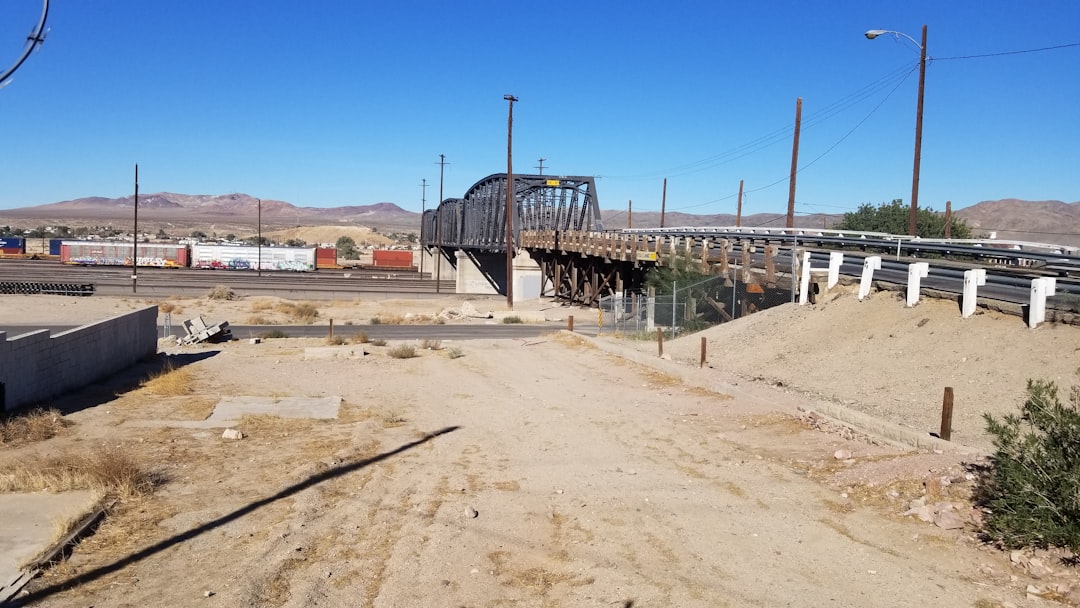
The Brandon Road Lock and Dam Project holds significant importance in the context of waterway management and ecological preservation in the United States. Located on the Des Plaines River in Illinois, this infrastructure plays a crucial role in regulating water levels, facilitating navigation, and providing flood control. The lock and dam system is not merely a functional structure; it serves as a vital link in the larger network of waterways that connect various regions, supporting both commercial and recreational activities.
Its strategic position allows for the movement of goods and services, making it an essential component of the regional economy. Moreover, the Brandon Road Lock and Dam Project is pivotal in addressing environmental concerns, particularly regarding invasive species. The project aims to prevent the migration of harmful aquatic species, such as Asian carp, into the Great Lakes ecosystem.
This is critical not only for preserving native fish populations but also for maintaining the overall health of the Great Lakes, which are a significant natural resource for millions of people. Thus, the importance of the Brandon Road Lock and Dam extends beyond its immediate functions; it embodies a broader commitment to sustainable waterway management and ecological integrity.
Key Takeaways
- The Brandon Road Lock and Dam Project is crucial for preventing the spread of invasive species in the Great Lakes and Mississippi River Basin.
- The current state of the Brandon Road Lock and Dam is in need of significant upgrades and modernization to effectively address the threat of invasive species.
- Revitalizing the Brandon Road Lock and Dam is essential for maintaining the ecological balance of the Great Lakes and Mississippi River Basin.
- The potential environmental impact of revitalizing the project includes protecting native species and preserving the natural habitat.
- Revitalizing the Brandon Road Lock and Dam project will bring economic benefits such as job creation and increased commercial navigation.
The Current State of the Brandon Road Lock and Dam
As of now, the Brandon Road Lock and Dam is facing numerous challenges that threaten its operational efficiency and ecological purpose. The infrastructure has been in place for several decades, and like many aging structures, it requires significant maintenance and upgrades to meet contemporary standards. The current state of the lock and dam reflects a pressing need for revitalization to ensure that it can continue to serve its intended functions effectively.
Deterioration of key components has raised concerns about safety and reliability, prompting discussions about the future of this critical infrastructure. In addition to physical wear and tear, the lock and dam’s operational capacity is being tested by changing environmental conditions. Increased rainfall and flooding events have put additional stress on the system, highlighting the need for adaptive management strategies.
The current state of the Brandon Road Lock and Dam underscores the urgency of addressing these issues to safeguard both human interests and ecological health. Without timely intervention, the risks associated with an outdated infrastructure could escalate, leading to more significant problems for navigation, flood control, and environmental protection.
The Need for Revitalization
The need for revitalization of the Brandon Road Lock and Dam is underscored by both its deteriorating condition and the evolving demands placed upon it. As climate change continues to impact weather patterns, the infrastructure must adapt to handle increased water flow and potential flooding scenarios. Revitalization efforts are essential not only to restore functionality but also to enhance resilience against future environmental challenges.
Upgrading the lock and dam will ensure that it can effectively manage water levels while minimizing risks associated with extreme weather events. Furthermore, revitalization is crucial for maintaining the ecological balance within the surrounding waterways. The current infrastructure does not adequately address the threat posed by invasive species, which can disrupt local ecosystems and harm native wildlife.
By investing in modern solutions that incorporate advanced technology and sustainable practices, stakeholders can create a more effective barrier against these invasive species while promoting biodiversity. The need for revitalization is clear: it is not merely about repairing an aging structure but about reimagining its role in a changing world.
Potential Environmental Impact
| Category | Metric | Value |
|---|---|---|
| Energy | Carbon Emissions | 10,000 tons/year |
| Water | Water Usage | 1 million gallons/year |
| Waste | Landfill Waste | 5,000 tons/year |
The potential environmental impact of revitalizing the Brandon Road Lock and Dam is multifaceted, encompassing both positive outcomes and challenges that must be addressed. On one hand, a well-executed revitalization project can significantly enhance water quality and habitat conditions in the Des Plaines River and surrounding areas. By implementing modern engineering solutions that prioritize ecological health, stakeholders can create a more sustainable waterway that supports diverse aquatic life.
Improved management practices can lead to better sediment control, reduced pollution runoff, and enhanced natural habitats. Conversely, there are concerns that construction activities associated with revitalization could temporarily disrupt local ecosystems. Increased human activity during construction may lead to habitat fragmentation or pollution if not managed properly.
It is essential for planners to conduct thorough environmental assessments to identify potential risks and develop mitigation strategies that minimize negative impacts. Balancing the need for infrastructure improvement with ecological preservation will be a critical aspect of any revitalization effort at the Brandon Road Lock and Dam.
Economic Benefits of Revitalizing the Project
Revitalizing the Brandon Road Lock and Dam presents numerous economic benefits that extend beyond immediate job creation during construction. A modernized lock and dam system can enhance navigation efficiency, reducing transportation costs for businesses reliant on waterway shipping. Improved infrastructure can attract more commercial traffic, bolstering local economies by facilitating trade and commerce.
This increased activity can lead to job growth in various sectors, including logistics, manufacturing, and tourism. Additionally, revitalization efforts can promote recreational opportunities in the region, drawing visitors interested in fishing, boating, and other outdoor activities. A healthier ecosystem resulting from improved management practices can enhance recreational fishing experiences, attracting anglers from surrounding areas.
This influx of visitors can provide a significant boost to local businesses such as restaurants, hotels, and retail shops.
Potential Challenges and Obstacles
Despite the clear benefits associated with revitalizing the Brandon Road Lock and Dam, several challenges and obstacles must be navigated to achieve successful outcomes. One significant hurdle is securing adequate funding for such a large-scale project. Government budgets are often constrained, making it essential for stakeholders to explore diverse funding sources, including federal grants, state allocations, and private investments.
The complexity of financing can delay project timelines and complicate planning efforts. Another challenge lies in coordinating among various stakeholders with differing priorities and interests. Local communities, environmental groups, government agencies, and commercial entities may have conflicting views on how best to approach revitalization efforts.
Effective communication and collaboration will be crucial in addressing these differences and fostering a shared vision for the future of the lock and dam. Navigating these challenges will require strong leadership and a commitment to finding common ground among all parties involved.
The Role of Government and Stakeholders
The role of government agencies and stakeholders is paramount in shaping the future of the Brandon Road Lock and Dam Project. Federal, state, and local governments must collaborate to establish policies that support revitalization efforts while ensuring compliance with environmental regulations. Agencies such as the U.S. Army Corps of Engineers play a critical role in overseeing infrastructure projects like this one, providing technical expertise and guidance throughout the planning process. Stakeholders from various sectors also have a vital role to play in advocating for revitalization initiatives. Environmental organizations can contribute valuable insights into ecological considerations, while local businesses can highlight economic needs and opportunities. Engaging community members in discussions about their concerns and aspirations will foster a sense of ownership over the project. By bringing together diverse perspectives, stakeholders can create a comprehensive approach that addresses both human needs and environmental sustainability.
Proposed Solutions and Plans for Revitalization
Proposed solutions for revitalizing the Brandon Road Lock and Dam encompass a range of innovative strategies aimed at enhancing functionality while prioritizing ecological health. One key aspect involves upgrading existing infrastructure with modern technology designed to improve water management capabilities. This may include installing advanced monitoring systems that provide real-time data on water levels, flow rates, and environmental conditions.
Additionally, implementing green engineering practices can help mitigate potential environmental impacts during construction. Strategies such as using permeable materials for access roads or creating buffer zones around sensitive habitats can minimize disruption to local ecosystems. Furthermore, incorporating fish passage solutions into the design will address concerns about invasive species while promoting biodiversity within the river system.
These proposed solutions reflect a holistic approach to revitalization that balances human needs with ecological integrity.
Community Involvement and Support
Community involvement is essential for ensuring the success of revitalization efforts at the Brandon Road Lock and Dam. Engaging local residents in discussions about their needs and concerns fosters a sense of ownership over the project while building public support for proposed initiatives. Community forums, workshops, and outreach programs can provide platforms for residents to voice their opinions and contribute ideas that reflect their unique perspectives.
Moreover, involving community members in volunteer opportunities related to conservation efforts can strengthen connections between people and their environment. Initiatives such as river clean-up days or educational programs about local ecosystems can cultivate a sense of stewardship among residents. By fostering community involvement, stakeholders can create a collaborative atmosphere that enhances public support for revitalization efforts while promoting long-term sustainability.
Timeline for Revitalization
Establishing a realistic timeline for revitalizing the Brandon Road Lock and Dam is crucial for effective project management. Initial phases typically involve extensive planning, including feasibility studies, environmental assessments, and stakeholder consultations. This phase may take several months or even years as stakeholders work collaboratively to develop comprehensive plans that address various concerns.
Once planning is complete, construction timelines will depend on available funding and resources. Depending on the scope of proposed upgrades, construction could span several years as crews work to implement improvements while minimizing disruptions to existing operations. Regular updates throughout this process will be essential to keep stakeholders informed about progress and any adjustments to timelines or plans.
Future Outlook for the Brandon Road Lock and Dam Project
The future outlook for the Brandon Road Lock and Dam Project hinges on successful revitalization efforts that prioritize both functionality and ecological health. If stakeholders can navigate challenges related to funding, coordination among diverse interests, and community engagement effectively, there is significant potential for positive outcomes. A modernized lock and dam system could enhance navigation efficiency while safeguarding local ecosystems against invasive species.
Moreover, revitalization efforts could serve as a model for similar projects across the country facing comparable challenges related to aging infrastructure and environmental concerns. By demonstrating how innovative solutions can balance human needs with ecological integrity, the Brandon Road Lock and Dam Project has the potential to inspire broader conversations about sustainable waterway management nationwide.
The Brandon Road Lock and Dam project is a critical initiative aimed at preventing the spread of invasive species in the Great Lakes region. For more insights into the environmental impacts and engineering challenges associated with such projects, you can read a related article on this topic at this link.
WATCH THIS! The Great Lakes Are Dying: The $6 Trillion Lie That’s Killing America’s Water
FAQs
What is the Brandon Road Lock and Dam Project?
The Brandon Road Lock and Dam Project is a proposed construction project aimed at preventing the spread of invasive Asian carp species into the Great Lakes.
Where is the Brandon Road Lock and Dam located?
The Brandon Road Lock and Dam is located on the Des Plaines River in Joliet, Illinois, near its confluence with the Illinois River.
Why is the Brandon Road Lock and Dam Project important?
The project is important because it aims to prevent the spread of invasive Asian carp species into the Great Lakes, which could have detrimental effects on the ecosystem and economy of the region.
What are the main components of the Brandon Road Lock and Dam Project?
The main components of the project include the installation of technologies such as an electric barrier, underwater sound, and air bubble curtains to deter the movement of invasive species, as well as upgrades to the lock and dam infrastructure.
Who is responsible for the Brandon Road Lock and Dam Project?
The project is a collaborative effort between the U.S. Army Corps of Engineers, the state of Illinois, and other stakeholders in the region.
What is the current status of the Brandon Road Lock and Dam Project?
As of [date], the project is in the planning and evaluation stage, with various alternatives being considered and environmental impact assessments being conducted.