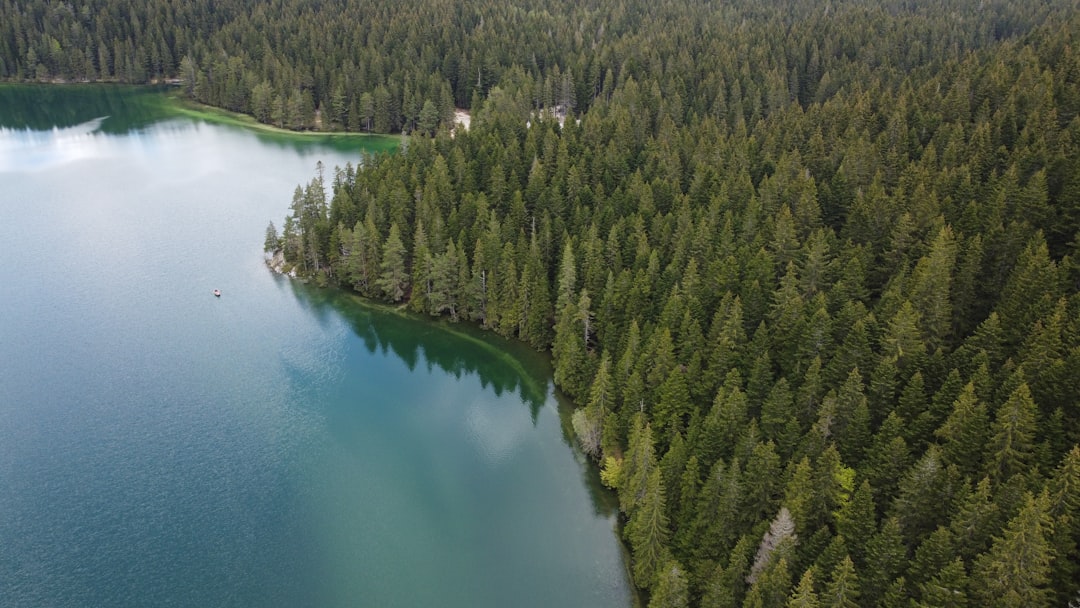
The Great Lakes, a magnificent collection of five interconnected freshwater lakes—Superior, Michigan, Huron, Erie, and Ontario—are among the largest bodies of freshwater in the world. Spanning the border between the United States and Canada, these lakes cover an area of approximately 94,250 square miles and hold about 20% of the world’s surface freshwater supply. The Great Lakes are not only a vital natural resource but also a significant cultural and economic asset for the surrounding regions.
Their vast waters and diverse ecosystems support a wide array of wildlife and provide recreational opportunities for millions of people. The formation of the Great Lakes dates back to the last Ice Age, around 14,000 years ago, when glaciers carved out their basins. Over millennia, these lakes have evolved into a complex system that plays a crucial role in the climate and ecology of North America.
The Great Lakes are interconnected through various rivers and channels, creating a dynamic hydrological system that influences weather patterns and supports diverse habitats. This unique geographical feature has made the Great Lakes a focal point for environmental studies and conservation efforts, as they are home to numerous species of fish, birds, and other wildlife.
Key Takeaways
- The Great Lakes are a group of five interconnected freshwater lakes located in North America, consisting of Lakes Superior, Michigan, Huron, Erie, and Ontario.
- The Great Lakes are of great importance for drinking water, transportation, recreation, and supporting diverse ecosystems.
- Threats to the Great Lakes include pollution, invasive species, climate change, and industrial development.
- The International Joint Commission (IJC) is a binational organization established to prevent and resolve disputes relating to the use and quality of boundary waters between the United States and Canada.
- The IJC plays a crucial role in protecting the Great Lakes by regulating water levels and flows, addressing pollution and water quality, and collaborating with governments, stakeholders, and indigenous peoples.
The Importance of the Great Lakes
The significance of the Great Lakes extends far beyond their breathtaking beauty. They serve as a critical source of drinking water for over 40 million people in both the United States and Canada. The lakes also support a thriving economy, with industries such as shipping, fishing, tourism, and recreation relying heavily on their resources.
The shipping industry alone accounts for billions of dollars in economic activity each year, as the lakes provide a vital transportation route for goods moving between the Midwest and international markets. Moreover, the Great Lakes are essential for agriculture in the surrounding regions. The fertile lands near the lakes benefit from the moderate climate and ample water supply, allowing farmers to cultivate a variety of crops.
This agricultural productivity not only sustains local communities but also contributes significantly to the national economy. Additionally, the lakes offer recreational opportunities that attract millions of visitors annually, from fishing and boating to hiking along their scenic shorelines. This blend of ecological, economic, and recreational importance underscores why protecting the Great Lakes is paramount for future generations.
Threats to the Great Lakes
Despite their immense value, the Great Lakes face numerous threats that jeopardize their health and sustainability. One of the most pressing issues is pollution, which stems from various sources such as industrial discharges, agricultural runoff, and urban development. Nutrient pollution, particularly from fertilizers used in agriculture, has led to harmful algal blooms that can produce toxins detrimental to aquatic life and human health.
These blooms not only disrupt ecosystems but also impact local economies reliant on fishing and tourism. In addition to pollution, invasive species pose a significant threat to the biodiversity of the Great Lakes. Species such as zebra mussels and Asian carp have disrupted food chains and outcompeted native species for resources.
Climate change further exacerbates these challenges by altering precipitation patterns, increasing water temperatures, and affecting water levels. As a result, the Great Lakes are under constant pressure from both human activities and natural changes in the environment.
The International Joint Commission (IJC)
| Metrics | Data |
|---|---|
| Established | 1909 |
| Members | 6 from US, 6 from Canada |
| Mission | Prevent and resolve disputes relating to the use and quality of boundary waters |
| Activities | Water quality monitoring, environmental research, public engagement |
To address the myriad challenges facing the Great Lakes, the International Joint Commission (IJC) was established in 1909 through a treaty between the United States and Canada. The IJC’s primary purpose is to manage shared water resources and ensure that both countries work collaboratively to protect and preserve these vital ecosystems. By fostering cooperation between the two nations, the IJC plays a crucial role in addressing transboundary issues related to water quality, quantity, and ecosystem health.
The commission is composed of six commissioners—three appointed by each country—who bring diverse expertise in areas such as environmental science, law, and public policy. This multidisciplinary approach allows the IJC to tackle complex issues effectively while considering various perspectives and interests. The commission’s work is guided by principles of sustainability and environmental stewardship, emphasizing the need for long-term solutions that benefit both human communities and natural ecosystems.
The Role of the IJC in Protecting the Great Lakes
The IJC’s role in protecting the Great Lakes encompasses a wide range of activities aimed at safeguarding water quality and promoting sustainable management practices. One of its key functions is to monitor water levels and flows within the Great Lakes system, ensuring that they remain within healthy ranges for both ecological integrity and human use. By analyzing data on water levels, precipitation patterns, and evaporation rates, the IJC can provide valuable insights that inform decision-making processes at local, regional, and national levels.
In addition to monitoring water levels, the IJC actively engages in research initiatives that assess the health of the Great Lakes ecosystem. This research informs policy recommendations aimed at mitigating pollution sources and enhancing habitat restoration efforts. The commission also collaborates with various stakeholders—including government agencies, non-profit organizations, and local communities—to develop strategies that address pressing environmental concerns while promoting sustainable economic development.
The IJC’s Regulatory Authority
The IJC possesses regulatory authority granted by both countries to enforce agreements related to water management in the Great Lakes basin. This authority allows the commission to establish regulations that govern water usage, pollution control measures, and habitat protection efforts. By setting standards for water quality and quantity, the IJC ensures that both nations adhere to shared commitments aimed at preserving these vital resources.
One notable example of the IJC’s regulatory authority is its involvement in managing water levels through agreements such as the Great Lakes-St. Lawrence Seaway Agreement. This agreement outlines specific protocols for regulating water flows between Lake Ontario and the St.
Lawrence River, balancing ecological needs with navigation requirements. By exercising its regulatory powers judiciously, the IJC plays a pivotal role in maintaining a delicate equilibrium between human activities and environmental health.
The IJC’s Work with Governments and Stakeholders
Collaboration is at the heart of the IJC’s approach to managing the Great Lakes. The commission works closely with federal, state, provincial, and local governments to develop policies that reflect shared goals for water management and environmental protection. By fostering dialogue among various stakeholders—including indigenous communities, industry representatives, environmental organizations, and citizens—the IJC ensures that diverse perspectives are considered in decision-making processes.
Through public consultations and stakeholder engagement initiatives, the IJC seeks to build consensus around critical issues affecting the Great Lakes. This collaborative approach not only enhances transparency but also empowers communities to take an active role in protecting their natural resources. By involving stakeholders in discussions about water management strategies and conservation efforts, the IJC helps cultivate a sense of shared responsibility for safeguarding the Great Lakes for future generations.
The IJC’s Efforts in Addressing Pollution and Water Quality
Addressing pollution in the Great Lakes is one of the IJC’s foremost priorities. The commission has implemented various programs aimed at reducing contaminants entering these waters from industrial discharges, agricultural runoff, and urban sources. By working with governments to establish stricter regulations on pollutants such as phosphorus and heavy metals, the IJC aims to improve overall water quality while protecting aquatic ecosystems.
In addition to regulatory measures, the IJC promotes innovative solutions for pollution prevention through research initiatives and public education campaigns. These efforts focus on raising awareness about best practices for land use management, sustainable agriculture techniques, and responsible waste disposal methods. By empowering communities with knowledge about pollution sources and mitigation strategies, the IJC fosters a culture of stewardship that encourages individuals to take action in protecting their local environments.
The IJC’s Role in Managing Water Levels and Flows
Water level management is another critical aspect of the IJC’s mandate concerning the Great Lakes. Fluctuations in water levels can have profound impacts on ecosystems, infrastructure, and local economies. To address these challenges effectively, the IJC employs scientific modeling techniques to predict changes in water levels based on factors such as precipitation patterns and evaporation rates.
The commission collaborates with various agencies responsible for managing water resources within each country to develop coordinated strategies for regulating flows between lakes. This collaborative approach ensures that decisions regarding water management consider ecological needs while balancing human interests such as navigation and flood control. By taking a comprehensive view of water levels across the entire Great Lakes system, the IJC helps maintain stability within this vital resource.
The IJC’s Collaboration with Indigenous Peoples
Recognizing the unique relationship that Indigenous peoples have with the Great Lakes ecosystem is essential for effective management practices. The IJC actively seeks to engage Indigenous communities in its decision-making processes by incorporating traditional ecological knowledge into contemporary resource management strategies. This collaboration acknowledges Indigenous peoples’ historical stewardship of these waters while fostering mutual respect between cultures.
Through partnerships with Indigenous organizations and communities, the IJC aims to integrate traditional practices into modern conservation efforts. This approach not only enriches scientific understanding but also empowers Indigenous voices in discussions about water management policies affecting their ancestral lands. By valuing Indigenous perspectives alongside scientific research, the IJC promotes holistic approaches that honor cultural heritage while ensuring ecological sustainability.
The Future of the Great Lakes and the IJC’s Role
As challenges continue to mount against the Great Lakes—from pollution to climate change—the role of organizations like the International Joint Commission becomes increasingly vital.
By prioritizing sustainable practices while engaging diverse stakeholders—including Indigenous communities—the commission lays a foundation for effective stewardship of these precious resources.
Looking ahead, it is imperative that all stakeholders remain vigilant in their efforts to protect the Great Lakes ecosystem. Continued investment in research initiatives aimed at understanding emerging threats will be crucial for developing adaptive management strategies that respond effectively to changing conditions. With ongoing collaboration facilitated by organizations like the IJC, there is hope for a future where both human communities and natural ecosystems thrive harmoniously within this remarkable freshwater system.
The International Joint Commission (IJC) plays a crucial role in protecting the Great Lakes by managing water quality and addressing pollution issues that affect this vital ecosystem. For a deeper understanding of the IJC’s efforts and initiatives, you can read more in this related article: How the IJC Protects the Great Lakes. This resource provides insights into the various strategies employed by the IJC to ensure the health and sustainability of the Great Lakes for future generations.
WATCH THIS! The Great Lakes Are Dying: The $6 Trillion Lie That’s Killing America’s Water
FAQs
What is the IJC?
The International Joint Commission (IJC) is an independent binational organization established by the United States and Canada under the Boundary Waters Treaty of 1909. Its primary purpose is to prevent and resolve disputes over the use of boundary waters and to advise the two governments on related matters.
How does the IJC protect the Great Lakes?
The IJC protects the Great Lakes by overseeing the implementation of the Great Lakes Water Quality Agreement, which aims to restore and maintain the chemical, physical, and biological integrity of the Great Lakes ecosystem. The IJC also addresses issues such as water levels, water quality, and invasive species through various programs and initiatives.
What role does the IJC play in managing water levels in the Great Lakes?
The IJC manages water levels in the Great Lakes by overseeing the operation of the International Lake Superior Board of Control and the International Lake Ontario-St. Lawrence River Board of Control. These boards regulate the outflows from Lake Superior and Lake Ontario, respectively, to help mitigate the impacts of extreme water levels on shoreline communities and the environment.
How does the IJC address water quality issues in the Great Lakes?
The IJC addresses water quality issues in the Great Lakes by conducting research, providing scientific advice, and facilitating cooperation between the United States and Canada. It also works with various stakeholders to develop and implement strategies for reducing pollution, controlling invasive species, and protecting the overall health of the Great Lakes.