
The Toledo Boil Order is a public health advisory issued by local authorities in Toledo, Ohio, when the municipal water supply is deemed unsafe for consumption without boiling. This order typically arises from concerns about potential contamination of the water supply, which can pose serious health risks to the community. When a boil order is in effect, residents are advised to boil their tap water for at least one minute before using it for drinking, cooking, or brushing teeth.
This precautionary measure aims to eliminate harmful pathogens that may be present in the water, ensuring that it is safe for human consumption. The issuance of a boil order can create significant anxiety among residents, as it raises questions about the safety of their water supply and the potential health implications. The Toledo Boil Order has been a recurring issue over the years, often triggered by various environmental factors or incidents that compromise water quality.
Understanding the implications of such an order is crucial for residents, as it not only affects their daily routines but also highlights the importance of maintaining a safe and reliable water supply.
Key Takeaways
- The Toledo Boil Order is a precautionary measure issued by the city of Toledo, Ohio, requiring residents to boil their tap water before using it for drinking, cooking, or brushing teeth.
- Causes of water contamination in Toledo include harmful algal blooms in Lake Erie, agricultural runoff, and aging infrastructure leading to potential contamination from harmful bacteria and toxins.
- Health risks associated with contaminated water include gastrointestinal illness, skin rashes, and potential long-term health effects from exposure to toxins and bacteria.
- The Toledo Boil Order has had a significant impact on the community, leading to inconvenience, economic losses for businesses, and heightened concerns about the safety of the water supply.
- Steps taken to address the water contamination include increased water testing, public education on safe water practices, and collaboration with state and federal agencies to address the root causes of contamination.
Causes of Water Contamination in Toledo
Water contamination in Toledo can stem from a variety of sources, each contributing to the degradation of water quality. One of the primary causes is the presence of harmful microorganisms, such as bacteria and viruses, which can infiltrate the water supply through various means. Heavy rainfall and flooding can lead to runoff that carries pollutants from agricultural fields, urban areas, and sewage systems into local water bodies.
This runoff can overwhelm treatment facilities, making it difficult to ensure that the water remains safe for consumption. Another significant factor contributing to water contamination is aging infrastructure. Many cities, including Toledo, have water systems that are decades old, with pipes that may be corroded or damaged.
These aging pipes can leach harmful substances into the water supply, including lead and other heavy metals. Additionally, industrial discharges and improper waste disposal practices can introduce toxic chemicals into the water system. The combination of these factors creates a complex challenge for local authorities tasked with ensuring clean and safe drinking water for residents.
Health Risks Associated with Contaminated Water

The health risks associated with consuming contaminated water are profound and can lead to a range of serious illnesses. Pathogens such as E. coli and Giardia can cause gastrointestinal infections, leading to symptoms like diarrhea, vomiting, and abdominal pain.
For vulnerable populations, including young children, the elderly, and individuals with compromised immune systems, these infections can be particularly severe and may require medical intervention. In addition to microbial contamination, exposure to chemical pollutants in drinking water can have long-term health consequences. For instance, prolonged exposure to lead can result in developmental issues in children and neurological problems in adults.
The potential for these health risks underscores the importance of adhering to boil orders and taking necessary precautions when there are concerns about water quality.
Impact on the Community
| Program | Number of Participants | Community Service Hours | Positive Feedback |
|---|---|---|---|
| Youth Mentorship | 50 | 500 | 90% |
| Food Drive | 100 | 300 | 95% |
| Environmental Cleanup | 75 | 600 | 85% |
The impact of a boil order on the Toledo community extends beyond individual health concerns; it affects daily life on multiple levels. When residents are advised to boil their water, it disrupts routine activities such as cooking, cleaning, and personal hygiene. Families must adjust their habits, often resorting to purchasing bottled water or relying on alternative sources for their daily needs.
This sudden shift can create financial strain for some households, particularly those already facing economic challenges. Moreover, the psychological toll of a boil order cannot be overlooked. Residents may experience heightened anxiety and stress as they grapple with uncertainty about the safety of their water supply.
Community trust in local authorities may also waver if boil orders become frequent or if residents feel inadequately informed about the situation. The social fabric of Toledo can be tested during these times, as neighbors come together to support one another while navigating the challenges posed by contaminated water.
Steps Taken to Address the Water Contamination
In response to incidents of water contamination, local authorities in Toledo have implemented various measures aimed at safeguarding public health and restoring confidence in the water supply. One critical step involves enhancing monitoring and testing protocols to detect contaminants more effectively and promptly. Regular testing of water samples allows officials to identify potential issues before they escalate into public health crises.
Additionally, investments in infrastructure improvements are essential for addressing long-term contamination concerns. Upgrading aging pipes and treatment facilities can significantly reduce the risk of contaminants entering the water supply. Community education initiatives also play a vital role in informing residents about safe water practices and encouraging them to report any unusual changes in water quality.
By taking these proactive measures, Toledo aims to mitigate future risks and ensure that its residents have access to safe drinking water.
How to Boil Water Safely
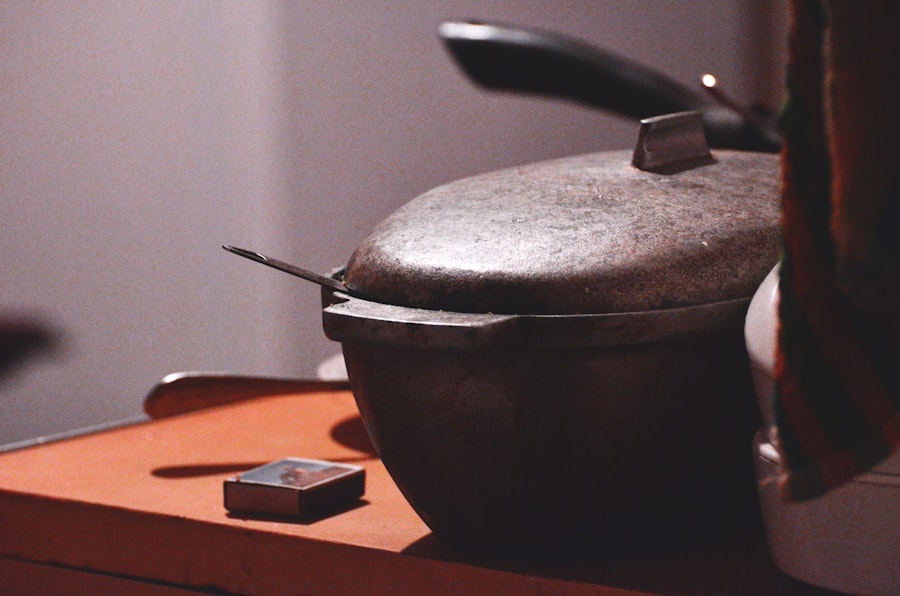
Boiling water is a straightforward yet effective method for ensuring its safety during a boil order. Residents should begin by filling a clean pot with tap water and placing it on the stove over high heat. It is essential to bring the water to a rolling boil—this means that large bubbles should be continuously rising to the surface for at least one minute.
For those at higher elevations, boiling for three minutes is recommended due to lower boiling points. Once boiled, the water should be allowed to cool before transferring it into clean containers for storage. It is crucial to use sanitized containers to prevent recontamination; glass or food-grade plastic bottles are ideal choices.
Residents should also remember to keep boiled water covered to maintain its cleanliness until it is ready for use. Following these steps ensures that the water is safe for drinking and cooking during a boil order.
Alternative Water Sources During the Boil Order
During a boil order, residents may seek alternative sources of water for their daily needs. Bottled water is often the most accessible option; many grocery stores and convenience shops stock bottled water in various sizes. However, purchasing bottled water can become costly over time, especially for larger families or those on tight budgets.
Another alternative is using filtered water from home filtration systems or pitchers equipped with activated carbon filters. While these systems may not eliminate all contaminants, they can significantly reduce certain impurities and improve taste. Rainwater collection systems can also serve as an alternative source; however, residents must ensure that collected rainwater is properly filtered and treated before consumption.
Exploring these alternatives allows residents to navigate daily life more comfortably during a boil order.
Importance of Water Testing and Monitoring
Water testing and monitoring are critical components of maintaining public health and safety regarding drinking water supplies. Regular testing helps identify potential contaminants before they reach dangerous levels, allowing authorities to take swift action when necessary. Monitoring programs can also track trends over time, providing valuable data that informs infrastructure improvements and policy decisions.
In Toledo, increased emphasis on testing has become paramount following incidents of contamination. Local authorities have invested in advanced testing technologies that enable quicker detection of harmful microorganisms and chemicals in the water supply. By prioritizing rigorous testing protocols, Toledo aims not only to respond effectively to current challenges but also to build a resilient system capable of preventing future contamination events.
Long-Term Solutions to Prevent Water Contamination
To achieve lasting improvements in water quality, Toledo must adopt comprehensive long-term solutions that address both infrastructure and environmental factors contributing to contamination. Upgrading aging pipes and treatment facilities is essential; modernizing these systems can significantly reduce leaks and contamination risks while improving overall efficiency. Additionally, implementing sustainable land-use practices can help mitigate runoff from agricultural and urban areas that often leads to contamination events.
Encouraging green infrastructure solutions—such as rain gardens and permeable pavements—can enhance stormwater management while reducing pollutants entering waterways. By taking a holistic approach that combines infrastructure improvements with environmental stewardship, Toledo can work towards ensuring a safe and reliable drinking water supply for generations to come.
Economic Impact of the Boil Order
The economic impact of a boil order extends beyond immediate inconveniences; it can have far-reaching consequences for local businesses and the community as a whole. Restaurants and food service establishments may face significant challenges during a boil order as they must either close temporarily or invest in bottled water for food preparation. This disruption can lead to lost revenue and strained relationships with customers who rely on these establishments.
Moreover, households may experience increased expenses due to purchasing bottled water or investing in filtration systems during a boil order. For low-income families, these additional costs can create financial strain and exacerbate existing challenges. The cumulative economic effects highlight the need for effective communication from local authorities during such events to minimize disruptions and support community resilience.
Community Response and Support
In times of crisis like a boil order, community response plays a vital role in supporting residents through challenges posed by contaminated water supplies. Local organizations often mobilize resources to provide assistance, including distributing bottled water or offering educational workshops on safe water practices during boil orders. Community solidarity becomes evident as neighbors come together to share resources and information during these times of uncertainty.
This collective response not only helps individuals navigate immediate challenges but also strengthens community bonds in the face of adversity. In conclusion, understanding the complexities surrounding the Toledo Boil Order reveals its far-reaching implications on public health, community dynamics, and economic stability.
By addressing both immediate concerns through effective communication and long-term solutions focused on infrastructure improvements and environmental stewardship, Toledo can work towards ensuring safe drinking water for all its residents while fostering resilience within its community.
Toledo recently experienced a boil order due to concerns about water contamination following a significant incident at a local water treatment facility. This precautionary measure was implemented to ensure the safety of residents until the water supply could be thoroughly tested and deemed safe for consumption. For more information on the situation and its implications, you can read a related article on this topic at My GeoQuest.
WATCH THIS! The Great Lakes Are Dying: The $6 Trillion Lie That’s Killing America’s Water
FAQs
What is a boil order?
A boil order is a public health advisory issued by a water utility company or local government when there is a risk of microbial contamination in the water supply. It advises residents to boil their tap water before consuming it to kill any potential harmful bacteria or pathogens.
Why did Toledo have a boil order?
Toledo issued a boil order due to the detection of microcystin, a toxin produced by blue-green algae, in the city’s water supply. Microcystin can cause liver and kidney damage if ingested, so the boil order was issued as a precautionary measure to protect public health.
How long does a boil order typically last?
The duration of a boil order can vary depending on the specific circumstances and the actions taken by the water utility company to address the contamination. In some cases, boil orders may be lifted within a few days, while in other cases, they may last for a week or longer.
What should residents do during a boil order?
During a boil order, residents should boil their tap water for at least one minute before using it for drinking, cooking, making ice, brushing teeth, or any other activity that involves consuming the water. It is also important to follow any additional guidance provided by local authorities.
How can residents stay informed about boil orders?
Residents can stay informed about boil orders and other water advisories by signing up for alerts from their local water utility company, following official social media accounts and websites, and paying attention to local news updates. It is important to stay informed and follow the guidance provided during a boil order to protect public health.