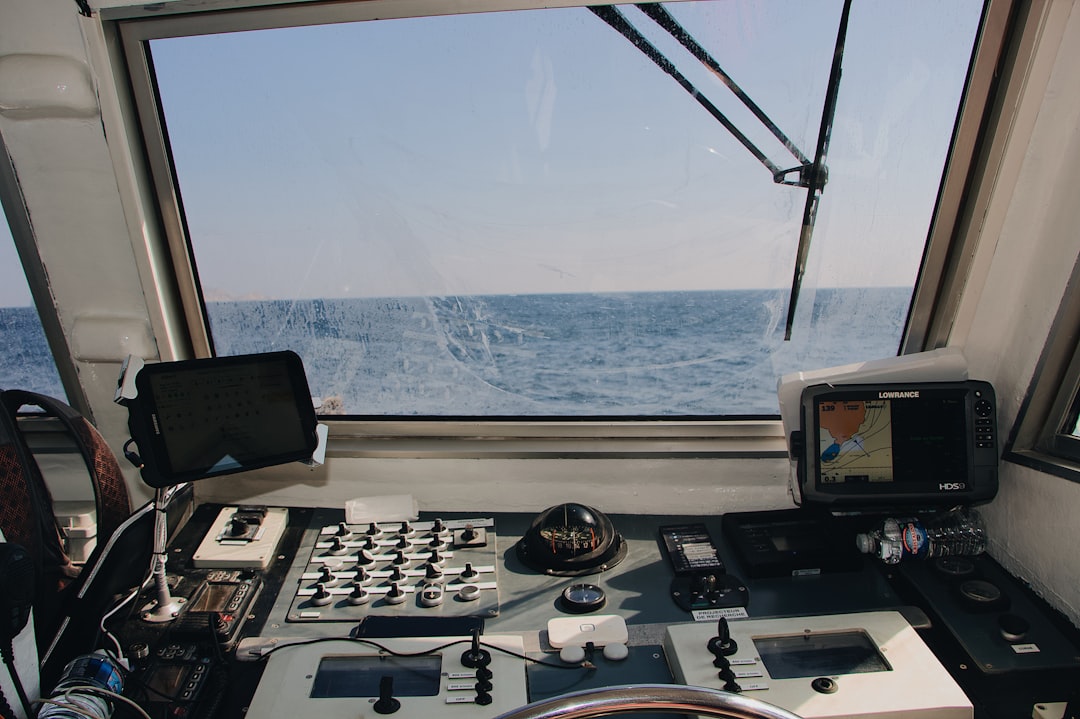
Deep sea technology plays a crucial role in understanding and exploring the vast, largely uncharted territories of the ocean. Covering more than 70% of the Earth’s surface, the deep sea is a realm filled with mysteries and potential resources that remain largely untapped. The development of advanced technologies for deep-sea exploration not only enhances scientific knowledge but also contributes to various industries, including environmental monitoring, resource extraction, and national security.
As humanity faces pressing challenges such as climate change and resource scarcity, the importance of deep sea technology becomes increasingly evident. Moreover, deep sea technology serves as a bridge between scientific inquiry and practical application. It enables researchers to gather data on oceanic conditions, marine life, and geological formations, which can inform policies and practices aimed at sustainable ocean management.
The ability to explore the depths of the ocean opens up new avenues for innovation, allowing for the development of tools and systems that can address both current and future challenges. As such, investing in deep sea technology is not merely an academic pursuit; it is a vital component of global efforts to ensure a sustainable future.
Key Takeaways
- Deep sea technology plays a crucial role in exploring and understanding the mysteries of the ocean, which covers more than 70% of the Earth’s surface.
- Dual use applications in deep sea technology have both civilian and military applications, making it a valuable asset for various industries and national security.
- Advancements in underwater robotics have revolutionized deep sea exploration, enabling more efficient and precise data collection and analysis.
- Deep sea technology is essential for environmental monitoring, helping to assess and mitigate the impact of human activities on marine ecosystems.
- The military and defense sectors benefit from deep sea technology for surveillance, reconnaissance, and strategic operations, enhancing national security and defense capabilities.
Dual Use Applications in Deep Sea Technology
The concept of dual use applications in deep sea technology refers to the potential for technologies developed for peaceful purposes to also be utilized for military or defense objectives.
For instance, technologies designed for environmental monitoring can also be adapted for surveillance or reconnaissance missions, blurring the lines between civilian and military applications.
The dual use nature of deep sea technology underscores the need for careful regulation and oversight. As nations invest in underwater capabilities, the potential for competition and conflict increases. This necessitates a balanced approach that encourages innovation while safeguarding against the risks associated with military applications.
By fostering international collaboration and establishing frameworks for responsible use, stakeholders can harness the benefits of dual use technologies while mitigating their potential threats.
Advancements in Underwater Robotics

Recent years have witnessed remarkable advancements in underwater robotics, significantly enhancing the capabilities of deep sea exploration. Autonomous underwater vehicles (AUVs) and remotely operated vehicles (ROVs) have become indispensable tools for researchers and industry professionals alike. These robotic systems are equipped with sophisticated sensors and imaging technologies that allow them to navigate challenging underwater environments, collect data, and perform tasks that would be impossible or dangerous for human divers.
The evolution of underwater robotics has also led to increased efficiency and cost-effectiveness in various applications. For example, AUVs can conduct extensive surveys of the ocean floor with minimal human intervention, reducing the time and resources required for data collection. Additionally, advancements in artificial intelligence and machine learning are enabling these robots to make real-time decisions based on their surroundings, further enhancing their operational capabilities.
As these technologies continue to evolve, they hold the promise of unlocking new frontiers in deep sea exploration and research.
Deep Sea Technology for Environmental Monitoring
| Technology | Application | Advantages |
|---|---|---|
| Autonomous Underwater Vehicles (AUVs) | Mapping ocean floor, collecting data on water temperature, salinity, and currents | Can operate in remote and harsh environments, collect data over long periods |
| Remotely Operated Vehicles (ROVs) | Inspecting and repairing underwater infrastructure, collecting samples | Can reach greater depths than human divers, perform precise tasks |
| Underwater Gliders | Monitoring ocean conditions, tracking marine life, measuring chemical properties | Energy-efficient, long-duration missions, can cover large areas |
| Underwater Sensors | Monitoring water quality, detecting pollution, studying marine ecosystems | Real-time data collection, continuous monitoring, can be deployed in arrays |
Environmental monitoring is one of the most significant applications of deep sea technology, providing critical insights into the health of marine ecosystems. With rising concerns about climate change, pollution, and habitat degradation, the ability to monitor ocean conditions has never been more important. Technologies such as underwater sensors and buoys are deployed to collect data on temperature, salinity, acidity, and other vital parameters that influence marine life.
These monitoring systems not only help scientists understand current oceanic conditions but also enable them to predict future changes.
Furthermore, this information is essential for informing policy decisions related to marine conservation and resource management.
By leveraging deep sea technology for environmental monitoring, stakeholders can take proactive measures to protect vulnerable ecosystems and ensure the sustainability of ocean resources.
Military and Defense Applications of Deep Sea Technology
The military has long recognized the strategic importance of deep sea technology, utilizing it for various defense applications. From submarine warfare to underwater surveillance, advancements in this field have transformed naval operations. Technologies such as sonar systems and underwater drones are employed to gather intelligence, monitor enemy movements, and secure maritime borders.
The ability to operate effectively in underwater environments provides a significant tactical advantage in modern warfare. However, the military applications of deep sea technology also raise ethical concerns regarding escalation and conflict. As nations invest heavily in underwater capabilities, there is a risk of an arms race in this domain.
The potential for dual use technologies to be repurposed for hostile purposes necessitates a careful examination of international regulations governing their development and deployment. Striking a balance between national security interests and global stability is essential as countries navigate the complexities of military applications in deep sea technology.
Deep Sea Technology for Oil and Gas Exploration

The oil and gas industry has been a significant driver of advancements in deep sea technology, particularly in exploration and extraction processes. As onshore reserves become depleted, companies are increasingly turning to offshore drilling as a viable alternative. Technologies such as subsea production systems and advanced drilling rigs have been developed to operate efficiently in challenging underwater environments, allowing for the extraction of valuable resources from beneath the ocean floor.
While these advancements have contributed to energy production and economic growth, they also raise environmental concerns. The potential for oil spills and habitat disruption poses significant risks to marine ecosystems. As such, there is a growing emphasis on developing sustainable practices within the industry.
Innovations in deep sea technology can play a crucial role in minimizing environmental impacts by improving safety measures and enhancing monitoring capabilities during extraction operations.
Dual Use Applications in Underwater Communication Systems
Underwater communication systems represent another area where dual use applications are prevalent in deep sea technology. These systems are essential for enabling communication between underwater vehicles, sensors, and surface vessels during exploration missions. However, the same technologies that facilitate scientific research can also be adapted for military purposes, such as secure communications between naval forces or intelligence gathering operations.
The dual nature of underwater communication systems highlights the need for robust security measures to prevent unauthorized access or interference. As nations develop advanced communication technologies for both civilian and military applications, ensuring that these systems are resilient against cyber threats becomes paramount. Collaborative efforts among stakeholders can help establish standards that promote secure communication while fostering innovation in this critical area.
Deep Sea Technology for Scientific Research
Scientific research is perhaps one of the most noble applications of deep sea technology, contributing to humanity’s understanding of marine ecosystems and geological processes. Researchers utilize advanced tools such as submersibles, AUVs, and ROVs to explore previously inaccessible areas of the ocean. These technologies enable scientists to study marine biodiversity, investigate hydrothermal vents, and assess the impacts of climate change on oceanic systems.
The insights gained from scientific research conducted using deep sea technology have far-reaching implications for conservation efforts and policy development. For instance, understanding the distribution of marine species can inform strategies for protecting endangered habitats or managing fisheries sustainably. Furthermore, discoveries made during deep sea explorations often lead to innovations in medicine, biotechnology, and materials science.
As such, investing in deep sea technology not only advances scientific knowledge but also has the potential to yield significant societal benefits.
Challenges and Limitations of Dual Use Applications in Deep Sea Technology
Despite the promising potential of dual use applications in deep sea technology, several challenges and limitations must be addressed. One significant concern is the regulatory framework governing these technologies. The dual nature of their applications complicates oversight efforts, as regulations designed for civilian use may not adequately address military implications.
This regulatory gap can lead to misuse or unintended consequences if not carefully managed. Additionally, technological limitations pose challenges to the effective implementation of dual use applications. For instance, underwater communication systems often face difficulties due to signal attenuation in water, limiting their range and reliability.
Similarly, AUVs may struggle with navigation in complex underwater terrains or extreme conditions. Overcoming these technical hurdles requires ongoing research and development efforts to enhance the capabilities of deep sea technologies while ensuring their responsible use.
Ethical Considerations in Dual Use Applications of Deep Sea Technology
The ethical implications surrounding dual use applications in deep sea technology are complex and multifaceted. On one hand, these technologies hold immense potential for advancing scientific knowledge and addressing global challenges; on the other hand, their military applications raise concerns about escalation and conflict. Stakeholders must grapple with questions regarding accountability, transparency, and the potential consequences of deploying these technologies for military purposes.
Furthermore, ethical considerations extend beyond national security concerns to include environmental impacts and social justice issues. The exploitation of deep sea resources can disproportionately affect vulnerable communities that rely on healthy marine ecosystems for their livelihoods. As such, it is essential for policymakers and industry leaders to engage with diverse stakeholders when developing regulations governing dual use technologies.
By prioritizing ethical considerations alongside technological advancements, society can work towards a more equitable and sustainable future.
The Future of Dual Use Applications in Deep Sea Technology
Looking ahead, the future of dual use applications in deep sea technology is likely to be shaped by ongoing advancements in research and innovation. As nations continue to invest in underwater capabilities, there will be increasing opportunities for collaboration between civilian researchers and military organizations. This collaboration can lead to shared knowledge and resources that enhance both scientific understanding and national security.
Moreover, emerging technologies such as artificial intelligence and machine learning are poised to revolutionize deep sea exploration further. These innovations may enable more efficient data collection and analysis while improving decision-making processes during underwater missions. However, as these technologies evolve, it will be crucial to establish frameworks that promote responsible use while addressing ethical considerations associated with dual use applications.
In conclusion, deep sea technology holds immense promise for advancing scientific knowledge and addressing global challenges across various sectors. However, its dual use nature necessitates careful consideration of regulatory frameworks, ethical implications, and technological limitations. By fostering collaboration among stakeholders and prioritizing responsible innovation, society can harness the benefits of deep sea technology while mitigating its potential risks.
Deep sea technology has garnered significant attention due to its dual-use applications, which can serve both civilian and military purposes. A related article that explores these implications in greater detail can be found at MyGeoQuest. This resource provides insights into the advancements in underwater exploration technologies and their potential impact on various sectors, highlighting the importance of responsible innovation in this rapidly evolving field.
WATCH THIS! The Map You Can’t See is Controlling the World
FAQs
What is deep sea technology?
Deep sea technology refers to the various tools, equipment, and systems designed for use in the deep sea, typically at depths of 200 meters or more. This technology enables exploration, research, and resource extraction in the deep ocean environment.
What are dual use applications of deep sea technology?
Dual use applications of deep sea technology refer to its potential for both civilian and military purposes. Civilian applications include deep sea exploration, marine research, underwater resource extraction, and environmental monitoring. Military applications may include undersea warfare, surveillance, and communication systems.
What are some examples of dual use deep sea technology?
Examples of dual use deep sea technology include remotely operated vehicles (ROVs), autonomous underwater vehicles (AUVs), deep sea sensors and monitoring systems, underwater communication systems, and subsea infrastructure for oil and gas extraction.
How does dual use deep sea technology benefit civilian applications?
Dual use deep sea technology benefits civilian applications by enabling scientific research, environmental monitoring, sustainable resource extraction, and the development of new technologies for deep sea exploration. It also supports industries such as offshore energy, fisheries, and telecommunications.
What are the concerns associated with dual use deep sea technology?
Concerns associated with dual use deep sea technology include the potential for its misuse in military operations, environmental impacts from resource extraction, and the need for international regulations to ensure responsible use and protection of the deep sea environment.