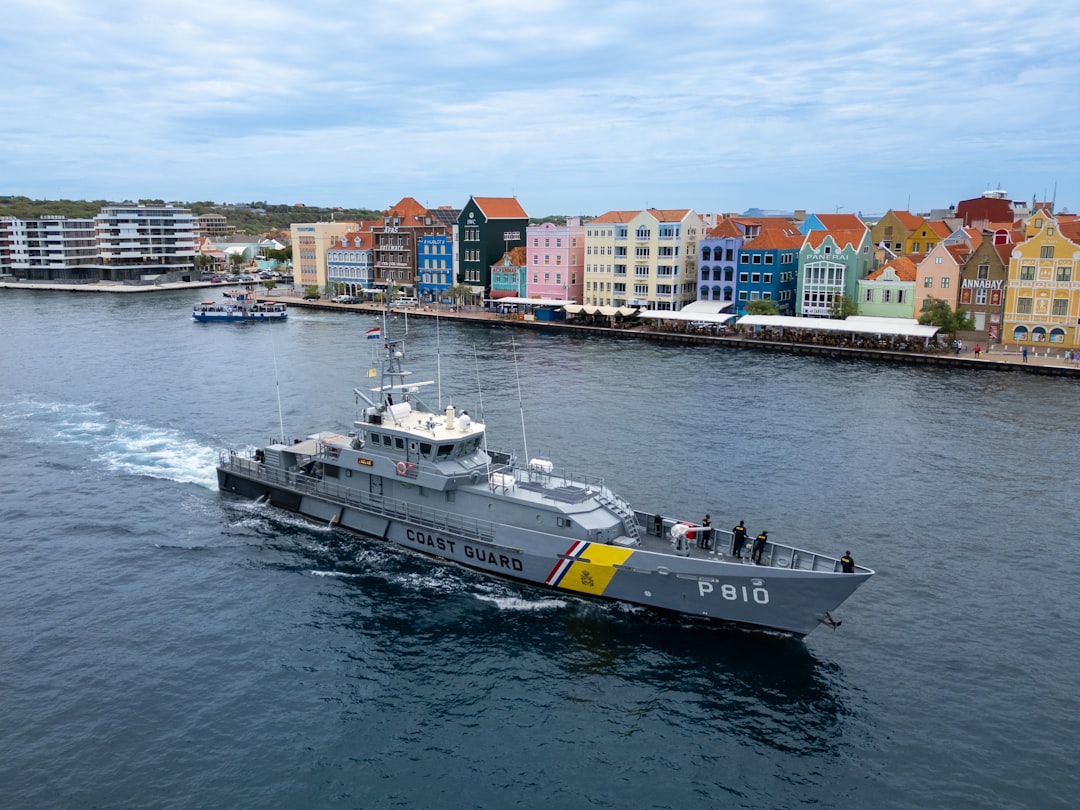
Maritime security encompasses a broad range of activities aimed at ensuring the safety and security of the world’s oceans, seas, and waterways. It involves protecting maritime interests from various threats, including piracy, terrorism, smuggling, and environmental hazards. As global trade increasingly relies on maritime transport, the significance of maintaining secure maritime routes has never been more critical.
The oceans serve as vital arteries for international commerce, with over 90% of the world’s trade being carried by sea. Consequently, the stability and security of maritime environments are paramount for economic prosperity and national security. The concept of maritime security extends beyond mere naval operations; it includes the protection of maritime infrastructure, such as ports and shipping lanes, as well as the safeguarding of marine resources.
As nations recognize the importance of securing their maritime domains, they are compelled to adopt comprehensive strategies that encompass military, legal, and diplomatic measures. The evolving nature of threats in the maritime domain necessitates a multifaceted approach that integrates various stakeholders, including governments, private sector entities, and international organizations.
Key Takeaways
- Maritime security is crucial for global trade and the protection of maritime infrastructure and assets.
- Current challenges in maritime security include piracy, terrorism, and environmental threats.
- Technology plays a significant role in enhancing maritime security through surveillance, communication, and response capabilities.
- International collaboration is essential for addressing maritime security threats and ensuring a coordinated response.
- The future of maritime security will involve the development of advanced technologies and strategies to combat evolving threats.
Current Challenges in Maritime Security
The landscape of maritime security is fraught with challenges that continue to evolve in complexity and scale. One of the most pressing issues is the rise of piracy, particularly in regions such as the Gulf of Aden and the waters off West Africa. Despite international efforts to combat this menace, piracy remains a significant threat to shipping companies and their crews.
The financial implications of piracy are staggering, with billions of dollars lost annually due to ransom payments, increased insurance costs, and heightened security measures. The unpredictability of pirate attacks creates an atmosphere of fear that can disrupt global trade routes. In addition to piracy, maritime security faces challenges from state-sponsored threats and geopolitical tensions.
Territorial disputes in regions like the South China Sea have led to increased military presence and confrontations between nations. These tensions not only threaten regional stability but also pose risks to commercial shipping operations. Furthermore, illegal fishing and trafficking activities undermine both economic interests and environmental sustainability.
The challenge lies in addressing these multifaceted threats while ensuring that maritime laws and regulations are upheld.
The Role of Technology in Enhancing Maritime Security
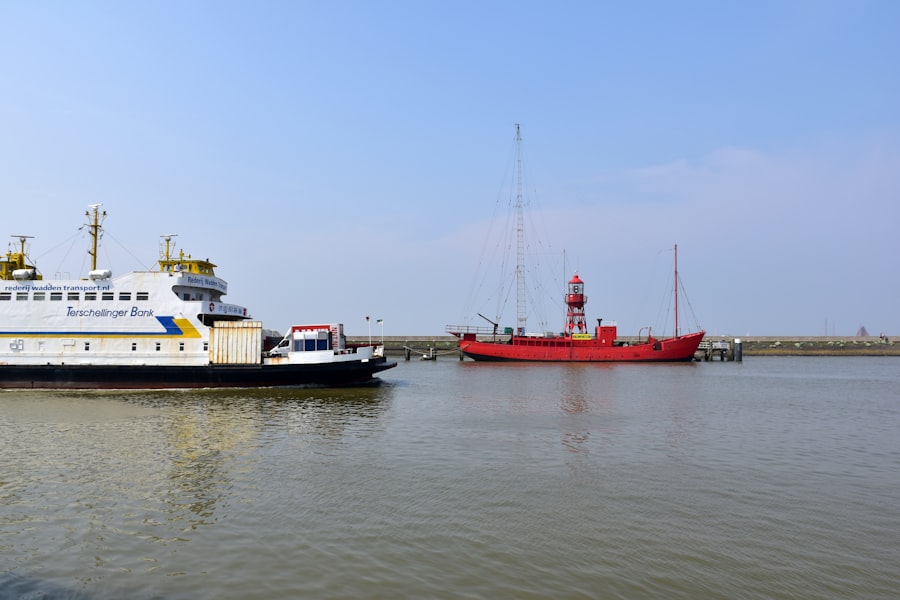
Technology plays a pivotal role in enhancing maritime security by providing innovative solutions to address emerging threats. Advanced surveillance systems, such as satellite imagery and drones, enable real-time monitoring of vast oceanic areas, allowing authorities to detect suspicious activities promptly. These technologies facilitate better situational awareness for naval forces and coast guards, enabling them to respond swiftly to potential threats.
Moreover, automated identification systems (AIS) have revolutionized vessel tracking, making it easier to monitor ship movements and identify vessels engaged in illicit activities. Cybersecurity has also emerged as a critical component of maritime security in an increasingly digital world. As shipping companies adopt digital technologies for navigation and logistics management, they become vulnerable to cyberattacks that can disrupt operations or compromise sensitive data.
Protecting maritime infrastructure from cyber threats is essential for maintaining the integrity of global supply chains. By investing in robust cybersecurity measures and fostering collaboration between technology providers and maritime stakeholders, the industry can enhance its resilience against cyber threats.
International Collaboration for Maritime Security
| Country | Number of Joint Exercises | Number of Joint Operations | Number of Information Sharing Agreements |
|---|---|---|---|
| United States | 15 | 10 | 5 |
| United Kingdom | 10 | 8 | 4 |
| France | 8 | 6 | 3 |
The interconnected nature of global trade necessitates international collaboration in addressing maritime security challenges. No single nation can effectively tackle issues such as piracy or illegal fishing alone; therefore, multilateral partnerships are essential. Organizations like the International Maritime Organization (IMO) play a crucial role in facilitating cooperation among member states by establishing legal frameworks and guidelines for maritime safety and security.
These frameworks help harmonize efforts across nations, ensuring a coordinated response to shared threats.
For instance, the Djibouti Code of Conduct brings together countries in the Horn of Africa to combat piracy and armed robbery at sea through information sharing and capacity building.
Such collaborative efforts foster trust among nations and create a unified front against common adversaries. By pooling resources and expertise, countries can develop more effective strategies to safeguard their maritime interests while promoting stability in their respective regions.
The Importance of Maritime Security for Global Trade
Maritime security is intrinsically linked to global trade, serving as a cornerstone for economic growth and development. The vast majority of goods traded internationally are transported by sea, making secure shipping routes essential for maintaining the flow of commerce. Disruptions caused by piracy, geopolitical tensions, or environmental disasters can have far-reaching consequences on supply chains, leading to increased costs and delays that ultimately affect consumers worldwide.
Moreover, the economic implications of maritime insecurity extend beyond immediate financial losses. A lack of confidence in maritime safety can deter investment in shipping and port infrastructure, stifling economic development in regions reliant on trade. Ensuring robust maritime security not only protects existing trade routes but also fosters an environment conducive to growth and innovation.
As nations prioritize maritime security, they contribute to a stable global economy that benefits all stakeholders involved.
Protecting Maritime Infrastructure and Assets
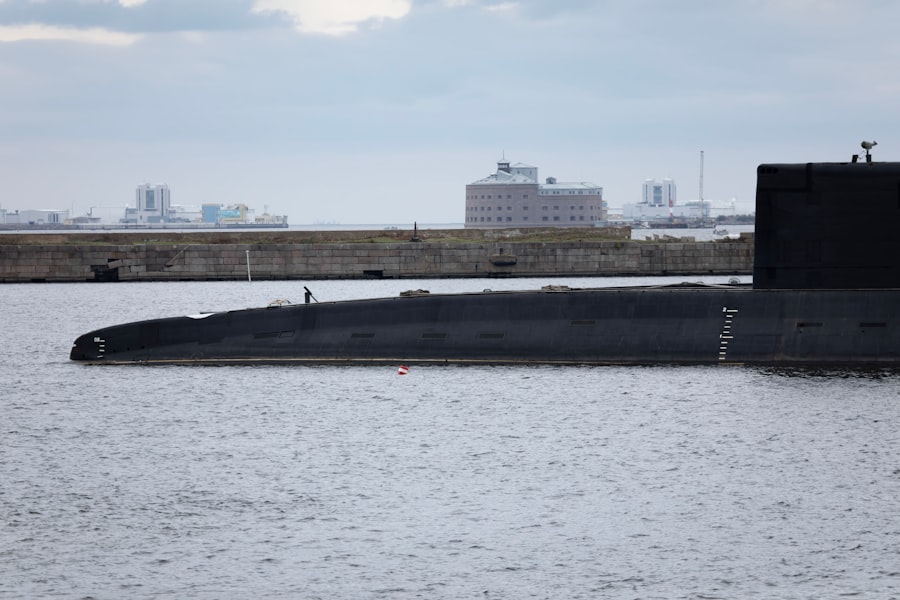
The protection of maritime infrastructure is a critical aspect of ensuring overall maritime security. Ports, shipping lanes, and offshore facilities are vital assets that require safeguarding against various threats, including terrorism and sabotage. The increasing frequency of attacks on port facilities highlights the need for enhanced security measures to protect these critical infrastructures.
Governments must invest in physical security enhancements, such as surveillance systems and access control measures, while also implementing comprehensive emergency response plans. In addition to physical security measures, fostering collaboration between public and private sectors is essential for protecting maritime assets.
By creating a culture of security awareness within the maritime industry, stakeholders can collectively enhance their resilience against potential attacks or disruptions.
Addressing Environmental Threats to Maritime Security
Environmental threats pose significant challenges to maritime security that often go overlooked in discussions focused on piracy or terrorism. Climate change has led to rising sea levels and increased frequency of extreme weather events, which can disrupt shipping routes and damage critical infrastructure. Additionally, pollution from shipping activities threatens marine ecosystems and can lead to conflicts over resources among nations.
Addressing these environmental challenges requires a proactive approach that integrates environmental sustainability into maritime security strategies. Governments must collaborate with environmental organizations to develop policies that promote responsible shipping practices while safeguarding marine resources. By prioritizing environmental protection alongside traditional security measures, nations can create a more holistic approach to maritime security that benefits both economic interests and ecological health.
The Role of Maritime Security in Combating Piracy and Terrorism
Maritime security plays a crucial role in combating piracy and terrorism on the high seas. The threat posed by pirates not only endangers crews but also disrupts global trade flows and undermines regional stability. To effectively counter this threat, nations must adopt a comprehensive strategy that includes naval patrols, intelligence sharing, and capacity building for affected countries.
Collaborative efforts among nations have proven effective in reducing piracy incidents in regions like the Gulf of Aden through coordinated naval operations. Similarly, terrorism poses a significant risk to maritime security as extremist groups may target vessels or port facilities to achieve their objectives. Protecting against such threats requires vigilance and preparedness at all levels of government and industry.
By implementing robust security protocols at ports and enhancing intelligence-sharing mechanisms among nations, stakeholders can mitigate the risks associated with terrorism while ensuring the safety of maritime operations.
Future Trends in Maritime Security
As the world continues to evolve technologically and geopolitically, future trends in maritime security will likely reflect these changes. One notable trend is the increasing reliance on artificial intelligence (AI) and machine learning for threat detection and response. These technologies can analyze vast amounts of data from various sources to identify patterns indicative of potential threats, enabling authorities to respond proactively rather than reactively.
Additionally, the growing importance of sustainability will shape future maritime security strategies. As environmental concerns become more pressing, stakeholders will need to balance economic interests with ecological preservation. This shift may lead to increased investment in green technologies for shipping operations while promoting practices that minimize environmental impact.
Strategies for Enhancing Maritime Security
To enhance maritime security effectively, a multifaceted approach is necessary that encompasses various strategies tailored to specific challenges. First and foremost, governments must prioritize investment in naval capabilities and infrastructure to ensure adequate resources are available for patrolling key shipping routes. This includes not only traditional naval forces but also coast guards equipped with modern technology for surveillance and enforcement.
Furthermore, fostering public-private partnerships is essential for creating a comprehensive security framework within the maritime industry. Shipping companies should collaborate with government agencies to share intelligence on emerging threats while developing best practices for risk management. Training programs focused on enhancing crew awareness regarding potential threats can also contribute significantly to overall maritime security.
The Way Forward for Maritime Security
The future of maritime security hinges on a collaborative approach that embraces technological advancements while addressing emerging threats holistically. As global trade continues to expand, ensuring secure shipping routes will remain paramount for economic stability and growth. By fostering international cooperation among nations and engaging stakeholders across sectors, it is possible to create a resilient framework capable of addressing both traditional challenges like piracy and modern concerns such as cyber threats.
Ultimately, the way forward for maritime security lies in recognizing its interconnectedness with broader issues such as environmental sustainability and economic development. By prioritizing comprehensive strategies that encompass all aspects of maritime security—ranging from protecting infrastructure to combating piracy—nations can work together towards a safer future on the high seas while safeguarding their economic interests for generations to come.
As the landscape of global trade continues to evolve, the future of maritime security remains a critical concern for nations and industries alike. A related article that delves into the challenges and innovations in this field can be found at this link. It explores the implications of emerging technologies and geopolitical tensions on maritime safety, providing valuable insights for stakeholders involved in maritime operations.
WATCH THIS! The Map You Can’t See is Controlling the World
FAQs
What is maritime security?
Maritime security refers to the measures taken to protect vessels, ports, and other infrastructure related to maritime transportation from threats such as piracy, terrorism, and illegal activities.
Why is maritime security important?
Maritime security is important for ensuring the safety and security of maritime trade, which accounts for the majority of global trade. It also plays a crucial role in preventing illegal activities such as smuggling and human trafficking.
What are the current challenges in maritime security?
Current challenges in maritime security include piracy, terrorism, illegal fishing, drug trafficking, and environmental threats such as oil spills and pollution.
What are some future trends in maritime security?
Future trends in maritime security include the use of advanced technology such as drones and satellite surveillance, increased international cooperation and information sharing, and the development of more robust legal frameworks for addressing maritime security threats.
How can maritime security be improved in the future?
Maritime security can be improved in the future through increased investment in technology and infrastructure, enhanced international cooperation and coordination, and the development of comprehensive and adaptive security strategies.