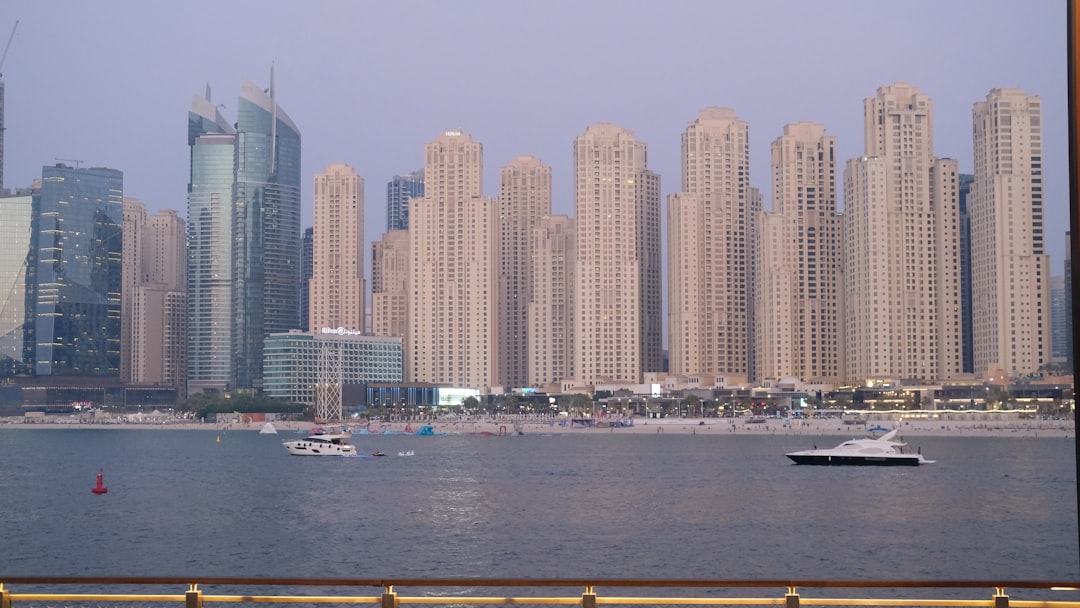
The competition for global ocean resources has intensified in recent years, driven by a confluence of factors including population growth, technological advancements, and climate change. Oceans cover more than 70% of the Earth’s surface and are home to a wealth of resources, from fish stocks to minerals and energy reserves. As nations seek to secure their share of these valuable assets, the dynamics of international relations are shifting, leading to increased tensions and disputes.
The stakes are high, as the health of marine ecosystems and the livelihoods of millions depend on how these resources are managed. In this context, understanding the complexities of ocean resource competition is crucial. It encompasses not only the economic implications but also environmental and geopolitical dimensions.
As countries vie for control over maritime territories and resources, the need for sustainable practices becomes ever more pressing. The following sections will explore the multifaceted nature of this competition, examining its causes, consequences, and potential solutions.
Key Takeaways
- Overfishing has led to a decline in global ocean resources, impacting marine ecosystems and the livelihoods of coastal communities.
- Climate change is exacerbating ocean resource competition, leading to shifts in fish populations and the loss of critical habitats.
- Maritime disputes over ocean resources are on the rise, driven by the potential for economic gain and strategic control of key sea routes.
- Sustainable management of ocean resources is crucial for ensuring the long-term health of marine ecosystems and the well-being of human populations.
- Technological advancements have both contributed to and offered solutions for ocean resource competition, from advanced fishing technologies to improved monitoring and conservation methods.
The Impact of Overfishing on Global Ocean Resources
Overfishing has emerged as one of the most pressing threats to global ocean resources. As demand for seafood continues to rise, many fish populations have been pushed to the brink of collapse. The depletion of these stocks not only threatens marine biodiversity but also jeopardizes the livelihoods of communities that depend on fishing for their sustenance and economic stability.
The consequences of overfishing extend beyond immediate economic impacts; they disrupt entire ecosystems, leading to imbalances that can take decades to rectify. Moreover, overfishing often leads to a vicious cycle where declining fish populations prompt nations to increase their fishing efforts, further exacerbating the problem. Illegal, unreported, and unregulated (IUU) fishing practices contribute significantly to this crisis, undermining conservation efforts and international regulations designed to protect marine life.
As countries grapple with the realities of overfishing, the need for effective management strategies becomes increasingly urgent. Without concerted action, the long-term viability of ocean resources hangs in the balance.
The Role of Climate Change in Ocean Resource Competition

Climate change is another critical factor influencing ocean resource competition. Rising sea temperatures, ocean acidification, and changing currents are altering marine ecosystems in profound ways. These changes not only affect fish populations but also impact the distribution of other marine resources such as coral reefs and seabed minerals.
As species migrate in response to shifting environmental conditions, competition among nations for access to these resources intensifies. Furthermore, climate change exacerbates existing challenges related to ocean resource management. For instance, extreme weather events can disrupt fishing activities and damage infrastructure, while rising sea levels threaten coastal communities and their access to marine resources.
Nations must work collaboratively to develop adaptive strategies that consider both environmental sustainability and economic resilience.
The Rise of Maritime Disputes Over Ocean Resources
| Country | Disputed Area | Resource | Impact |
|---|---|---|---|
| China | South China Sea | Fishing, Oil, Gas | Geopolitical Tensions |
| Japan | East China Sea | Fishing, Oil, Gas | Geopolitical Tensions |
| Philippines | South China Sea | Fishing, Oil, Gas | Loss of Fishing Grounds |
| Vietnam | South China Sea | Fishing, Oil, Gas | Geopolitical Tensions |
As competition for ocean resources escalates, so too does the incidence of maritime disputes. Territorial claims over rich fishing grounds, oil reserves, and mineral deposits have led to heightened tensions between nations. The South China Sea serves as a prominent example, where overlapping claims have resulted in confrontations between regional powers.
Such disputes not only threaten regional stability but also complicate efforts to manage shared resources sustainably. The rise of maritime disputes highlights the importance of clear legal frameworks governing ocean resource use. The United Nations Convention on the Law of the Sea (UNCLOS) provides a basis for resolving many of these conflicts; however, enforcement remains a challenge.
As nations assert their claims and engage in competitive behaviors, the potential for conflict increases. Diplomatic efforts and multilateral negotiations are essential in mitigating these tensions and fostering cooperation in resource management.
The Importance of Sustainable Management of Ocean Resources
Sustainable management of ocean resources is paramount in addressing the challenges posed by competition. This approach emphasizes the need to balance economic interests with environmental protection, ensuring that resources are utilized in a manner that preserves marine ecosystems for future generations. Effective management strategies can help mitigate overfishing, protect vulnerable species, and promote biodiversity.
Implementing sustainable practices requires collaboration among governments, industries, and local communities. Stakeholders must engage in dialogue to develop policies that reflect both ecological realities and socio-economic needs. By prioritizing sustainability, nations can not only secure their access to ocean resources but also contribute to global efforts aimed at preserving marine environments.
The transition towards sustainable management is not merely an option; it is an imperative for the health of oceans and the well-being of humanity.
The Influence of Technological Advancements on Ocean Resource Competition
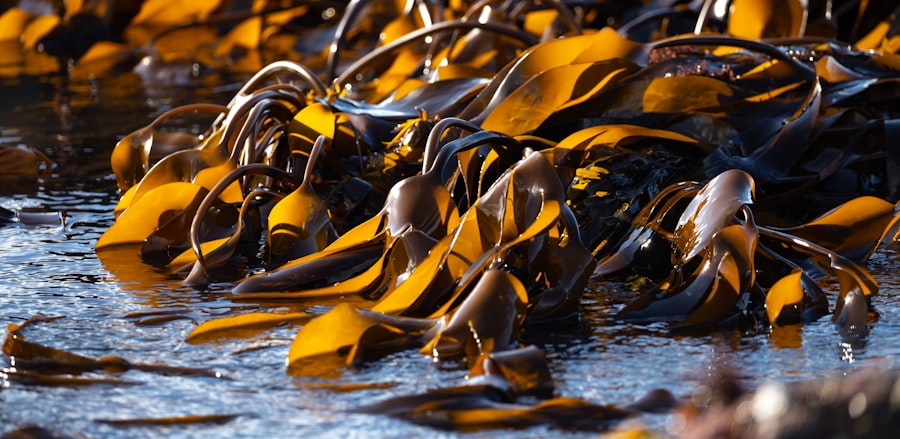
Technological advancements have significantly transformed the landscape of ocean resource competition. Innovations in fishing techniques, exploration technologies, and data analytics have enhanced nations’ abilities to locate and exploit marine resources efficiently. While these advancements can lead to increased productivity, they also raise concerns about sustainability and equitable access.
For instance, advancements in deep-sea mining technology have opened up new frontiers for resource extraction but pose risks to fragile marine ecosystems. Similarly, improved fishing technologies can exacerbate overfishing if not managed responsibly. As nations leverage technology to gain competitive advantages, it becomes crucial to establish regulations that ensure responsible use while promoting innovation.
Balancing technological progress with environmental stewardship will be key in navigating the complexities of ocean resource competition.
The Role of International Agreements in Addressing Ocean Resource Competition
International agreements play a vital role in addressing the challenges associated with ocean resource competition. Treaties such as UNCLOS provide a framework for resolving disputes and establishing guidelines for sustainable resource management. However, the effectiveness of these agreements often hinges on the willingness of nations to adhere to their commitments and cooperate on shared challenges.
In recent years, there has been a growing recognition of the need for enhanced international cooperation in managing ocean resources. Initiatives such as the Paris Agreement on climate change underscore the interconnectedness of environmental issues and highlight the importance of collective action. Strengthening international agreements and fostering collaboration among nations can help mitigate conflicts and promote sustainable practices in ocean resource management.
The Impact of Population Growth on Ocean Resource Competition
Population growth is a significant driver of increased competition for ocean resources. As the global population continues to rise, so does the demand for food, energy, and other resources derived from the oceans. This growing pressure can lead to unsustainable practices as nations strive to meet their citizens’ needs while grappling with limited marine resources.
The implications of population growth extend beyond immediate resource demands; they also influence social dynamics and geopolitical relationships. Countries with burgeoning populations may feel compelled to assert their claims over maritime territories more aggressively, leading to heightened tensions and potential conflicts. Addressing these challenges requires a multifaceted approach that considers population trends alongside sustainable resource management strategies.
The Connection Between Ocean Resource Competition and National Security
The competition for ocean resources is increasingly intertwined with national security concerns. As nations vie for control over valuable maritime territories, issues related to sovereignty and territorial integrity come to the forefront. The potential for conflict over resources can destabilize regions and create security dilemmas that extend beyond immediate territorial disputes.
Moreover, access to ocean resources is often linked to economic stability and energy security.
As such, ensuring secure access to ocean resources becomes a matter of strategic importance for many countries.
Recognizing this connection between resource competition and national security is crucial for policymakers seeking to navigate the complexities of international relations in an increasingly competitive landscape.
The Role of Non-Governmental Organizations in Addressing Ocean Resource Competition
Non-governmental organizations (NGOs) play a pivotal role in addressing the challenges associated with ocean resource competition. These organizations often serve as advocates for sustainable practices, raising awareness about environmental issues and promoting responsible resource management. Through research, education, and advocacy efforts, NGOs contribute significantly to shaping public discourse around ocean conservation.
Additionally, NGOs often facilitate collaboration among various stakeholders, including governments, industries, and local communities. By fostering dialogue and promoting best practices, they help bridge gaps between different interests and encourage cooperative approaches to resource management. The involvement of NGOs is essential in driving forward initiatives aimed at preserving marine ecosystems while addressing the competing demands placed on ocean resources.
Addressing the Challenges of Global Ocean Resource Competition
The challenges posed by global ocean resource competition are complex and multifaceted, requiring concerted efforts from all sectors of society. As nations navigate this competitive landscape shaped by overfishing, climate change, technological advancements, and population growth, the importance of sustainable management practices cannot be overstated. Collaborative approaches that prioritize environmental stewardship while addressing economic needs will be essential in ensuring the long-term viability of ocean resources.
International agreements provide a framework for cooperation but must be strengthened through active participation from all stakeholders involved. Furthermore, recognizing the interconnectedness between ocean resource competition and national security can inform more comprehensive policy responses that promote stability and peace among nations. Ultimately, addressing these challenges will require a collective commitment to sustainability and cooperation across borders.
By working together towards shared goals, nations can secure their access to vital ocean resources while safeguarding marine ecosystems for future generations. The path forward may be fraught with difficulties; however, it is one that must be undertaken if humanity is to thrive alongside its oceans.
The increasing global competition for ocean resources has significant implications for international relations and environmental sustainability. As nations vie for control over valuable marine assets, understanding the geopolitical landscape becomes crucial. For a deeper insight into this pressing issue, you can read the article on this topic at Global Competition for Ocean Resources. This article explores the various factors driving competition and the potential consequences for marine ecosystems and global governance.
WATCH THIS! The Map You Can’t See is Controlling the World
FAQs
What is global competition for ocean resources?
Global competition for ocean resources refers to the increasing demand and competition for the various resources found in the world’s oceans, including fish, minerals, energy, and other natural resources.
What are some examples of ocean resources?
Some examples of ocean resources include fish and other marine life for food, oil and gas for energy, minerals such as manganese nodules and rare earth elements, and even renewable energy sources like wind and wave power.
Why is there global competition for ocean resources?
There is global competition for ocean resources due to the growing global population and increasing demand for food, energy, and raw materials. As terrestrial resources become more scarce, there is a shift towards exploiting the resources found in the world’s oceans.
What are the potential consequences of global competition for ocean resources?
The potential consequences of global competition for ocean resources include overfishing and depletion of fish stocks, environmental degradation, conflicts over resource rights and access, and impacts on marine ecosystems and biodiversity.
How is global competition for ocean resources regulated?
Global competition for ocean resources is regulated through international agreements and organizations, such as the United Nations Convention on the Law of the Sea (UNCLOS) and regional fisheries management organizations. These agreements aim to promote sustainable use of ocean resources and prevent overexploitation.