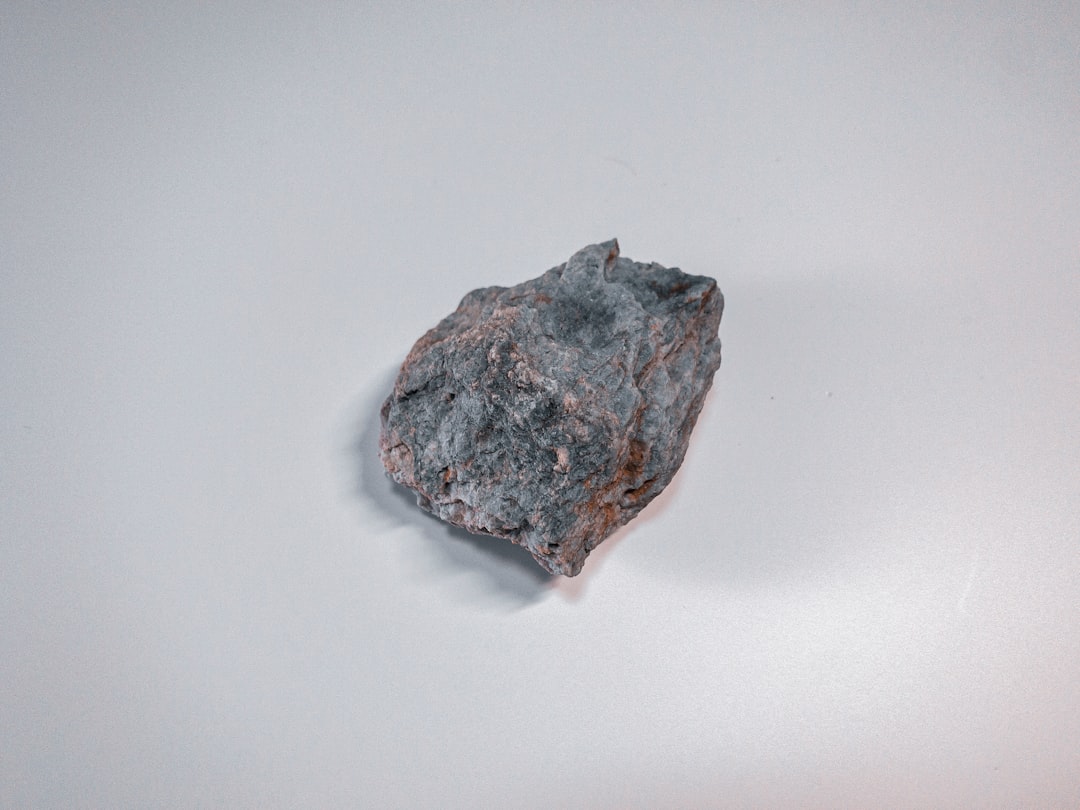
Rare Earth Elements (REEs) are a group of 17 chemically similar elements that play a crucial role in modern technology. These elements, which include lanthanum, cerium, neodymium, and dysprosium, are not actually rare in terms of their abundance in the Earth’s crust. However, their extraction and processing are complex and often economically unfeasible, leading to their classification as “rare.” REEs are essential for a wide range of applications, from electronics and renewable energy technologies to defense systems and medical devices.
Their unique properties, such as high magnetic strength and luminescence, make them indispensable in the production of high-performance magnets, phosphors, and catalysts. The growing demand for REEs has sparked interest in various sources for their extraction, including polymetallic nodules found on the ocean floor. These nodules are composed of manganese, nickel, cobalt, copper, and significant amounts of rare earth elements.
Understanding the composition and potential of these nodules is vital for addressing the increasing global demand for REEs while also considering the environmental implications of their extraction.
Key Takeaways
- Rare Earth Elements (REEs) are a group of 17 elements crucial for various high-tech applications and green technologies.
- Polymetallic nodules found on the ocean floor are rich in REEs and other valuable metals, making them an important potential source for these elements.
- Extracting REEs from polymetallic nodules poses challenges due to the complex composition and deep-sea location, requiring innovative technologies for efficient extraction.
- Innovative technologies such as bioleaching and ion exchange are being developed to overcome the challenges of extracting REEs from polymetallic nodules.
- REE extraction can have significant environmental impacts, including habitat destruction and chemical pollution, necessitating careful regulation and sustainable practices.
The Importance of Polymetallic Nodules
Polymetallic nodules are mineral formations found on the seabed, primarily in the deep ocean. They are composed of layers of manganese oxides and contain valuable metals, including nickel, copper, cobalt, and rare earth elements. The significance of these nodules lies in their potential to serve as a sustainable source of REEs and other critical metals.
As terrestrial sources of these elements become depleted or more challenging to access due to environmental regulations and geopolitical tensions, polymetallic nodules present an alternative that could alleviate some of the pressure on land-based mining operations. Moreover, the extraction of REEs from polymetallic nodules could contribute to the circular economy by providing a secondary source of materials that can be recycled and reused. This approach not only helps in meeting the growing demand for these elements but also reduces the environmental footprint associated with traditional mining practices.
As nations strive for energy independence and technological advancement, the importance of polymetallic nodules as a resource cannot be overstated.
Challenges in Extracting Rare Earth Elements from Polymetallic Nodules
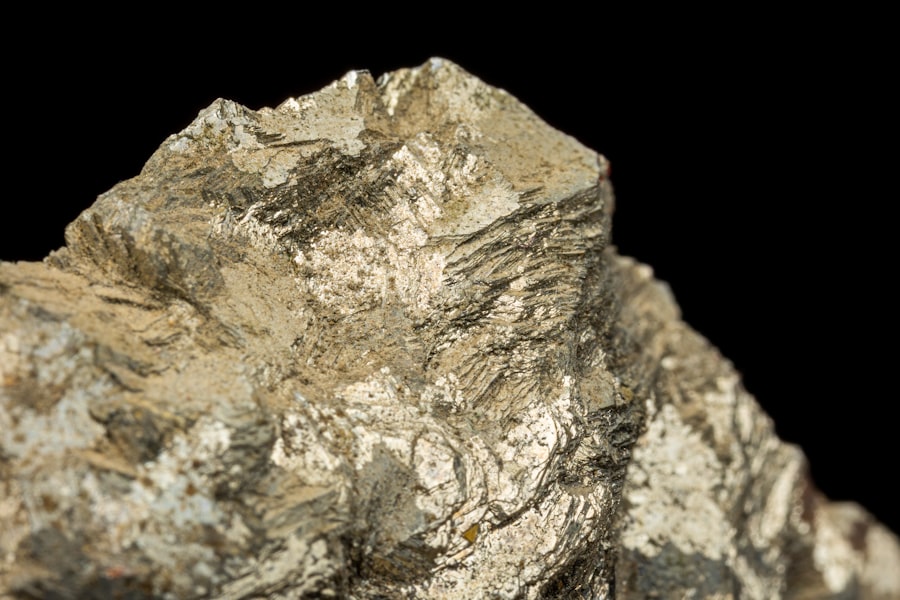
Despite the promise that polymetallic nodules hold for supplying rare earth elements, several challenges hinder their extraction. One of the primary obstacles is the technical complexity involved in deep-sea mining operations. The ocean floor is often located at depths exceeding 4,000 meters, where conditions are harsh and equipment must withstand extreme pressures and corrosive environments.
Developing technology that can efficiently and safely extract these nodules is a significant hurdle that requires substantial investment and innovation. Additionally, there are environmental concerns associated with deep-sea mining. The process can disrupt delicate marine ecosystems, potentially leading to irreversible damage to biodiversity.
Sediment plumes generated during extraction can smother marine life and alter habitats. As such, balancing the economic benefits of extracting REEs from polymetallic nodules with the need to protect marine environments presents a complex challenge for policymakers and industry stakeholders alike.
Innovative Technologies for Rare Earth Element Extraction
| Technology | Extraction Efficiency | Environmental Impact |
|---|---|---|
| Ion Exchange | High | Low |
| Solvent Extraction | Medium | Moderate |
| Bioleaching | Low | Low |
| Electrochemical Extraction | High | Low |
To overcome the challenges associated with extracting rare earth elements from polymetallic nodules, researchers and companies are exploring innovative technologies. One promising approach involves advanced robotics and automation systems designed specifically for deep-sea mining. These technologies can enhance precision in locating and extracting nodules while minimizing environmental disruption.
Autonomous underwater vehicles (AUVs) equipped with sophisticated sensors can map nodule fields and assess their composition before extraction begins. Another area of innovation lies in hydrometallurgical processes that can efficiently separate REEs from other metals found in polymetallic nodules. Techniques such as solvent extraction and bioleaching are being investigated to improve recovery rates while reducing the environmental impact associated with traditional methods.
By harnessing cutting-edge technologies, the industry aims to create a more sustainable framework for extracting valuable resources from the ocean floor.
Environmental Impacts of Rare Earth Element Extraction
The environmental impacts of extracting rare earth elements from polymetallic nodules are a significant concern that cannot be overlooked. Deep-sea ecosystems are among the least understood environments on Earth, and mining activities pose risks to their delicate balance. The removal of nodules can lead to habitat destruction, affecting species that rely on these formations for shelter and food.
Furthermore, sediment disturbance can result in long-lasting changes to ocean chemistry and biodiversity. Mitigating these environmental impacts requires comprehensive assessments and monitoring programs to understand the potential consequences of mining activities. Implementing best practices and developing environmentally friendly extraction methods will be crucial in minimizing harm to marine ecosystems.
As awareness grows regarding the importance of preserving ocean health, stakeholders must prioritize sustainable practices in their pursuit of rare earth elements.
Market Demand for Rare Earth Elements
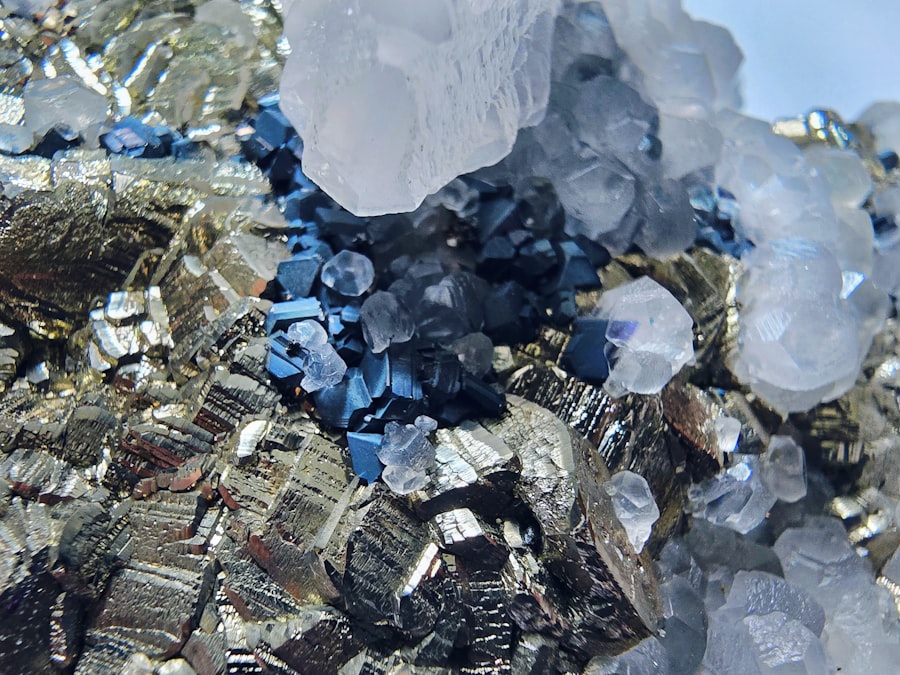
The market demand for rare earth elements has surged in recent years due to their critical role in various industries. The rise of electric vehicles (EVs), renewable energy technologies such as wind turbines and solar panels, and advanced electronics has driven an insatiable appetite for REEs. For instance, neodymium is essential for manufacturing powerful magnets used in EV motors, while dysprosium enhances the performance of these magnets at high temperatures.
As countries transition towards greener technologies and seek to reduce reliance on fossil fuels, the demand for REEs is expected to continue its upward trajectory. This growing market presents both opportunities and challenges for suppliers as they navigate fluctuating prices and geopolitical factors that influence access to these critical materials. Understanding market dynamics will be essential for stakeholders looking to capitalize on the burgeoning demand for rare earth elements.
Potential Applications of Rare Earth Elements
Rare earth elements have a wide array of applications that extend beyond traditional uses in electronics and energy technologies. In addition to their role in manufacturing high-performance magnets and phosphors, REEs are increasingly being utilized in medical imaging devices, catalysts for petroleum refining, and even in military applications such as missile guidance systems. Their unique properties enable advancements across various sectors, making them indispensable in modern society.
Furthermore, ongoing research is uncovering new applications for REEs that could further drive demand. For example, scientists are exploring their potential use in advanced battery technologies that could enhance energy storage capabilities. As innovation continues to unfold, the versatility of rare earth elements positions them as key players in shaping future technological advancements.
International Collaboration in Rare Earth Element Research
Given the global nature of rare earth element supply chains and the shared challenges associated with their extraction, international collaboration is becoming increasingly important. Countries around the world recognize that addressing issues related to REEs requires collective efforts in research, technology development, and policy formulation. Collaborative initiatives can facilitate knowledge sharing among nations, leading to more effective strategies for sustainable extraction practices.
International partnerships can also help establish standards for environmental protection during mining operations. By working together, countries can develop frameworks that prioritize ecological preservation while ensuring access to critical resources. Such collaboration not only enhances scientific understanding but also fosters diplomatic relations among nations with shared interests in rare earth element research.
Regulatory and Policy Considerations for Rare Earth Element Extraction
The regulatory landscape surrounding rare earth element extraction is complex and varies significantly across different jurisdictions. Policymakers face the challenge of balancing economic interests with environmental protection and social responsibility. Establishing clear regulations that govern deep-sea mining activities is essential to ensure sustainable practices while promoting investment in this emerging sector.
Moreover, international agreements may play a crucial role in shaping policies related to rare earth element extraction from polymetallic nodules. Collaborative frameworks can help address issues such as resource ownership, environmental standards, and equitable sharing of benefits among nations involved in mining activities. As stakeholders navigate this evolving regulatory landscape, proactive engagement with policymakers will be vital to ensure responsible practices that align with global sustainability goals.
Economic Opportunities in Rare Earth Element Mining
The economic opportunities presented by rare earth element mining are significant, particularly as global demand continues to rise. Countries with access to polymetallic nodules stand to benefit from developing this resource through job creation, technological innovation, and increased revenue streams. The establishment of a robust supply chain for REEs can stimulate local economies while contributing to national energy security.
Furthermore, investments in research and development related to rare earth element extraction can lead to technological advancements that enhance efficiency and reduce costs. As companies seek to capitalize on this growing market, fostering partnerships between industry stakeholders, governments, and research institutions will be essential for unlocking the full economic potential of rare earth element mining.
The Future of Rare Earth Element Extraction from Polymetallic Nodules
Looking ahead, the future of rare earth element extraction from polymetallic nodules appears promising yet fraught with challenges. As technology advances and environmental considerations become more prominent, stakeholders must navigate a complex landscape that balances economic interests with ecological sustainability. The development of innovative extraction methods will be crucial in ensuring that mining activities do not compromise marine ecosystems.
Moreover, as global demand for REEs continues to rise, international collaboration will play a pivotal role in shaping the future of this industry. By working together to establish best practices and regulatory frameworks, nations can ensure that rare earth element extraction from polymetallic nodules contributes positively to both economic growth and environmental stewardship. Ultimately, the path forward will require a commitment to sustainability and responsible resource management as society seeks to harness the potential of these valuable materials for future generations.
Polymetallic nodules, which are rich in rare earth elements, have garnered significant attention due to their potential as a resource for sustainable technology. For a deeper understanding of the geological and economic implications of these nodules, you can read more in this related article on MyGeoQuest: mygeoquest.
com/’>MyGeoQuest. This resource provides valuable insights into the extraction processes and the environmental considerations associated with mining these unique underwater formations.
WATCH THIS! The Map You Can’t See is Controlling the World
FAQs
What are rare earth elements (REEs)?
Rare earth elements (REEs) are a group of 17 chemical elements in the periodic table, including scandium, yttrium, and the 15 lanthanides. They are essential for the production of high-tech devices, including smartphones, electric vehicles, and renewable energy technologies.
What are polymetallic nodules?
Polymetallic nodules are small, potato-shaped mineral concretions found on the seabed of the world’s oceans. They contain high concentrations of valuable metals, including nickel, copper, cobalt, and rare earth elements.
Why are rare earth elements found in polymetallic nodules significant?
Rare earth elements found in polymetallic nodules are significant because they offer an alternative source of these critical elements outside of traditional mining operations on land. This could help diversify the global supply chain for rare earth elements and reduce the environmental impact of mining.
Where are polymetallic nodules found?
Polymetallic nodules are found in the deep seabed of the Pacific, Atlantic, and Indian Oceans, particularly in areas known as the Clarion-Clipperton Zone and the Peru Basin.
How are rare earth elements extracted from polymetallic nodules?
There are several proposed methods for extracting rare earth elements from polymetallic nodules, including hydraulic mining, in which nodules are lifted from the seabed using water jets, and in-situ leaching, which involves dissolving the nodules in place and pumping the resulting slurry to the surface for processing.
What are the environmental concerns associated with extracting rare earth elements from polymetallic nodules?
Environmental concerns associated with extracting rare earth elements from polymetallic nodules include potential damage to deep-sea ecosystems, the release of sediment plumes during mining operations, and the disturbance of carbon storage in the seabed. Researchers are working to develop sustainable and environmentally responsible methods for nodule extraction.