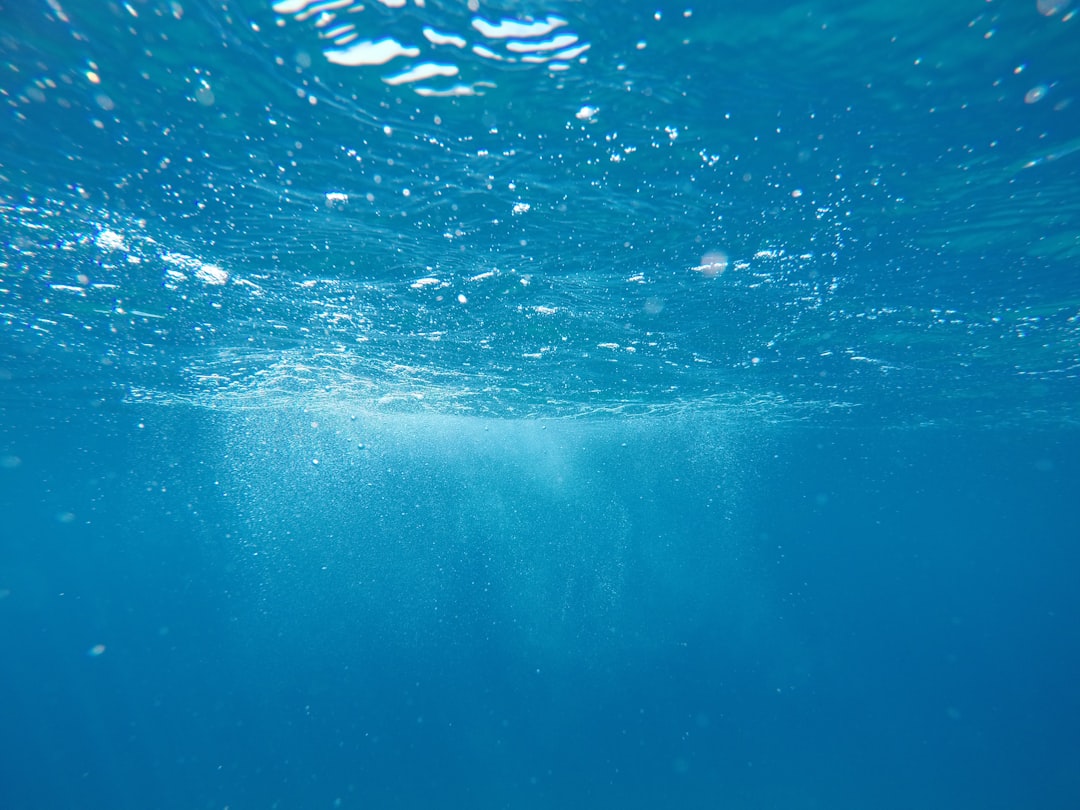
The deep sea, often referred to as the final frontier on Earth, remains one of the most enigmatic and least explored environments on the planet. Covering over 60% of the Earth’s surface, these unmapped regions are characterized by extreme conditions, including high pressure, low temperatures, and complete darkness. Despite their vastness, much of the deep sea remains a mystery, with only a fraction of its depths having been explored and charted.
This uncharted territory is home to a myriad of geological formations, underwater mountains, and trenches that have yet to be fully understood or documented. The allure of the deep sea lies not only in its physical characteristics but also in the potential discoveries that await within its depths. Scientists and researchers are captivated by the possibility of uncovering new ecosystems, unique geological features, and even ancient shipwrecks that tell stories of human history.
The deep sea is a realm where life has adapted in extraordinary ways, leading to the existence of bizarre and fascinating organisms that challenge our understanding of biology and evolution. As technology advances, the quest to map these unmapped regions becomes increasingly feasible, promising to unveil secrets that have remained hidden for centuries.
Key Takeaways
- The unmapped deep sea regions hold a fascinating world of mystery and unknown creatures waiting to be discovered.
- Exploring unmapped deep sea regions is important for understanding the Earth’s ecosystems and biodiversity.
- Deep sea exploration comes with challenges and risks such as extreme pressure, darkness, and unknown terrain.
- Technologies such as sonar mapping and autonomous underwater vehicles are used to map unexplored deep sea regions.
- Unmapped deep sea regions are home to a diverse range of marine life, including potential new species waiting to be discovered.
The Importance of Exploring Unmapped Deep Sea Regions
Exploring unmapped deep sea regions is crucial for several reasons, not least of which is the potential for scientific advancement. Understanding these areas can provide insights into climate change, ocean currents, and the overall health of marine ecosystems. The deep sea plays a vital role in regulating the Earth’s climate by sequestering carbon and influencing weather patterns.
By studying these regions, scientists can gain a better understanding of how changes in oceanic conditions affect global climate systems. Moreover, the exploration of unmapped deep sea regions holds significant implications for biodiversity conservation. Many species found in these depths are endemic and may be vulnerable to human activities such as deep-sea mining and overfishing.
By mapping these areas, researchers can identify critical habitats that require protection and develop strategies to mitigate human impact. The knowledge gained from such explorations can inform policy decisions and promote sustainable practices that safeguard marine life for future generations.
Challenges and Risks of Deep Sea Exploration
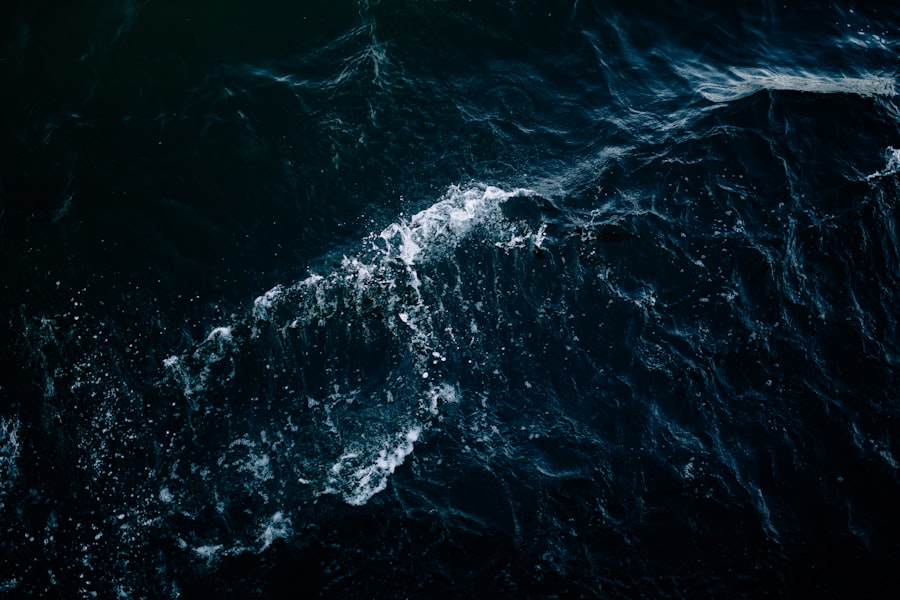
Despite the promise of discovery, deep sea exploration is fraught with challenges and risks that can deter even the most seasoned researchers. One of the primary obstacles is the extreme environment itself.
Additionally, the cold temperatures and lack of light present further complications for both human divers and robotic explorers. Safety is another significant concern in deep sea exploration. The isolation of these environments means that any accidents or malfunctions can have dire consequences.
Rescue operations are complicated by the depth and remoteness of these regions, making it imperative for researchers to take extensive precautions before embarking on an expedition. Furthermore, navigating the unpredictable nature of ocean currents and weather patterns adds another layer of complexity to deep sea missions.
Technologies Used in Mapping Unexplored Deep Sea Regions
| Technology | Application |
|---|---|
| Multi-beam sonar | High-resolution mapping of the seafloor |
| Autonomous Underwater Vehicles (AUVs) | Exploration of deep-sea areas |
| Remotely Operated Vehicles (ROVs) | Sample collection and visual inspection |
| Side-scan sonar | Imaging of large areas of the seafloor |
| Sub-bottom profilers | Mapping of sediment layers beneath the seafloor |
Advancements in technology have revolutionized the way scientists approach deep sea exploration. One of the most significant tools in this endeavor is sonar mapping, which uses sound waves to create detailed images of the seafloor. Multibeam sonar systems can cover large areas quickly, providing valuable data on underwater topography and geological features.
This technology has enabled researchers to identify previously unknown underwater mountains, valleys, and other formations. In addition to sonar mapping, remotely operated vehicles (ROVs) and autonomous underwater vehicles (AUVs) have become essential for exploring unmapped regions. These robotic devices are equipped with cameras and sensors that allow them to capture high-resolution images and collect samples from the ocean floor.
ROVs can be operated from a ship’s surface, while AUVs can navigate autonomously, making them ideal for surveying vast areas without direct human intervention. Together, these technologies are transforming our understanding of the deep sea and paving the way for future explorations.
Biodiversity and Marine Life in Unmapped Deep Sea Regions
The biodiversity found in unmapped deep sea regions is astonishing and often defies imagination. Scientists estimate that millions of species inhabit these depths, many of which remain undiscovered. From bioluminescent organisms that light up the dark waters to giant squids lurking in the shadows, the variety of life forms is as diverse as it is intriguing.
These creatures have evolved unique adaptations to survive in extreme conditions, showcasing nature’s resilience and creativity.
These environments support life forms that thrive on chemosynthesis rather than photosynthesis, relying on chemicals from the Earth’s crust instead of sunlight for energy.
Such ecosystems challenge traditional notions of life and highlight the importance of exploring these regions to understand the full spectrum of biodiversity on our planet.
Potential for Discovering New Species in Unmapped Deep Sea Regions
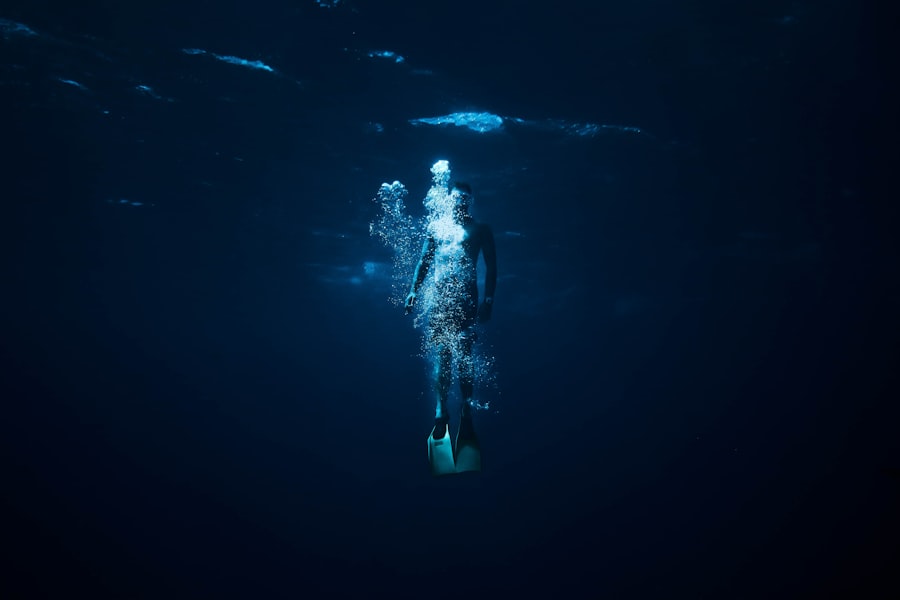
The potential for discovering new species in unmapped deep sea regions is immense. Each expedition into these depths has yielded surprising findings, with researchers frequently encountering organisms that have never been seen before. The unique adaptations required for survival in such extreme environments often lead to the emergence of entirely new species that contribute to our understanding of evolution and biodiversity.
As technology continues to improve, scientists are optimistic about uncovering even more hidden treasures within the deep sea. Genetic analysis techniques allow researchers to identify species based on DNA samples collected during explorations, further enhancing their ability to catalog new discoveries. The prospect of finding new species not only excites biologists but also has implications for medicine and biotechnology, as many marine organisms possess unique compounds that could lead to groundbreaking treatments.
Geological and Geophysical Features of Unexplored Deep Sea Regions
Unmapped deep sea regions are characterized by a diverse array of geological and geophysical features that offer insights into Earth’s history and processes. Submarine volcanoes, tectonic plate boundaries, and underwater mountain ranges are just a few examples of the dynamic landscapes found beneath the waves. These features play a crucial role in shaping ocean currents and influencing marine ecosystems.
Studying these geological formations can also provide valuable information about past climate conditions and tectonic activity. For instance, sediment cores taken from the ocean floor can reveal historical data about climate change over millennia. Understanding these processes is essential for predicting future changes in our environment and preparing for potential natural disasters such as tsunamis or volcanic eruptions.
Environmental Impact of Deep Sea Exploration
While deep sea exploration holds great promise for scientific discovery, it also raises concerns about environmental impact. The delicate ecosystems found in these depths can be easily disrupted by human activities such as mining or drilling for oil and gas. Disturbances caused by exploration can lead to habitat destruction, loss of biodiversity, and long-term ecological consequences.
To mitigate these impacts, it is essential for researchers and policymakers to establish guidelines for responsible exploration practices. This includes conducting environmental assessments before embarking on expeditions and implementing measures to minimize disturbances to marine life. By prioritizing sustainability in deep sea exploration efforts, it is possible to balance scientific advancement with environmental stewardship.
Collaborative Efforts in Mapping Unmapped Deep Sea Regions
Collaboration among scientists, governments, and organizations is vital for effectively mapping unmapped deep sea regions. International partnerships enable researchers to share resources, knowledge, and expertise while pooling funding for large-scale exploration projects. Initiatives such as the Seabed 2030 project aim to create a comprehensive map of the world’s ocean floor by bringing together data from various sources and stakeholders.
These collaborative efforts not only enhance scientific understanding but also promote global awareness about the importance of ocean conservation. By working together across borders, researchers can address common challenges related to deep sea exploration while fostering a sense of shared responsibility for protecting marine environments.
Economic and Scientific Benefits of Mapping Unexplored Deep Sea Regions
Mapping unexplored deep sea regions offers significant economic and scientific benefits that extend beyond mere curiosity. The information gained from these explorations can lead to advancements in various fields such as medicine, biotechnology, and renewable energy sources. For instance, discovering new marine organisms may yield compounds with pharmaceutical potential or contribute to innovations in sustainable practices.
Additionally, understanding the resources available in these depths can inform responsible management practices for fisheries and mineral extraction industries. By identifying critical habitats and assessing their ecological significance, policymakers can develop strategies that balance economic interests with environmental protection.
Future of Exploration in Unmapped Deep Sea Regions
The future of exploration in unmapped deep sea regions looks promising as technology continues to advance at an unprecedented pace. Innovations in robotics, artificial intelligence, and data analysis are set to revolutionize how scientists approach deep sea research. With increased funding and international collaboration, there is hope that more comprehensive mapping efforts will take place in the coming years.
As awareness grows about the importance of ocean conservation and sustainable practices, society’s interest in exploring these depths will likely increase as well. The mysteries held within unmapped deep sea regions beckon adventurers and scientists alike, promising discoveries that could reshape our understanding of life on Earth while emphasizing the need for stewardship over our planet’s precious marine resources.
Exploring the unmapped areas of the deep sea is crucial for understanding marine biodiversity and ecosystem health. A related article that delves into the significance of these unexplored regions can be found at this link. It highlights the challenges and advancements in deep-sea exploration, shedding light on the mysteries that lie beneath the ocean’s surface.
WATCH THIS! The Map You Can’t See is Controlling the World
FAQs
What are unmapped areas of the deep sea?
Unmapped areas of the deep sea refer to regions of the ocean floor that have not been fully explored or mapped by researchers. These areas are often characterized by extreme depths, high pressure, and limited access, making them challenging to study.
Why are unmapped areas of the deep sea important?
Unmapped areas of the deep sea are important because they represent some of the least understood and most mysterious parts of the Earth’s oceans. They may contain unique ecosystems, geological features, and potential resources that could have significant scientific, environmental, and economic value.
What challenges are associated with mapping unmapped areas of the deep sea?
Challenges associated with mapping unmapped areas of the deep sea include the extreme depths, high pressure, and harsh environmental conditions that make it difficult for researchers to access and study these regions. Additionally, technological limitations and the high cost of deep-sea exploration present significant obstacles.
How are researchers working to map unmapped areas of the deep sea?
Researchers are working to map unmapped areas of the deep sea using a variety of advanced technologies, including autonomous underwater vehicles (AUVs), remotely operated vehicles (ROVs), and sophisticated sonar and mapping systems. These tools allow scientists to explore and map deep-sea regions with greater precision and detail.
What are the potential benefits of mapping unmapped areas of the deep sea?
Mapping unmapped areas of the deep sea could lead to the discovery of new species, geological formations, and valuable resources. It could also provide valuable insights into the functioning of deep-sea ecosystems, the impacts of human activities on the ocean, and the potential for sustainable use of deep-sea resources.