
Undersea cables, often referred to as submarine cables, are the unsung heroes of global communication. These intricate networks of fiber-optic cables lie on the ocean floor, connecting continents and enabling the seamless exchange of data across vast distances. The first undersea cable was laid in the mid-19th century, marking a significant milestone in telecommunications.
Since then, the technology has evolved dramatically, with modern cables capable of transmitting terabits of data per second. This evolution has been pivotal in shaping the digital landscape, facilitating everything from international business transactions to social media interactions. The sheer scale of undersea cable networks is staggering.
As of 2023, there are over 400 active submarine cables spanning more than 1.2 million kilometers across the world’s oceans. These cables not only support internet connectivity but also play a crucial role in global financial systems, cloud computing, and even scientific research. The importance of these cables cannot be overstated; they are the backbone of the internet, enabling real-time communication and data transfer that underpin modern society.
Key Takeaways
- Undersea cables are essential for global communication and data transmission, connecting continents and enabling internet and phone connectivity.
- The importance of undersea cables lies in their role as the backbone of international communication, supporting trillions of dollars in daily financial transactions and enabling global trade and commerce.
- Undersea cables are vulnerable to natural threats such as earthquakes, tsunamis, and underwater landslides, which can disrupt or damage the cables.
- Human threats to undersea cables include fishing and shipping activities, as well as intentional sabotage and theft, which can result in severe disruptions to global communication networks.
- Damage to undersea cables can have a significant impact on global communication, causing internet outages, financial losses, and disruptions to emergency services and military operations.
Importance of Undersea Cables
The significance of undersea cables extends beyond mere connectivity; they are vital for economic growth and development. In an increasingly digital world, countries rely on these cables to facilitate trade, enhance communication, and foster innovation. For instance, businesses depend on reliable internet connections to operate efficiently, and any disruption in service can lead to substantial financial losses.
Moreover, undersea cables enable emerging economies to participate in the global market by providing access to information and resources that were previously out of reach. In addition to economic implications, undersea cables also play a crucial role in national security. Governments recognize that a stable and secure internet infrastructure is essential for maintaining sovereignty and protecting sensitive information.
The ability to communicate securely across borders is paramount for diplomatic relations and defense strategies. As such, the presence of robust undersea cable networks is not only a matter of convenience but also a strategic necessity for nations around the globe.
Vulnerabilities of Undersea Cables
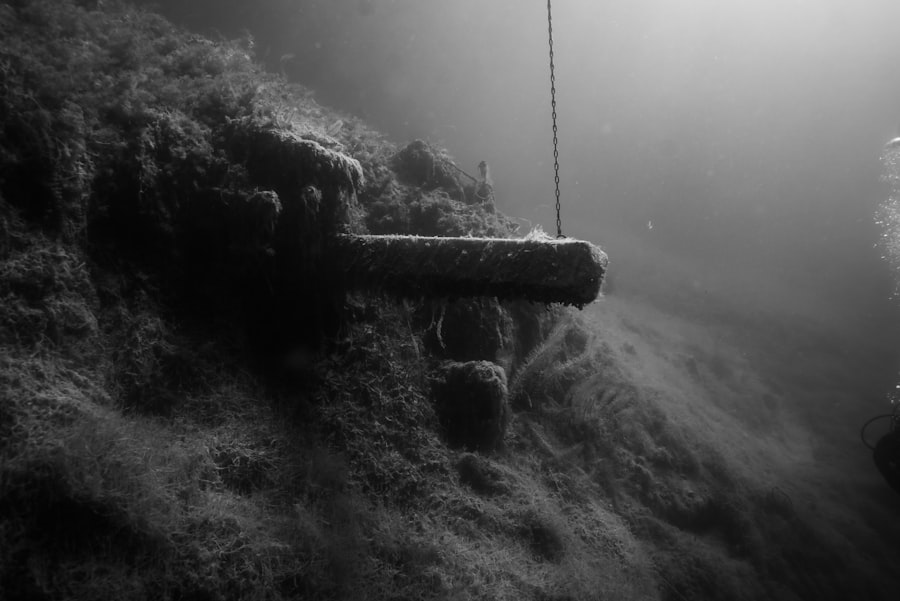
Despite their critical importance, undersea cables are not without vulnerabilities. The very nature of their installation—often laid on the ocean floor—exposes them to various risks that can compromise their integrity. One of the primary concerns is physical damage caused by natural phenomena or human activities.
Fishing trawlers, shipping anchors, and even natural disasters can inadvertently sever or damage these cables, leading to significant disruptions in service. Moreover, undersea cables are susceptible to cyber threats. As the world becomes increasingly interconnected, the potential for malicious actors to target these vital infrastructures grows.
Cyberattacks can range from attempts to intercept data being transmitted through the cables to more sophisticated efforts aimed at disrupting services entirely. The dual threat of physical and cyber vulnerabilities necessitates a comprehensive approach to safeguarding these essential components of global communication.
Natural Threats to Undersea Cables
| Natural Threats to Undersea Cables | Description |
|---|---|
| Earthquakes | Undersea earthquakes can cause the seabed to shift, potentially damaging undersea cables. |
| Volcanic Activity | Volcanic eruptions can release hot lava and gases that can damage undersea cables. |
| Landslides | Landslides on the ocean floor can disrupt undersea cables and cause damage. |
| Tsunamis | Tsunamis can generate powerful underwater currents that may damage undersea cables. |
Natural threats pose a significant risk to the integrity of undersea cables. The ocean is a dynamic environment where geological activity can lead to unforeseen challenges. Earthquakes and underwater landslides can cause substantial damage to submarine cables, severing connections and disrupting communication channels.
For instance, the 2011 Tōhoku earthquake in Japan resulted in extensive damage to several undersea cables, highlighting the fragility of these systems in the face of natural disasters. Additionally, marine life can inadvertently contribute to the degradation of undersea cables. Certain species, such as sharks and other large fish, have been known to bite into cables, causing damage that can lead to service interruptions.
Furthermore, the growth of marine vegetation can entangle cables, leading to wear and tear over time. These natural threats underscore the need for ongoing monitoring and maintenance to ensure that undersea cables remain functional and resilient against environmental challenges.
Human Threats to Undersea Cables
Human activities also pose significant threats to undersea cables. One of the most common causes of damage is fishing operations.
In some cases, fishermen may not even be aware that they are damaging critical infrastructure while pursuing their livelihoods. This unintentional harm highlights the need for better awareness and education regarding the locations of undersea cables. Moreover, deliberate acts of sabotage or vandalism can threaten these vital communication links.
Geopolitical tensions can lead to targeted attacks on undersea infrastructure as adversaries seek to disrupt communication channels. Such actions not only have immediate consequences for affected regions but can also escalate into broader conflicts if left unchecked. The potential for human-induced threats necessitates robust security measures and international cooperation to protect these essential assets.
Impact of Undersea Cable Damage
The impact of damage to undersea cables can be profound and far-reaching. When a cable is severed or compromised, it can lead to significant disruptions in internet service for entire regions or countries. This disruption can affect businesses, government operations, and individual users alike, resulting in economic losses and diminished productivity.
For example, when a major cable was damaged off the coast of Egypt in 2008, it caused widespread internet outages across several countries in the Middle East and North Africa. In addition to immediate service disruptions, damage to undersea cables can have long-term implications for global communication networks. The interconnected nature of these systems means that a single point of failure can create a ripple effect throughout the entire network.
This interconnectedness underscores the importance of redundancy in cable systems; having multiple routes for data transmission can help mitigate the impact of any single cable failure.
Protection and Maintenance of Undersea Cables
To safeguard against potential threats, ongoing protection and maintenance of undersea cables are essential. Cable operators employ various strategies to monitor the health and integrity of their systems. Regular inspections using remotely operated vehicles (ROVs) allow for real-time assessments of cable conditions and identification of potential issues before they escalate into major problems.
Additionally, advancements in technology have led to improved monitoring systems that can detect anomalies in cable performance. These systems can alert operators to potential damage or disruptions, enabling swift responses to mitigate impacts on service continuity. Furthermore, collaboration with maritime organizations helps raise awareness among fishermen and shipping companies about the locations of undersea cables, reducing the risk of accidental damage.
International Cooperation for Undersea Cable Security
Given the global nature of undersea cable networks, international cooperation is crucial for ensuring their security and resilience. Countries must work together to establish protocols for protecting these vital infrastructures from both natural and human threats. Collaborative efforts can include sharing information about potential risks, coordinating responses to incidents, and developing best practices for cable maintenance.
International organizations play a pivotal role in facilitating this cooperation.
By fostering collaboration across borders, nations can better protect their shared interests in maintaining secure and reliable communication networks.
Future Challenges for Undersea Cables
As technology continues to evolve, so too do the challenges facing undersea cables. The increasing demand for data transmission necessitates ongoing investments in infrastructure development and upgrades. New technologies such as 5G and advancements in cloud computing will place additional pressure on existing cable networks, requiring operators to adapt quickly to changing needs.
Moreover, climate change poses an emerging threat to undersea cables as rising sea levels and increased storm intensity may impact cable installations along coastlines. The potential for more frequent natural disasters necessitates proactive planning and investment in resilient infrastructure that can withstand environmental changes over time.
Advancements in Undersea Cable Technology
Despite these challenges, advancements in undersea cable technology offer promising solutions for enhancing capacity and resilience. Innovations such as wavelength division multiplexing (WDM) allow multiple data streams to be transmitted simultaneously over a single fiber-optic cable, significantly increasing bandwidth without requiring additional physical infrastructure. Furthermore, research into new materials and designs aims to improve cable durability against environmental threats while reducing installation costs.
These advancements not only enhance performance but also contribute to more sustainable practices within the telecommunications industry by minimizing resource consumption during production.
Ensuring the Security of Undersea Cables
In conclusion, undersea cables are indispensable components of global communication networks that require vigilant protection against various threats. Their importance extends beyond connectivity; they are vital for economic growth, national security, and international cooperation. As vulnerabilities persist—both from natural phenomena and human activities—ongoing efforts must be made to safeguard these critical infrastructures.
The future of undersea cables will undoubtedly present new challenges; however, advancements in technology offer hope for enhanced resilience and capacity. By fostering international collaboration and investing in innovative solutions, stakeholders can work together to ensure that undersea cables continue to serve as reliable conduits for global communication well into the future.
Undersea cables are critical for global internet connectivity, but their vulnerability to various threats has become a pressing concern. For a deeper understanding of this issue, you can read the article on MyGeoQuest that delves into the risks associated with undersea cables and the implications for global communication. Check it out here: MyGeoQuest.
WATCH THIS! The Map You Can’t See is Controlling the World
FAQs
What are undersea cables?
Undersea cables are cables laid on the ocean floor that carry telecommunications and internet traffic between continents.
Why are undersea cables vulnerable?
Undersea cables are vulnerable to damage from natural disasters, such as earthquakes and tsunamis, as well as human activities, such as fishing, anchoring, and drilling.
How are undersea cables protected?
Undersea cables are protected by burying them in the seabed, using armored and waterproof materials, and implementing security measures to prevent damage from human activities.
What are the consequences of undersea cable damage?
Damage to undersea cables can disrupt internet and telecommunications services, leading to communication outages, financial losses, and impacts on global connectivity.
How are undersea cable vulnerabilities being addressed?
Undersea cable vulnerabilities are being addressed through improved cable design, route planning, monitoring systems, and international cooperation to protect and maintain the cables.