
Deep sea mining has emerged as a focal point of interest in recent years, driven by the increasing demand for minerals and metals essential for modern technology. As terrestrial resources become scarcer, industries are turning their gaze toward the ocean floor, where vast deposits of valuable materials such as polymetallic nodules, hydrothermal vents, and rare earth elements lie waiting to be extracted. This burgeoning industry promises economic benefits and technological advancements, yet it also raises significant environmental concerns.
The deep sea, often referred to as the last frontier on Earth, remains one of the least explored and understood ecosystems, making the implications of mining activities particularly alarming. The allure of deep sea mining is not merely about resource extraction; it also encompasses the potential for economic growth and job creation in various sectors. Countries with access to these underwater resources are keen to capitalize on their potential, leading to a race for exploration and exploitation.
However, this rush to mine the ocean depths must be balanced with a thorough understanding of the ecological ramifications. As stakeholders weigh the benefits against the risks, it becomes increasingly clear that a comprehensive approach is necessary to ensure that deep sea mining does not irreparably damage these fragile ecosystems.
Key Takeaways
- Deep sea mining is a growing industry that aims to extract valuable minerals from the ocean floor.
- Deep sea ecosystems are important for biodiversity and play a crucial role in the global ecosystem.
- Deep sea mining can have negative effects on biodiversity, including the destruction of unique and fragile species.
- The disruption of deep sea habitats from mining activities can have long-lasting and detrimental effects on the environment.
- Potential pollution from deep sea mining activities can harm marine life and have far-reaching consequences for the ocean ecosystem.
The Importance of Deep Sea Ecosystems
Deep sea ecosystems play a crucial role in maintaining the health of the planet. Covering more than 60% of the Earth’s surface, these environments are home to a diverse array of species, many of which are still undiscovered. The deep sea is characterized by extreme conditions, including high pressure, low temperatures, and complete darkness, which have led to unique adaptations among its inhabitants.
These ecosystems contribute significantly to global biodiversity and are vital for various ecological processes, including carbon cycling and nutrient distribution. Moreover, deep sea ecosystems provide essential services that benefit humanity. They act as carbon sinks, helping to mitigate climate change by sequestering carbon dioxide from the atmosphere.
Additionally, they support fisheries and contribute to global food security. The intricate relationships among species in these environments also foster resilience against environmental changes. Understanding the importance of these ecosystems is paramount as society navigates the complexities of resource extraction and environmental conservation.
The Effects of Deep Sea Mining on Biodiversity
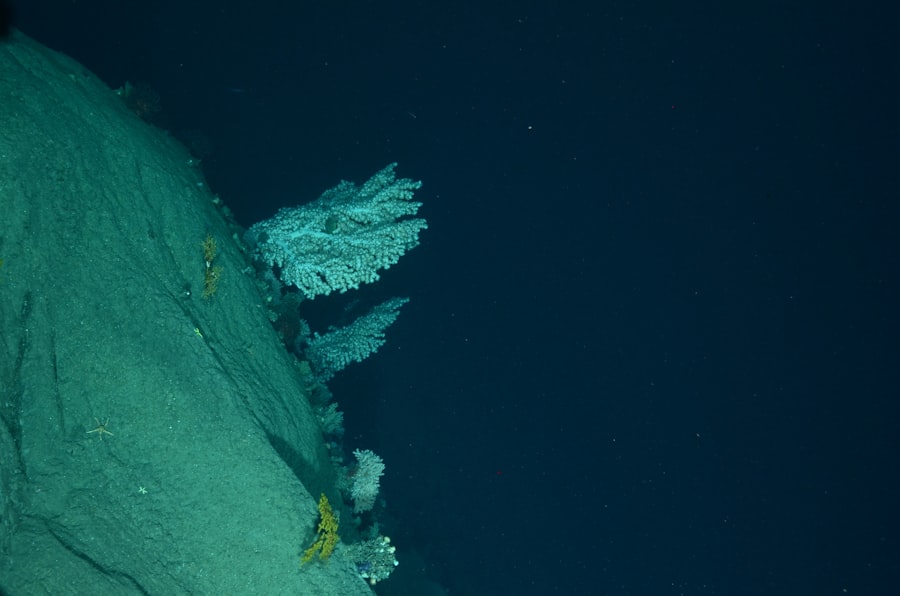
The extraction of resources from the deep sea poses a significant threat to biodiversity. Mining activities can lead to habitat destruction, which in turn affects the myriad species that rely on these habitats for survival. The removal of substrate and sediment can disrupt the delicate balance of life in these ecosystems, leading to declines in species populations and even extinctions.
The unique organisms that inhabit these depths often have slow growth rates and long lifespans, making them particularly vulnerable to disturbances. Furthermore, the impact of deep sea mining extends beyond immediate habitat destruction. The sediment plumes generated during mining operations can smother nearby marine life, blocking sunlight and disrupting photosynthesis in organisms such as phytoplankton.
This cascading effect can alter food webs and lead to significant shifts in community structures. As biodiversity diminishes, the resilience of these ecosystems is compromised, making them less capable of adapting to environmental changes or recovering from disturbances.
Disruption of Deep Sea Habitats
| Deep Sea Habitat | Disruption Metrics |
|---|---|
| Coral Reefs | Decrease in coral coverage |
| Seamounts | Damage from bottom trawling |
| Hydrothermal Vents | Impact from deep-sea mining |
| Cold-Water Coral Reefs | Threats from ocean acidification |
Deep sea mining disrupts habitats in profound ways that can have lasting consequences for marine life. The physical process of mining involves scraping or drilling into the ocean floor, which can obliterate complex structures such as coral reefs and hydrothermal vent communities. These habitats are not only home to numerous species but also serve as critical breeding and feeding grounds.
The loss of such habitats can lead to a decline in fish stocks and other marine resources that many coastal communities depend on for their livelihoods. In addition to direct habitat destruction, mining activities can alter the chemical composition of the surrounding water. The introduction of heavy metals and other pollutants can create toxic environments for marine organisms.
Species that are unable to adapt quickly may face population declines or even extinction. The interconnectedness of deep sea habitats means that damage in one area can have ripple effects throughout the ecosystem, further exacerbating the challenges faced by marine life.
Potential Pollution from Deep Sea Mining
Pollution is an inevitable byproduct of deep sea mining operations, raising serious concerns about its impact on marine ecosystems.
When these materials are released into the water column, they can spread over vast areas, affecting not only local species but also those further afield through ocean currents.
Moreover, the potential for oil spills and chemical leaks during mining operations poses additional risks to marine environments. These incidents can have catastrophic effects on marine life, leading to long-term ecological damage. The introduction of pollutants into deep sea ecosystems can disrupt reproductive processes, impair growth rates, and increase mortality rates among vulnerable species.
As pollution accumulates over time, it can create “dead zones” where life is unsustainable, further threatening biodiversity.
Impact on Endangered Species
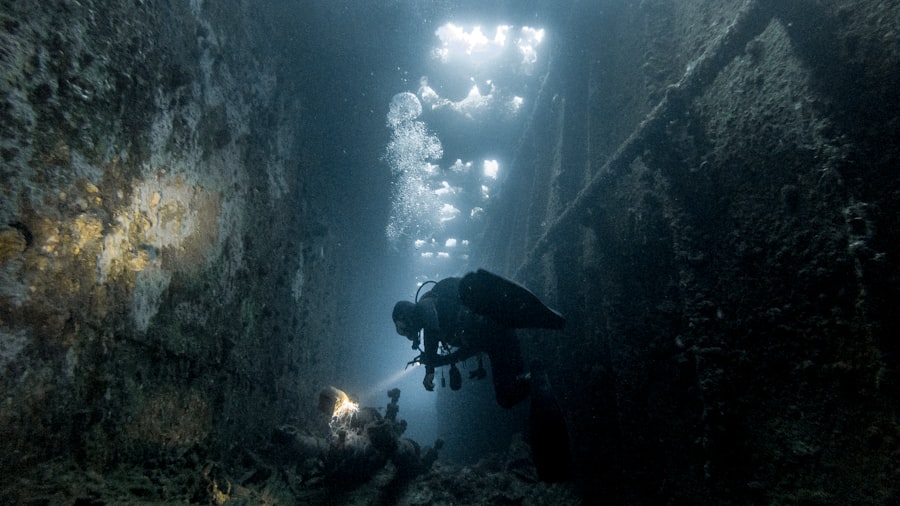
The impact of deep sea mining on endangered species is particularly concerning given the already precarious state of many marine organisms. Numerous species that inhabit deep-sea environments are classified as endangered or threatened due to factors such as habitat loss, climate change, and overfishing. Mining activities exacerbate these challenges by introducing additional stressors that can push already vulnerable populations closer to extinction.
For instance, species like the deep-sea corals and certain types of fish are highly sensitive to changes in their environment. The destruction of their habitats through mining can lead to significant declines in their populations. Additionally, many deep-sea species have not been thoroughly studied, meaning that the full extent of the impact on biodiversity remains largely unknown.
Protecting these endangered species requires urgent action and a commitment to sustainable practices that prioritize ecosystem health over short-term economic gains.
Long-term Consequences of Deep Sea Mining
The long-term consequences of deep sea mining extend far beyond immediate environmental degradation. As ecosystems are disrupted and biodiversity declines, the resilience of these environments diminishes, making them more susceptible to future disturbances such as climate change or natural disasters. The loss of biodiversity can lead to a breakdown in ecological functions that are essential for maintaining healthy marine environments.
Furthermore, the economic implications of long-term ecological damage can be profound. Communities that rely on fishing or tourism may find their livelihoods threatened as fish stocks dwindle and natural attractions are compromised. The costs associated with restoring damaged ecosystems can far exceed any short-term financial gains from mining activities.
As society grapples with these challenges, it becomes increasingly clear that sustainable practices must be prioritized to safeguard both economic interests and environmental health.
Challenges in Regulating Deep Sea Mining
Regulating deep sea mining presents a complex set of challenges due to the vastness and remoteness of ocean environments. International waters complicate governance structures, as multiple countries may have competing interests in resource extraction. Existing regulatory frameworks often lack the specificity needed to address the unique challenges posed by deep sea mining, leading to gaps in oversight and enforcement.
Additionally, there is often a lack of scientific data regarding deep sea ecosystems, making it difficult for policymakers to make informed decisions about resource management. The rapid pace of technological advancement in mining methods further complicates regulatory efforts, as new techniques may outpace existing regulations designed to protect marine environments. To effectively manage deep sea mining activities, there is an urgent need for comprehensive international cooperation and robust regulatory frameworks that prioritize environmental protection.
Mitigation Strategies for Deep Sea Mining Impacts
To address the environmental impacts associated with deep sea mining, various mitigation strategies can be employed. One approach involves implementing strict environmental assessments before any mining activities commence. These assessments should evaluate potential impacts on biodiversity and ecosystem health, ensuring that decision-makers have a clear understanding of the risks involved.
Another strategy involves adopting best practices for mining operations that minimize habitat destruction and pollution generation. This could include using less invasive extraction methods or developing technologies that reduce sediment plumes during operations. Additionally, establishing marine protected areas (MPAs) around sensitive habitats can help safeguard critical ecosystems from mining activities while allowing for sustainable resource management in other areas.
The Role of International Cooperation in Protecting Deep Sea Ecosystems
International cooperation is essential for effectively protecting deep sea ecosystems from the threats posed by mining activities. Given that many deep-sea resources lie beyond national jurisdictions, collaborative efforts among countries are crucial for establishing comprehensive regulatory frameworks that prioritize environmental sustainability. Organizations such as the International Seabed Authority (ISA) play a vital role in facilitating dialogue among nations and developing guidelines for responsible resource extraction.
Furthermore, sharing scientific research and data among countries can enhance understanding of deep sea ecosystems and inform better decision-making regarding resource management.
By fostering international partnerships focused on conservation efforts, stakeholders can work together to ensure that deep sea ecosystems are preserved for future generations.
The Future of Deep Sea Mining and Ecosystem Conservation
The future of deep sea mining hinges on finding a balance between resource extraction and ecosystem conservation. As technology continues to advance, there is potential for more sustainable practices that minimize environmental impacts while meeting global demand for minerals and metals. However, this requires a commitment from governments, industries, and researchers alike to prioritize ecological health alongside economic interests.
Looking ahead, it is imperative that stakeholders engage in meaningful dialogue about the long-term implications of deep sea mining on biodiversity and ecosystem health. By embracing innovative approaches to resource management and fostering international cooperation, society can work towards a future where deep sea mining is conducted responsibly and sustainably—ensuring that these vital ecosystems remain intact for generations to come. Ultimately, protecting deep sea ecosystems is not just an environmental imperative; it is essential for maintaining the health of our planet as a whole.
Deep sea mining poses significant risks to marine ecosystems, as highlighted in the article on the potential impacts of such activities on biodiversity and habitat destruction. For a deeper understanding of these environmental concerns, you can read more in this related article: Deep Sea Mining and Its Ecological Consequences. This resource provides valuable insights into how mining operations can disrupt delicate underwater habitats and threaten various marine species.
WATCH THIS! The Map You Can’t See is Controlling the World
FAQs
What is deep sea mining?
Deep sea mining is the process of retrieving mineral deposits from the ocean floor. This can include valuable metals such as copper, nickel, cobalt, and rare earth elements.
How does deep sea mining affect ecosystems?
Deep sea mining can have significant impacts on marine ecosystems. The process of extracting minerals can disrupt the seabed, destroy habitats, and release sediment plumes that can smother marine life. It can also lead to the loss of biodiversity and disrupt the food chain.
What are the potential long-term effects of deep sea mining on ecosystems?
The long-term effects of deep sea mining on ecosystems are not fully understood, but they could include the loss of unique and fragile habitats, changes to the composition of marine communities, and the disruption of important ecological processes.
Are there regulations in place to mitigate the impact of deep sea mining on ecosystems?
There are currently limited regulations in place to govern deep sea mining, but there is growing concern about its potential environmental impact. Efforts are being made to develop international guidelines and regulations to minimize the impact on marine ecosystems.
What are some alternatives to deep sea mining for sourcing minerals?
Some alternatives to deep sea mining for sourcing minerals include recycling, urban mining (retrieving metals from electronic waste and other urban sources), and exploring terrestrial mining opportunities in a responsible and sustainable manner.